
The First Fragrant Smoke: Egypt, ~3500 BCE
In the summer of 1873, the German Egyptologist Georg Ebers acquired a papyrus scroll in Luxor. It stretched nearly 20 metres and contained over 800 medicinal and ritual formulae — the most complete record of Egyptian pharmaceutical practice ever discovered. Among the prescriptions for eye complaints and crocodile bites, one entry stands apart: the formula for kyphi, the sacred incense of the pharaohs.
The Ebers Papyrus (dated to ~1550 BCE, though it draws on material centuries older) lists kyphi's ingredients with priestly precision: frankincense, myrrh, cinnamon bark, juniper berries, raisins, wine, and honey, pounded together and formed into pellets. These were burned on charcoal at dusk in temples at Karnak, Edfu, and Philae — the smoke rising through the hypostyle halls as an offering to the gods and a sensory marker of sacred time. Wall reliefs at the Temple of Edfu (237–57 BCE) depict priests carrying incense burners shaped like outstretched arms, the smoke curling upward in carved ribbons of stone.
Egyptian incense was not about personal enjoyment in the modern sense. It was transactional — a material gift to the divine, a medium that carried prayer into the realm of the gods. Frankincense (Boswellia resin, harvested from trees growing in what is now Somalia and southern Arabia) and myrrh (Commiphora resin, from the same region) were so valuable that they appear in Egyptian records as tribute items alongside gold, ivory, and exotic animals. When Queen Hatshepsut dispatched her famous expedition to the Land of Punt around 1493 BCE, the fleet returned with 31 living frankincense trees — the first documented botanical transplant in history, commissioned by a pharaoh who understood that controlling a sacred material meant controlling access to the gods.
Mesopotamia and Babylon: Incense as Commerce and Ceremony
While Egyptian priests were burning kyphi in temple sanctuaries, a parallel incense culture was developing along the Tigris and Euphrates. Cuneiform tablets from the library of Ashurbanipal (7th century BCE, Nineveh) document incense ingredients with the precision of a customs ledger. The Babylonians and Assyrians burned cedar, cypress, juniper, and imported frankincense during religious observances, but they also used incense as a fumigant for private homes and as a trade commodity that moved along routes connecting the Levant, Arabia, and the Indus Valley.
The Mesopotamian incense economy was substantial enough that temple complexes maintained dedicated storerooms for aromatic substances. Records from the Eanna temple in Uruk show regular deliveries of frankincense and myrrh arriving from Dedan (modern AlUla, Saudi Arabia), a desert oasis that functioned as the first major incense trading hub — the crossroads of the Incense Route.
The Indian Subcontinent: Vedic Fire, Sandalwood, and the Birth of Agarbatti
Incense arrived in South Asia not as a borrowed practice but as a deeply indigenous one, rooted in the ritual fire sacrifices (yajna) described in the Rigveda (~1500–1200 BCE). By the time of the Atharvaveda (~1000 BCE) and later texts (Charaka Samhita and Sushruta Samhita, ~600–200 BCE), incense had become a systematised art. Sandalwood (Santalum album), native to the forests of southern India, emerged as the preeminent incense material on the subcontinent — its heartwood producing a warm, milky-woody scent that would define Indian incense for millennia.
The innovation that distinguishes Indian incense from all earlier traditions is agarbatti — the bamboo-core stick, emerging between the 5th and 8th centuries CE. A thin bamboo splinter coated with a paste of ground aromatic woods, resins, and natural binders. It is self-contained: you light it, and it burns. It democratised incense, taking it from temple and palace into ordinary households.
Chinese Incense Culture: Han Dynasty to Song Dynasty
By the Han dynasty (206 BCE–220 CE), incense had become firmly established in Chinese elite culture. The boshanlu (博山爐, "universal mountain censer") — a bronze incense burner shaped like a jagged mountain peak with apertures that released smoke in curling tendrils — became a status object. Chen xiang (沉香, agarwood) arrived from the tropical forests of Southeast Asia and commanded staggering prices. Chinese incense culture developed around the indirect heating of aromatic woods on a mica plate — a connoisseur's practice releasing volatile compounds without combustion.
By the Song dynasty (960–1279 CE), incense appreciation had reached its apex as one of the "Four Arts of the Chinese Scholar." Treatises like Chen Jing's Xiang Pu (香譜, 11th century) catalogued dozens of aromatic substances and blending techniques. Chinese practice also produced hexiang (合香) — blended incense prepared by the user rather than purchased ready-made, making incense a creative practice, not just a consumer product.
Japanese Refinement: Buddhism, Kōdō, and the Way of Incense
Incense arrived in Japan in the 6th century CE, carried alongside Buddhism. The Nihon Shoki (720 CE) records that a piece of agarwood washed ashore on Awaji Island in 595 CE — the first documented appearance of jinkō in Japan. Japan elevated incense appreciation into a codified art form: kōdō (香道, "the way of incense"), formalised during the Muromachi period (1336–1573).
Kōdō is a structured practice: a small chip of agarwood is heated on a mica plate over charcoal, and participants "listen" (kiku) to the scent as it unfolds. The tradition classified agarwood into the rikkoku gomi (六国五味, "six countries, five tastes") — a taxonomy still used by houses like Shoyeido (founded 1705) and Nippon Kodo (founded 1575).
The senkō (線香) — the solid, coreless stick — emerged as the dominant format. Unlike Indian agarbatti, senkō is a homogeneous cylinder of aromatic wood powder bound with makko bark. No core, no filler — the entire stick is fragrance. (We cover this difference in our guide to low-smoke coreless incense.)
The Incense Route: How Materials Moved Across Continents
The Incense Route connected frankincense- and myrrh-producing regions of southern Arabia to the Mediterranean, Mesopotamia, and — via intersecting land and sea routes — to India, Southeast Asia, and China. At its peak under the Nabataean kingdom (4th century BCE–106 CE), caravans of over a thousand camels moved resins from Dhofar (Oman) through Petra to Gaza. The Greek geographer Strabo described Nabataean Petra as a city of extraordinary wealth built on the incense trade.
Roman consumption was staggering. Pliny the Elder complained that Rome burned frankincense at the rate of "a forest a year" and spent 100 million sesterces annually on Arabian and Indian aromatics. The eastern maritime branch carried sandalwood from India, agarwood from Vietnam and Cambodia, and camphor from Borneo through ports like Muscat, Calicut, Malacca, and Canton — a trade network that predated European colonial expansion by centuries.
Western Adoption: From Counterculture to Artisan Revival
For most of European history, incense was confined to ecclesiastical use. That changed in the 1960s, when the counterculture movement catalysed Western incense adoption. Indian brands like Satya Sai Baba (founded 1964) and HEM (founded 1967) became global phenomena. This first wave was broad but shallow — mass-produced, heavily fragranced sticks coded as bohemian rather than refined.
The past two decades have seen a decisive shift. A new generation of artisan incense makers has reclaimed incense as a craft product — emphasising natural materials, traditional construction methods, and transparency about sourcing. The SGS-certified Dongzhi line exemplifies this approach: sticks that use the Japanese coreless construction format with a Chinese aromatic sensibility.
MUSO Collection in the Continuum
Every incense stick sold today carries the accumulated weight of this history. The sandalwood in a box of Fuji Mysore Sandalwood descends from the same Santalum album species that Vedic priests cast into the sacred fire. The agarwood in the Dongzhi Agalloch Eaglewood is the same chen xiang that Song-dynasty literati heated on mica plates — now delivered in a coreless extruded stick.
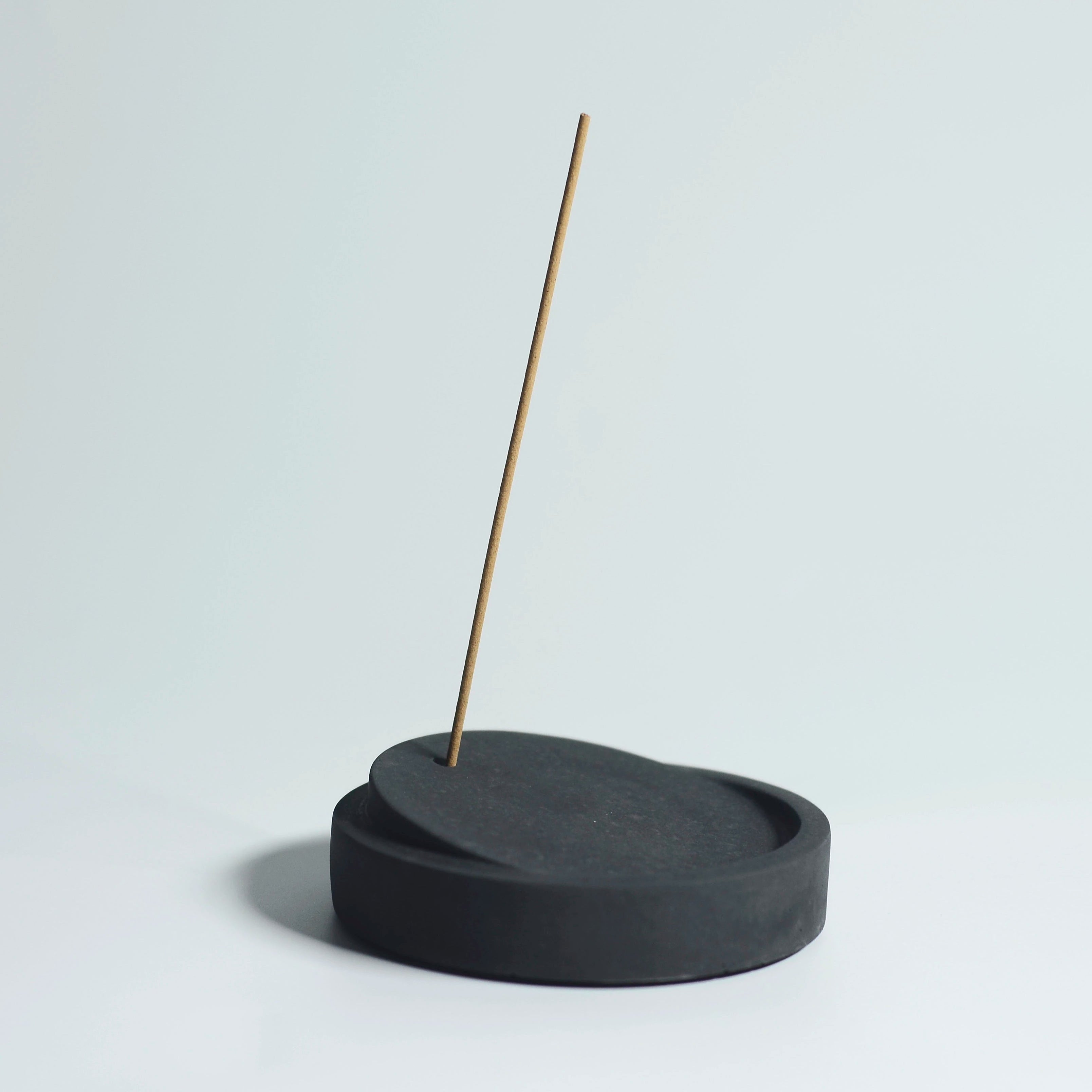
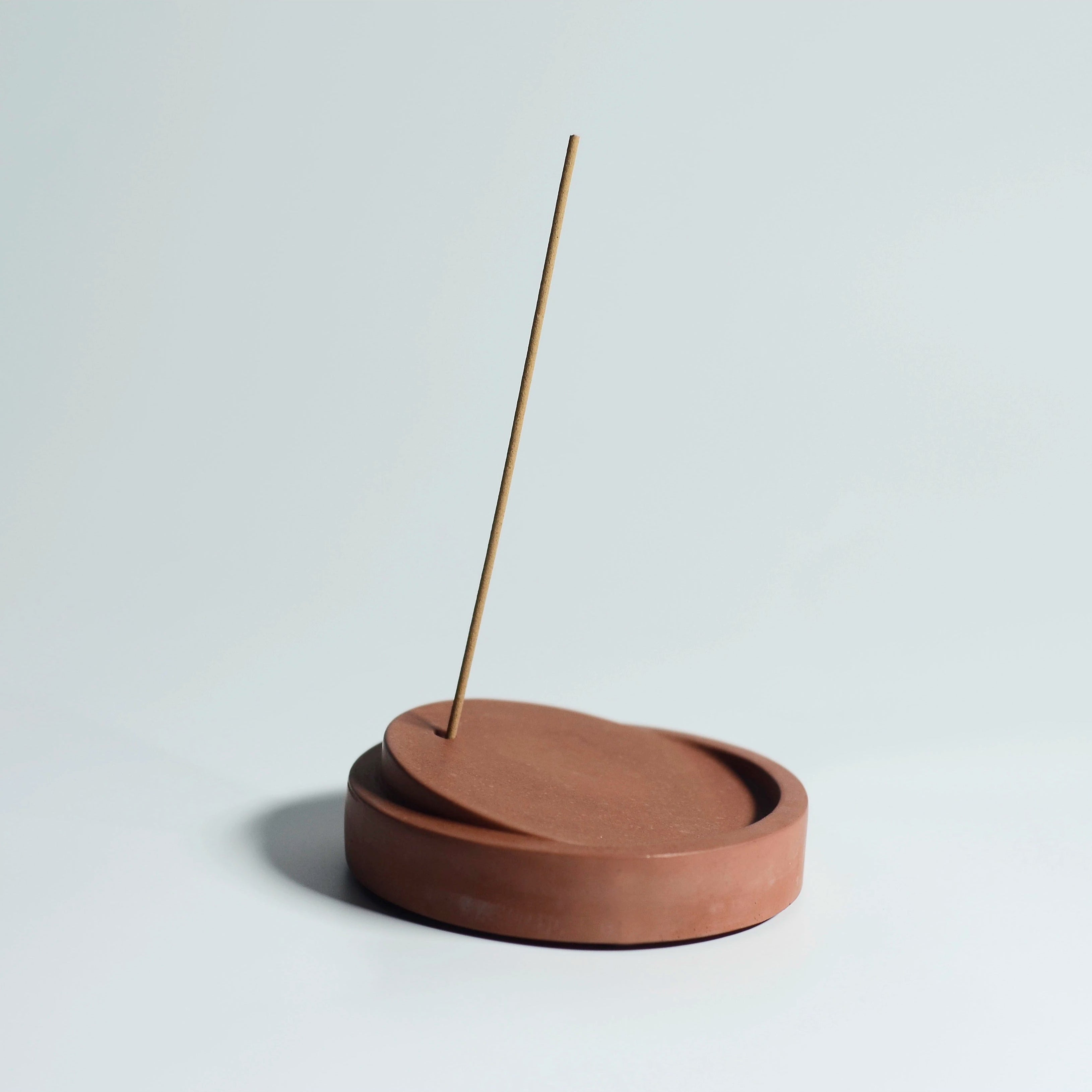
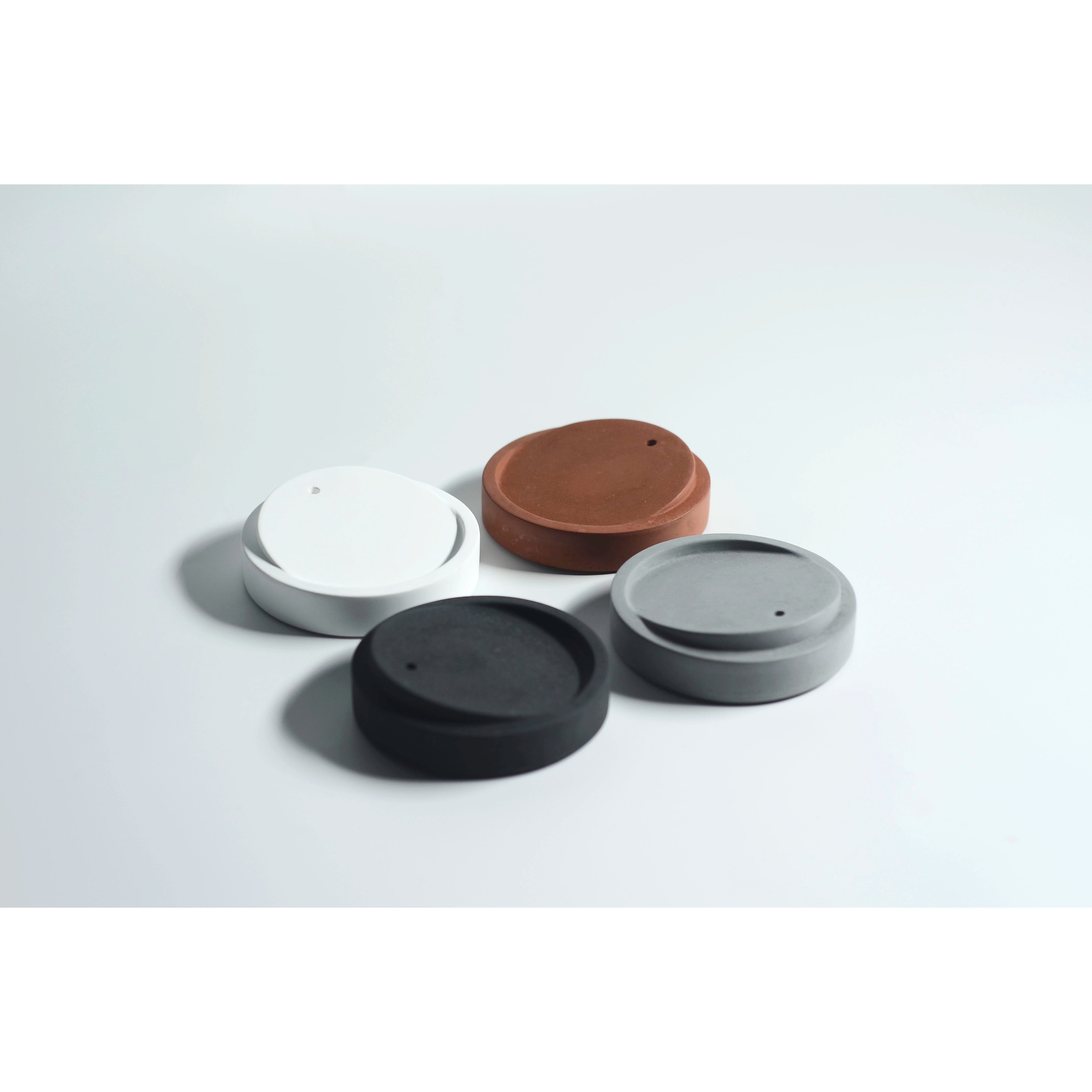
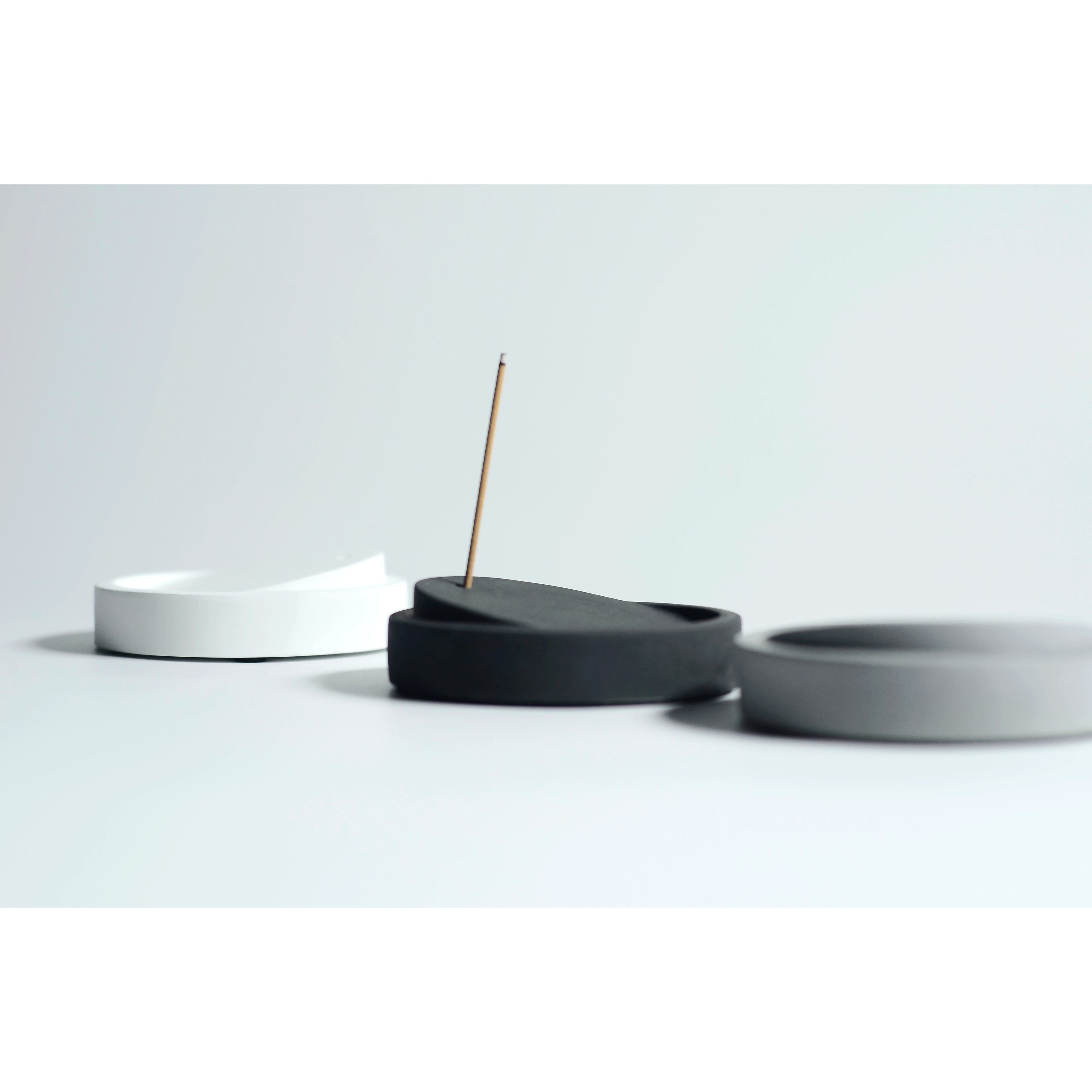
The Dongzhi Aged Sandalwood uses wood aged after harvesting — a technique documented in Ming-dynasty incense manuals like Zhou Jiazhou's Xiang Sheng (1618). For exploring traditions directly, the Dongzhi Tranquil Harmony Set offers an eight-scent sampling collection. Our collection of incense holders provides the foundation for whatever tradition you gravitate toward.
What links a 5,000-year-old Egyptian kyphi pellet to a Dongzhi coreless stick is a continuous human impulse: the desire to fill a space with fragrance, to mark a moment with scent, to transform an ordinary room into somewhere different. The act — lighting something fragrant and watching the smoke rise — is older than written language.
Frequently Asked Questions
Where did incense originate?
The earliest documented use of incense comes from ancient Egypt, around 3500 BCE. The Ebers Papyrus (~1550 BCE) records the formula for kyphi, a sacred incense made from frankincense, myrrh, cinnamon, juniper berries, raisins, wine, and honey, burned in temples as an offering to the gods. Archaeological evidence suggests that the burning of aromatic woods and resins for ritual purposes likely developed independently in multiple regions — including Mesopotamia, the Indus Valley, and China — rather than radiating from a single point of origin.
What is the history of incense in Japan?
Incense arrived in Japan in the 6th century CE alongside Buddhism. The Nihon Shoki (720 CE) records the first documented discovery of agarwood (jinkō) on Awaji Island in 595 CE. Over subsequent centuries, Japanese incense culture developed kōdō (香道), a codified art of attentive incense appreciation. Japanese incense houses like Shoyeido (founded 1705) and Nippon Kodo (founded 1575) also developed the coreless senkō stick format using makko bark as a natural binder, producing a cleaner, lower-smoke burn.
When was incense first used?
Incense use dates to at least 3500 BCE in ancient Egypt. Mesopotamian cuneiform tablets from the 7th century BCE document incense use in Babylon and Assyria. In India, the Rigveda (~1500–1200 BCE) describes aromatic substances offered into sacred fire. In China, incense was well-established by the Han dynasty (206 BCE–220 CE). So incense use spans roughly 5,000–5,500 years, with independent development across multiple ancient civilisations.
How did incense spread between ancient cultures?
Incense materials and practices spread primarily through the Incense Route — a network of caravan paths and sea lanes connecting southern Arabia to the Mediterranean, Mesopotamia, India, and China. At its peak under the Nabataean kingdom, camel caravans of over a thousand animals carried fragrant resins from Dhofar through Petra to Gaza. The eastern maritime branch moved sandalwood from India, agarwood from Southeast Asia, and camphor from Borneo. The Silk Road later supplemented these routes, carrying incense materials alongside silk, spices, and ideas between Asia and Europe.
This article is for informational purposes about incense products and craftsmanship. MUSO Collection makes no claims about the health effects of its products.
Further Reading
- Agarwood & Eaglewood Incense: A Complete Guide — the full story on the world's most valuable aromatic wood
- How Artisan Incense Is Made — the craftsmanship behind every stick in our collection
- Low-Smoke Incense: A Guide to Coreless Japanese Incense — why the absence of a bamboo core changes everything
- How to Use Incense Sticks: A Beginner's Guide — from lighting your first stick to building a daily practice
- Best Incense Holders: 2026 Buyer's Guide — selecting the right holder for your space
- Browse All Incense — explore our full collection of artisan incense