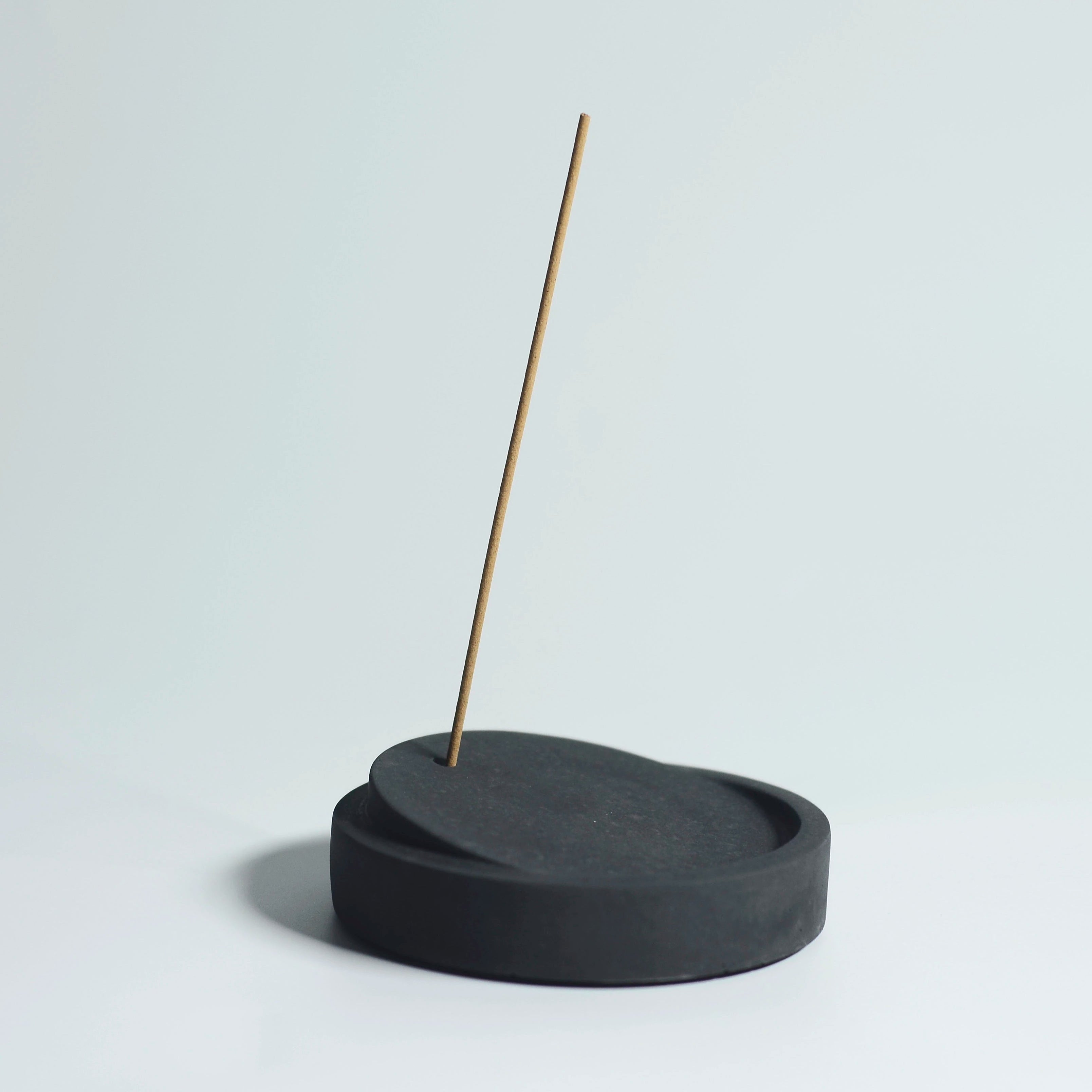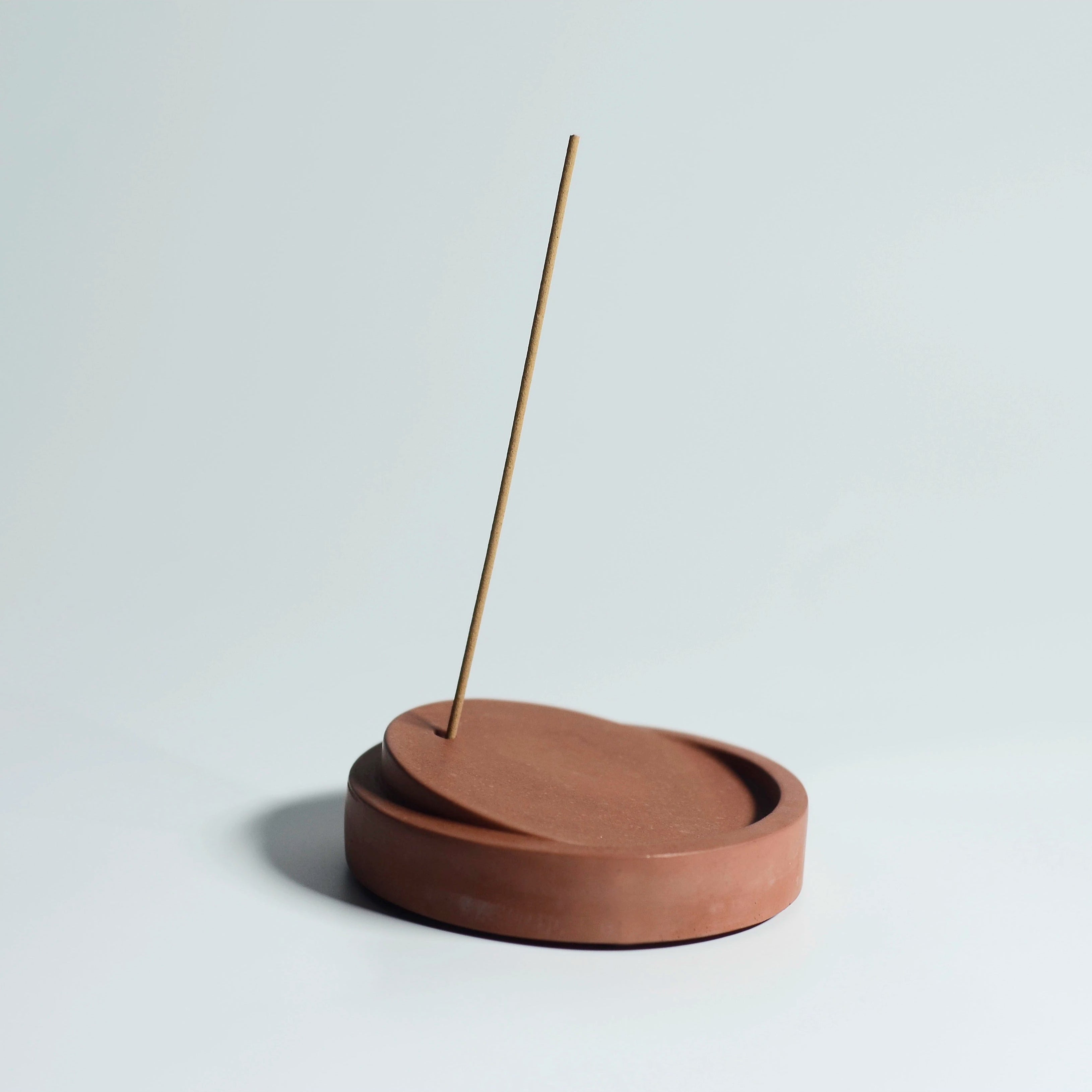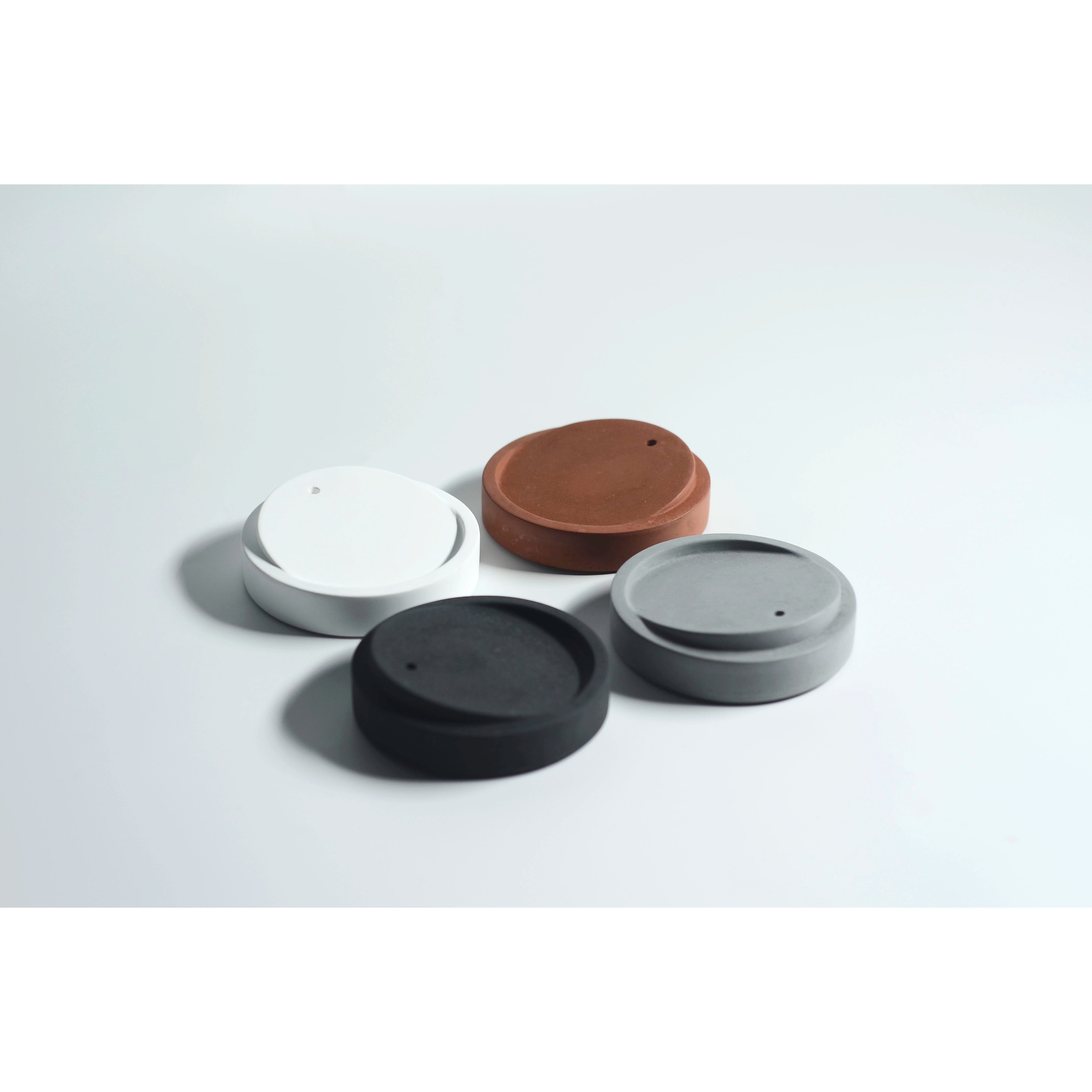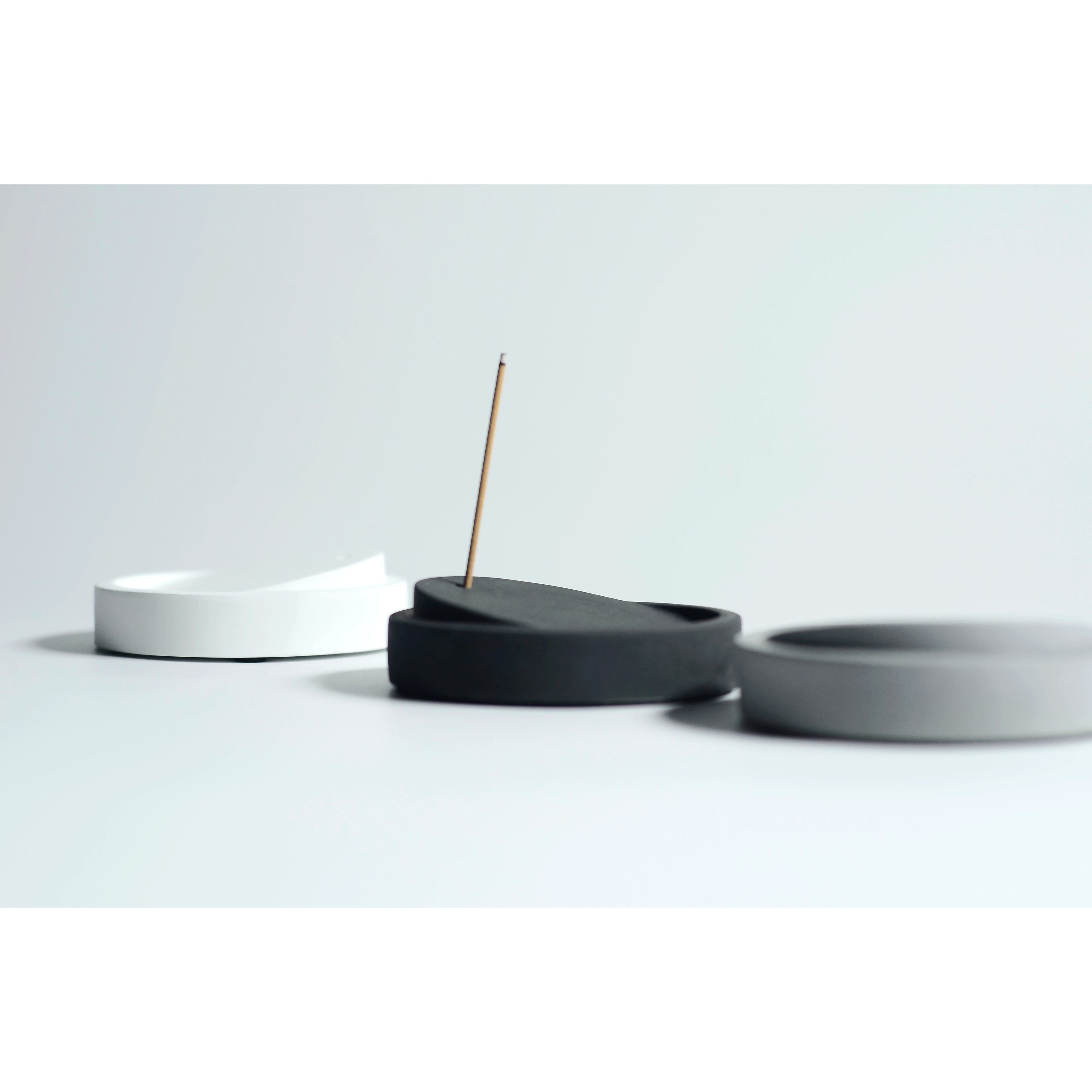
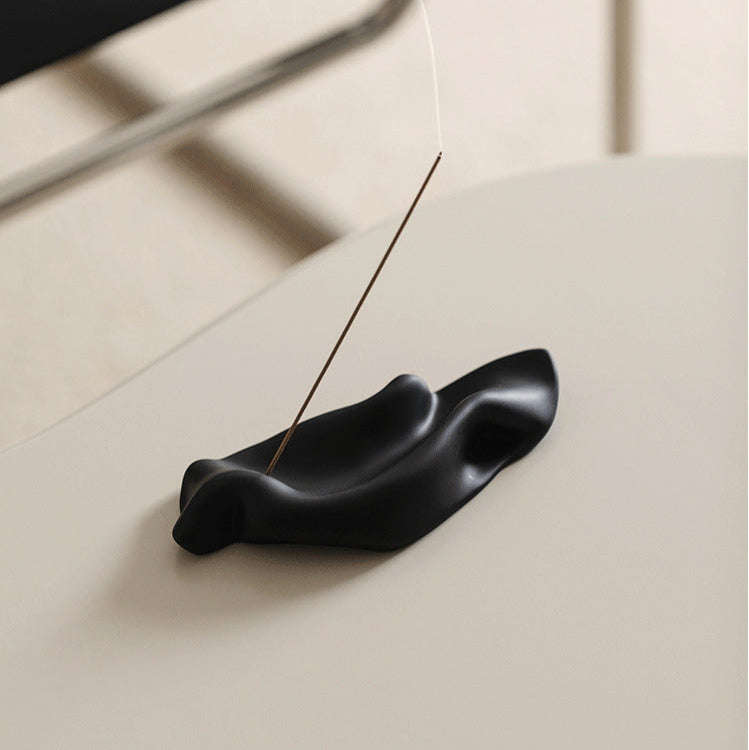

If you've never burned incense before, or tried once and ended up coughing in a smoke-filled room, this guide is for you. Learning to use incense sticks properly takes about five minutes, and once you get the technique right, it transforms from a fiddly experiment into a daily ritual.
What You'll Need
Before you light anything, gather three things:
- An incense stick: Start with a standard 21 cm stick. Natural wood-based sticks (like Japanese senkō made with makko powder) produce the richest scent.
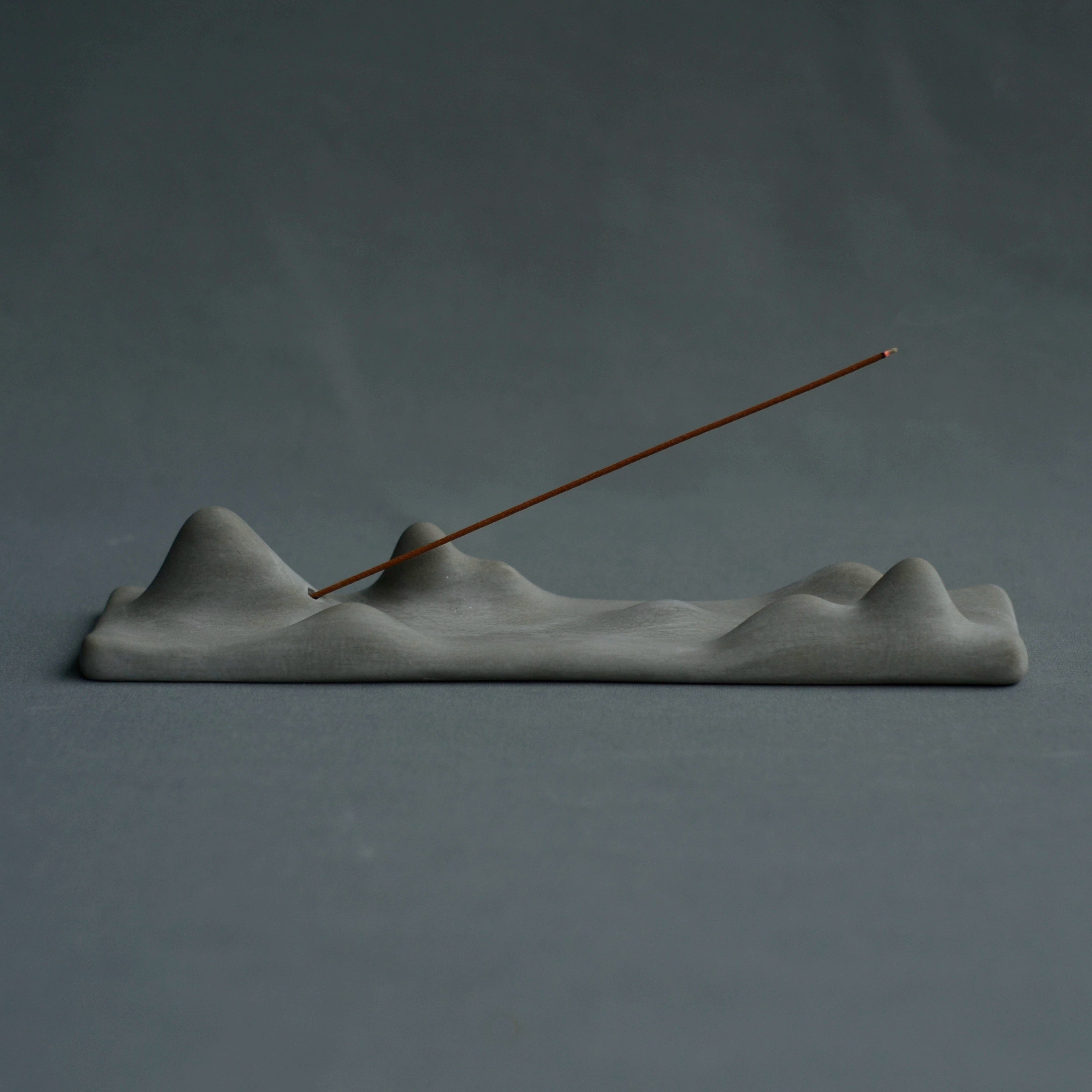
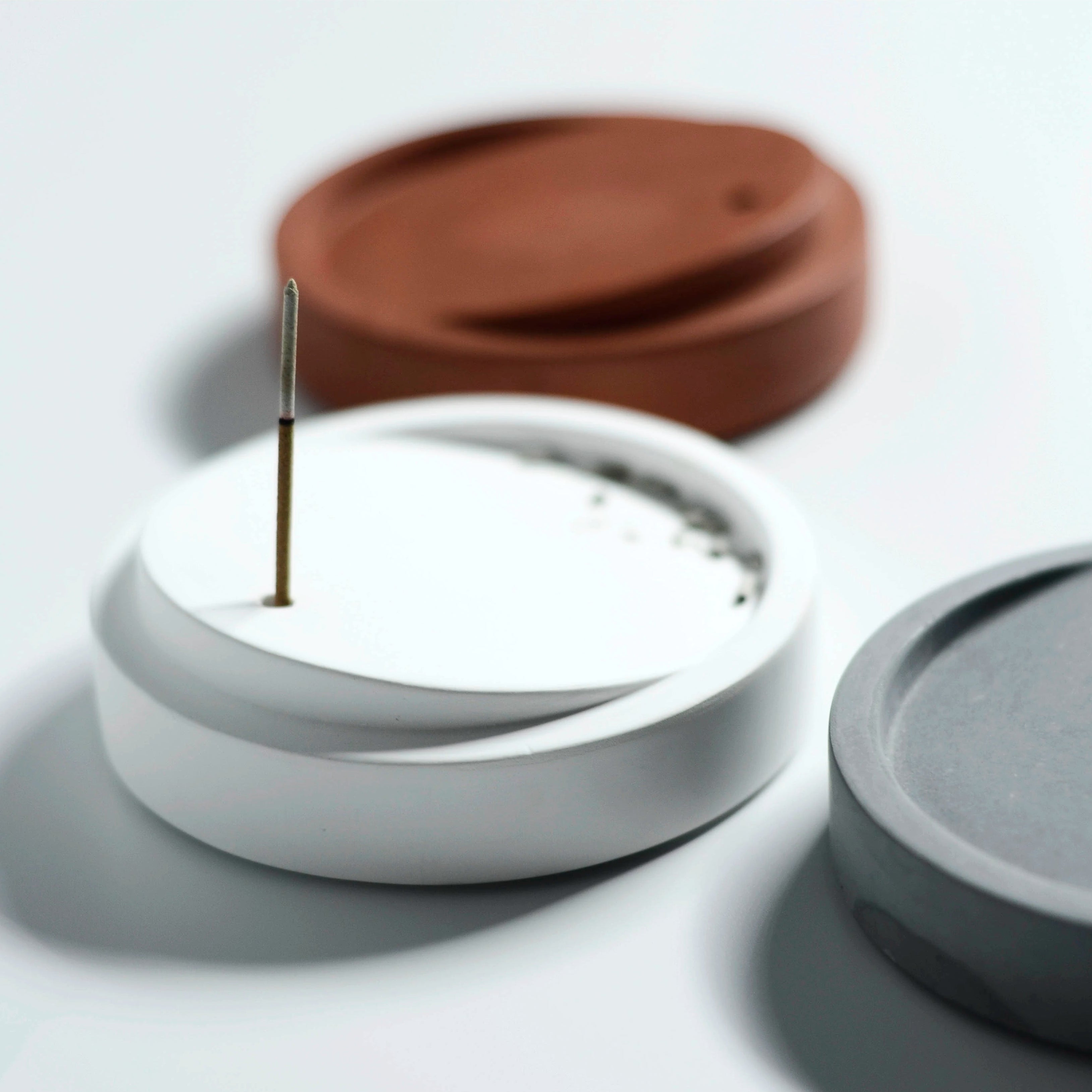
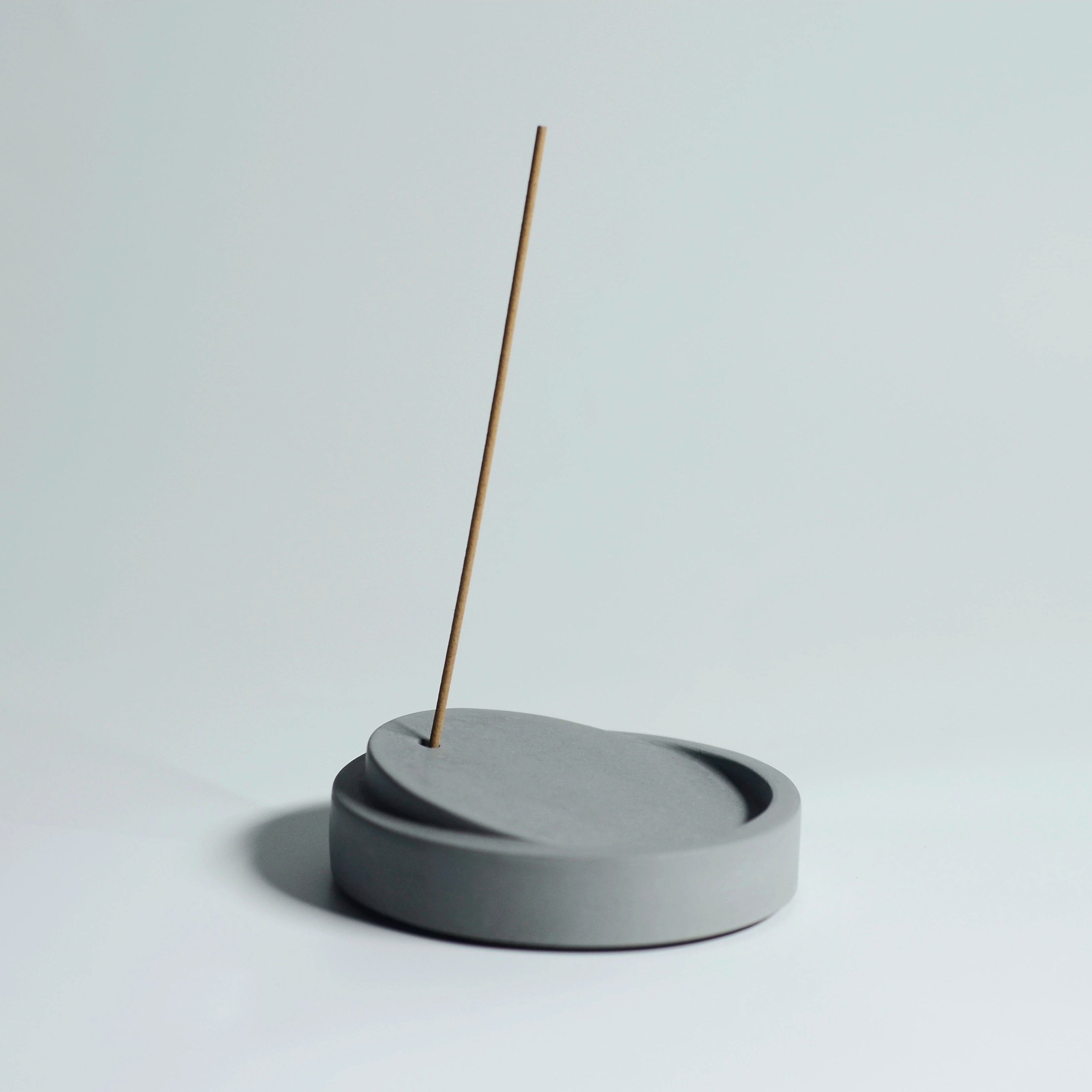
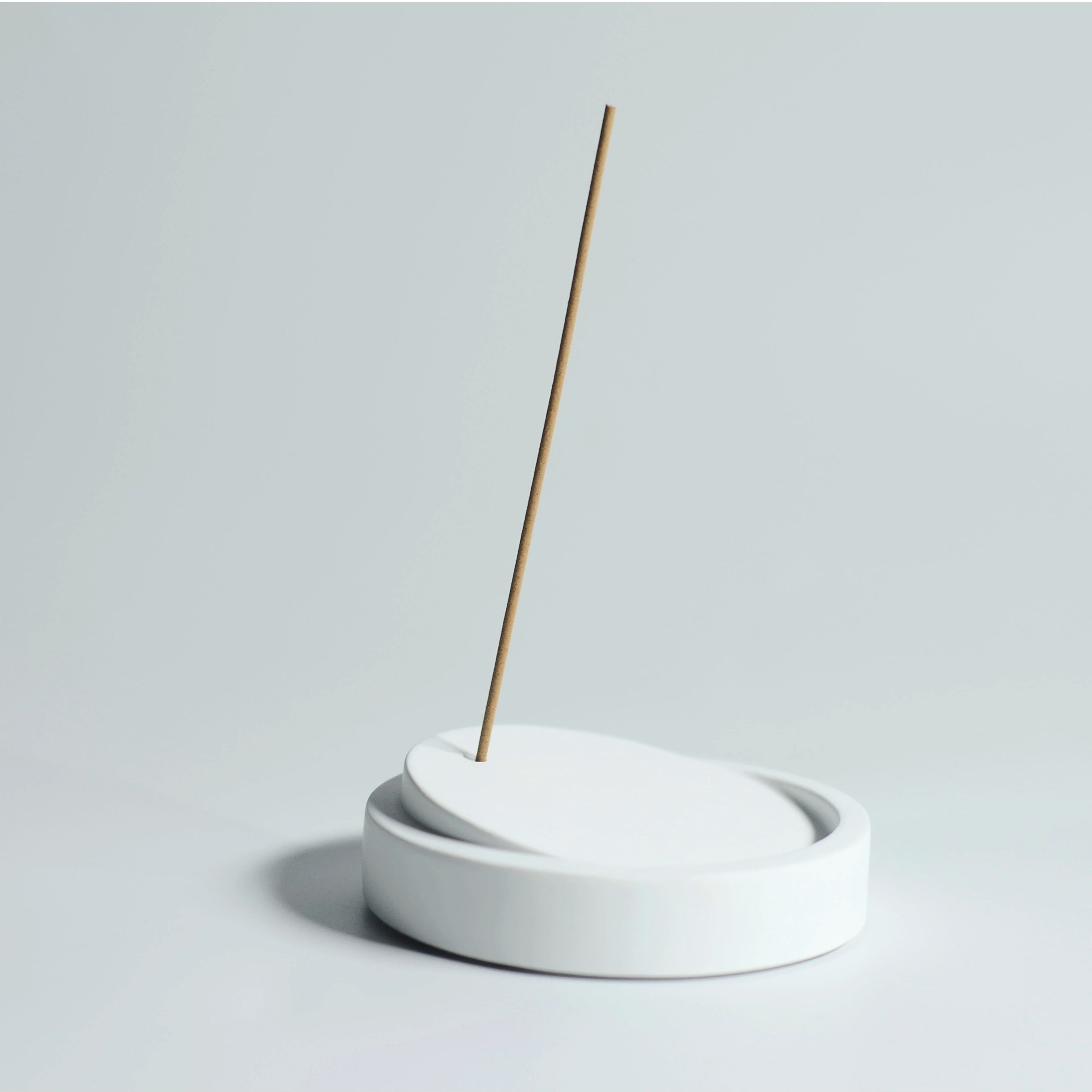
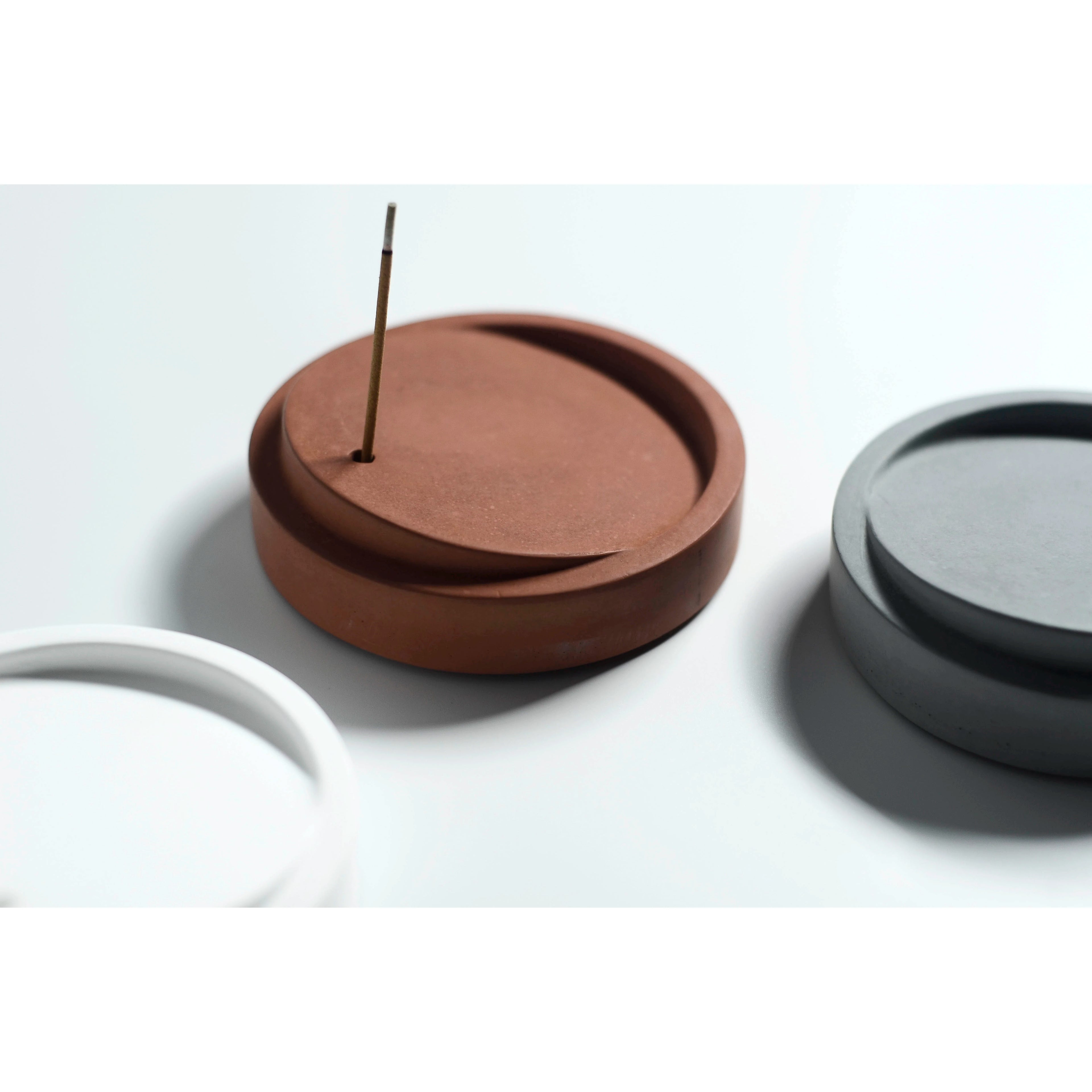
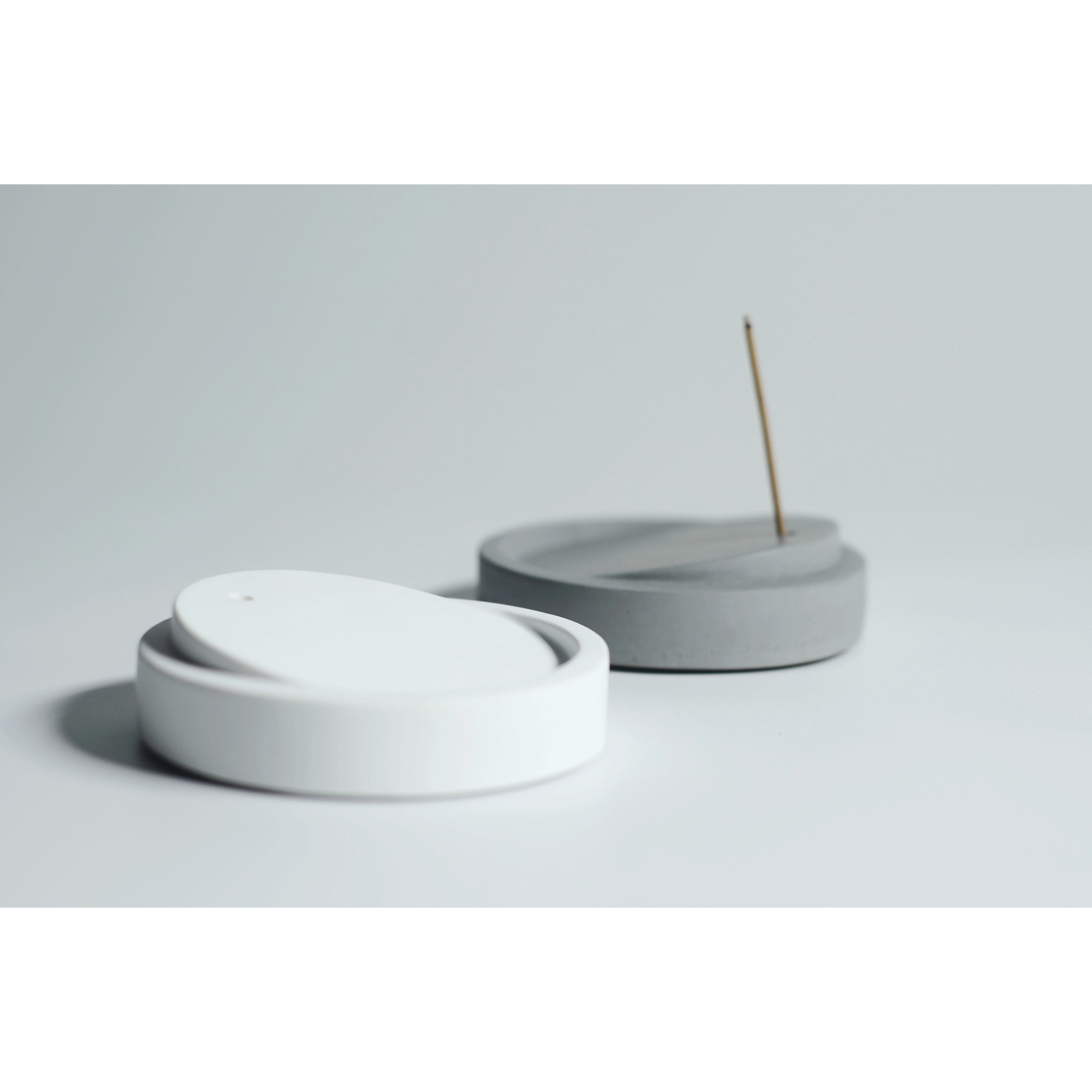
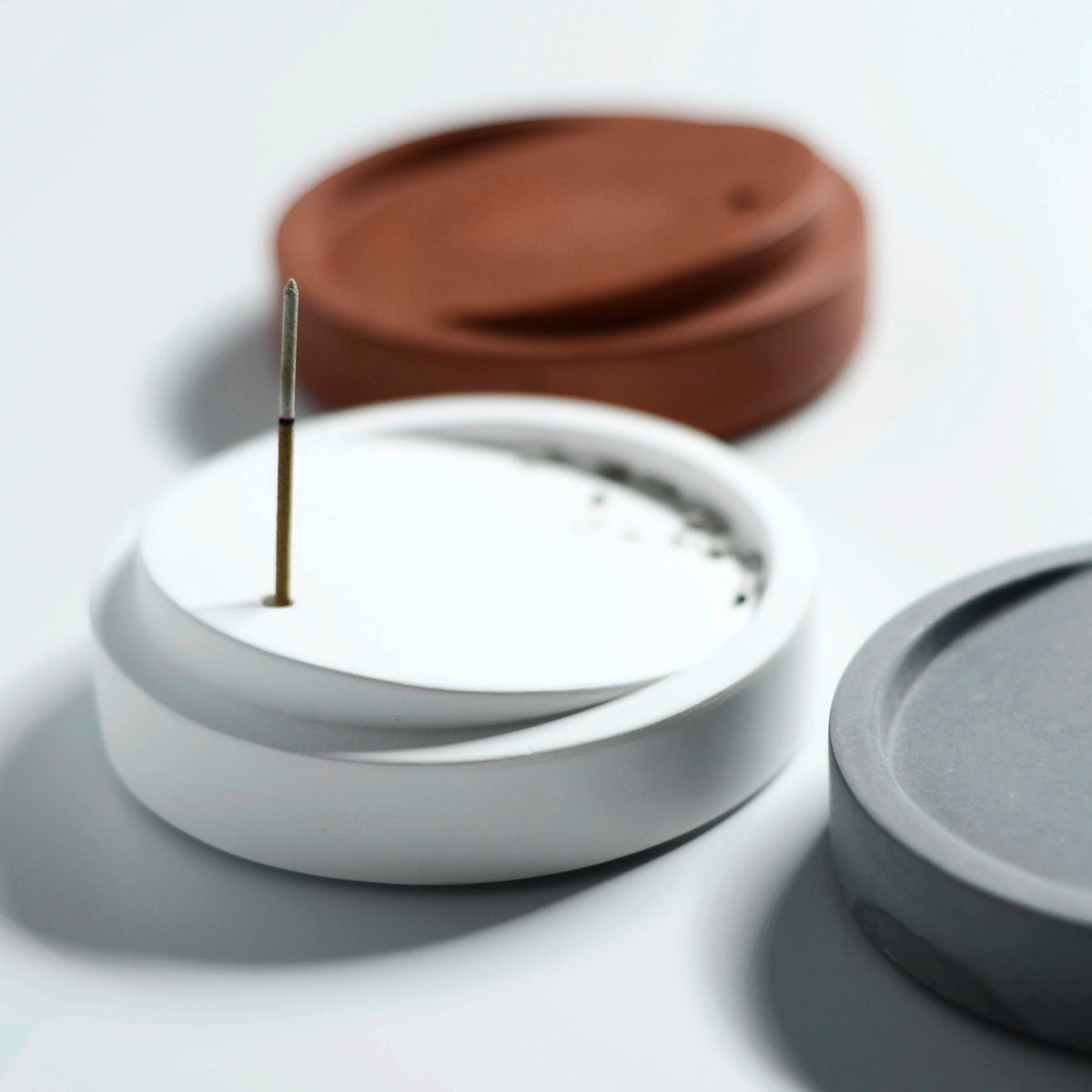
- A proper incense holder: A quality holder should sit on a stable surface, catch ash for the full burn, and keep the ember away from flammable materials.
- A ventilated space: Crack a window or keep a door ajar.
How to Light an Incense Stick
Step 1: Position the Stick
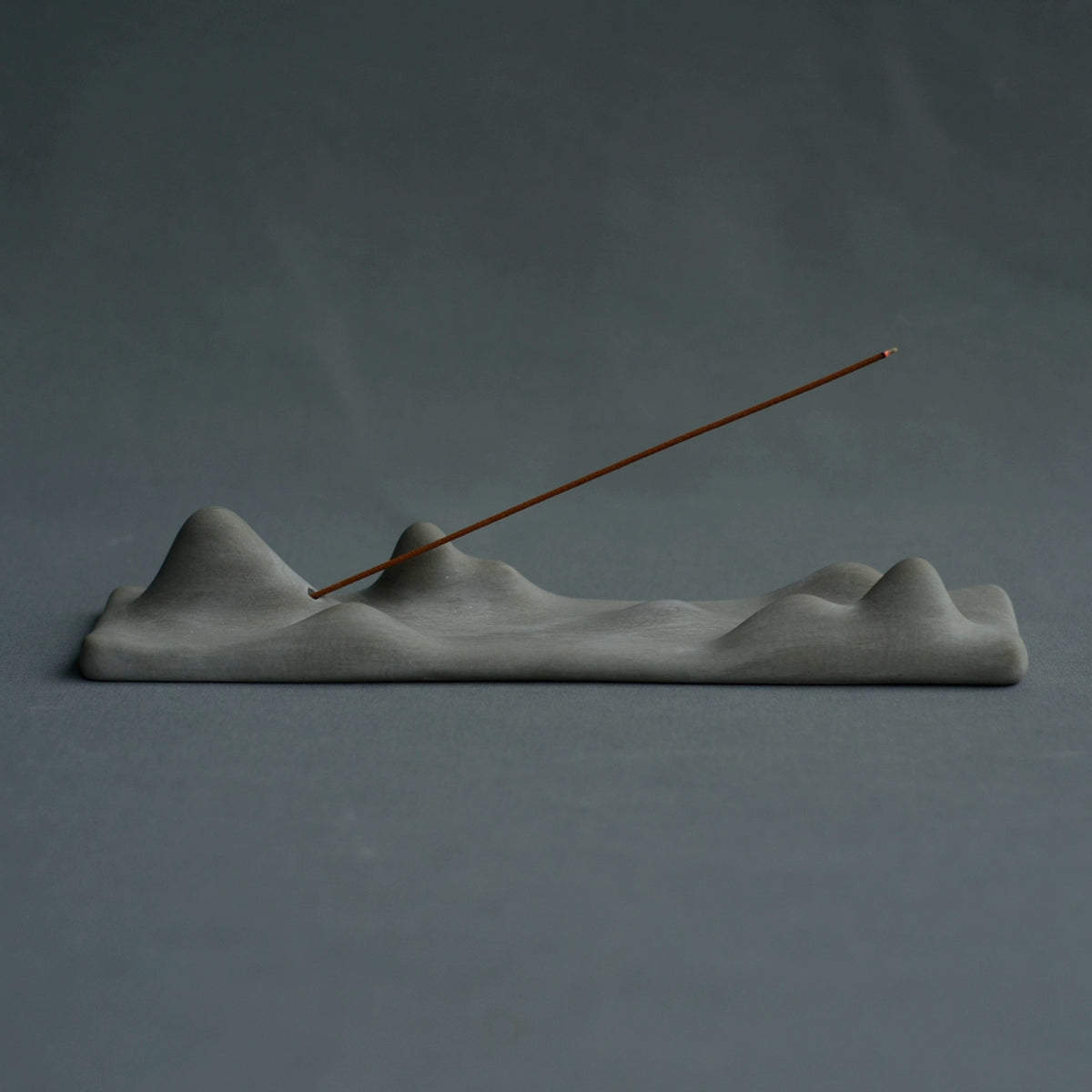
Insert the unlit end into your holder. The coated tip should point upward at roughly a 45-degree angle. Why angle matters: The ember releases heat at approximately 220-260°C (428-500°F), per infrared measurements by the incense testing community at KyaraZen. At that temperature, gravity-assisted ash fall is the primary containment mechanism.
Step 2: Light the Tip
Hold a match or lighter to the coated end until it catches. Let the flame burn for 5-10 seconds, just long enough for the tip to glow orange. Then gently blow out the flame.
Do not let it burn like a candle. If the flame continues, the incense paste melts rather than carbonizes, producing acrid smoke.
Step 3: Watch the Ember
Observe for 15-30 seconds. You should see a steady thin wisp of smoke, a faintly glowing ember, and a clean burn line.
Step 4: Let It Burn
A standard 21 cm stick burns for 20-45 minutes. Don't disturb the stick, vibration or drafts cause uneven burning.
Step 5: Extinguish Properly
When nearly finished, gently pinch the ember until it goes out, or press the tip into sand. Never blow on a nearly finished stick, the ember can scatter hot ash.
Reading Your Incense: What the Smoke Tells You
| Smoke Signal | What It Means | What to Do |
|---|---|---|
| Thin, light gray, steady wisp | Natural wood-based incense burning cleanly | You're doing it right |
| Thick, dark, dense plume | Synthetic fragrance oils or charcoal-heavy paste | Switch to natural incense |
| Acrid, chemical smell | Low-quality stick with synthetic binders | Stop burning, ventilate |
| Stick keeps going out | Humid environment or poor holder angle | Dry the sticks; adjust angle |
| Burns unevenly | Draft or inconsistent paste application | Move away from drafts |
Choosing Your First Incense Holder
| Material | Heat Tolerance | Pros | Cons |
|---|---|---|---|
| Ceramic | Kiln-fired at 1,000-1,400°C | Versatile, stays cool to touch | Can chip if dropped |
| Brass | Thermal conductivity 109-120 W/(m·K) | Durable, develops patina | Gets hot; needs base pad |
| Soapstone | Melting point over 1,600°C | Doesn't crack; absorbs heat slowly | Heavy; porous |
| Resin | Softens near sustained heat | Lightweight, decorative | Fire risk; decorative only |
The golden rule: If you have to burn incense carefully to make your holder work, the holder isn't doing its job. A good holder catches ash predictably and requires no babysitting. Browse our ceramic holder collection for beginner-friendly options.
Health and Safety
All burning incense produces particulate matter and VOCs. A 2021 study in the International Journal of Environmental Research and Public Health (Silva GV et al.) tested 12 commercial incense products and found all 12 exceeded WHO benzene safety guidelines. Cone-type incense was significantly more polluting than stick-type. Proper ventilation reduces exposure by approximately 60-80%.
Safety guidelines:
- Always ventilate, open window or cracked door
- One stick per session is plenty
- Choose natural wood-based incense over synthetic charcoal-dip sticks
- Keep away from curtains, papers, bedding
- Never leave unattended
Building a First Incense Ritual
- Choose a consistent time. Morning or evening. Same time daily builds habit.
- Use the same scent for two weeks. This creates a "conditioned response", your brain begins associating that scent with calm focus.
- Pair it with a small action. Light the stick, then sit quietly for 60 seconds.
- Start with a sampling set. The Dongzhi 8 Scent Sampling Set covers the major scent families, woody, floral, earthy, and resinous.