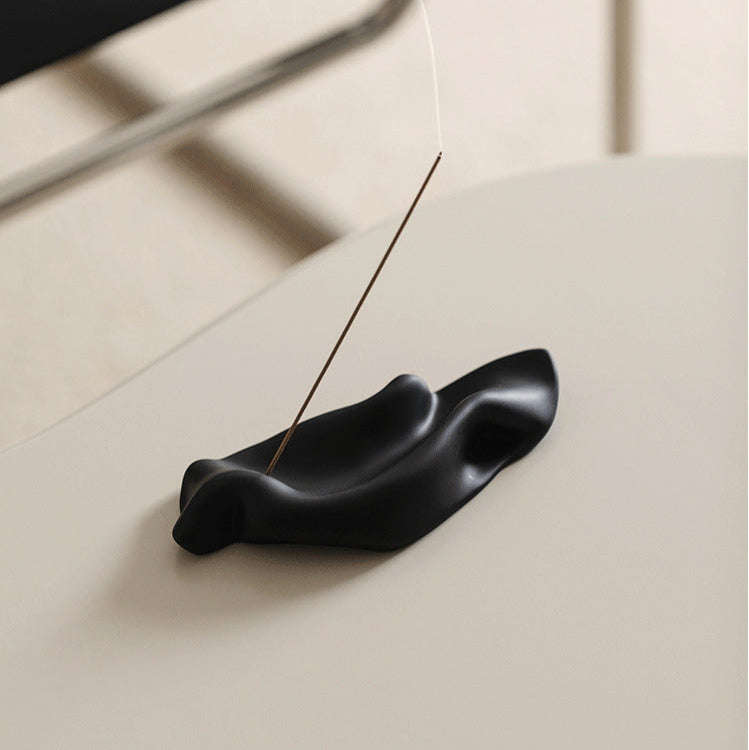

Best Incense Holders 2026: A Comprehensive Buyer's Guide
Choosing the right incense holder isn't just about catching ash, it's about finding a piece that enhances your ritual, complements your space, meets safety standards, and lasts for years. With hundreds of holders on the market ranging from $5 mass-produced trinkets to $100+ artisan collectibles, how do you know what's worth buying?
This guide is the result of extensive research into the materials, designs, safety standards, and value benchmarks that separate truly great incense holders from the rest. Whether you are buying your first holder or upgrading a growing collection, you'll find everything you need to make a confident decision.
What Makes a Good Incense Holder? The 5 Non-Negotiable Criteria
Every incense holder, regardless of price, material, or design, must satisfy these five fundamental requirements:
1. Heat Resistance and Safety
The ember at the tip of a burning incense stick reaches 400-600°C (750-1,100°F). A good holder safely contains this heat without cracking, warping, igniting, or transferring dangerous heat to the surface below. This is the single most important safety factor. Materials like soapstone, thick ceramic, and brass excel here; thin wood, plastic, and untested designs fail.
2. Ash Containment
A standard 11-inch stick produces roughly 1-2 grams of ash over a 30-45 minute burn. A well-designed holder catches all or most of this ash so it doesn't scatter across your desk, nightstand, or altar. Grooved tray holders catch ash along the stick's length. Bowl-style holders collect it in a deep basin. Flat holders require frequent emptying.
3. Stability
The holder should resist tipping from accidental bumps, pets, or drafts. Ceramic holders typically excel due to their weight; lightweight resin or thin brass holders need a broad footprint to compete.
4. Material Integrity
The holder must not release toxic fumes when heated, must not chemically react with incense fragrances, and must not absorb residue in a way that cross-contaminates future sessions. This rules out holders with certain painted or chemically treated surfaces.
5. Aesthetic Purpose
An incense holder lives in your space, on your desk, meditation cushion, or living room shelf. It should complement your décor. This is where artisan craftsmanship separates itself from mass-produced alternatives.
Material Deep-Dive: Ceramic, Brass, Soapstone, Wood, and Resin
The material of your holder is the single most consequential decision you'll make. Here's the full breakdown:
Ceramic: The Gold Standard
Ceramic (stoneware, porcelain, earthenware) is the most widely recommended material for incense holders, and for good reason:
- Heat resistance: Excellent. Fired ceramic withstands temperatures up to 1,200°C, far above any incense ember. It will never ignite, warp, or degrade from normal use.
- Ash containment: Excellent. Ceramic can be molded into deep grooves, bowls, and channels that catch ash completely.
- Stability: Good to excellent, depending on weight. Hand-thrawn ceramic holders like those from Momo's Life have a satisfying heft that resists tipping.
- Durability: Long-lasting but brittle if dropped. A well-cared-for ceramic holder lasts decades.
- Aesthetic range: The widest of any material, from matte earth tones to brilliant celadons, from minimalist bowls to sculptural mountain ranges.
- Price range: $15 (mass-produced) to $60+ (artisan ceramic).
Best for: Daily stick and cone incense. Meditation spaces. Decorative display. Nearly every use case.
Brass and Metal: The Traditional Choice
Brass incense holders have been used in Hindu, Buddhist, and Taoist temples for millennia. They offer distinct advantages:
- Heat resistance: Excellent. Brass has high thermal conductivity, it draws heat away from the ember, keeping the holder surface cooler than ceramic at the contact point.
- Ash containment: Variable. Flat brass plates offer no ash catch. Brass holders with integrated trays or bowls perform well.
- Stability: Good if weighted. Thin, flat brass holders can slide. Look for holders with a heavier base.
- Durability: Essentially indestructible under normal use. Develops a beautiful patina over time.
- Aesthetic: Traditional, warm, and elegant. Ideal for spiritual or temple-inspired spaces.
- Price range: $12-$50+.
Best for: Resin incense on charcoal (brass handles extreme heat). Traditional setups. Outdoor use.
Soapstone: The Safest Material
Soapstone is increasingly recognized by incense safety experts as the safest holder material. Expert reviews from Ethimaart confirm that soapstone and brass rank as the two safest materials because of their exceptional thermal mass, they absorb and hold heat without cracking or transferring dangerous heat to surfaces below.
- Heat resistance: Superior. Soapstone's high thermal mass means it absorbs heat and distributes it gradually, never getting dangerously hot to the touch.
- Ash containment: Good. Soapstone is commonly carved into deep bowls or grooved trays.
- Stability: Excellent. Soapstone is very heavy, it will not tip.
- Durability: Excellent but soft. Soapstone can scratch but will not crack from heat.
- Price range: $35-$80+.
Best for: Users prioritizing safety above all. Daily heavy burning. Collectors of natural stone pieces.
Wood: Beautiful but Requires Smart Design
Wooden incense holders offer warmth and natural texture but come with important safety caveats:
- Heat resistance: Poor unless properly designed. Wood ignites at approximately 300°C, below the temperature of an incense ember. Safe wooden holders must include a raised metal insert, elevated cradle, or heat-shielding design that keeps the ember away from direct wood contact.
- Ash containment: Fair to good. Grooved wooden holders catch ash effectively, but the groove can stain over time.
- Durability: Good with care. Sandalwood holders add a complementary fragrance.
- Aesthetic: Warm, organic, and natural. Ideal for rustic, bohemian, and Japandi interiors.
- Price range: $8-$45.
Safety warning: Never use a DIY wooden holder that places the burning ember directly on wood. The autoignition temperature of many woods is ~300°C, and an incense ember can reach 600°C. Always use a purpose-designed wooden holder with a metal insert or elevated ember point.
Best for: Stick incense only (never cones or charcoal). Decorative and occasional use.
Resin: Modern and Sculptural
Resin holders are popular in minimalist and modern interiors for their organic, sculptural forms and translucent qualities:
- Heat resistance: Moderate. Resin can withstand a standard stick's heat, but prolonged contact with a large ember or cone may cause surface damage. Not suitable for charcoal.
- Ash containment: Variable, depends on the specific design.
- Stability: Good if well-designed. Resin is lighter than ceramic but can have a stable wide base.
- Durability: Excellent, resin is more impact-resistant than ceramic. It won't crack or shatter if dropped.
- Aesthetic: Contemporary, sculptural, versatile. Available in translucent and opaque finishes.
- Price range: $15-$55.
Best for: Stick and cone incense. Modern/minimalist interiors. Users who value design over tradition.
Material Comparison Summary
| Property | Ceramic | Brass | Soapstone | Wood* | Resin |
|---|---|---|---|---|---|
| Heat Resistance | ★★★★★ | ★★★★★ | ★★★★★ | ★★★☆☆ | ★★★☆☆ |
| Ash Containment | ★★★★★ | ★★★☆☆ | ★★★★☆ | ★★★★☆ | ★★★☆☆ |
| Stability | ★★★★☆ | ★★★☆☆ | ★★★★★ | ★★★★☆ | ★★★☆☆ |
| Durability | ★★★☆☆ | ★★★★★ | ★★★★☆ | ★★★☆☆ | ★★★★★ |
| Aesthetic Range | ★★★★★ | ★★★★☆ | ★★★☆☆ | ★★★★☆ | ★★★★☆ |
| Typical Price | $15-$60 | $12-$50 | $35-$80+ | $8-$45 | $15-$55 |
| Safe for Charcoal? | Yes | Yes | Yes | No | No |
*Wood is safe only when the holder includes a raised metal insert or elevated design that keeps the ember away from the wood surface.
Design Types: Which Shape Fits Your Needs?
Linear Groove Holders
A long channel where the stick rests horizontally, catching ash along its length. The most common and versatile design for daily stick use. Available in ceramic, wood, and brass.
Bowl and Dish Holders
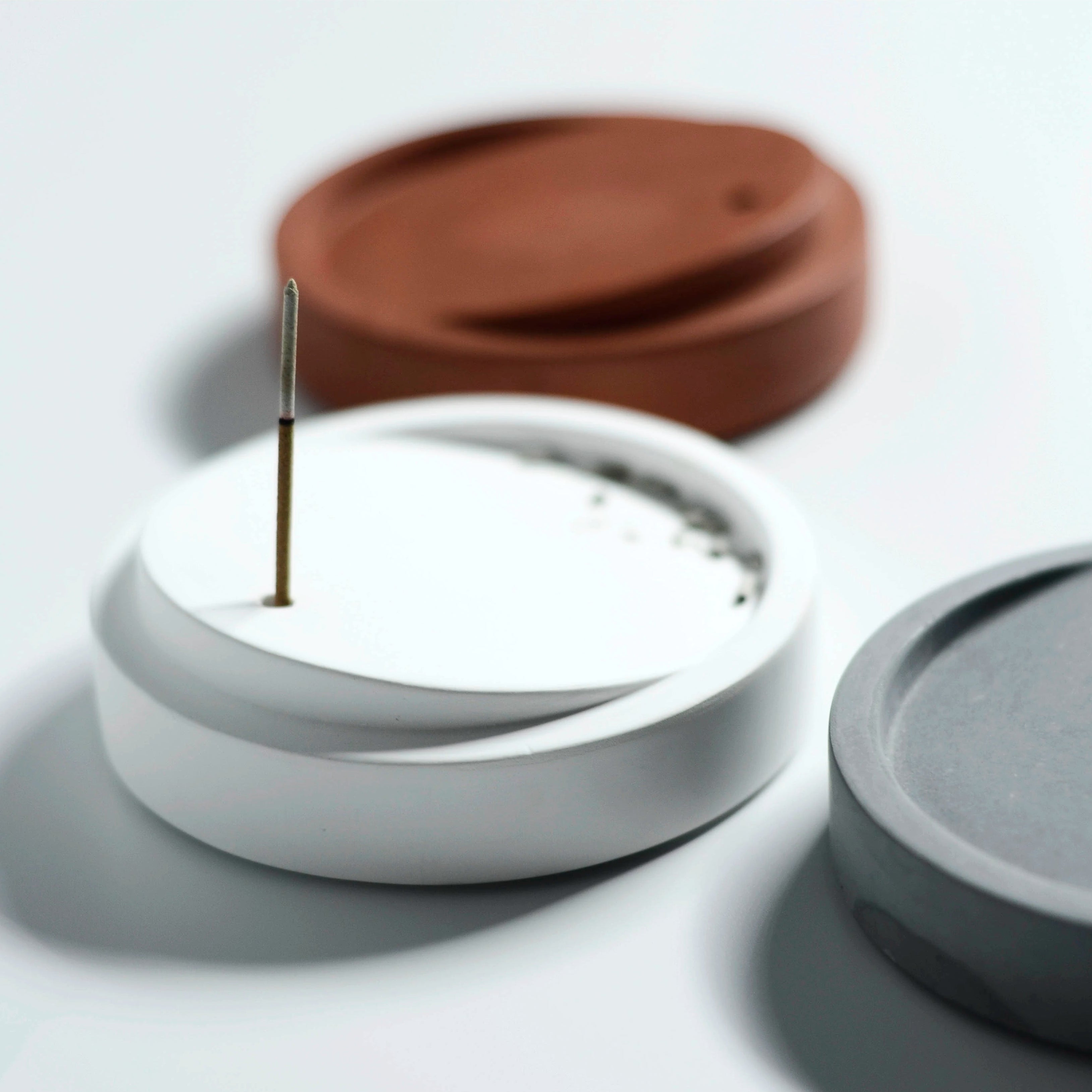
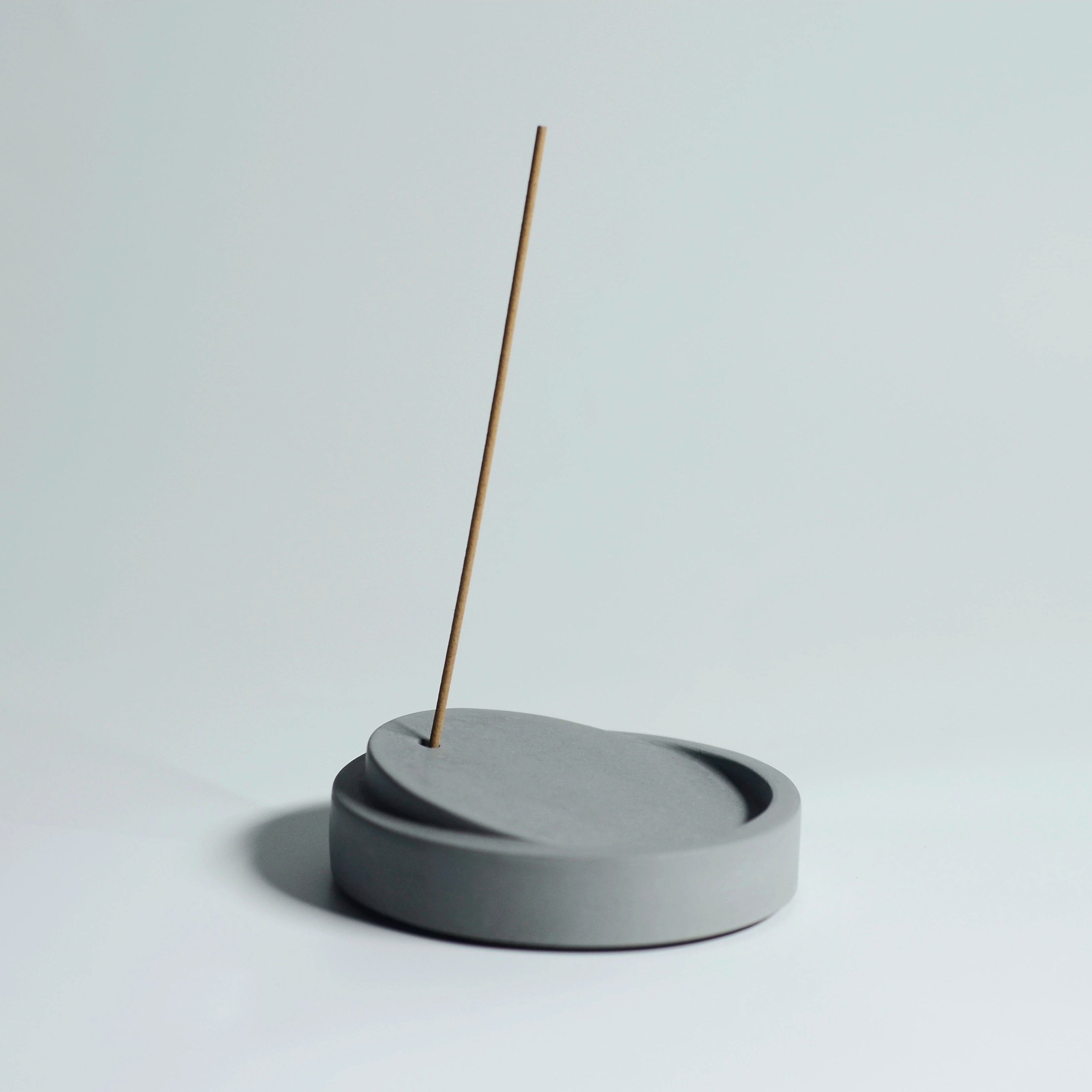
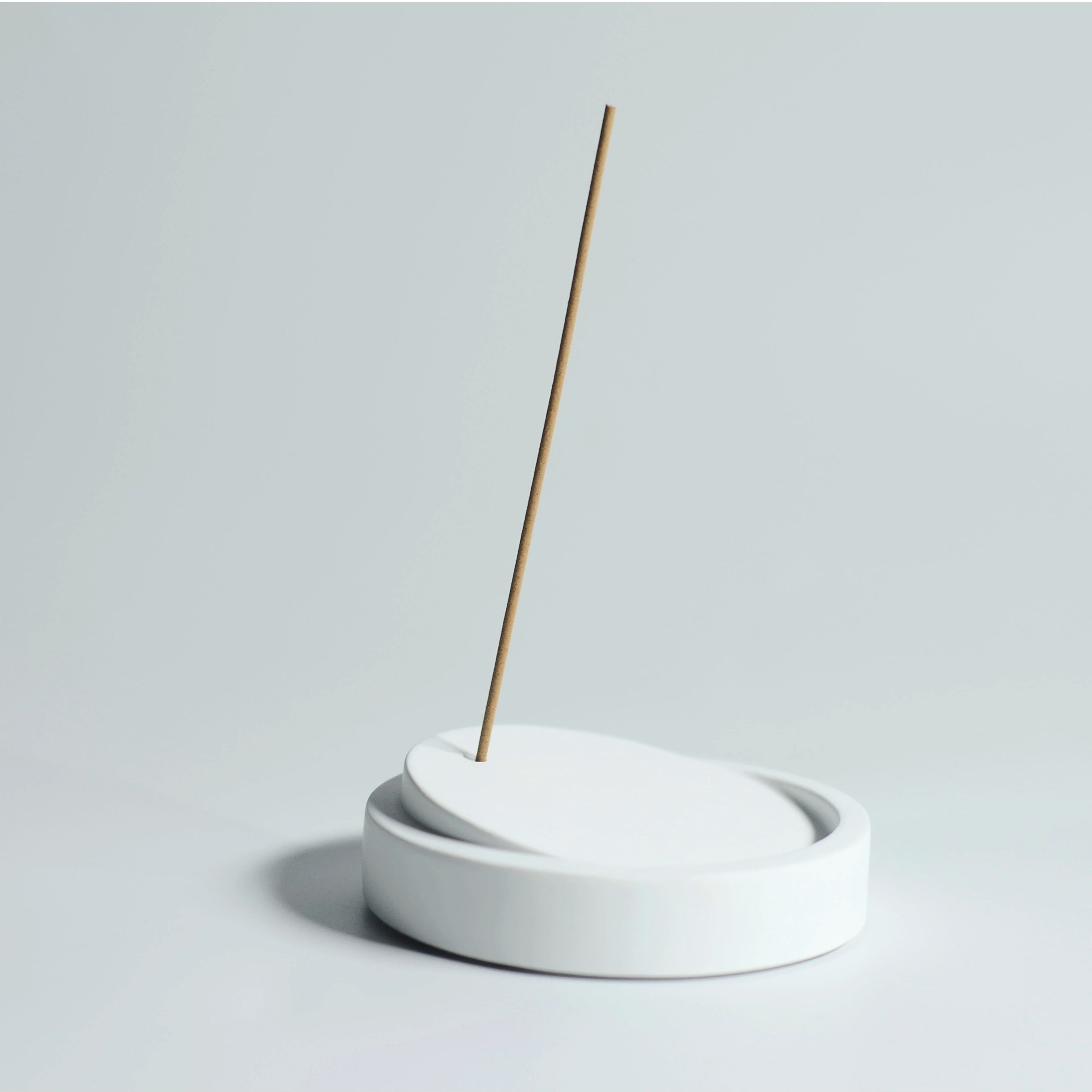
A deep bowl or wide dish that holds the stick at an angle or vertically. Excellent for both sticks and cones. Larger capacity means less frequent emptying.
Sculptural / Art Pieces
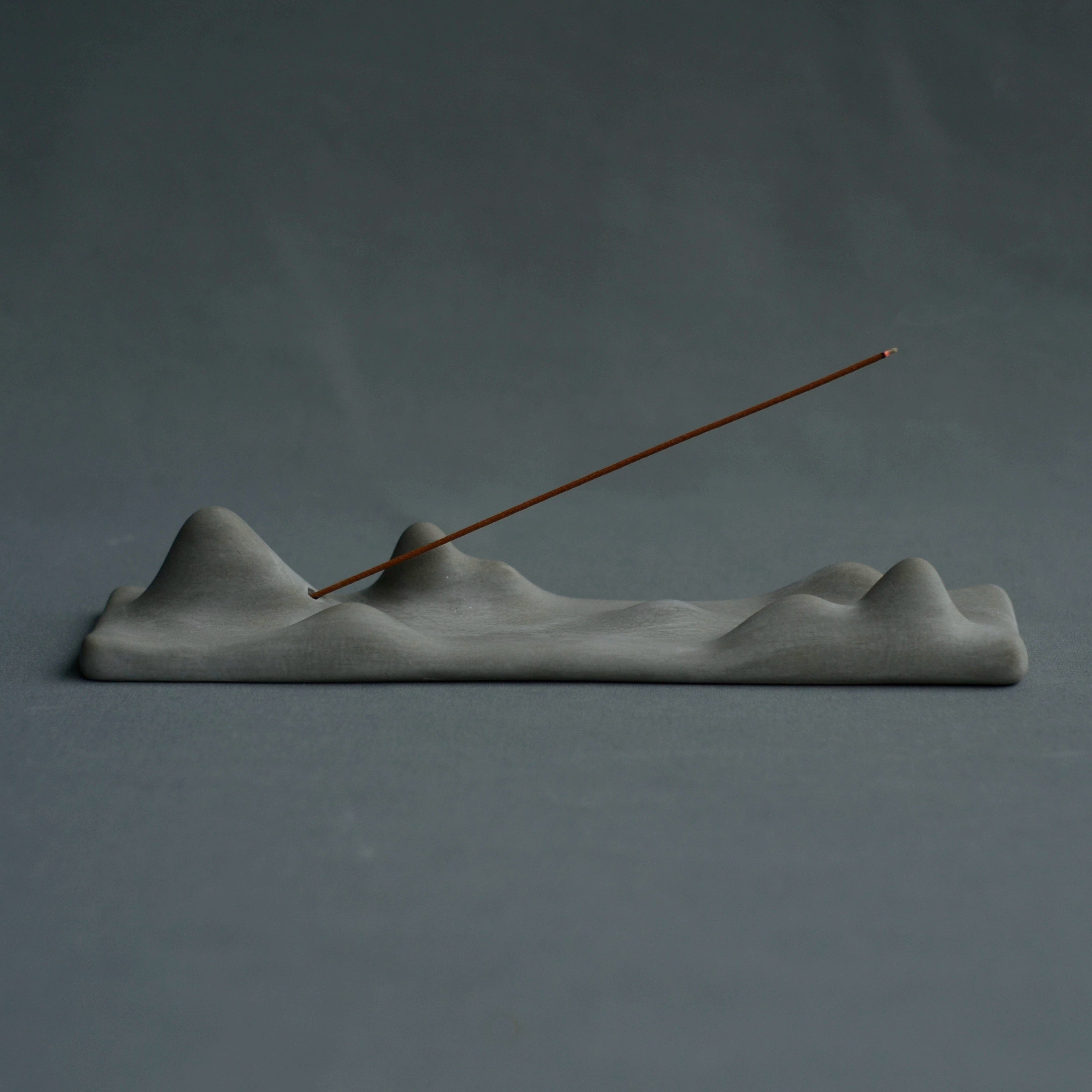
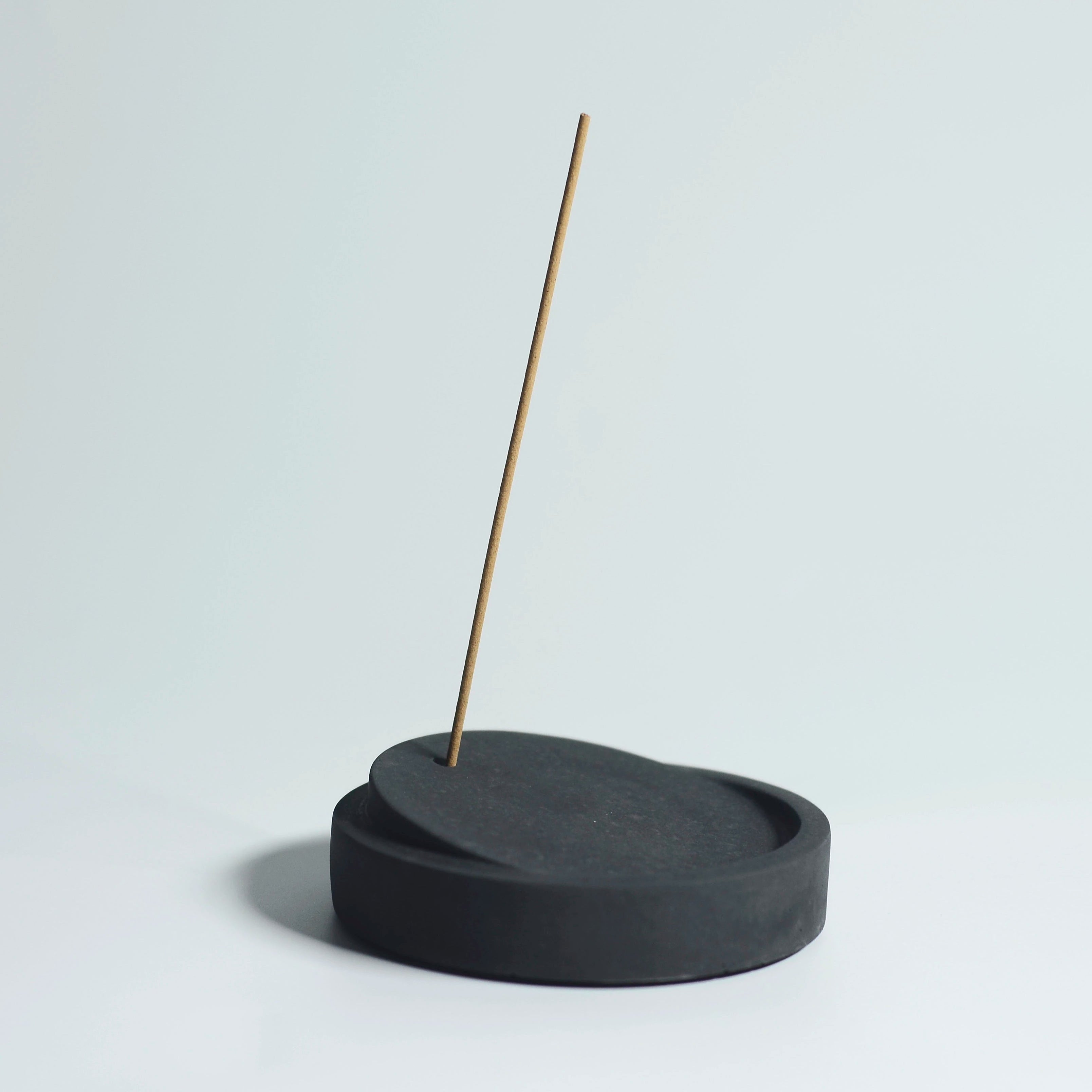
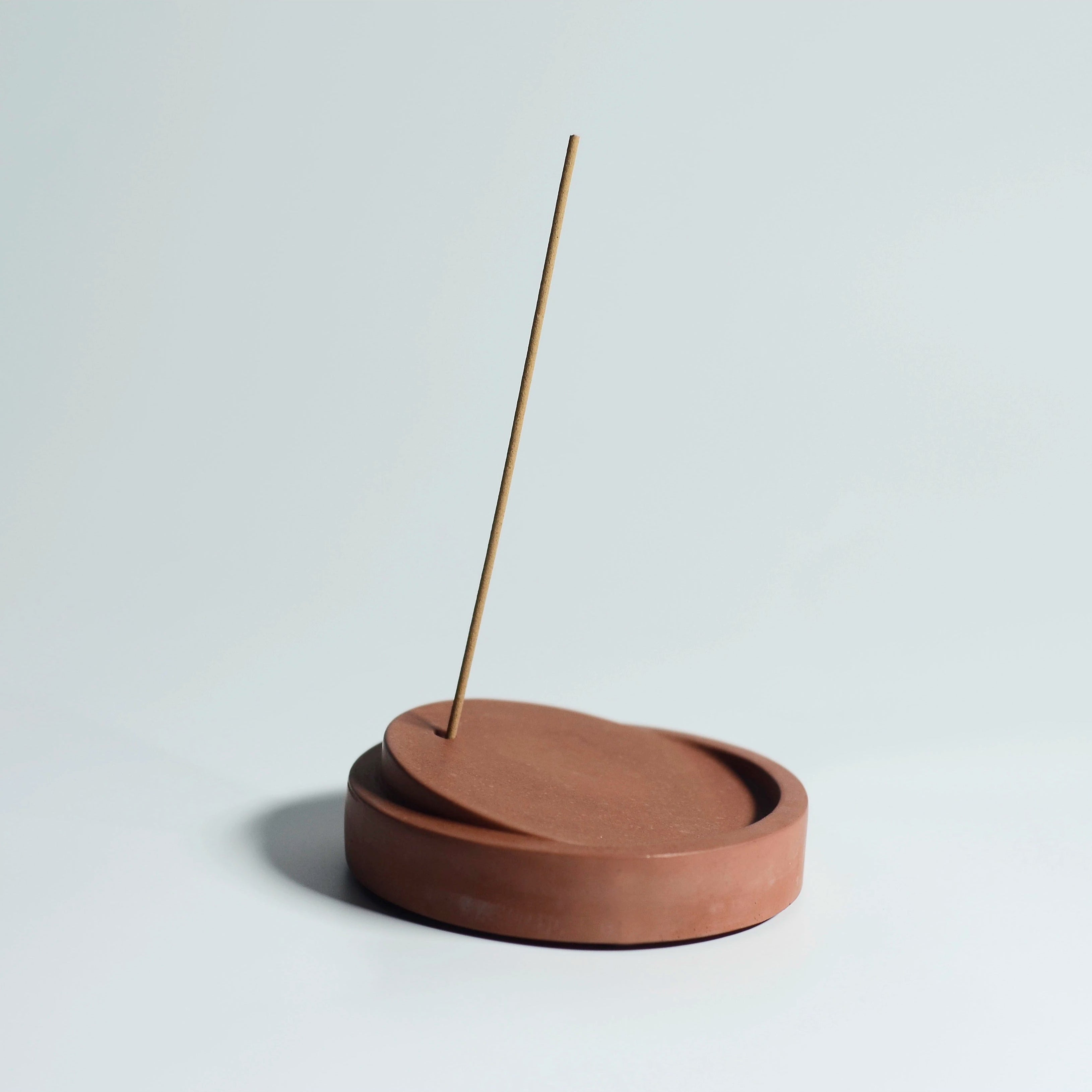
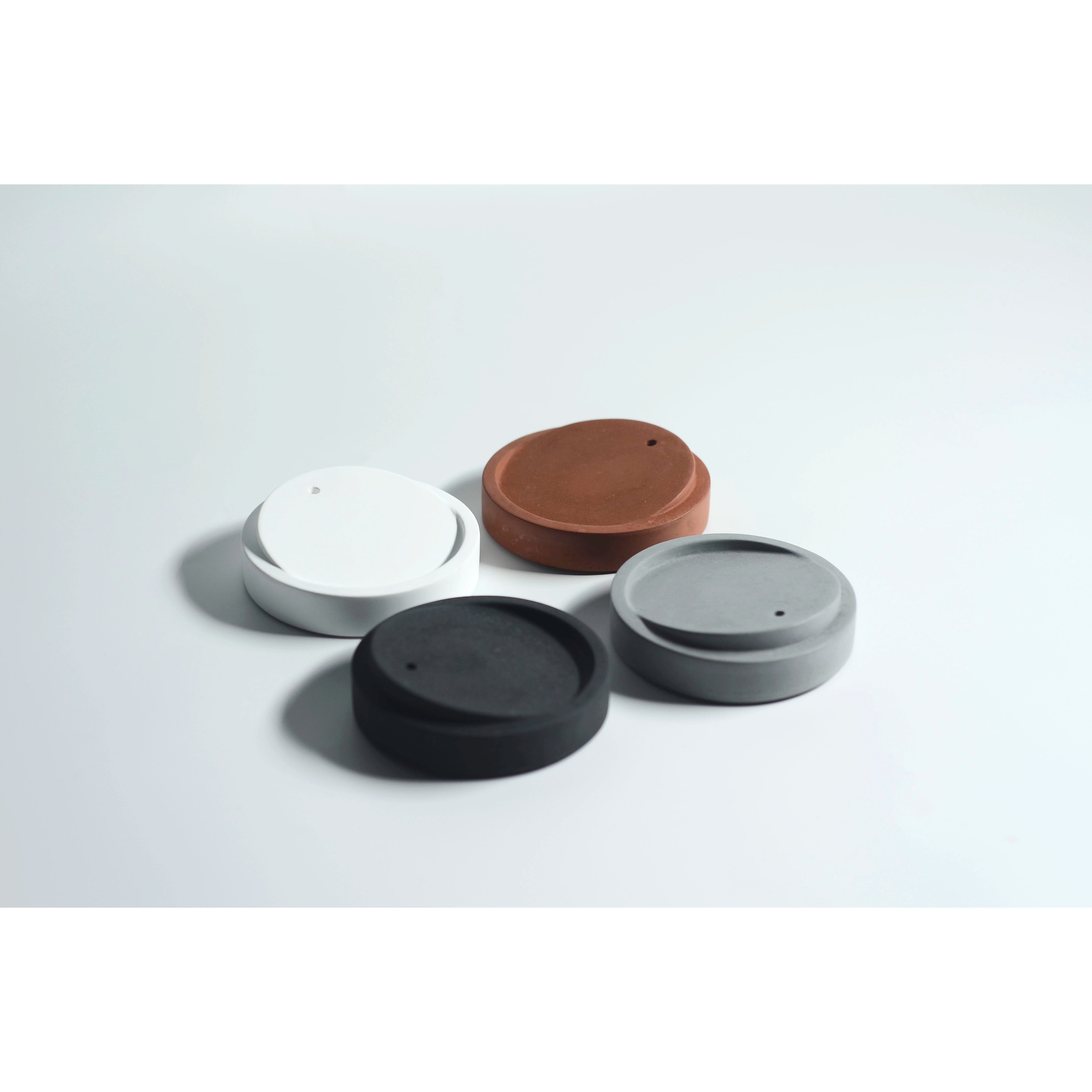
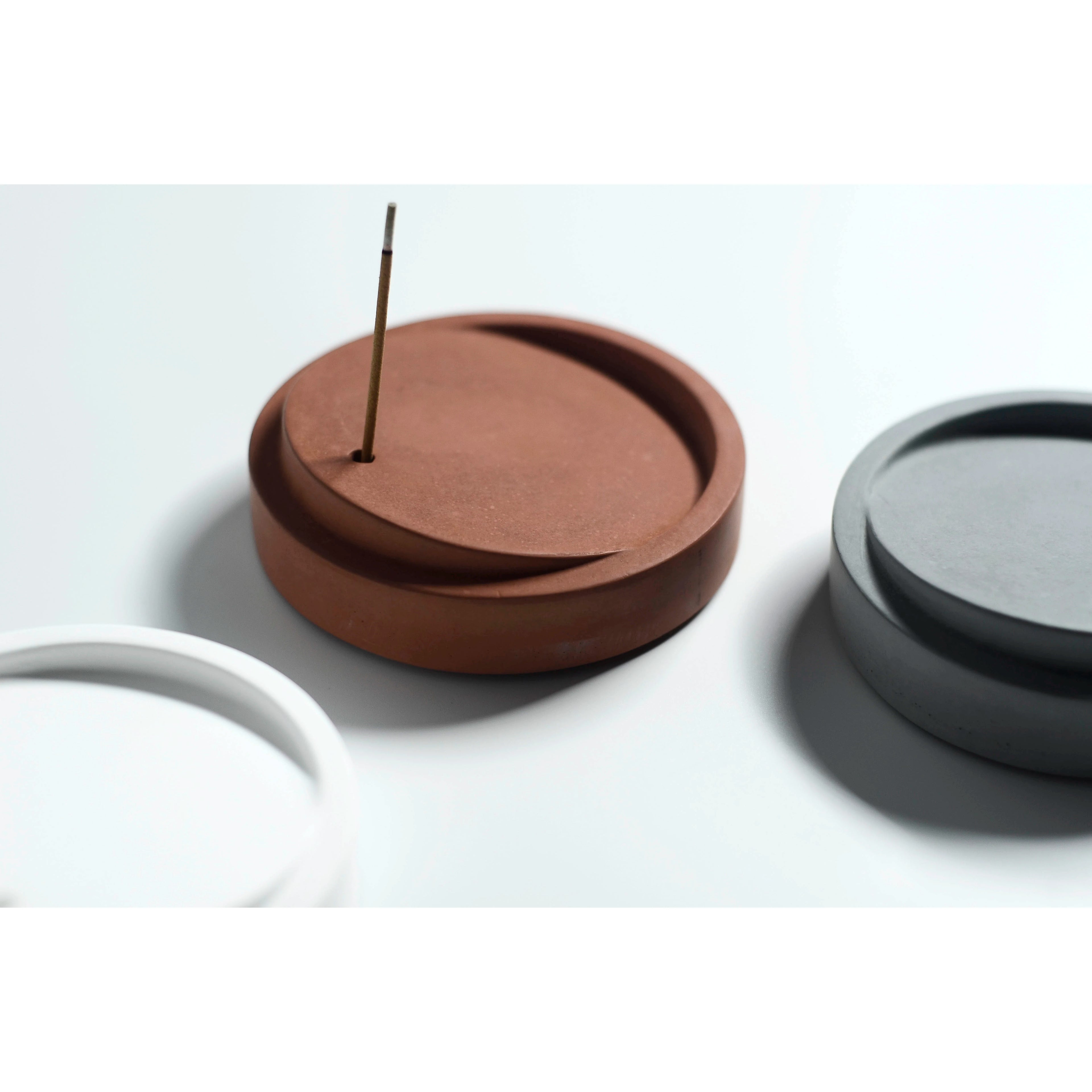
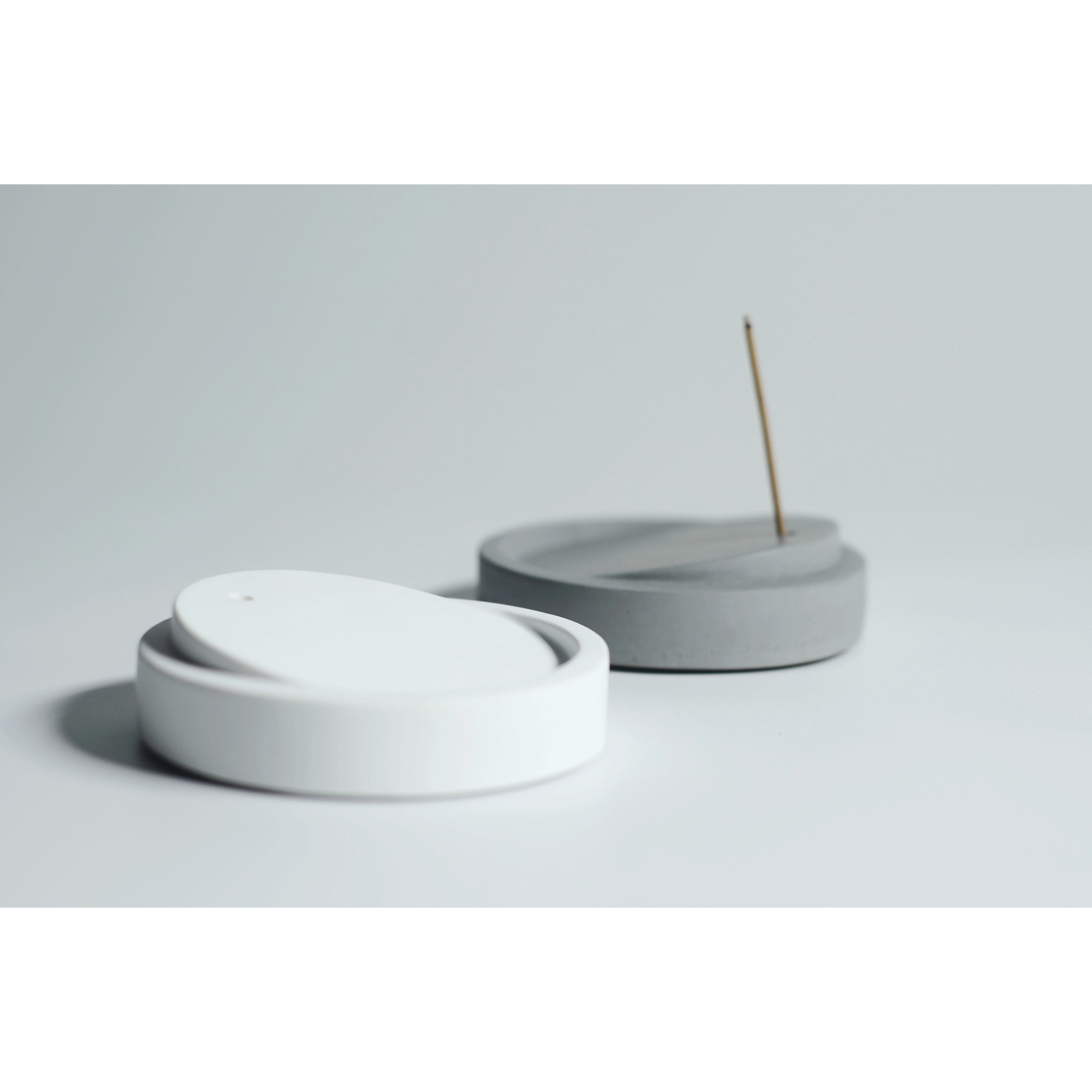
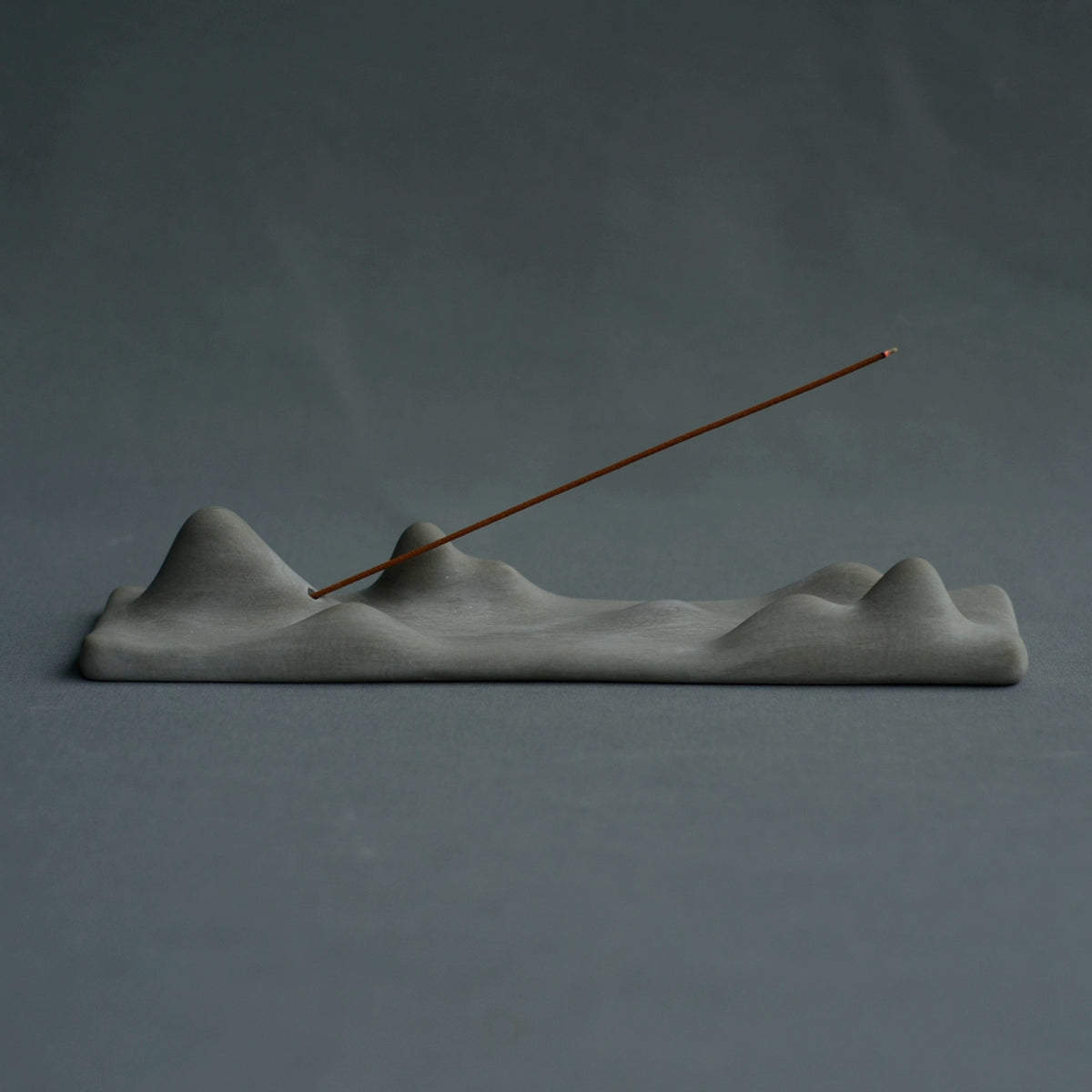
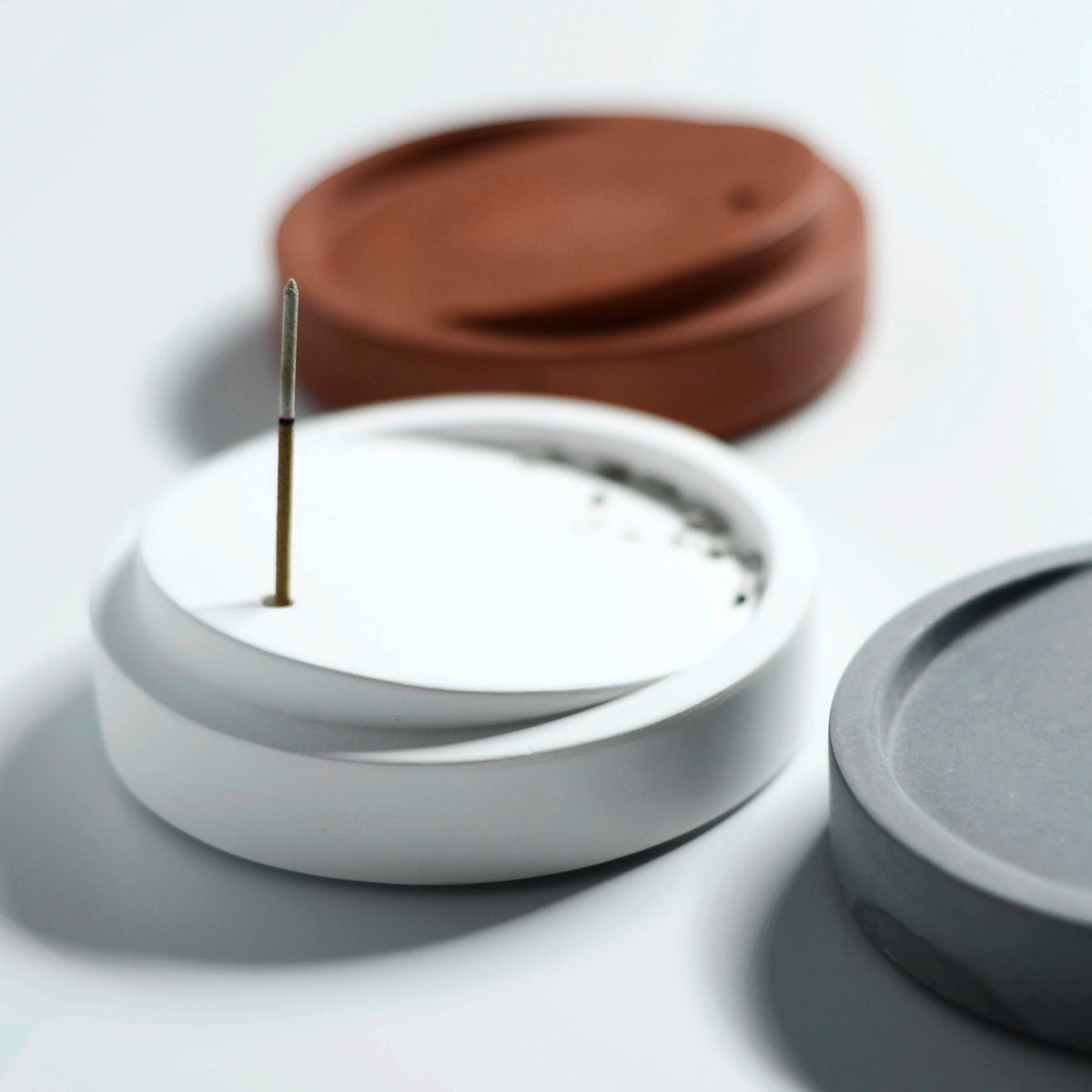
Designed for visual impact, mountain silhouettes, abstract organic forms, traditional temple shapes. These holders double as art. Our ASPDIN Zen Mountain Range ($49) and Aura Resin Elegance ($49) both fit this category.
Backflow Burners
Specialized holders for backflow cones that produce cascading smoke. Great for display. Require specific backflow cones (sold separately). Not ideal for meditation or daily use due to residue buildup.
How to Choose: A 5-Step Decision Framework
- What type of incense do you burn most? Sticks need a groove or cradle. Cones need a flat or bowl surface. Backflow requires a specialized holder. If you use multiple types, choose a bowl or platform design.
- Where will it live? A bedside holder should be compact. A meditation holder should be visually meaningful. A desk holder should blend into your workspace.
- What's your material preference? Ceramic for all-around excellence. Brass for tradition and heat tolerance. Soapstone for safety. Wood for warmth (with proper design). Resin for modern sculpture.
- Do you value artisan craftsmanship? Hand-thrown ceramic carries the maker's fingerprints, each piece is unique. Our curated picks from Momo's Life ($39), ASPDIN ($49), and Muso ($38) represent this category.
- What's your budget? Under $15 = functional but basic. $15-$30 = quality multi-material. $30-$60 = artisan handcrafted. Above $60 = collector territory.
Our Top Picks for 2026
Best Overall: Momo's Life Artisan Ceramic Incense Holder, $39
Hand-thrown ceramic with signature flowing glaze patterns. Each piece is unique. Deep ash-catching dish and weighted base for stability. The best balance of craftsmanship, function, and price in our collection.
Best for Meditation: ASPDIN Zen Mountain Range, $49
A sculptural ceramic holder featuring a mountain silhouette with a wide ash channel. The mountain peak doubles as an ash catcher, creating a contemplative focal point during meditation sessions. Includes the ZenSpin Slide model for a dynamic experience.
Best Modern Design: Aura Resin Elegance, $49
Irregular organic resin forms with translucent qualities. A sculptural statement piece that looks stunning on minimalist shelves. Lightweight yet stable. Non-porous surface wipes clean in seconds.
Best Value: Muso Modern Artistry Holder, $38
Blending modern minimalism with traditional ceramic techniques. Clean lines, conch-inspired design, and a nine-hole burner for versatility. Premium quality at an accessible price point.
Safety: Essential Guidelines for Burning Incense
- Never leave burning incense unattended. Always stay in the same room. If you must leave, extinguish it.
- Place on a heat-resistant surface. Add a ceramic or stone pad underneath for extra protection.
- Keep 12+ inches from flammable materials. Curtains, papers, bedding, and clothing are fire risks.
- Keep away from children and pets. The ember reaches 400-600°C, hot enough to cause burns.
- Ensure ventilation. Always burn in a well-ventilated room. Open a window if possible.
- Extinguish properly. Press the glowing tip against ceramic, stone, or metal until the ember dies. Never use water on a hot holder.
Care and Maintenance
- Ceramic: Empty ash after use. Wipe with a dry or damp cloth. Hand wash only, never dishwasher. Avoid soaking unglazed ceramic.
- Brass: Wipe with a soft cloth. Embrace the natural patina or polish to keep bright.
- Soapstone: Wipe dry. Optionally rub with mineral oil occasionally to enhance color.
- Wood: Wipe with a dry cloth only. Never soak. Keep away from moisture.
- Resin: Wipe with a damp cloth. Non-porous and stain-resistant. Avoid abrasive cleaners.
Frequently Asked Questions
What is the safest material for an incense holder?
Can I use any dish or plate as an incense holder?
How much should I spend on an incense holder?
Can one holder work for sticks, cones, and backflow?
How do I clean an incense holder?
Shop the MUSO Collection
At MUSO Collection, we curate incense holders from independent artisan makers who prioritize craftsmanship, natural materials, and thoughtful design:
- Ceramic Incense Holders, Handcrafted from Momo's Life, ASPDIN, and Muso
- Resin Incense Holders, Modern sculptural designs from Aura
- All Incense Holders, Our complete collection
- Natural Incense Sticks, Premium artisan incense