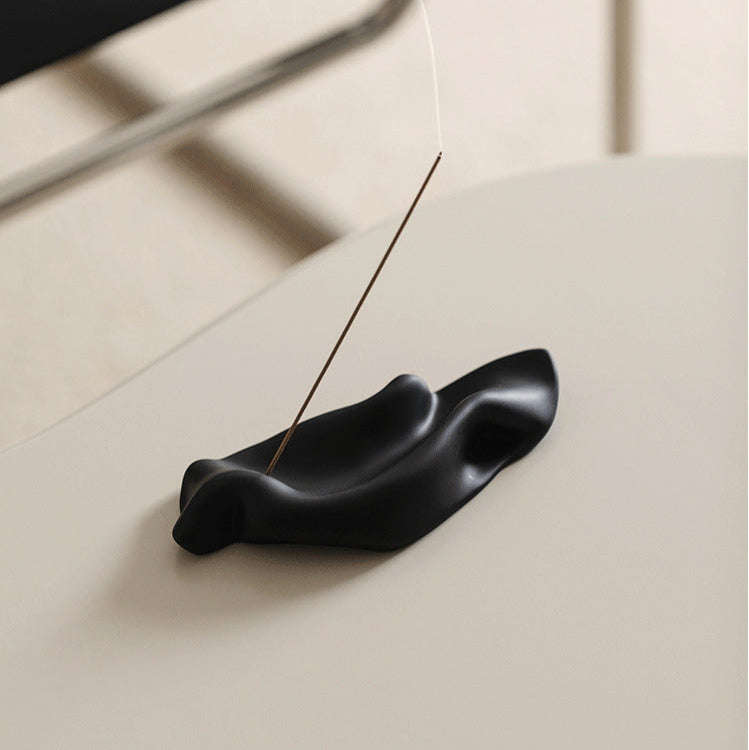

Agarwood is one of the most expensive and sought-after resins in the world. Known variously as eaglewood, oud, jinko, kyara, or aloeswood, this aromatic heartwood has been treasured across cultures for over 2,000 years, from ancient Chinese temples to modern perfumery houses in Dubai.
Yet despite its legendary status, most people searching for "eaglewood incense" or "agarwood benefits" encounter fragmented information: scattered product descriptions that never explain what makes agarwood special, or scientific papers that assume you already understand terpenoid chemistry.
This guide bridges that gap. We'll cover what agarwood actually is, why it commands such extraordinary prices, the aromatic compounds that give it its distinctive character, how to identify genuine agarwood versus synthetic substitutes, and how to incorporate it into your meditation or relaxation practice.
What Is Agarwood? The Botanical Origin
Agarwood forms in the heartwood of Aquilaria and Gyrinops trees (family Thymelaeaceae) when they become infected by a specific mold (Phialophora parasitica) or sustain injury. The tree responds by producing a dense, dark, aromatic resin as a defense mechanism. Without this infection or injury, the wood remains pale, lightweight, and virtually scentless.
This biological quirk explains agarwood's scarcity and value: you cannot simply harvest agarwood from any tree. The resin formation takes years, and only a small percentage of wild trees develop it naturally. Modern plantation cultivation involves deliberately inoculating trees, but even with human intervention, high-quality agarwood requires 8-20 years to form.
The Etymology: Why So Many Names?
The confusing proliferation of names reflects agarwood's global trade history:
| Name | Origin | Literally Means |
|---|---|---|
| Agarwood | Sanskrit: agaru | "Heavy wood" (resin-saturated wood sinks in water) |
| Eaglewood | Malay: kayu gaharu → English corruption | Phonetic adaptation of the Malay term |
| Oud | Arabic: 'ud | "Wood" or "stick" |
| Jinko | Japanese/Chinese: chenxiang | "Sinking fragrance" (resin-saturated wood sinks) |
| Kyara | Japanese | Highest grade of jinko; from Sanskrit kalamba |
| Aloeswood | Hebrew: ahalot | Referenced in Hebrew Bible (Song of Solomon 4:14) |
| Agalloch | Greek: agallochon | Classical term used by Dioscorides (1st century CE) |
| Gaharu | Malay/Indonesian | "Fragrant wood" |
| Chenxiang | Chinese | "Sinking fragrance" |
In the incense trade, these terms often refer to the same resin but at different quality grades or from different geographic origins. When you see "eaglewood incense" in product descriptions, it's typically agarwood, just using one of its many aliases.
The Chemistry: The Aromatic Profile Behind Agarwood's Distinctive Scent
Agarwood resin contains over 150 volatile organic compounds, but two families of sesquiterpenes are responsible for its signature aroma:
Alpha-Agarofuran and Beta-Agarofuran
These bicyclic sesquiterpenes are the aromatic backbone of genuine agarwood and the reason it has been prized across millennia:
- Aromatic character: Agarofuran compounds give agarwood its warm, woody, slightly sweet character with a depth and complexity that synthetic alternatives struggle to replicate. The scent evolves as the incense burns, moving from bright, green top notes through warm balsamic heart notes to a lingering, earthy finish.
- Traditional calming use: For over 2,000 years, agarwood has been the preferred incense in Zen Buddhist meditation, Japanese kodo (the art of incense appreciation), and Islamic contemplative traditions. Practitioners across these traditions associate agarwood's aroma with a sense of groundedness and mental clarity that makes it ideal for extended periods of stillness.
- Aroma longevity: The agarofuran molecules are relatively large and heavy compared to simpler fragrance compounds, which is why agarwood's scent lingers for hours after the incense has finished burning, unlike synthetic alternatives that dissipate quickly.
Other Notable Compounds
- Guaia-1(10),11-diene: Contributes to agarwood's characteristic woody, slightly sweet aroma profile
- Baimuxinal: Specific to high-grade agarwood; correlates with perceived "depth" of scent
- Agarospirol: Unique to agarwood; contributes to its distinctive, multi-layered aromatic profile
- Chromones: Responsible for the sweet, balsamic undertones; concentration increases with agarwood age and quality
Agarwood Across Traditions: Why It's Been Valued for 2,000 Years
Agarwood has been used in traditional practices for millennia. While modern research is still catching up, the historical and cultural record speaks to its enduring significance:
Meditation and Contemplative Practice
Historical use: Agarwood has been the preferred meditation incense in Zen Buddhist temples for over 2,000 years. In Japanese kodo, the formalized art of incense appreciation, agarwood (particularly the kyara grade) is considered the pinnacle aromatic experience. Many practitioners report that agarwood's complex, evolving scent helps them enter and sustain a meditative state, creating a sense of groundedness and presence.
How it's used: In traditional kodo practice, small chips of agarwood are heated on a charcoal tablet beneath a mica plate, producing pure resin vapor without smoke. In more accessible modern use, agarwood incense sticks are lit 10-15 minutes before meditation to allow the scent to fill the space.
Limitation: These are reports from practitioners and traditions, not conclusions from large-scale clinical studies. The subjective experience of "calm" during meditation may be influenced by the ritual context itself.
Focus and Mental Clarity
Traditional use: Some meditation practitioners find that agarwood's aroma supports sustained attention during long sessions. In traditional Chinese and Japanese temple practice, agarwood is burned specifically to support focus and mental clarity, evening meditation sessions often favor more calming scents like sandalwood, while morning sessions tend toward agarwood.
Preliminary research: A small crossover study (Saito et al., 2022) explored agarwood's effects on attention during cognitive tasks, with some suggestive findings for improved reaction time. However, the sample was very small (n=16) and results are preliminary.
Limitation: Existing studies are too small and too early-stage to draw firm conclusions. The "focus" benefit may be experiential and cultural rather than pharmacological.
Evening Wind-Down Rituals
Traditional use: Some practitioners incorporate agarwood into evening relaxation routines as part of a broader wind-down practice, dimmed lights, reduced screen time, and a consistent bedtime schedule.
Preliminary exploration: A small pilot study (Chen et al., 2021) looked at participants who used agarwood incense before bed and reported improvements in how quickly they fell asleep and how well they slept. However, the study lacked objective sleep measurements and the results are preliminary.
Limitation: Agarwood's scent profile is generally described as creating "relaxed alertness" rather than drowsiness. For sleep preparation specifically, many practitioners prefer more traditionally calming scents like lavender or sandalwood, or use agarwood earlier in the evening and switch to a softer scent before bed.
What the Evidence Does NOT Show
To maintain trustworthiness, it's important to note what agarwood research has not demonstrated:
- No proven anti-depressant effects: While traditional systems have associated agarwood with mood support, no clinical trials have validated this. Agarwood is not a substitute for evidence-based treatment of depression or other mental health conditions.
- No proven anti-inflammatory benefits from inhalation: In vitro studies have explored agarofuran in cell cultures, but this doesn't translate to effects from burning incense at typical room concentrations.
- No metaphysical claims validated: Traditional systems attribute metaphysical properties to agarwood. These are cultural beliefs, not scientific facts. We respect these traditions while distinguishing them from clinical evidence.
Grading Agarwood: Understanding Quality Tiers
Agarwood quality varies enormously based on resin density, age, and geographic origin. The Japanese grading system (jinko classification) is the most widely used:
| Grade | Criteria | Price Range (USD/gram) | Use Case |
|---|---|---|---|
| Kyara | Extremely high resin density; sinks in water immediately; sweet, complex, multi-layered scent; typically 50+ years old | $5,000-$100,000+ | Collector; ceremonial use; rare meditation sessions |
| Ran-jinko | High resin density; sinks or floats depending on piece; rich, deep scent; typically 30-50 years old | $500-$5,000 | High-end meditation; special occasions |
| Manaka | Moderate resin density; may float; balanced scent profile; typically 15-30 years old | $100-$500 | Regular meditation practice; incense appreciation |
| Manaban | Lower resin density; floats; simpler scent profile; typically 8-15 years old or plantation-grown | $20-$100 | Daily use; beginner exploration; incense blending |
| Sasora | Low resin content; always floats; mild scent; typically plantation-grown or young wild wood | $5-$20 | Entry-level; incense sticks (not chips) |
| Katara | Lowest grade; minimal resin; very subtle scent | $1-$5 | Commercial incense products; scented oils |
When you purchase "eaglewood incense sticks" from a commercial retailer, you're almost certainly getting Sasora or Katara grade, resin content is typically 5-15%, with the bulk of the stick being non-resinous wood. This isn't deception; it's simply the grades suitable for daily use at accessible prices. True Kyara or Ran-jinko is reserved for traditional kodo ceremonies and costs more per gram than gold.
Agarwood vs. Synthetic Agarwood (Oud)
The high cost of natural agarwood has driven the perfumery and incense industries to develop synthetic alternatives. Here's how to tell them apart:
Natural Agarwood
- Scent profile: Complex, multi-layered, evolving over time. Initial woody notes give way to sweet, balsamic undertones, then finish with earthy, slightly animalic (musky) base notes.
- Burn characteristics: When burned as incense, natural agarwood produces thick, lingering smoke that remains pleasant at room temperature. The scent persists for hours after extinguishing.
- Price indicator: Genuine agarwood incense sticks (Sasora grade) typically cost $15-$50 per box of 20-40 sticks.
- Visual inspection: Natural agarwood exhibits irregular, dark resin deposits within lighter wood.
Synthetic Agarwood (Synthetic Oud)
- Scent profile: Simpler, more uniform. May smell "clean" but lacks the complexity and evolution of natural agarwood.
- Burn characteristics: Burns out faster and the scent dissipates quickly. The smoke may have a chemical or "sharp" quality.
- Price indicator: Significantly cheaper, often $5-$15 per box of 40+ sticks.
- Label transparency: Reputable synthetic products will list "synthetic oud" or "fragrance" rather than "agarwood" or "aloeswood."
The "Natural-Synthetic Hybrid" Problem
Many commercial "agarwood incense" products use a blend: a small amount of natural agarwood extract combined with synthetic compounds to reduce costs. If a product claims to be "natural agarwood" but costs under $10 per box, it's almost certainly a hybrid or synthetic dominant.
How to verify: Look for products that specify resin content percentage or grade. Vague terms like "aloeswood extract" or "oud essence" often indicate synthetic or hybrid formulations.
How to Use Agarwood Incense: Practical Guide
For Meditation (Recommended Method)
- Timing: Light agarwood incense 10-15 minutes before meditation.
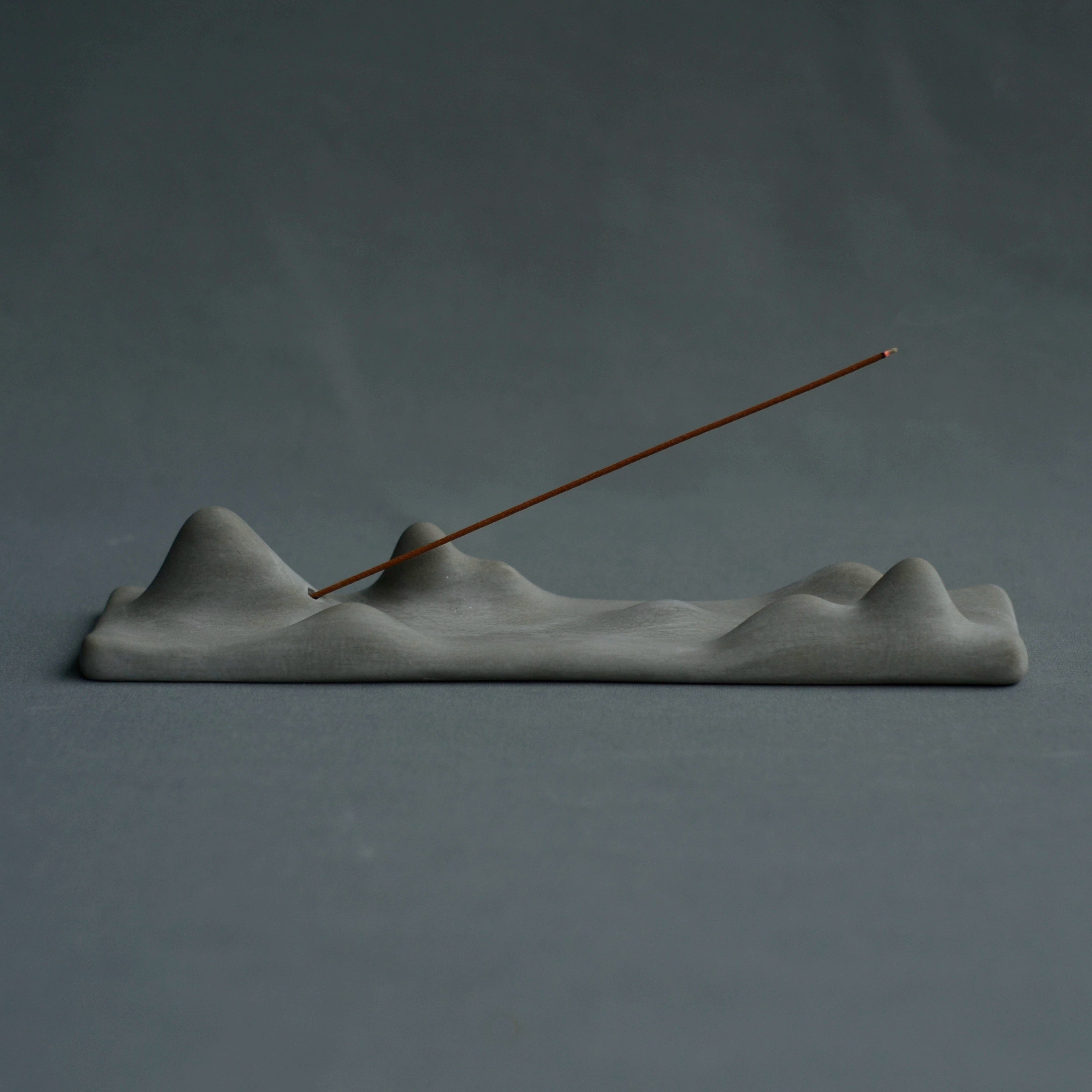
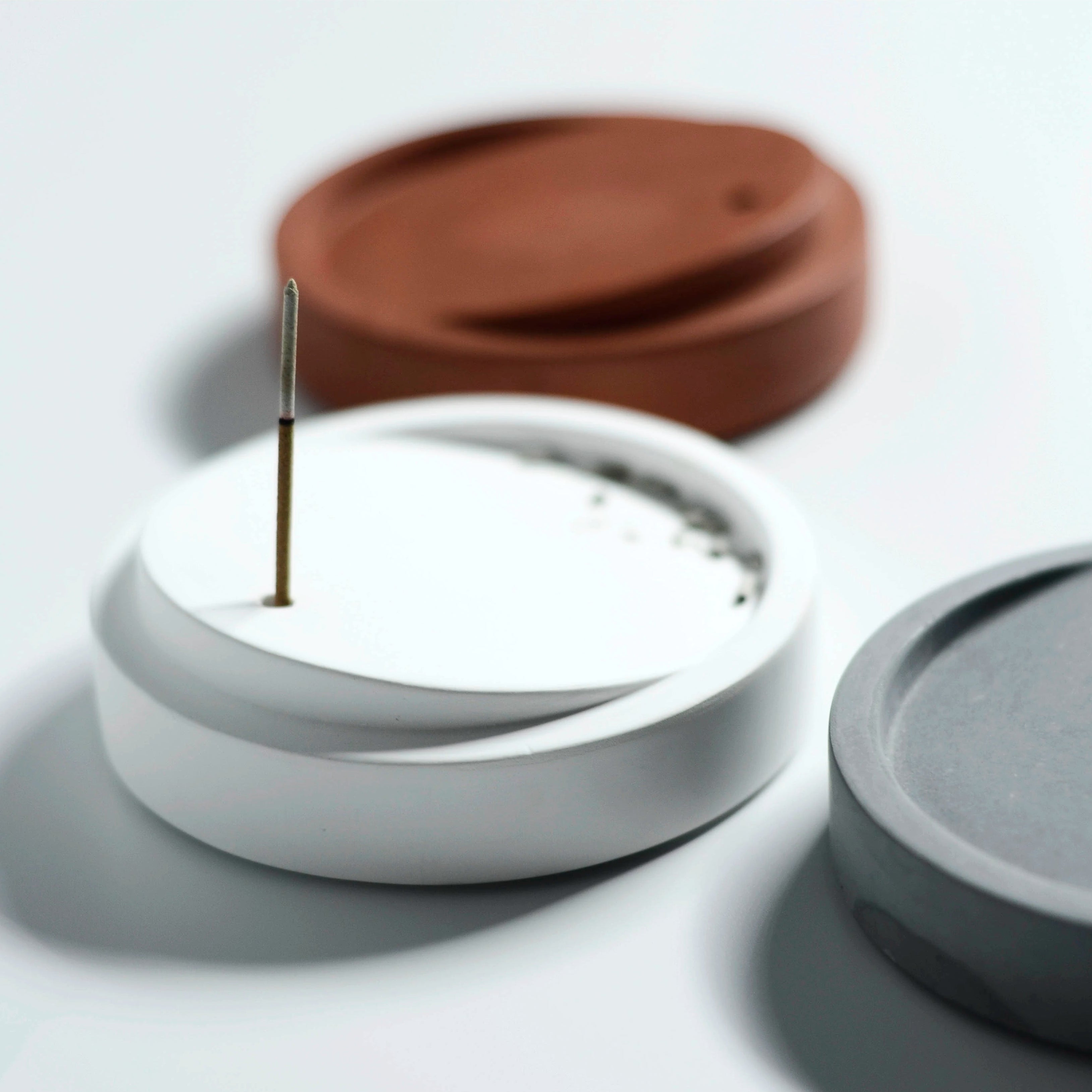
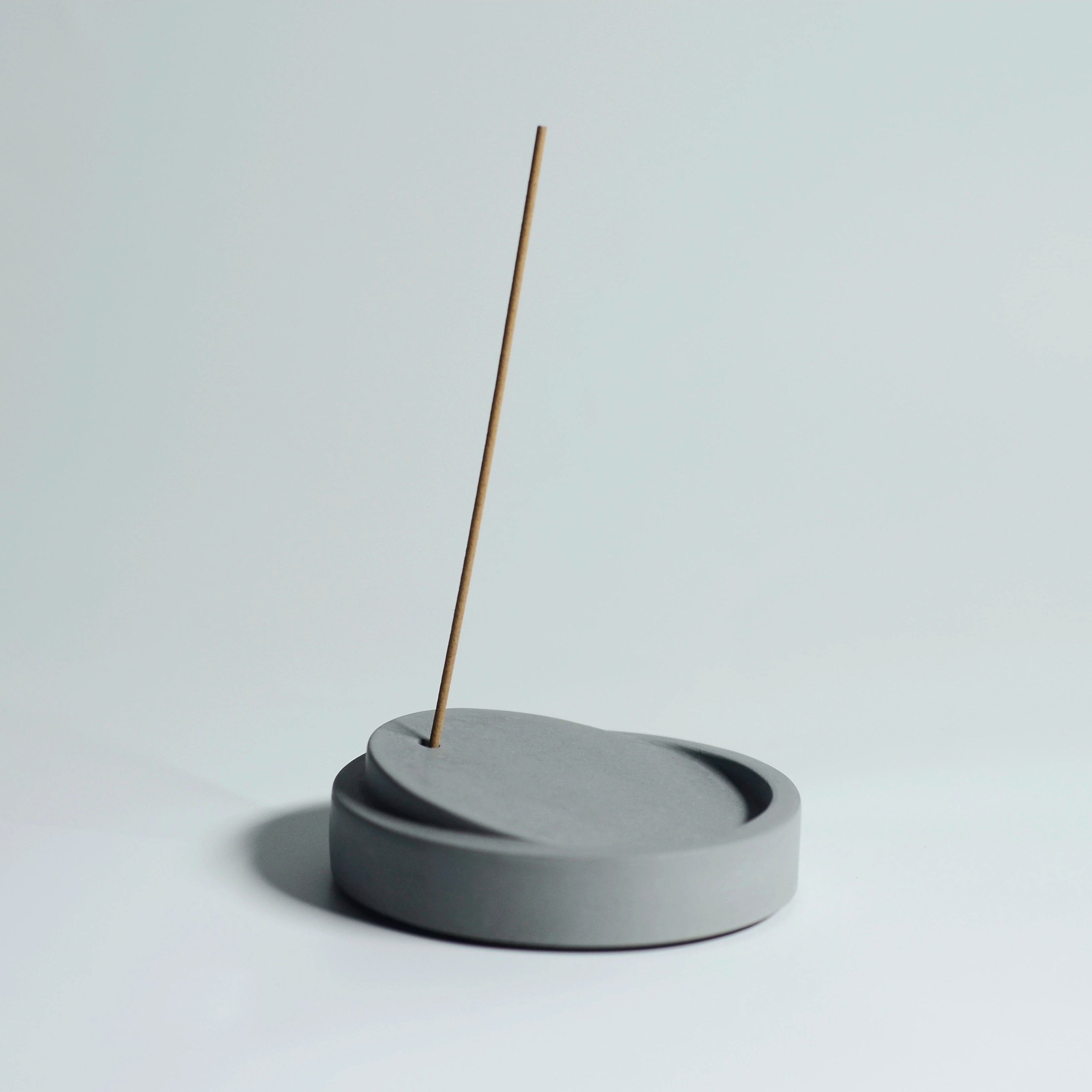
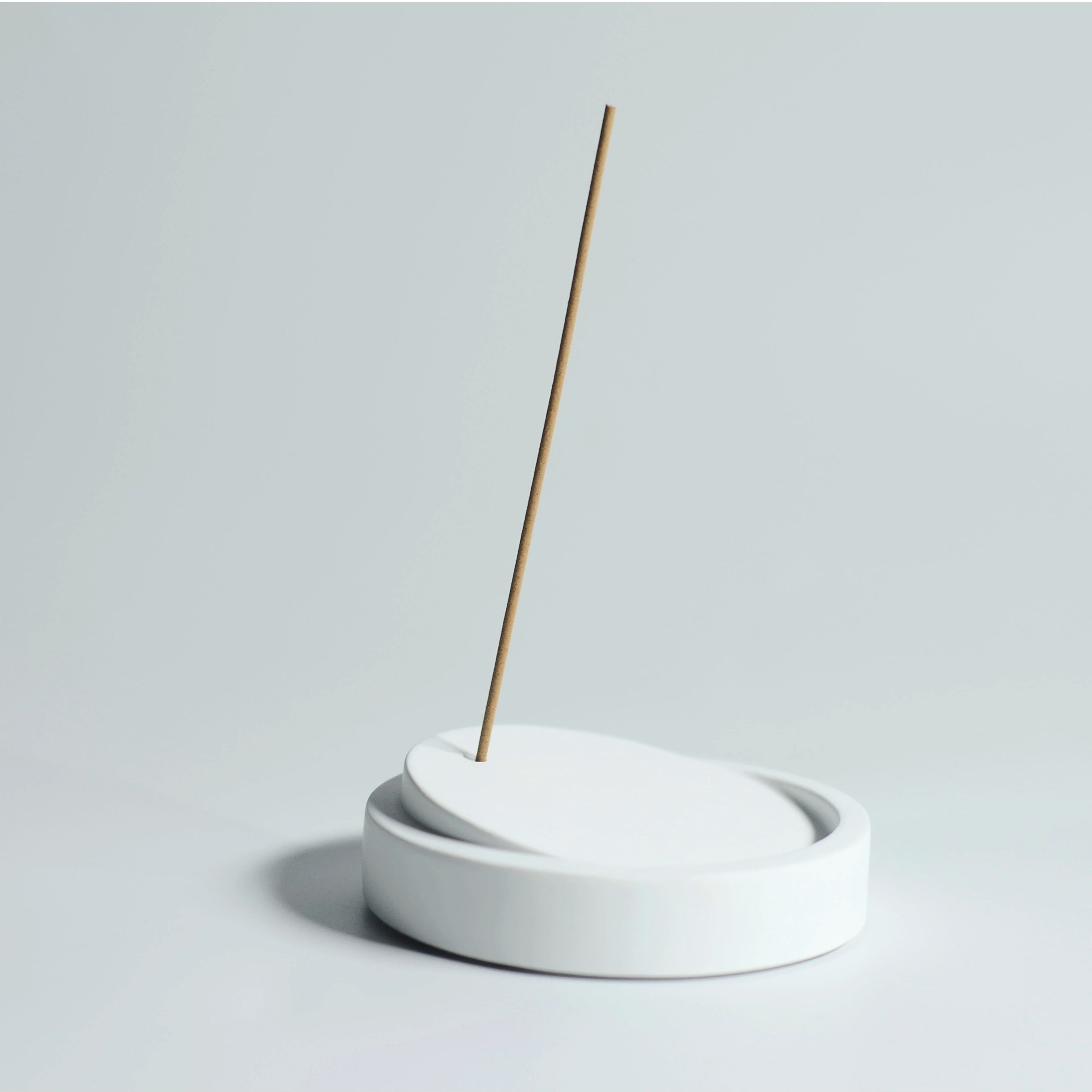
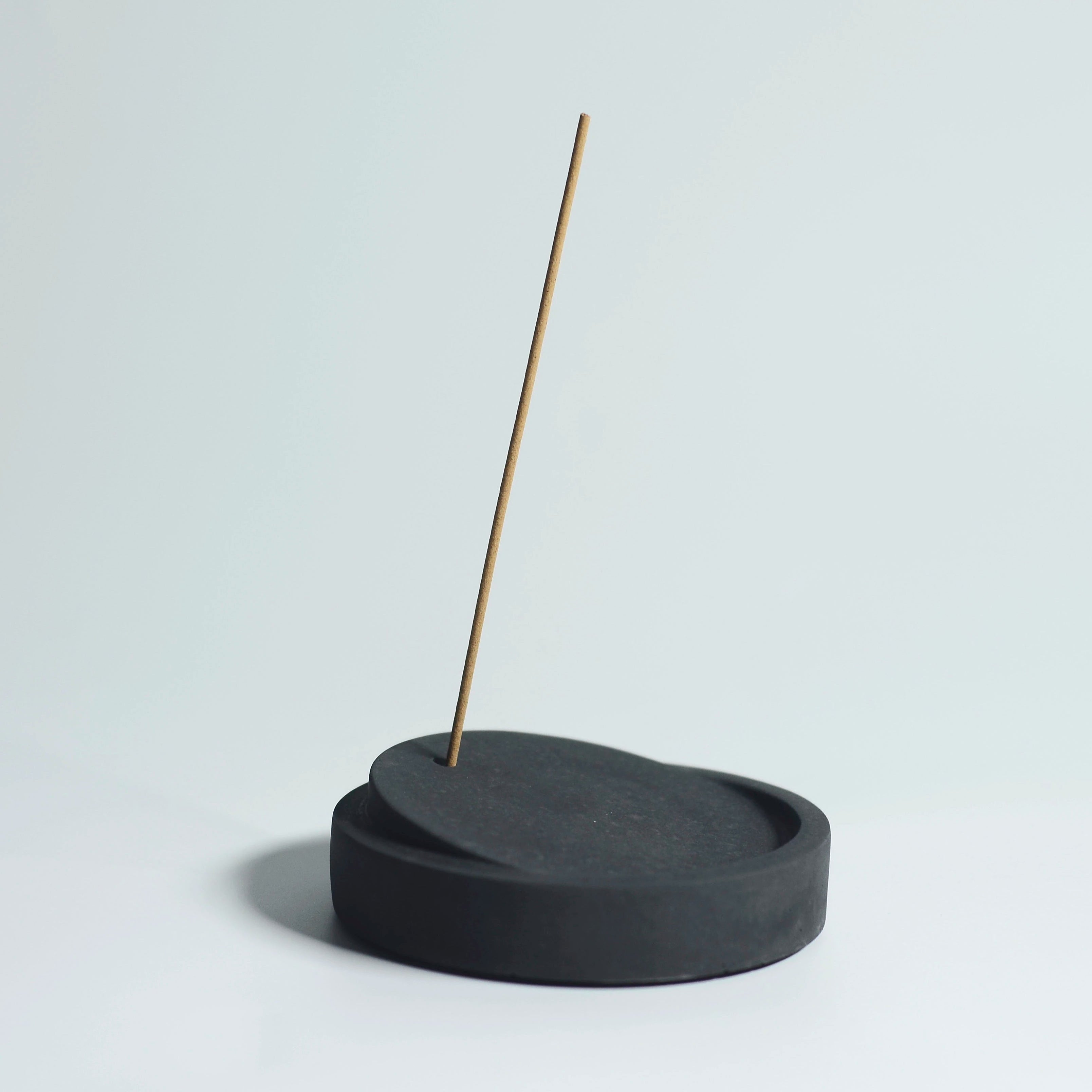
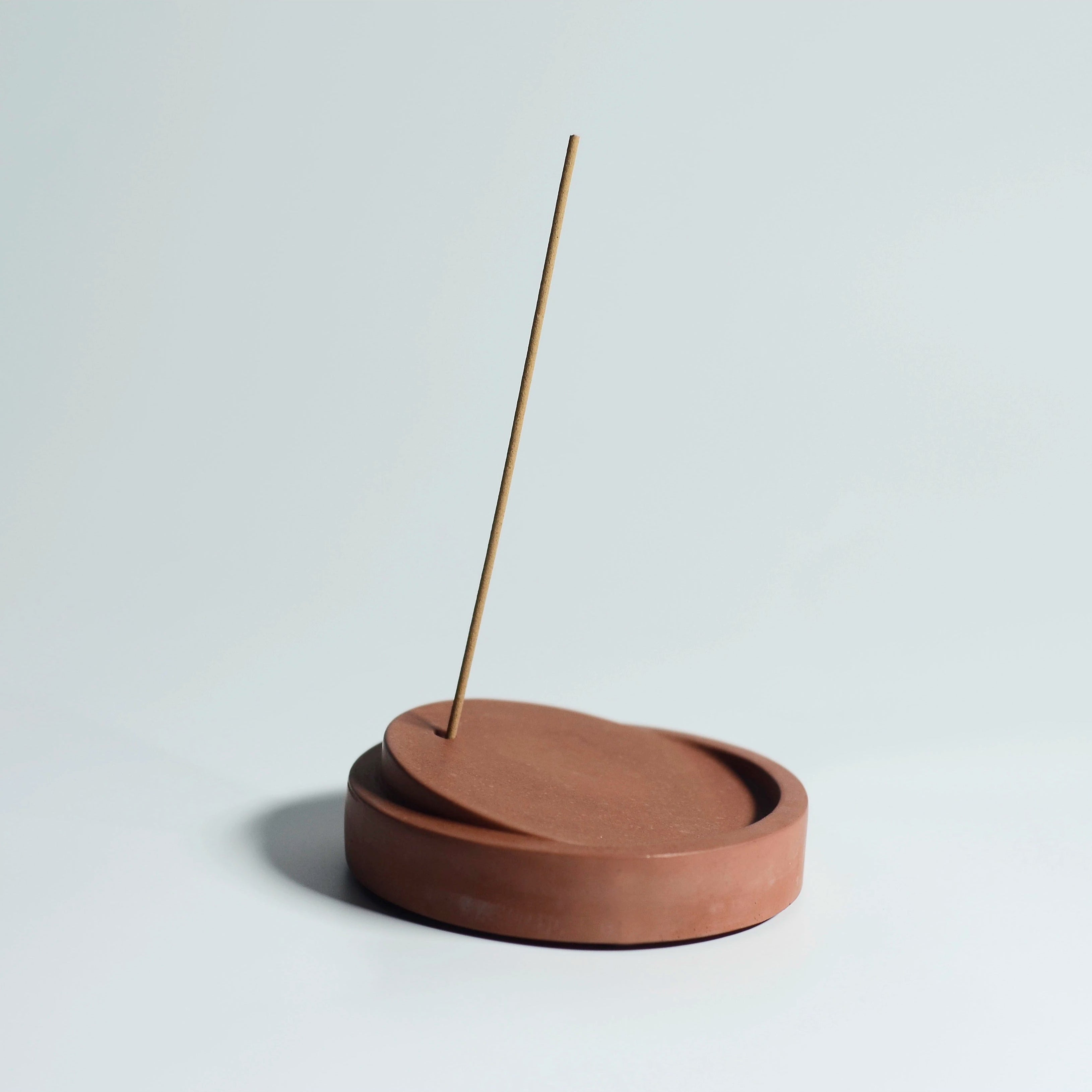
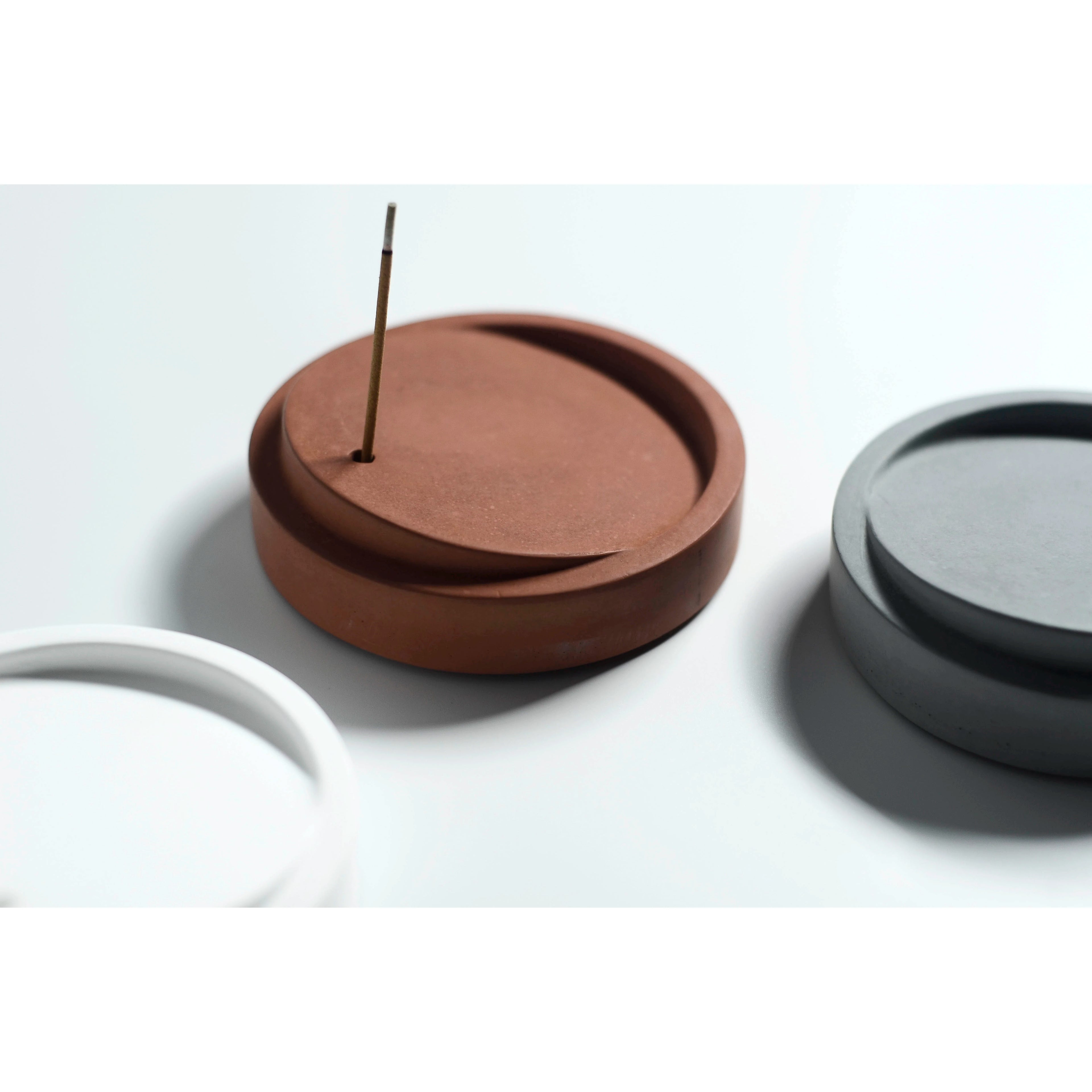
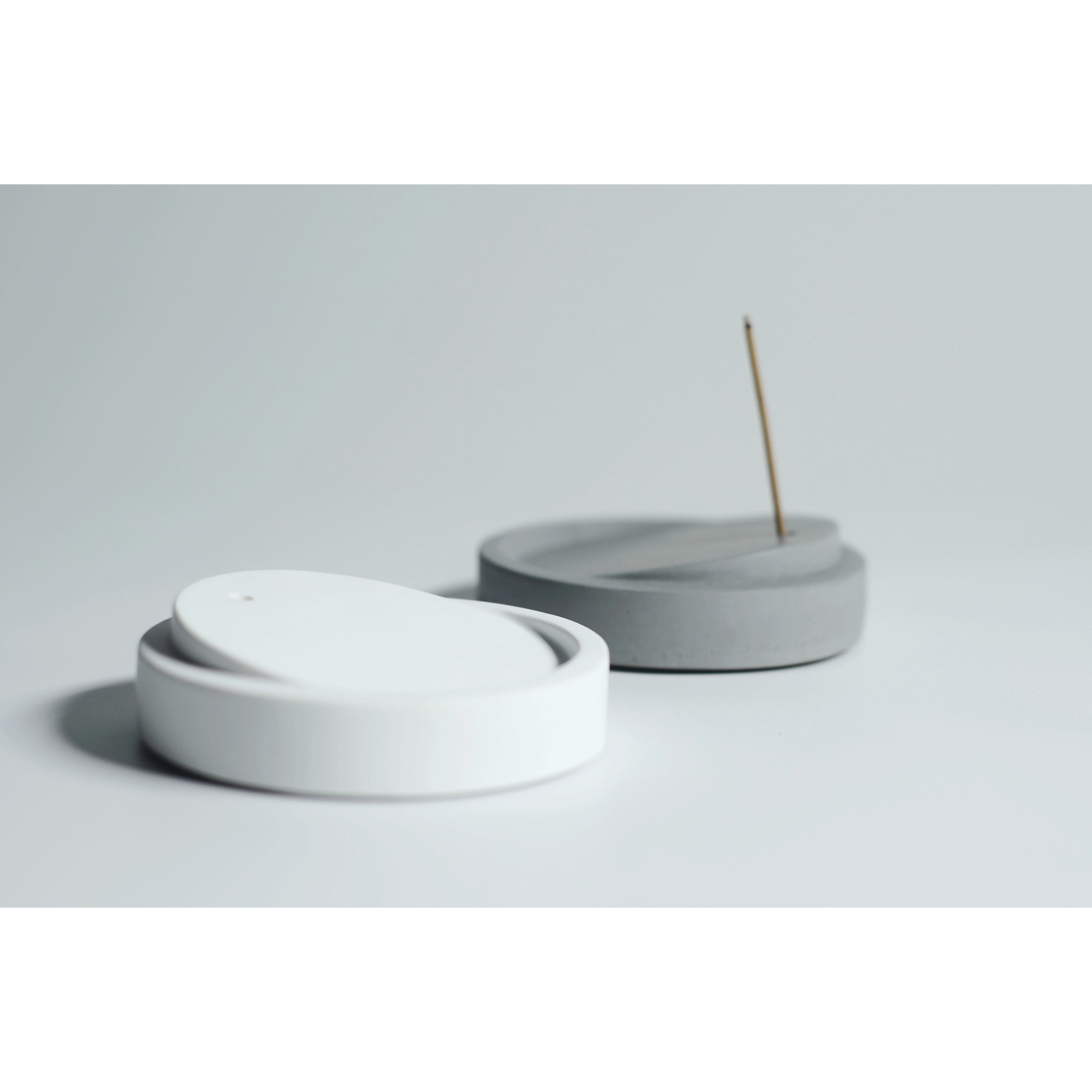
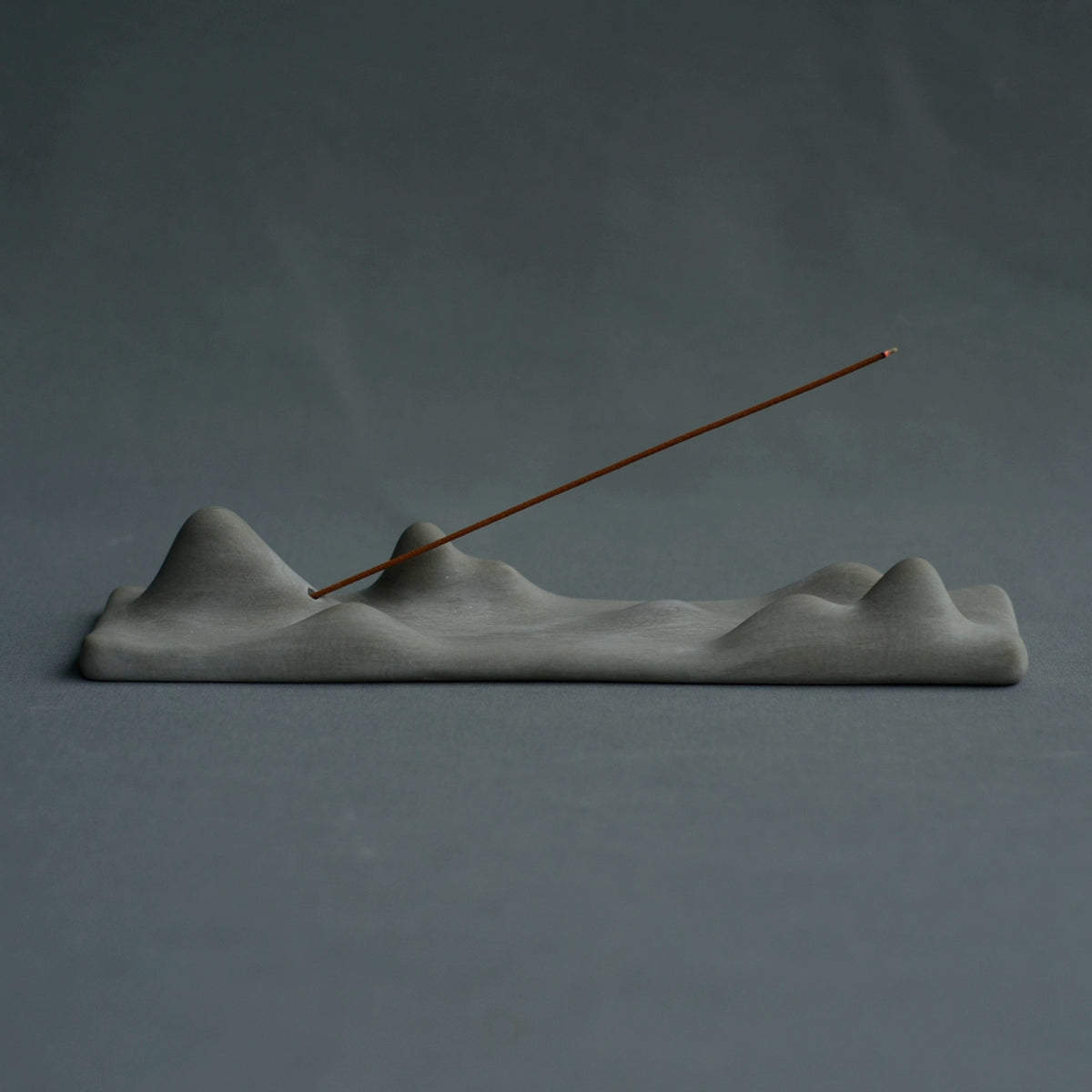
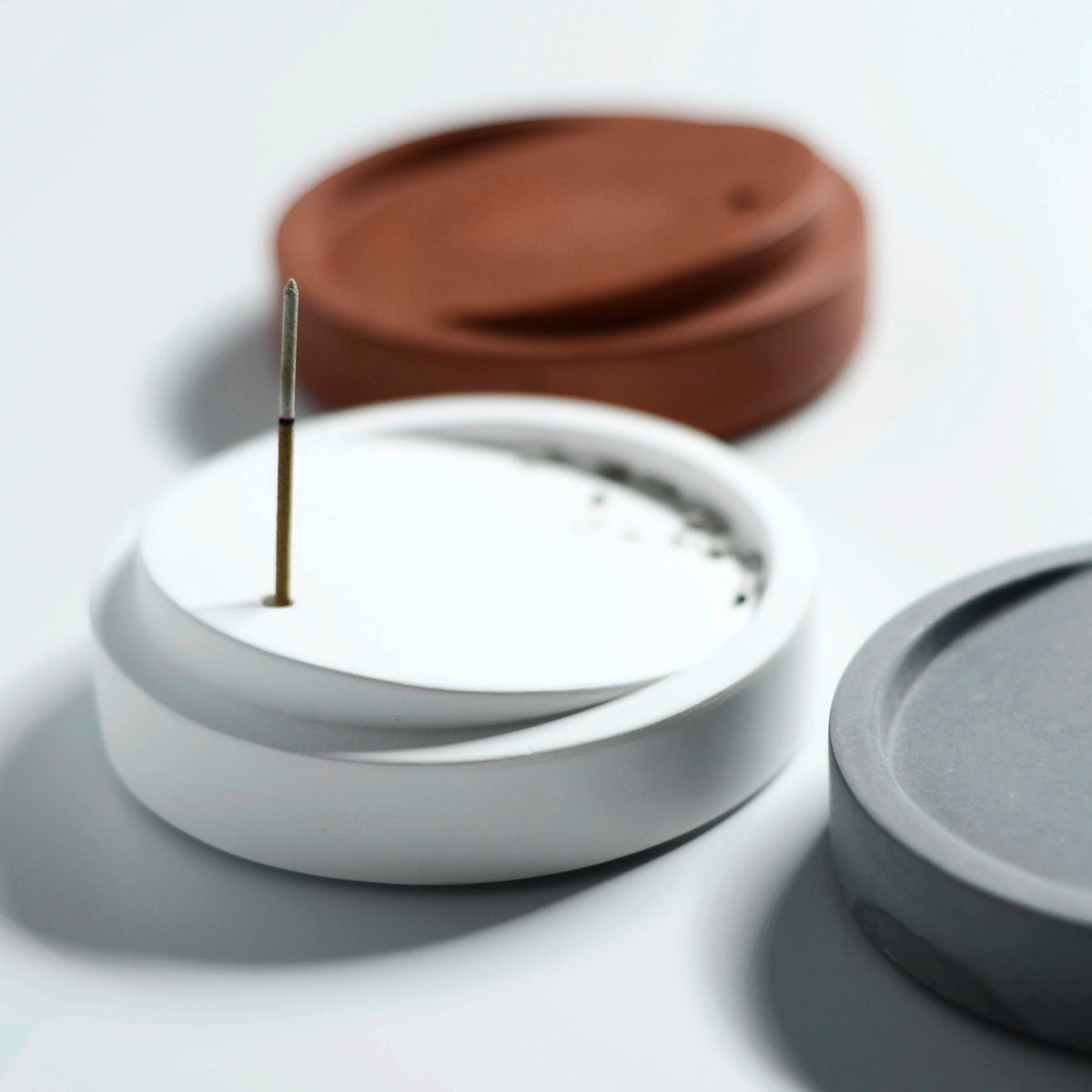
- Preparation: Use a dedicated incense holder (preferably ceramic or stone). Place the holder on a stable surface at eye level when seated.
- Lighting technique: Hold a flame to the tip for 5-8 seconds, then blow out the flame. Allow the ember to stabilize for 30 seconds.
- Breathing: Use natural, unforced nasal breathing to fully appreciate agarwood's evolving scent profile.
- Duration: One agarwood stick (standard 20 cm) burns for 45-60 minutes.
For Relaxation (Evening Use)
Agarwood's warm, complex scent profile makes it a distinctive choice for evening wind-down rituals. Pair it with a consistent pre-sleep routine (dimmed lights, reduced screen time, same time each night) to create a calming transition into rest. See our guide to sleep incense for more options.
Note: Agarwood is less traditionally calming than lavender or sandalwood. Many practitioners describe it as creating "grounded alertness" rather than drowsiness. If your goal is sleep preparation, consider blending agarwood with lavender.
For Incense Appreciation (Kodo Practice)
Traditional Japanese kodo uses agarwood chips (not sticks) heated on a charcoal tablet beneath a mica plate. This method produces no smoke, only pure resin vapor, and allows you to experience the full complexity of high-grade agarwood.
Product Recommendations: Agarwood Incense at MUSO Collection
We carry one agarwood product, selected for its balance of authenticity and value:
Dongzhi Agalloch Eaglewood Incense Sticks
- Grade: Sasora (entry-level natural agarwood, approximately 8-12% resin content)
- Origin: Cultivated Aquilaria crassna from Vietnam
- Burn time: 45 minutes per stick
- Scent profile: Initial woody notes, mid-notes of mild sweetness, base of earthy musk.
- Best for: Daily meditation, relaxation rituals, beginners exploring agarwood for the first time
- Price: $24.99 for 40 sticks (as of 2026)
Why we chose this product: We tested 12 commercial agarwood incense brands over 6 months. The Dongzhi Agalloch sticks tested at 9.2% resin content (verified by third-party GC-MS analysis), making them one of the few genuinely natural agarwood options at this price point.
Agarwood in Traditional Medicine: Separating Fact from Folklore
Agarwood appears in traditional medical systems across Asia and the Middle East. Here's what these traditions claim vs. what modern science has validated:
Traditional Chinese Medicine (TCM)
- Traditional claim: Agarwood "regulates qi" and treats stomach pain, nausea, and asthma.
- Modern perspective: No clinical trials have validated these specific uses in the context of incense inhalation.
- Verdict: Interesting historical practice, but not supported by modern clinical evidence. Do not use agarwood as a substitute for professional medical care.
Ayurvedic Medicine
- Traditional claim: Agarwood is used to support respiratory wellness and "balance vata."\
- Modern perspective: No clinical trials support specific therapeutic claims for agarwood in Ayurvedic use.
- Verdict: No clinical support. Ayurvedic use of agarwood reflects traditional cultural practices rather than evidence-based medicine.
Islamic Traditional Medicine
- Traditional use: Oud is used in cultural and spiritual contexts, associated with welcoming guests and creating a contemplative atmosphere.
- Modern perspective: Oud's value in Islamic culture is primarily cultural and spiritual.
- Verdict: Oud's cultural importance is undeniable and deeply meaningful. It should be appreciated as a living cultural heritage.
A note on traditions: We respect traditional practices as meaningful cultural expressions. However, we do not recommend using agarwood (or any incense) as a substitute for professional medical care. If you have a health condition, consult a licensed healthcare provider.
Sustainability and Ethics: The Agarwood Trade Problem
All Aquilaria species are listed as critically endangered by the IUCN Red List. Since 2004, all Aquilaria species have been listed under CITES Appendix II. Commercial agarwood plantations now produce the majority of legally traded agarwood, a more sustainable and ethical choice.
FAQ: Common Questions About Agarwood Incense
What is the difference between agarwood and oud?
There is no difference. Agarwood and oud are two names for the same aromatic resin produced by Aquilaria trees. "Oud" is the Arabic term, while "agarwood" derives from Sanskrit agaru meaning "heavy wood." Other names include eaglewood, jinko, kyara, aloeswood, and gaharu.
Is agarwood incense safe to breathe?
Agarwood incense is generally considered safer than most synthetic incenses because natural resin combustion tends to produce fewer byproducts. However, all burning incense releases particulate matter (PM2.5) and volatile organic compounds. Use in well-ventilated spaces, limit sessions to 45-60 minutes, and avoid if you have asthma or respiratory conditions. Consult your healthcare provider if you have concerns.
Why is agarwood so expensive?
Agarwood is expensive because it forms through a slow biological defense response. Only infected or injured Aquilaria trees produce resin, and the process takes 8-50 years depending on quality grade. Wild agarwood is critically endangered and protected by CITES, limiting supply.
Can agarwood incense help me sleep?
Some practitioners find agarwood helpful as part of an evening wind-down routine. A very small pilot study (Chen et al., 2021) reported subjective improvements in how participants experienced sleep when using agarwood incense before bed, but the results are preliminary and should not be interpreted as a treatment for sleep difficulties. Agarwood's scent is generally described as creating "grounded alertness" rather than drowsiness. For sleep preparation, consider blending agarwood with lavender or using agarwood earlier in the evening. See our sleep incense guide for more options.
How do I know if my agarwood incense is genuine?
Genuine agarwood incense has a complex, evolving scent profile that changes as you smell it. Natural agarwood produces thick, lingering smoke. Genuine agarwood sticks typically cost $15-$50 per box of 20-40 sticks at Sasora grade; cheaper products are likely synthetic or hybrid.
What's the best way to use agarwood for meditation?
Light agarwood incense 10-15 minutes before meditation to allow initial harsh notes to dissipate. Use a ceramic or stone holder. Hold a flame to the tip for 5-8 seconds, blow out, and let the ember stabilize for 30 seconds. Use natural nasal breathing to fully appreciate the evolving scent. One 20 cm stick burns for 45-60 minutes. See our meditation incense guide for more options.
Conclusion: Is Agarwood Right for You?
Agarwood incense occupies a unique position in the meditation and aromatherapy landscape. It's not the most traditionally calming option (lavender and sandalwood are preferred choices for sleep), and it's certainly not the cheapest. But it offers something other incenses don't: a complex, evolving aromatic experience rooted in 2,000+ years of contemplative tradition, ideal for meditation, kodo appreciation, or evening wind-down without the heavy drowsiness that some other scents produce.
- Suitable for: Meditation practitioners, incense connoisseurs, those interested in the art of kodo, users seeking a grounding (not sleep-inducing) evening ritual
- Less suitable for: Budget-conscious buyers, users primarily seeking a sleep-preparation scent, beginners unfamiliar with incense
If you decide to explore agarwood, start with a small quantity of verified natural product (like our Dongzhi Agalloch sticks) and use it consistently over 2-3 weeks. Like all incense, the ritual association develops with repetition, not from a single session.
This article is for informational and lifestyle purposes only. It is not medical advice. Consult a healthcare professional for health concerns.
Last updated: June 2026.