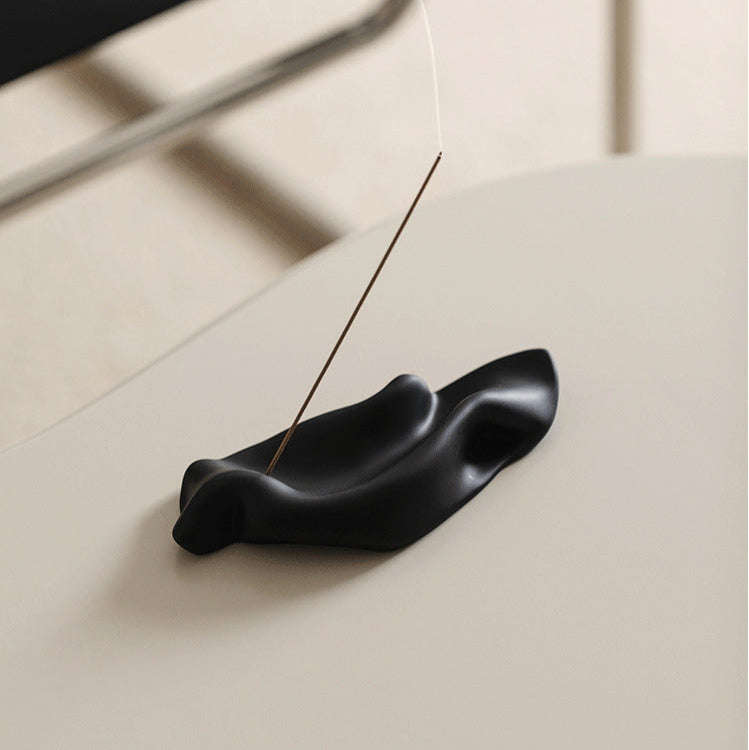

Incense Stick vs. Cone vs. Coil: What Shape Means for Your Incense
The first time I lit an incense coil, I was taken off guard. I'd been burning sticks for years, the familiar rhythm of lighting the tip, catching it at the right moment, watching the ember crawl down a straight line. The coil sat in its ceramic stand like a sleeping serpent, and when I touched a flame to the outer end, nothing dramatic happened. A thin thread of smoke lifted. The ember moved so slowly I had to lean in to confirm it was still lit. Two hours later, the room still carried the same quiet fragrance, the coil wasn't even halfway through.
That experience got me thinking about how much shape actually matters in incense. We tend to focus on scent, sandalwood, cedar, agarwood, and treat the physical format as an afterthought. But the shape of your incense changes everything about the burn: how long it lasts, how the scent develops, where the ash falls, what kind of holder you need, and even how the smoke moves through a room. An incense stick, a cone, and a coil made from the exact same ingredients will give you three noticeably different experiences.
Here's what I've learned from burning all three formats extensively, and how to figure out which one suits your practice.
Incense Sticks: The Reliable Default
Sticks are the format most people picture when they think of incense, and for good reason. They're widely available, straightforward to burn, and offer the longest continuous burn of the three formats in everyday use. But "stick" actually covers two quite different constructions, and the distinction matters.
Bamboo-Cored Sticks (Indian Style)
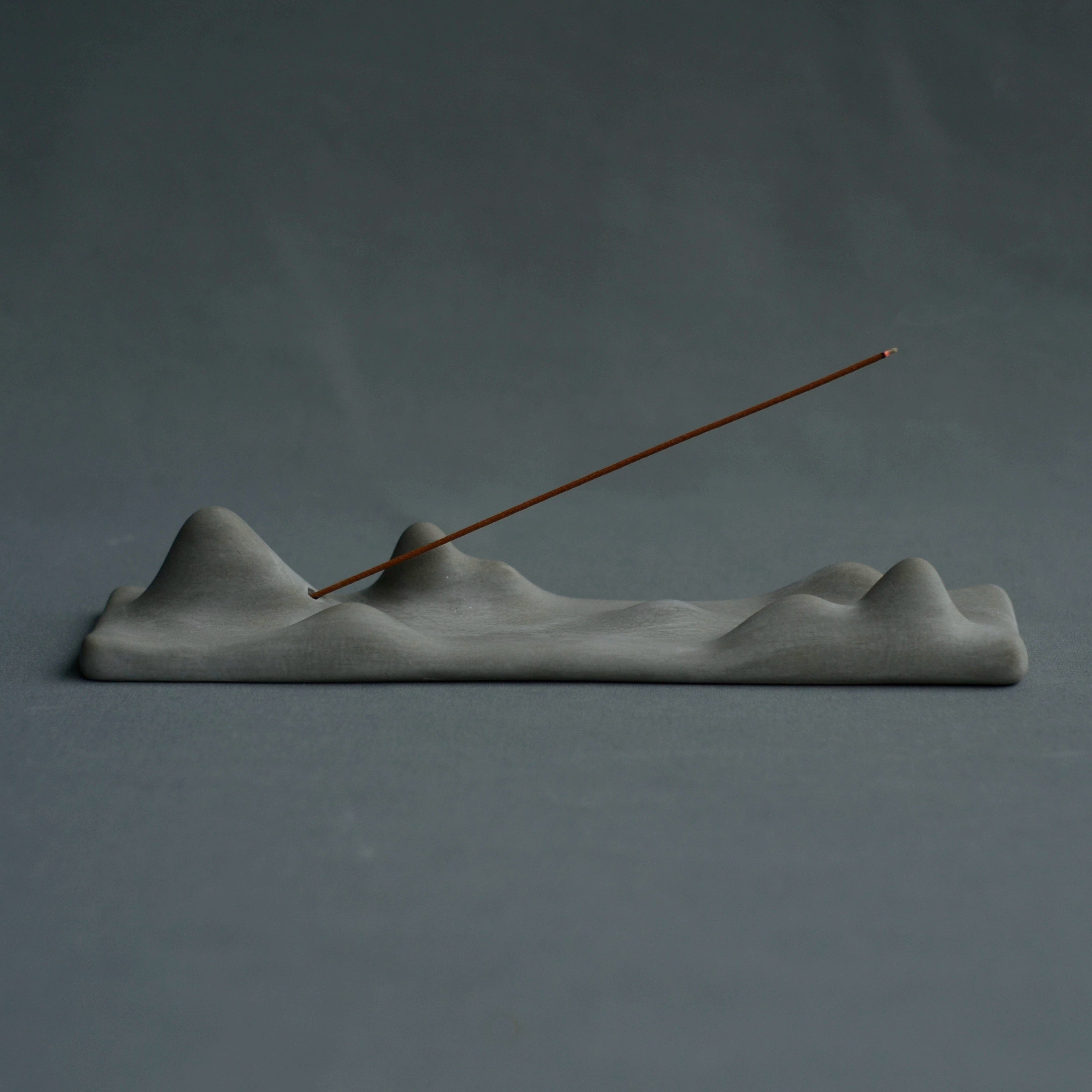
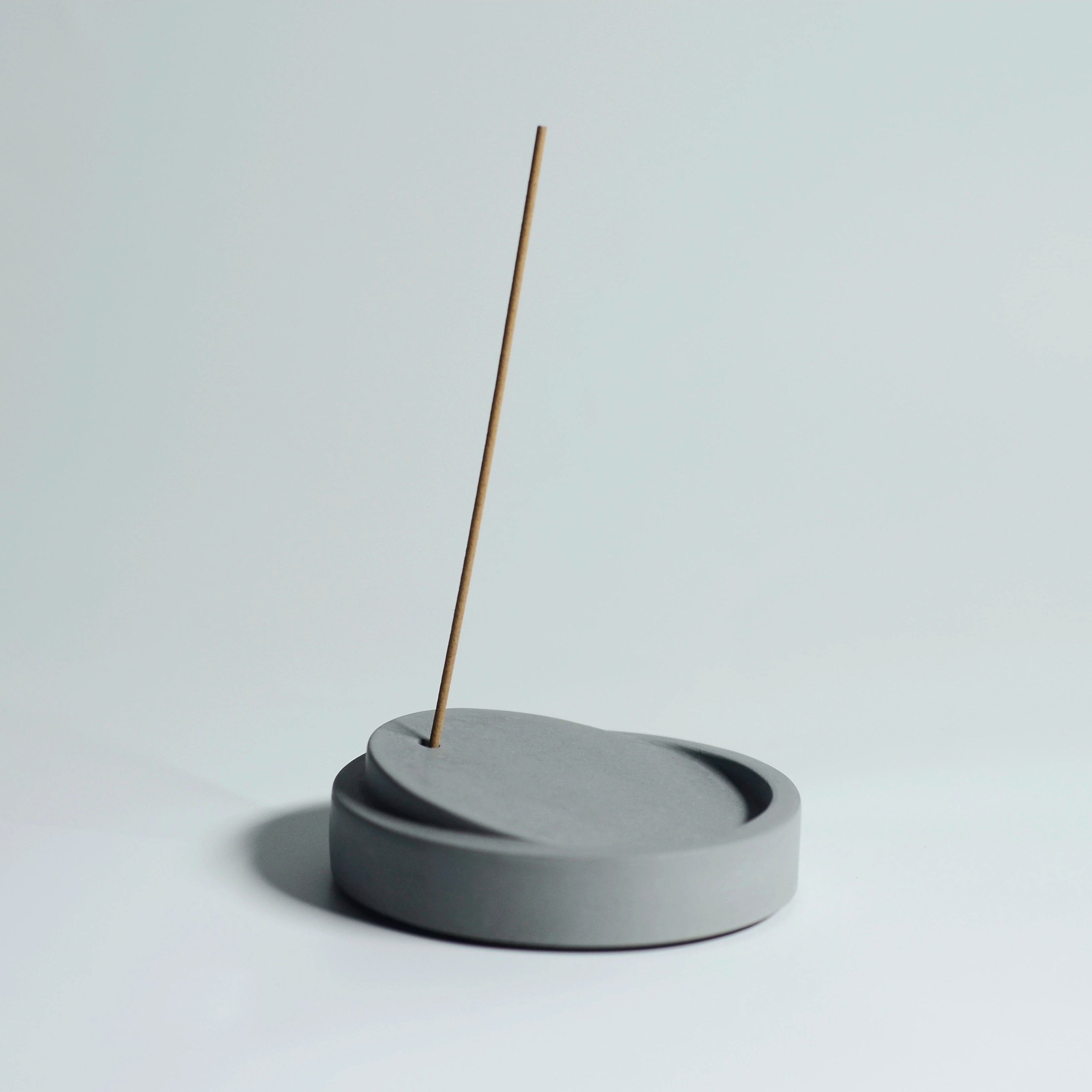
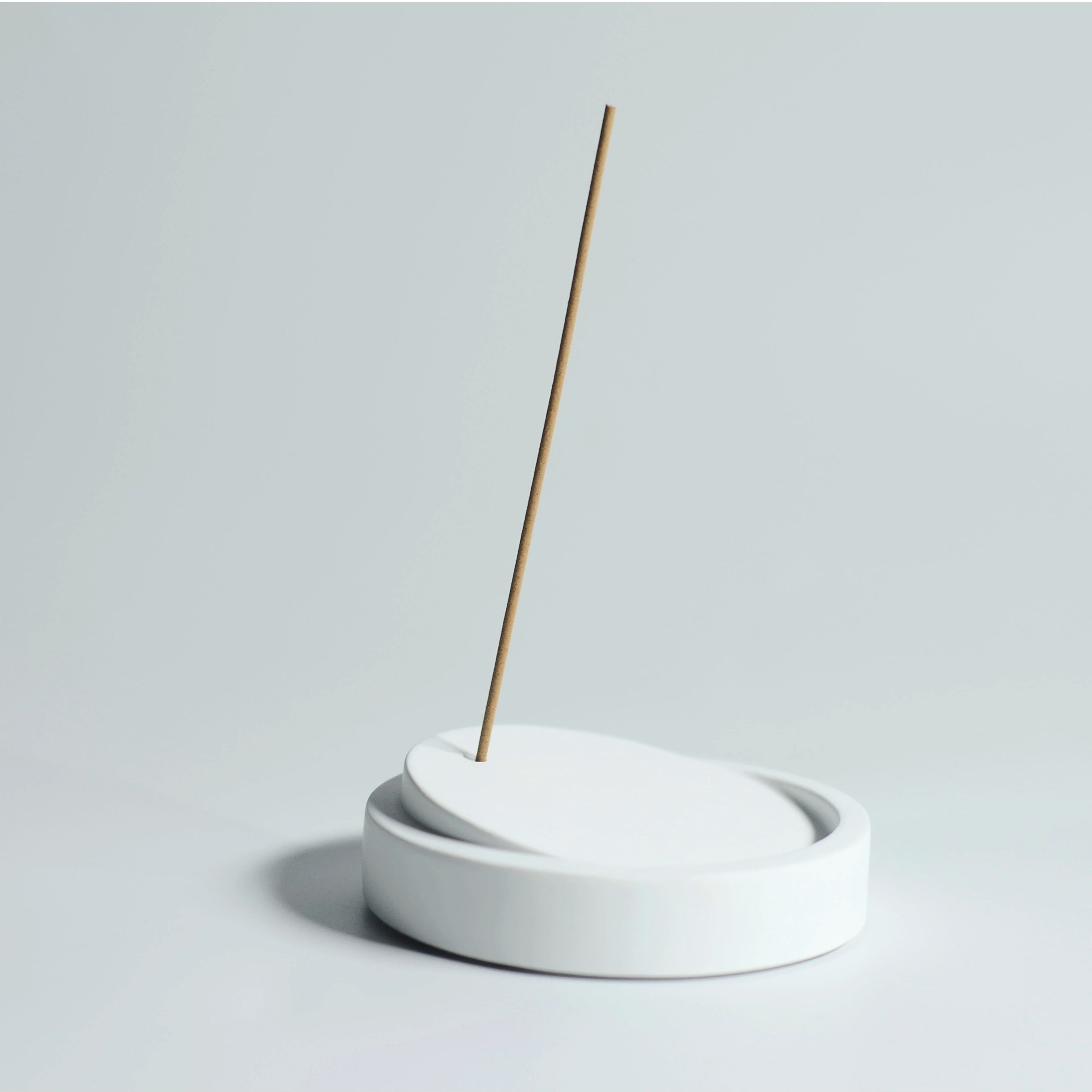
The most common incense stick worldwide has a thin bamboo splinter at its center, coated in a paste of aromatic powders, essential oils, and binder. This is the traditional Indian format, what most of us grew up seeing. The bamboo core gives the stick rigidity, which makes it easy to handle, light, and stand upright in a simple holder.
Burn time runs 20 to 45 minutes depending on length and coating thickness. The scent throw is moderate and fairly linear, you get a steady release from the moment the ember catches until it reaches the base. There's a gentle arc to it: the fragrance is most present in the first few minutes, settles into a consistent middle, and tapers slightly at the end. Nothing dramatic, just reliable.
The trade-off is the bamboo itself. That wooden core burns along with the aromatic coating, and its smoke becomes part of what you smell. With high-quality sticks using natural ingredients, this is a mild, woody undertone that many people find pleasant. With cheaper sticks that use charcoal bases or synthetic fragrances, the core smoke can muddy the scent. If you've ever noticed a harsh, acrid edge to budget incense, the bamboo core is usually part of the reason.
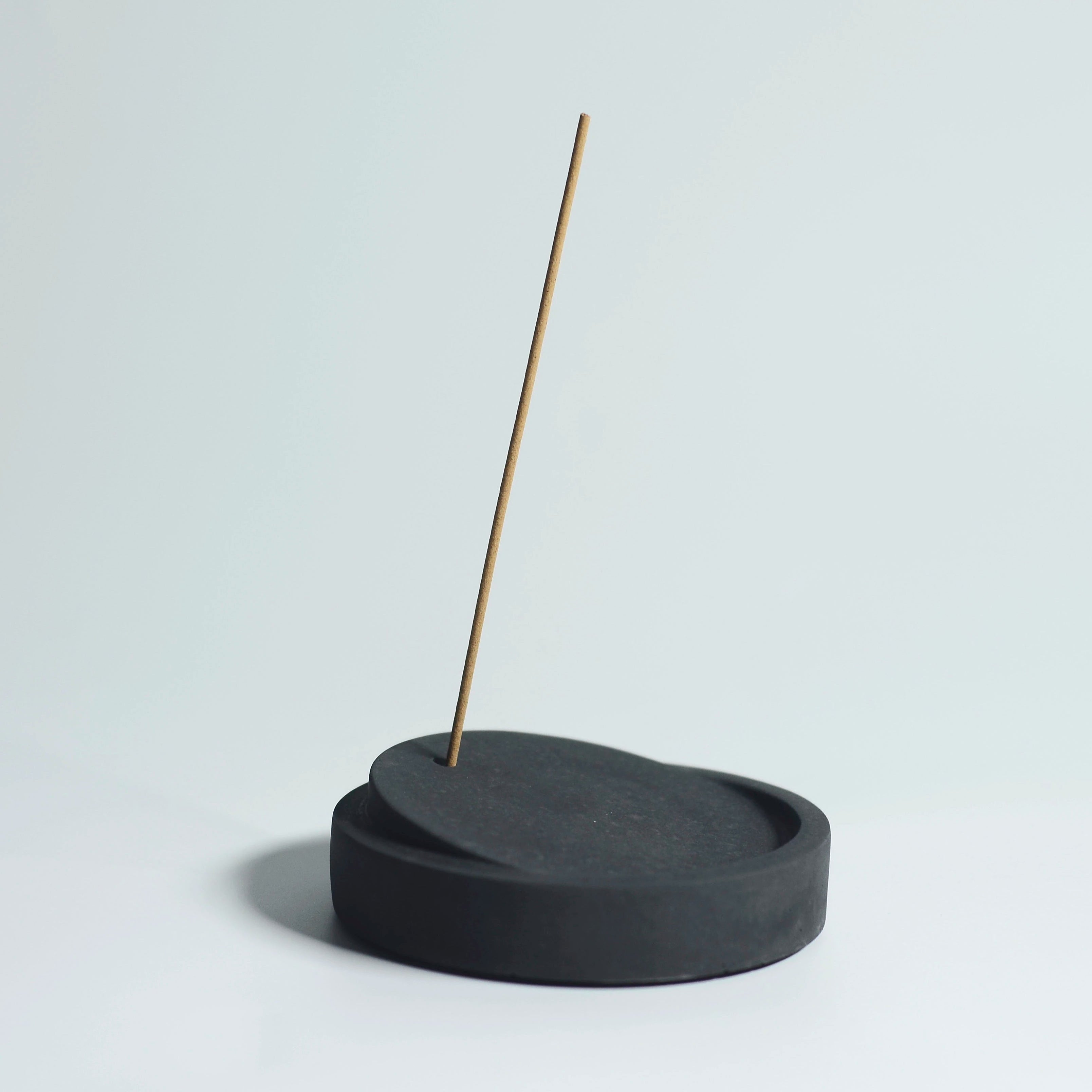
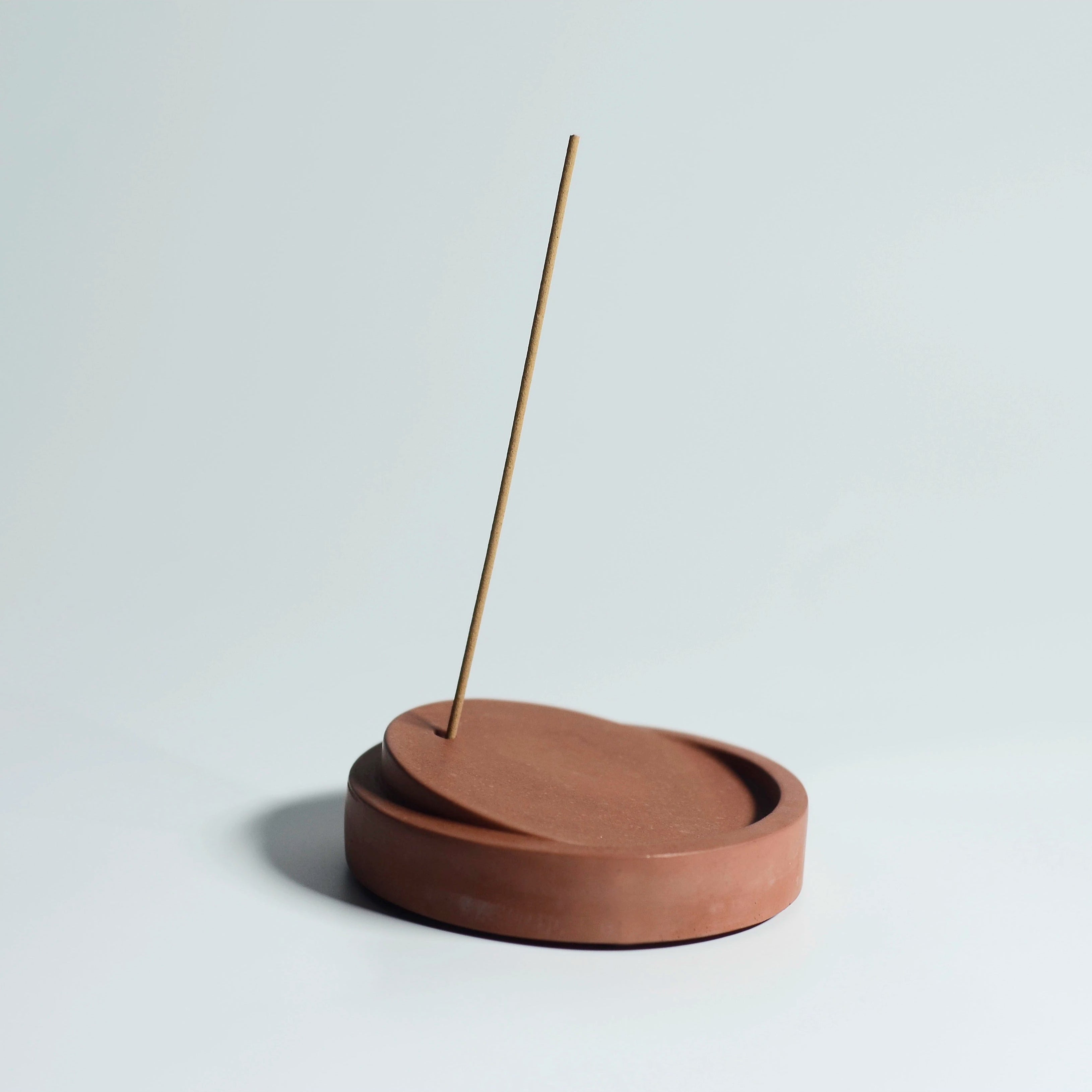
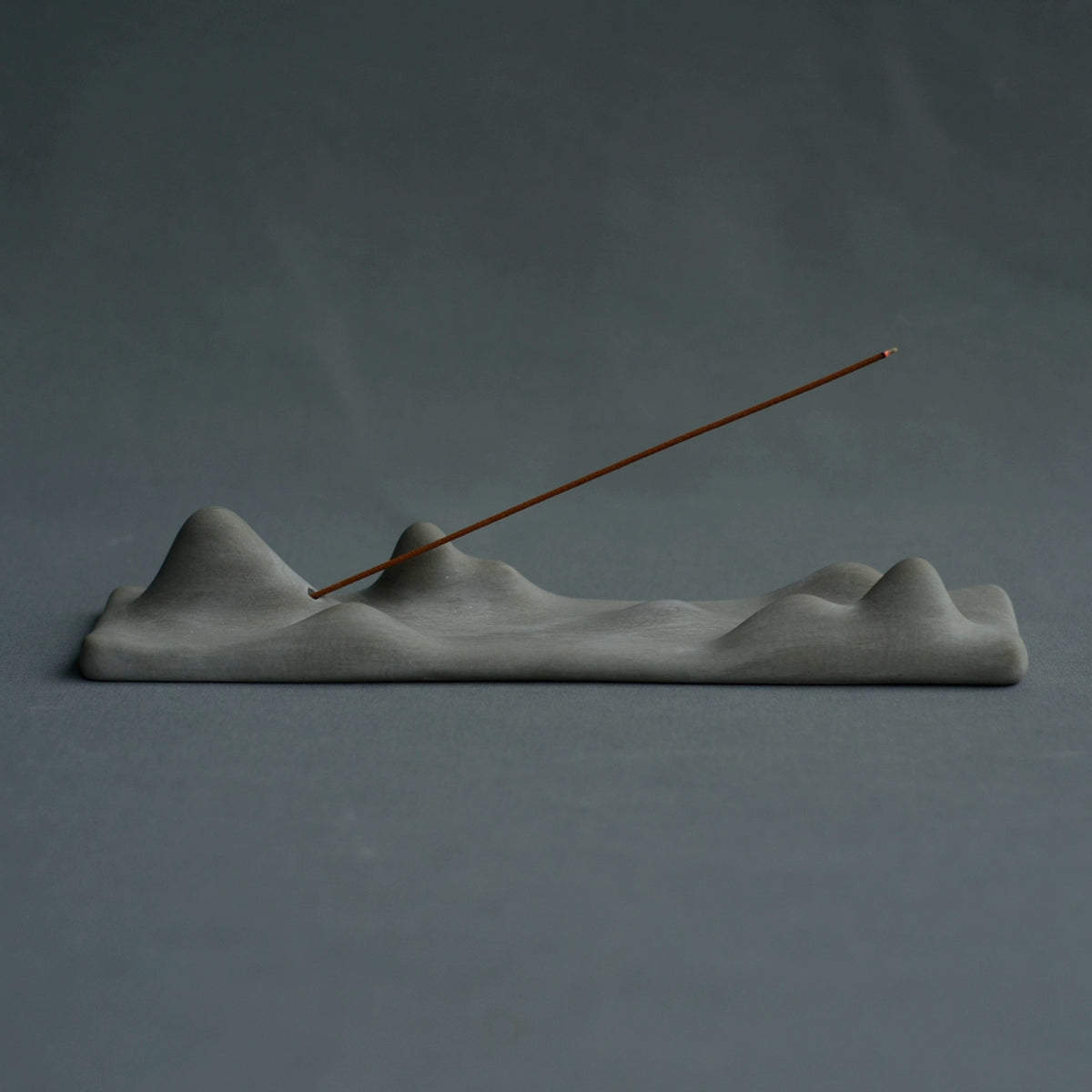
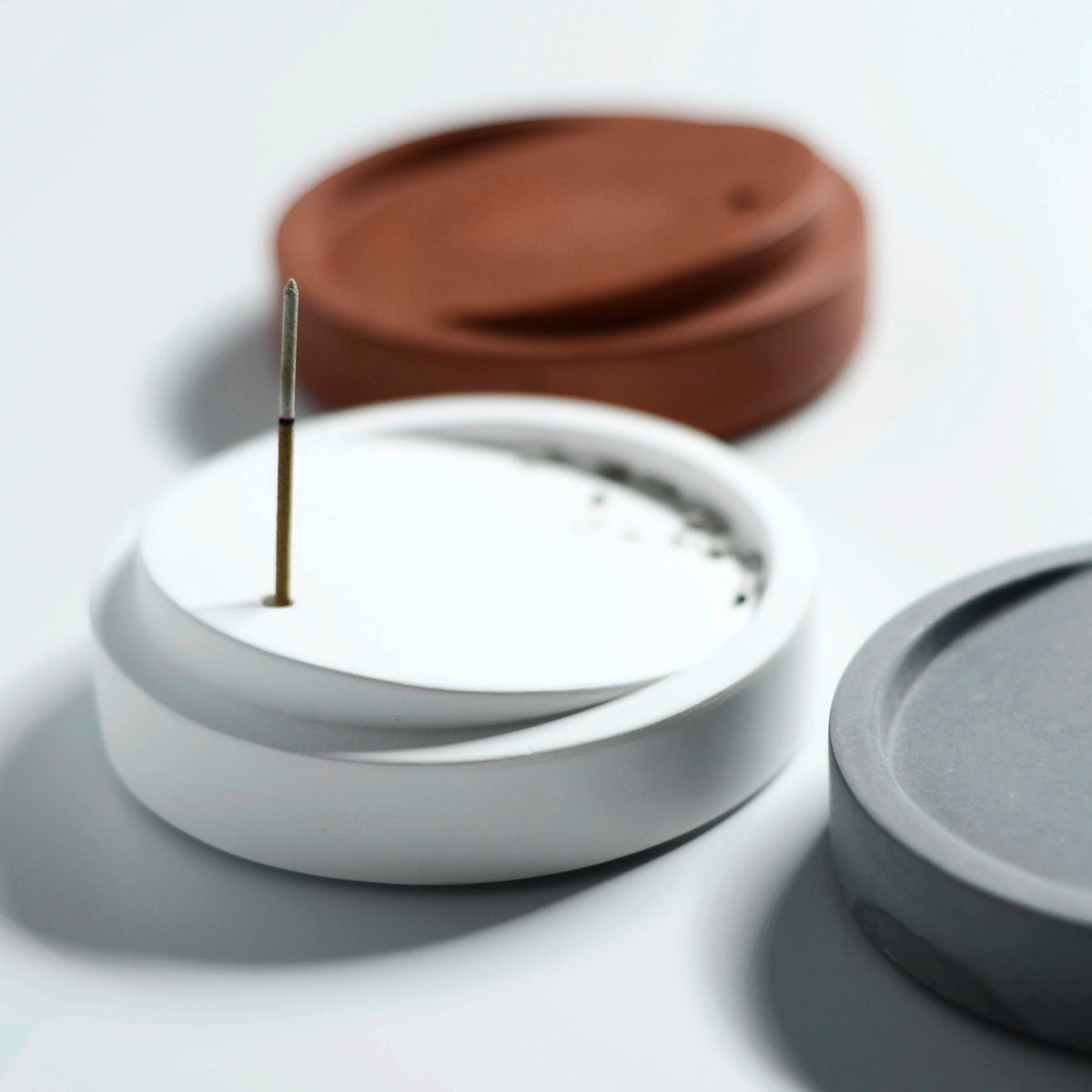
Ash management is straightforward but requires attention. The ash falls in a line along the stick's length, dropping onto your holder or whatever surface is below. A good incense holder with a catch tray handles this cleanly. Without one, you'll find gray streaks across your table.
If you're new to all this, our beginner's guide to incense sticks walks through the basics of lighting, positioning, and extinguishing.
Coreless Sticks (Japanese Style)
The other major stick type has no bamboo core at all, the entire stick is compressed aromatic material, extruded into a thin, uniform strand. This is the Japanese approach, and it changes the experience considerably. Without a wooden core burning alongside the fragrance, you smell only the aromatic ingredients. The scent is cleaner, more precise, and often more subtle.
Coreless sticks burn faster than bamboo-cored ones, typically 12 to 25 minutes, because there's no inert core slowing the ember's progress. They also produce noticeably less smoke. If you've ever found standard incense too smoky for a small room, this is the format to look at. Our guide to coreless Japanese incense goes deeper into why that matters and what to expect.
The Fuji Mysore Sandalwood sticks are a good example of this construction, the entire stick is sandalwood powder and natural binder, so what you smell is purely the wood itself, nothing else competing.
Stick Pros and Cons
What sticks do well: Easy to light, easy to find holders for, long burn times (especially bamboo-cored), and a gradual, predictable scent progression. Coreless sticks add purity of fragrance and low smoke to the list. Sticks are also the most widely available format, which means more scent options at every price point.
Where sticks fall short: Bamboo-cored sticks carry that core smoke into the equation, which not everyone wants. Ash falls along the stick's length, so you need a holder that catches it, and you need to position the holder where falling ash won't be a problem. Coreless sticks are more fragile than bamboo-cored ones and can snap if handled roughly.
Incense Cones: Compact and Intense
Cones are the smallest of the three formats, a compact, self-supporting pyramid of compressed incense material that burns from the tip downward. No core, no stick, no extra structural material. Everything in the cone is fragrance.
What I notice most when I switch from sticks to cones is the scent pattern. A stick gives you a slow, even release. A cone gives you a burst. The first five minutes of a cone burn are the most fragrant: the ember is fresh, the combustion zone is concentrated at the tip, and the room fills quickly. After that initial surge, the scent settles and tapers as the ember works its way down through the narrowing cone body. It's a different shape of experience: front-loaded rather than even.
Burn time depends heavily on cone size. Small cones can finish in 10 minutes; larger ones run 25 to 30 minutes. Either way, you're looking at a shorter session than most sticks offer.
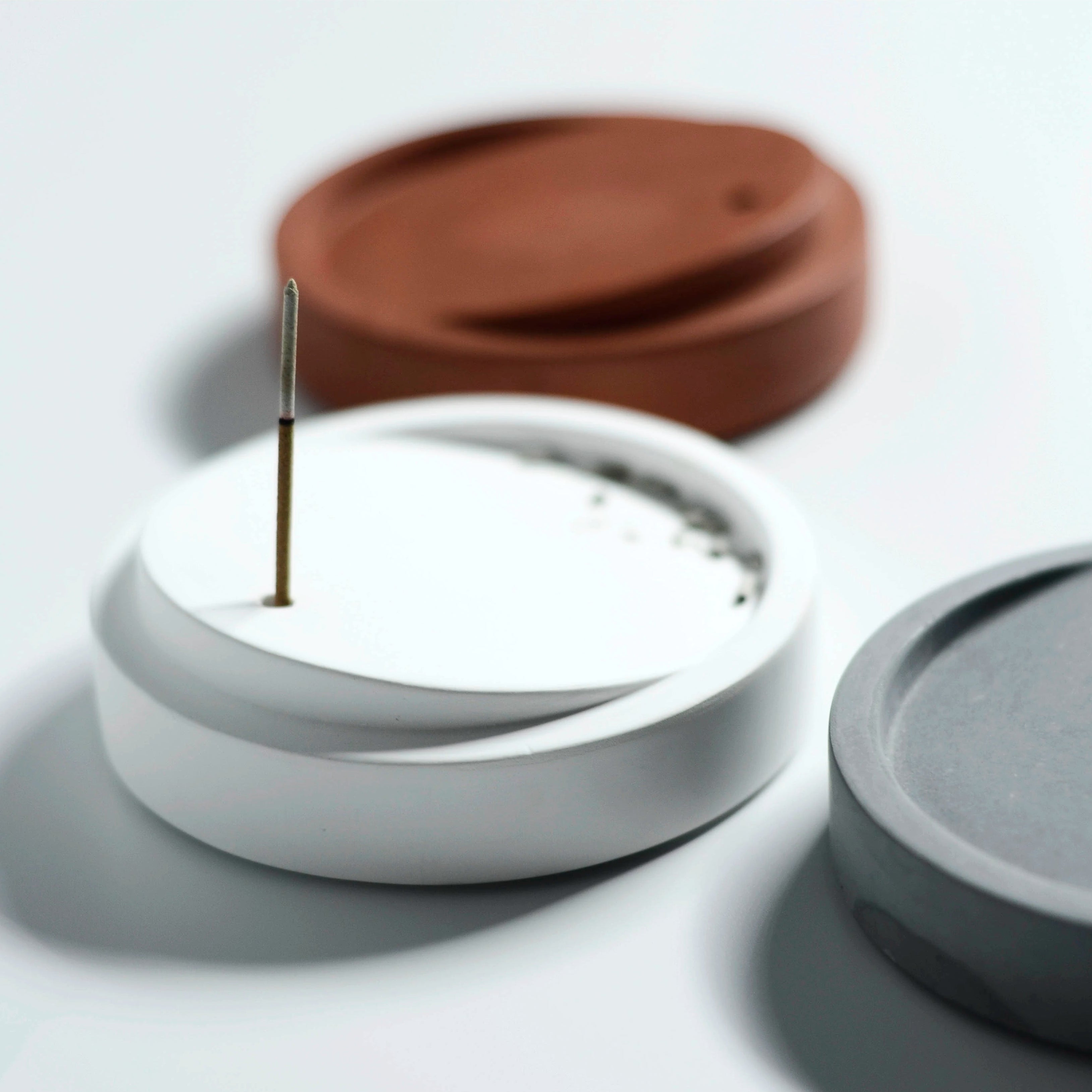
Where cones shine is ash management. Because the cone burns from top to bottom in a single spot, all the ash collects in one neat pile right where the cone was sitting. No ash falling along a line, no streaks across your surface. You lift the cone stub (or what's left of it), brush the ash away, and you're done. This makes cones appealing if you're burning incense on a surface you want to keep clean, or if you find stick ash messy.
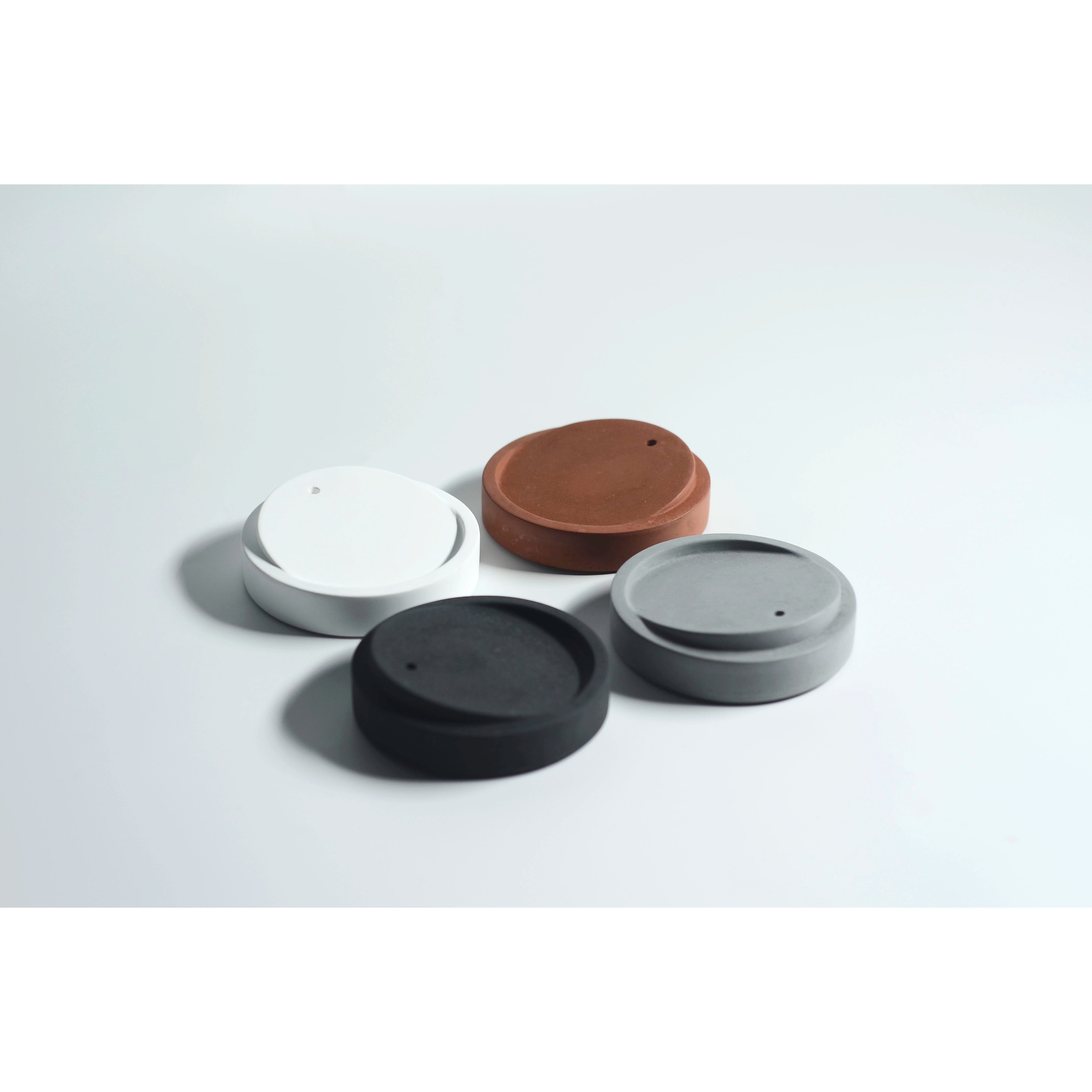
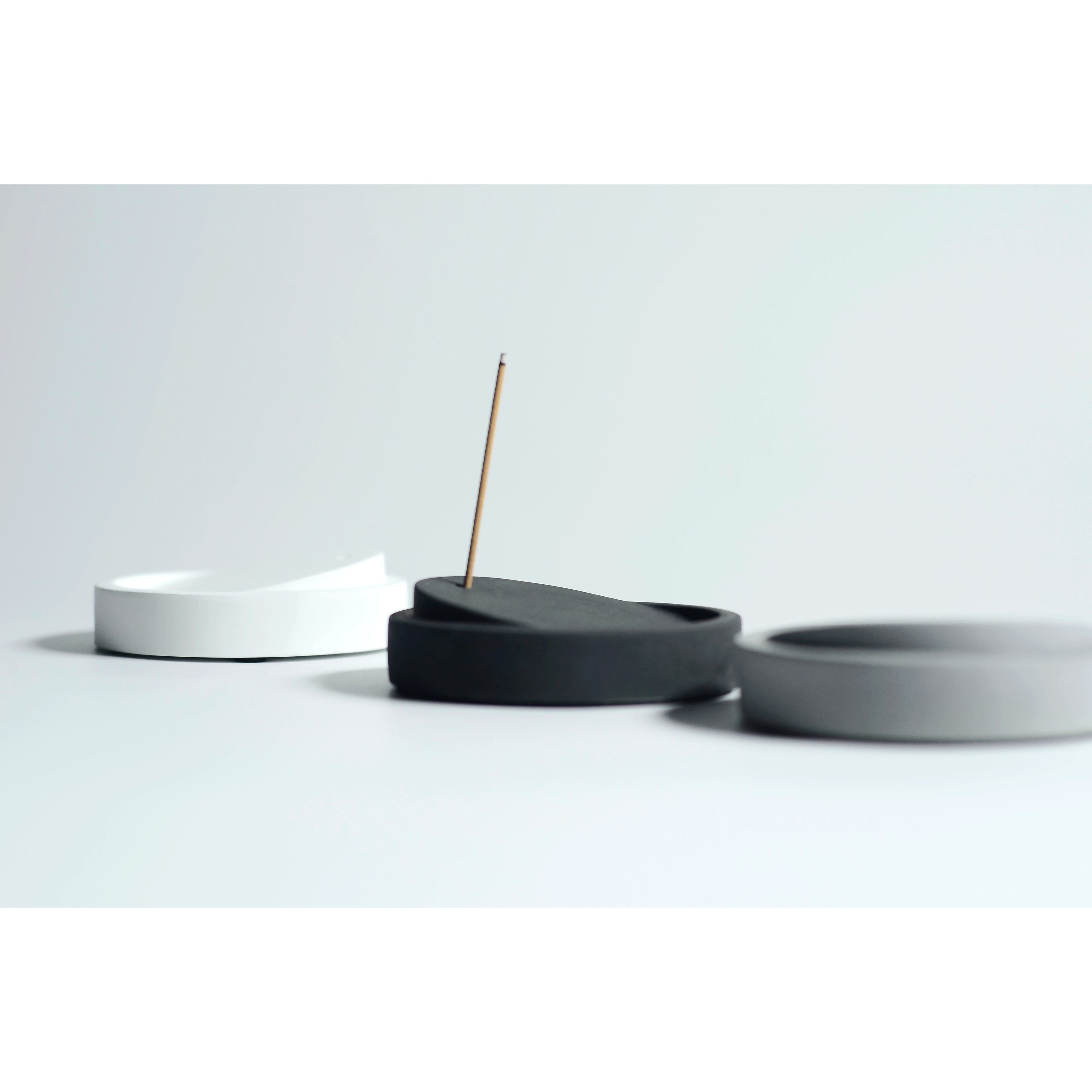
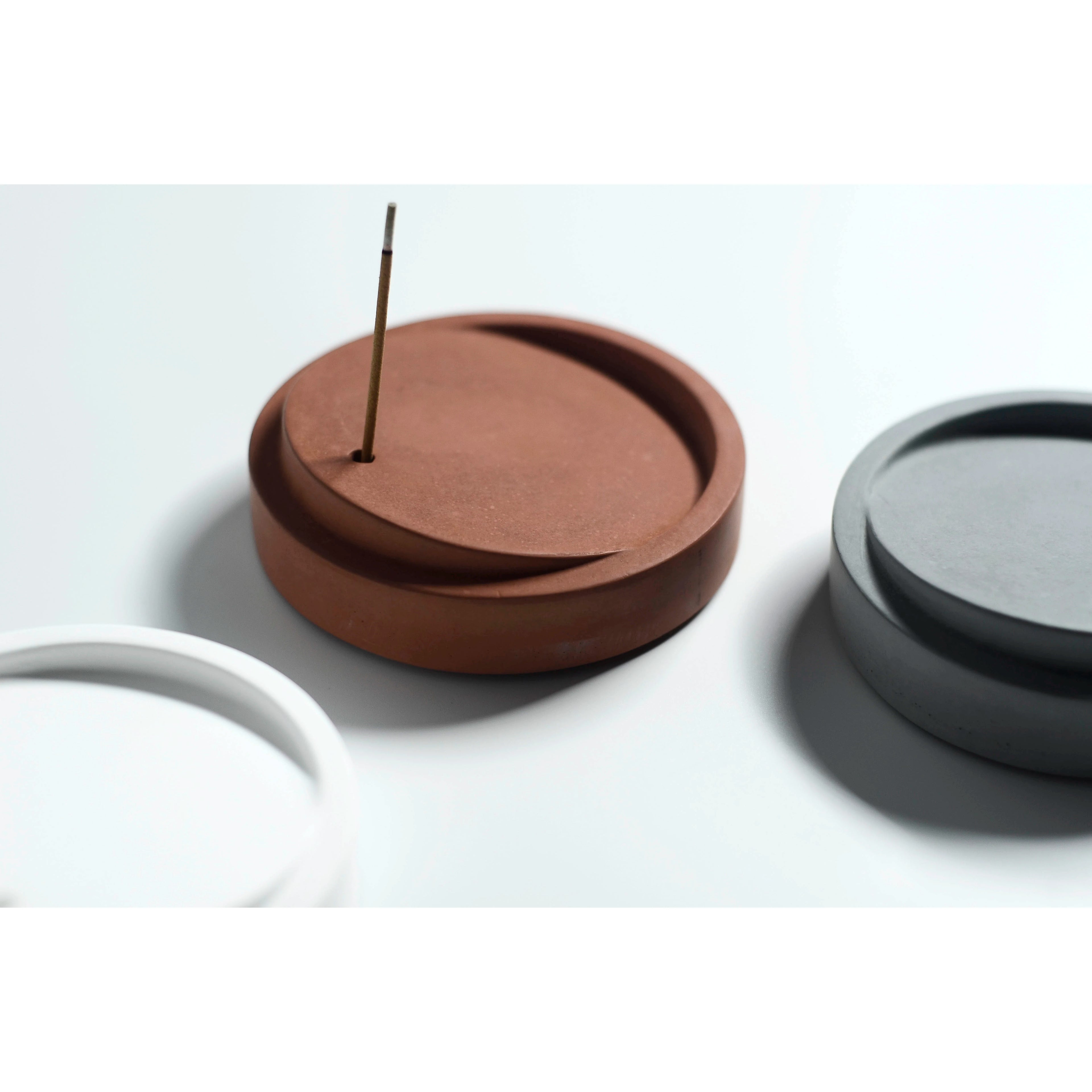
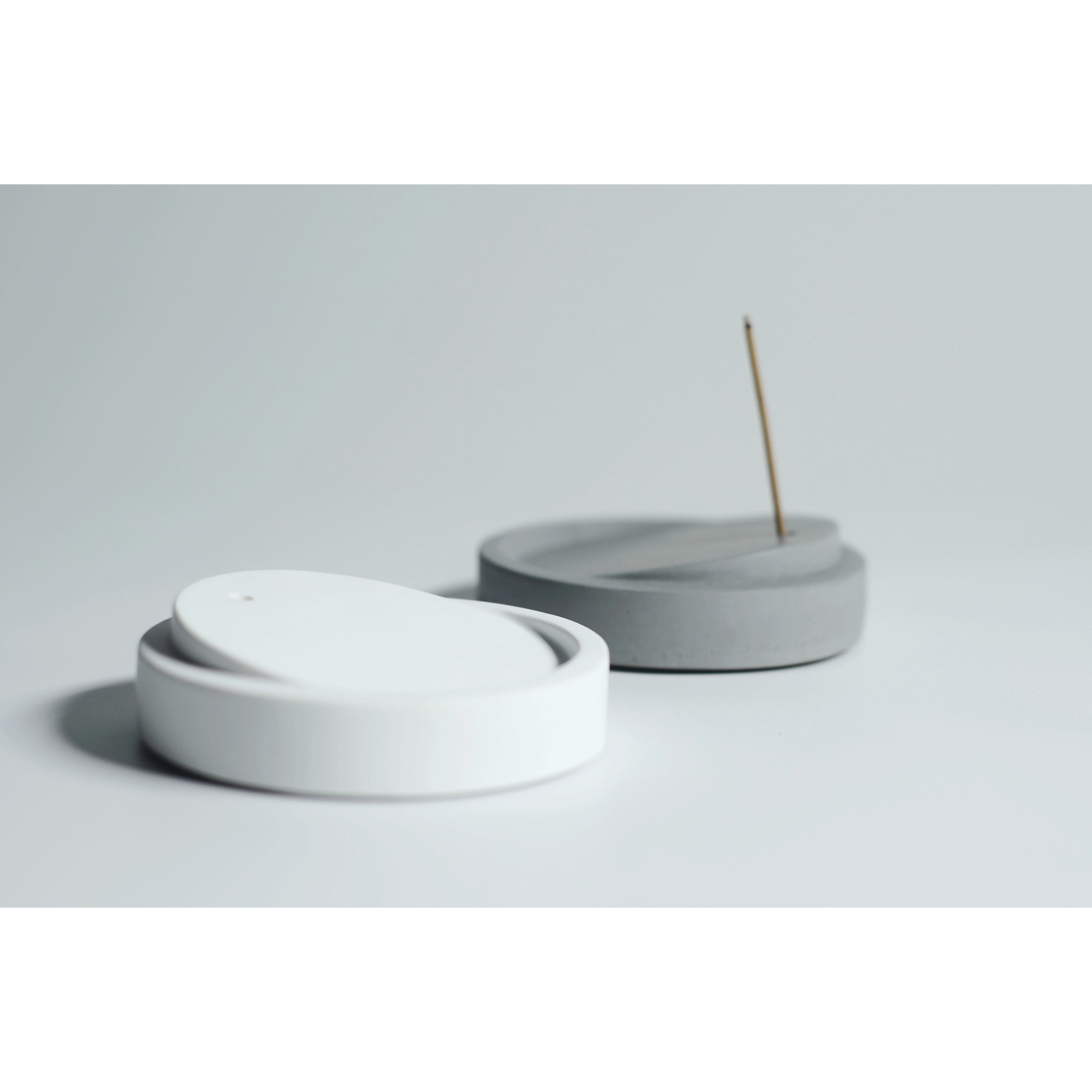
Cones also don't require a holder with a stick-hole. Any flat, heat-resistant surface will do, a ceramic dish, a stone tile, a dedicated cone burner. That said, many people still prefer a proper holder to contain the ash and add visual weight. Our holder collection includes several designs that work well with cones.
The main drawback is that shorter burn. If you're settled into something, a long reading session, an extended sit, a cone will finish before you do. And because the scent is front-loaded, the tail end of the burn is noticeably quieter than the beginning. Some people read this as the cone "running out of steam," which is fair.
What cones do well: Strong initial scent throw that fills a room fast, clean ash in a single pile, compact storage, no stick-hole holder required, and an intense opening burst that's satisfying for short rituals.
Where cones fall short: Shorter burn time than sticks, and a scent profile that tapers rather than holding steady. Less control over how long your session lasts: you get what the cone gives you, and it's usually under 30 minutes.
Incense Coils: The Long Burn
Coils are the least common of the three formats in everyday Western use, but they have a long history in East and Southeast Asian temples and homes, where all-day fragrance is the norm. A coil is a single strand of incense paste wound into a flat spiral, designed to burn slowly from the outer end inward. The shape exists specifically to pack a long burn into a compact footprint, a coil that would be several feet long if straightened fits in the palm of your hand.
This is where coils completely outclass sticks and cones: burn duration. A standard coil burns for 2 to 4 hours. Larger coils, the kind you'll see hanging in temple doorways, can run 6 to 8 hours or more. Nothing else in the incense world gives you that kind of continuous burn from a single piece.
The scent throw is distinctly different from the other two formats. Where a stick is steady and a cone is a burst, a coil is ambient. The ember is small and moving slowly, so at any given moment the amount of fragrance being released is modest. But because it goes on for hours, the scent builds in the room over time rather than arriving all at once. The result is a gentle, persistent background fragrance, present without demanding attention. I think of it as the difference between a lamp with a dimmer and a flashlight.
Ash falls along the coil's spiral path, which means it's distributed in a ring pattern on whatever surface or holder is below. Most coil holders are designed as a stand with a wide, flat catch plate or a suspended mesh that collects the ash as it drops. You do need a holder specifically designed for coils: the spiral needs to be supported at its center or suspended so the ember can trace the full path without touching anything. A stick holder won't work.
Coils are harder to find than sticks or cones, and the selection of scents is typically narrower. You're also committing to a long burn when you light one, there's no easy way to stop a coil partway through and save the rest. If you light a four-hour coil and decide twenty minutes in that you're done, your options are to extinguish it (which works but leaves an awkward partial coil) or let it run.
Where I've found coils genuinely useful is outdoors. On a porch or patio, the gentle ambient throw is exactly right, strong enough to notice, not so intense it's overpowering in open air. Sticks and cones can feel lost outside; coils hold their own.
What coils do well: Very long burn times (2-8 hours), gentle ambient scent that fills a space gradually, excellent for outdoor or large-room use, and a unique visual as the ember traces its slow spiral.
Where coils fall short: Require a specific coil holder, harder to source, narrower scent selection, and you can't easily control burn duration, once it's lit, it runs.
Side-by-Side Comparison
| Format | Burn Time | Scent Throw | Ash Management | Holder | Best Use Case | Price Range |
|---|---|---|---|---|---|---|
| Stick (bamboo core) | 20-45 min | Moderate, linear | Falls in a line along the stick | Stick-hole holder with catch tray | Daily burning, longer sessions | $5-30 per box |
| Stick (coreless) | 12-25 min | Clean, moderate, lower smoke | Falls in a line, lighter ash | Stick-hole holder (often horizontal) | Small spaces, pure fragrance | $8-40 per box |
| Cone | 10-30 min | Intense burst, then taper | Neat pile in one spot | Flat heat-resistant surface or cone holder | Short sessions, quick room fragrance | $5-15 per pack |
| Coil | 2-8 hours | Gentle, ambient, sustained | Falls along the spiral path | Specific coil holder (stand + catch plate) | All-day fragrance, outdoor use | $5-20 per pack |
Which Format for What
After burning all three for years, here's how I've come to think about choosing between them, not by abstract preference, but by what I'm actually doing.
Quick morning burn: A cone. I want the room to smell like something in the first two minutes, and I'm not settling in for an hour. The cone's front-loaded throw is perfect for a ten-minute window while I make tea. By the time I'm pouring it, the cone is done and the room carries the scent.
A longer session, reading, working, sitting: A stick. Twenty to forty minutes is the sweet spot for most of the things I do at a desk or in a chair. The linear scent progression means the fragrance stays consistent through the session instead of fading halfway through. The Fuji Divine Cedar sticks are what I reach for here, cedar's dry, woody character holds steady across a long burn without becoming cloying.
Outdoor or porch: A coil. This is the one situation where sticks and cones genuinely underperform. Open air disperses their scent too quickly. A coil's hours-long ambient throw is the only format that holds up outside. Light it, set it on the table, and it becomes part of the background for the entire evening.
Small apartment or tight space: A coreless stick. The lower smoke output matters more in a small room, and the shorter burn (12-25 minutes) is usually plenty when you're sitting close to the source. The Dongzhi Ambergris sticks work beautifully in compact spaces, ambergris has a soft, warm presence that doesn't need a large room to develop.
Trying something new: A sampling set of sticks. When you're exploring scents, you want consistency in format so you can compare like with like. The Dongzhi 8-Scent Sampling Set lets you burn through eight different fragrances in the same stick format, so what you're evaluating is the scent, not the shape.
Why MUSO Carries Sticks (and Why That's the Right Call)
If you browse the MUSO Collection incense catalog, you'll notice it's almost entirely sticks. That's a deliberate choice, and having burned all three formats extensively, I think it's the right one for most people.
Sticks are the most versatile format. They cover the widest burn-time range (12-45 minutes depending on type), work with the simplest and most common holders, offer the broadest scent selection, and have the most predictable scent progression. A cone does one thing very well, a quick, intense burst, but that's a narrower use case. A coil does something else very well, a long, ambient burn, but it requires a specific holder and a commitment to a long session. Sticks land in the middle and cover the most ground.
For someone building a regular incense practice, sticks are the format that adapts. You can burn one for fifteen minutes or forty. You can use the same holder for every scent. You can switch between bamboo-cored and coreless depending on whether you want a longer burn or a purer scent, without changing anything else about your setup. If you're curious about the craft behind how these sticks are made, our artisan incense production guide traces the process from raw materials to finished stick.
That said, I'd encourage anyone who enjoys incense to try cones and coils at least once. They each offer something sticks can't: the cone's dramatic opening burst, the coil's patient, hours-long presence. Understanding how shape changes the experience makes you a more deliberate burner, whatever format you settle on. If you're looking for sticks suited to a regular practice, the meditation incense collection and individual sticks like Dongzhi Agalloch Eaglewood and Dongzhi Aged Sandalwood are good places to start.
My own preference, if it matters: sticks for most days, cones when I want something quick and bold, coils for evenings outside. Three formats, three different relationships with fragrance. The shape isn't a detail, it's the experience.
This article is for informational purposes about incense products and craftsmanship. MUSO Collection makes no claims about the health effects of its products.