
The Incense Holder: Supporting Actor to a Five-Thousand-Year Ritual
We talk endlessly about the incense itself, the sandalwood, the agarwood, the recipes guarded for centuries. And this makes sense. The scent is the experience. But beneath every stick that has ever burned, in every temple and study and living room across five millennia, something else has been quietly doing its job: catching the ash, containing the heat, framing the ritual.
The incense holder never demanded attention. Its role, by definition, was supportive. And yet the forms it took, cast bronze mountain ranges in Han-dynasty China, lacquered kōgō boxes in Edo-period Japan, carved soapstone burners in Indian temples, tell a parallel history. A history not of fragrance, but of what human beings thought incense deserved to rest in.
This article traces the incense holder across cultures and centuries: from the earliest Egyptian censers to the ceramic and resin designs on the MUSO Collection shelves today. It is a history of materials, craftsmanship, and the slow dialogue between function and form, the same dialogue that still shapes every incense holder made by contemporary artisans.
Ancient Origins: The First Vessels of Smoke
The earliest incense holders were not holders in the modern sense, they were burners. Incense in the ancient world was predominantly resin-based: frankincense, myrrh, labdanum, and various gum resins that required direct heat to release their fragrance. This meant the vessel had to withstand fire, not merely support a stick. Form followed that hard constraint.
Egyptian Censers (c. 2500-1500 BCE)
The oldest surviving incense burners come from Egypt's Old and Middle Kingdom periods, ceramic and stone censers from tombs and temples dating to the Fifth Dynasty (c. 2494-2345 BCE). These were simple bowls with extended handles designed to hold smoldering charcoal under a layer of resin. The handle was the critical innovation: it allowed priests to carry burning incense through temple corridors without transferring heat to the hand.
The Metropolitan Museum of Art holds a well-preserved bronze censer arm from the Late Period (c. 664-332 BCE), cast in the form of a falcon, the earliest known incense burner shaped to carry symbolic meaning beyond pure utility. The falcon represented Horus. The burner was not merely a tool but a ritual object in its own right.
Mesopotamian Burners (c. 2000-500 BCE)
In Mesopotamia, the incense burner evolved along a different path. Babylonian and Assyrian temple complexes have yielded tall, pedestal-style burners carved from gypsum and alabaster. These stood at waist height with a deep bowl for charcoal and resins, adorned with relief carvings of deities. A Neo-Assyrian burner (c. 800 BCE) at the British Museum, carved from a single block of alabaster with a cuneiform inscription dedicating it to the god Nabu, solved two problems: it elevated the burning surface away from the temple floor, and brought rising smoke closer to worshippers.
Chinese Incense Holders: The Mountain, The Scholar, and The Celadon Glaze
The Boshanlu: Incense as Landscape (Han Dynasty, 206 BCE-220 CE)
The boshanlu (博山爐), or "universal mountain censer," is arguably the most conceptually ambitious incense holder ever made. Cast in bronze using the lost-wax technique, it takes the form of a jagged mountain range rising from a bowl. The mountain is pierced with small holes, when incense burned inside, smoke emerged through these perforations, curling around the peaks like clouds moving through a landscape.
The effect was a miniature cosmology. In Han-dynasty Daoist thought, mountains were the dwelling places of immortals. The boshanlu condensed that worldview into an object small enough to sit on a table, the smoke was the breath of the mountain. The National Museum of China holds a gilt-bronze example from the Western Han period (c. 113 BCE), excavated from the tomb of Liu Sheng, Prince of Zhongshan, its surface inlaid with gold and silver in swirling cloud patterns, a complete world in bronze, less than 26 centimeters tall.
Song and Tang Ceramics: The Scholar's Holder (618-1279 CE)
By the Tang dynasty, incense culture had moved into the homes of the literati. The cosmological drama of the boshanlu gave way to smaller, quieter forms, bowls, tripod censers, open dishes. The Song dynasty (960-1279 CE) represents the apex: ceramic censers from the Longquan and Guan kilns, glazed in celadon, a pale, translucent green. The glaze was the point. The Song censer was an object of stillness, its beauty in the pooling glaze and subtle crackle.
The Ming and Qing: Carved Wood and Cloisonné
Later dynasties introduced new materials: wooden holders with intricate openwork carving in zitan and huanghuali hardwoods (Ming), and cloisonné enamel lids where colored glass paste was fired into wire cells on metal bodies (Qing). What unites the Chinese tradition across all centuries: the incense holder was never merely functional. It was always, simultaneously, an object of contemplation.
Japanese Kōro and Kōgō: The Refinement of Restraint
Kōdō (香道), the Japanese "Way of Fragrance," developed during the Muromachi period (1336-1573) as a codified aesthetic practice. Participants "listened" to subtle variations in heated fragrant woods pressed into ash within a small burner called a kōro (香炉). The kōro is deliberately small, shallow, and unadorned, its visual presence must not compete with the olfactory experience. The most prized kōro are Raku ware: hand-molded, low-fired ceramics from Kyoto, characterized by irregular shapes and a tactile quality that invites being held.
Distinct from the burner is the kōgō (香合), a small lidded box for storing raw incense material. During the Edo period (1603-1868), kōgō became objects of immense artistic attention, shaped playfully as sleeping cats, folded leaves, or half-opened fans. The Tokyo National Museum holds a notable collection, including Seto-ware ceramic boxes, one of Japan's Six Ancient Kilns producing ceramics for incense use from the 13th century onward.
Raku firing, Shino glazes (milky white feldspar surfaces), and Oribe ware (bold green copper glazes with deliberate asymmetry), the Japanese tradition refined the incense holder into something that rewards looking longer rather than looking more.
Indian and Southeast Asian Traditions: Stone, Brass, and the Temple Floor
The Indian subcontinent developed incense holder forms for large-scale temple ritual rather than intimate domestic practice. South Indian temple holders from the Chola period (c. 850-1279 CE) were tall, multi-tiered brass stands cast in one piece using lost-wax methods. The Victoria and Albert Museum holds a 17th-century brass holder from Tamil Nadu with a cobra motif worked into the stem, the serpent serving as both structure and symbol of protection for an object that held fire.
For home use, carved soapstone holders were common across India. Soapstone (steatite) is soft enough to carve but gains hardness when heated, research in ACS Omega (2023) confirms its exceptional thermal shock resistance. In Southeast Asia, the Cham civilization produced distinctive cylindrical ceramic holders (7th-15th centuries) with perforated lids, bridging the Chinese censer tradition and Southeast Asian tower-like forms.
Middle Eastern Mabkhara: The Burner as Social Ritual
The mabkhara (مبخرة) serves a function distinct from all other traditions. It is a social object, incense is burned in it after meals, when guests arrive, and during celebrations. The host passes the mabkhara from person to person. You waft the smoke toward yourself with your hands. It is, in its essence, an act of hospitality.
The form reflects this mobile role: lidded vessels with perforated tops and carrying rings, typically in brass, copper, or silver. The British Museum holds a 19th-century brass mabkhara from Ottoman Damascus, inlaid with silver wire in floral patterns, a dual-layer construction where the beauty is visible to guests and the utility accessible to the host. Unlike East Asian holders, which tend toward stillness, the mabkhara is designed to be in motion.
The 20th Century: From Ritual Object to Home Decor
The arrival of the mass-produced incense stick changed everything. A stick holder needs only a small hole or groove, not a deep bowl for charcoal and resin. For several decades, the incense holder largely disappeared as a designed object: a shallow wooden tray, a brass disk with a hole, a ceramic dish sold as a souvenir. The connection to tradition was broken. But it would not stay that way.
Contemporary Artisan Revival: Ancient Forms, Modern Hands
The last twenty years have seen a quiet resurgence in incense holder design, driven by independent artisans re-engaging with historical traditions. This revival is most visible in ceramic, resin, and composite stone.
Ceramic remains the medium of choice. The Momo's Life Artisan Ceramic Incense Holder carries forward the tradition of Japanese and Chinese studio pottery, forms shaped by hand on a wheel. Every piece is slightly different, a quality Song-dynasty connoisseurs would have immediately understood. The Momo's Life Artisan Glaze Ceramic Holder uses reactive glazing, where multiple layers interact unpredictably during firing, producing surfaces with the depth that Japanese Shino and Oribe potters pursued for centuries.
Resin represents a genuinely new chapter. No historical tradition worked in cast resin, but the Aura Resin Elegance Incense Holder demonstrates what resin can achieve: thin, gravity-defying curves that catch light from every angle. The sculptural ambition, that an incense holder should be worth looking at even when empty, picks up a thread running from the Han boshanlu through the Edo kōgō.
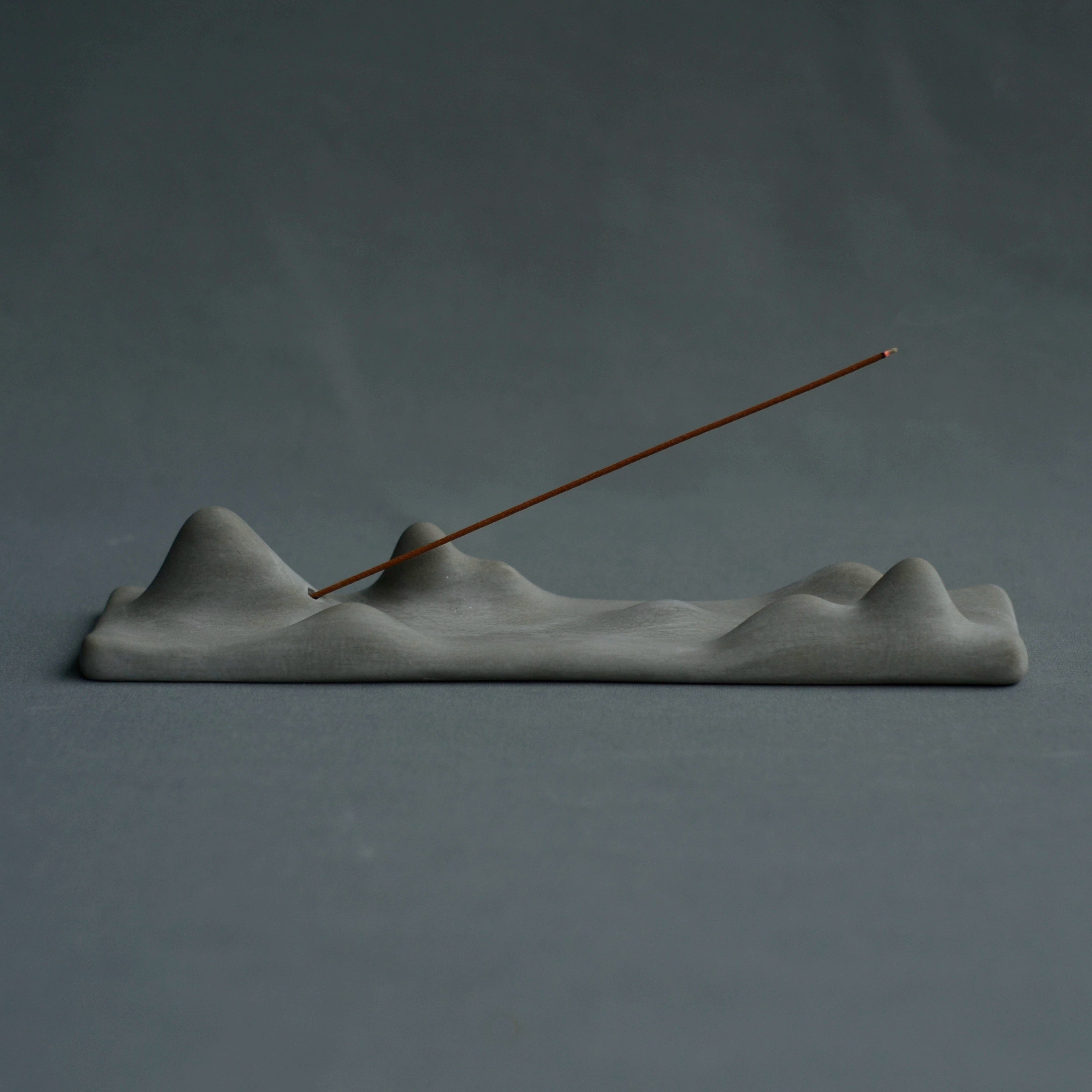
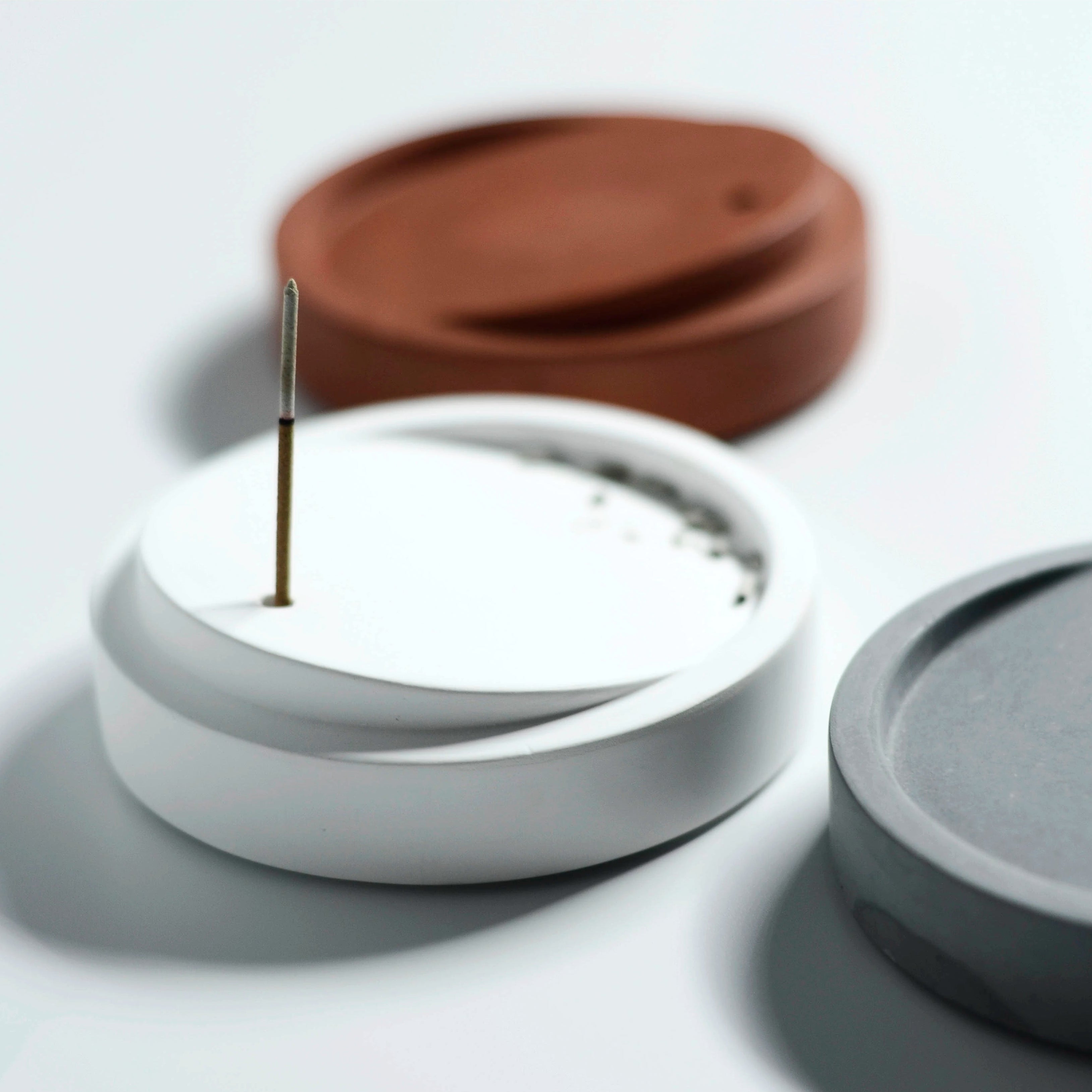
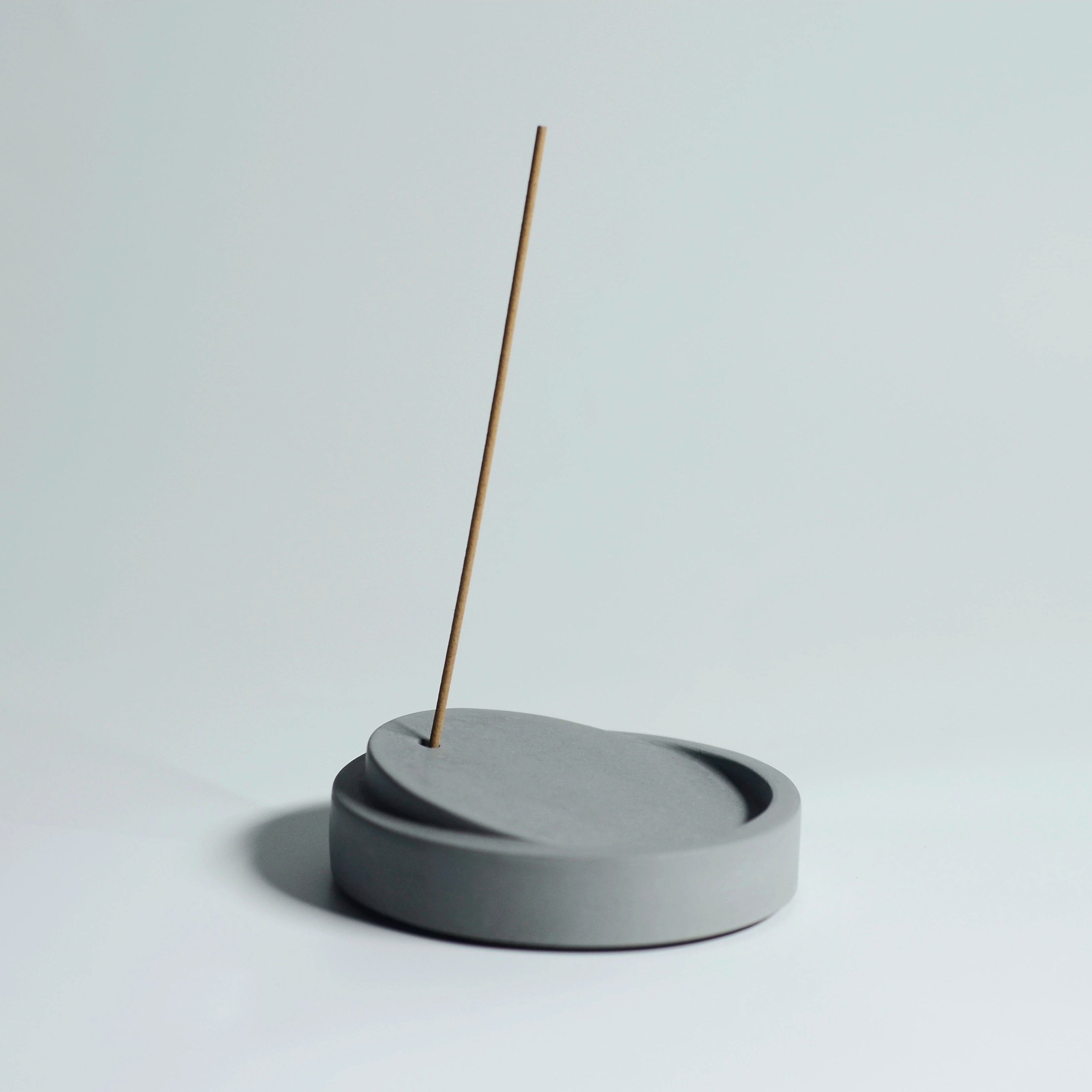
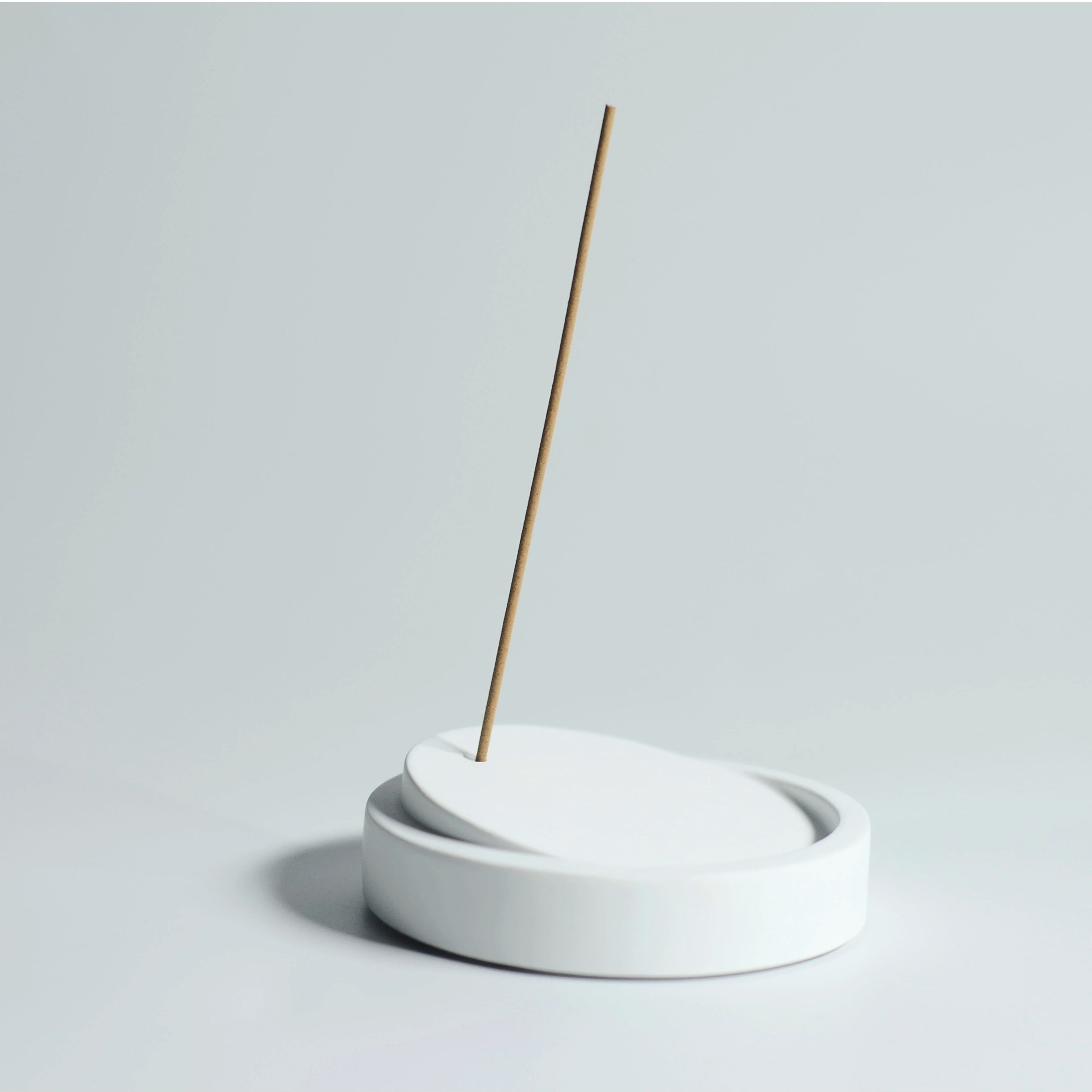
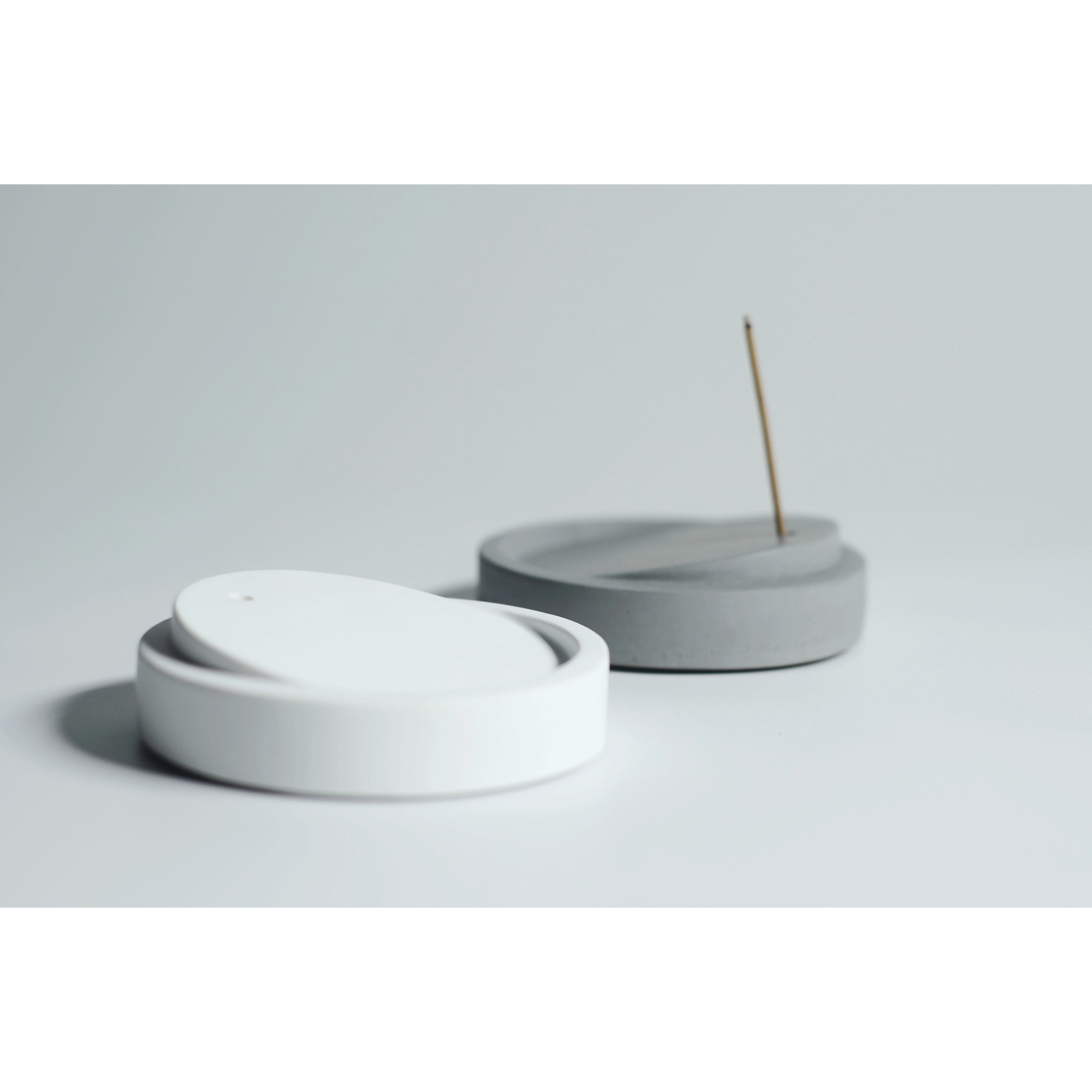
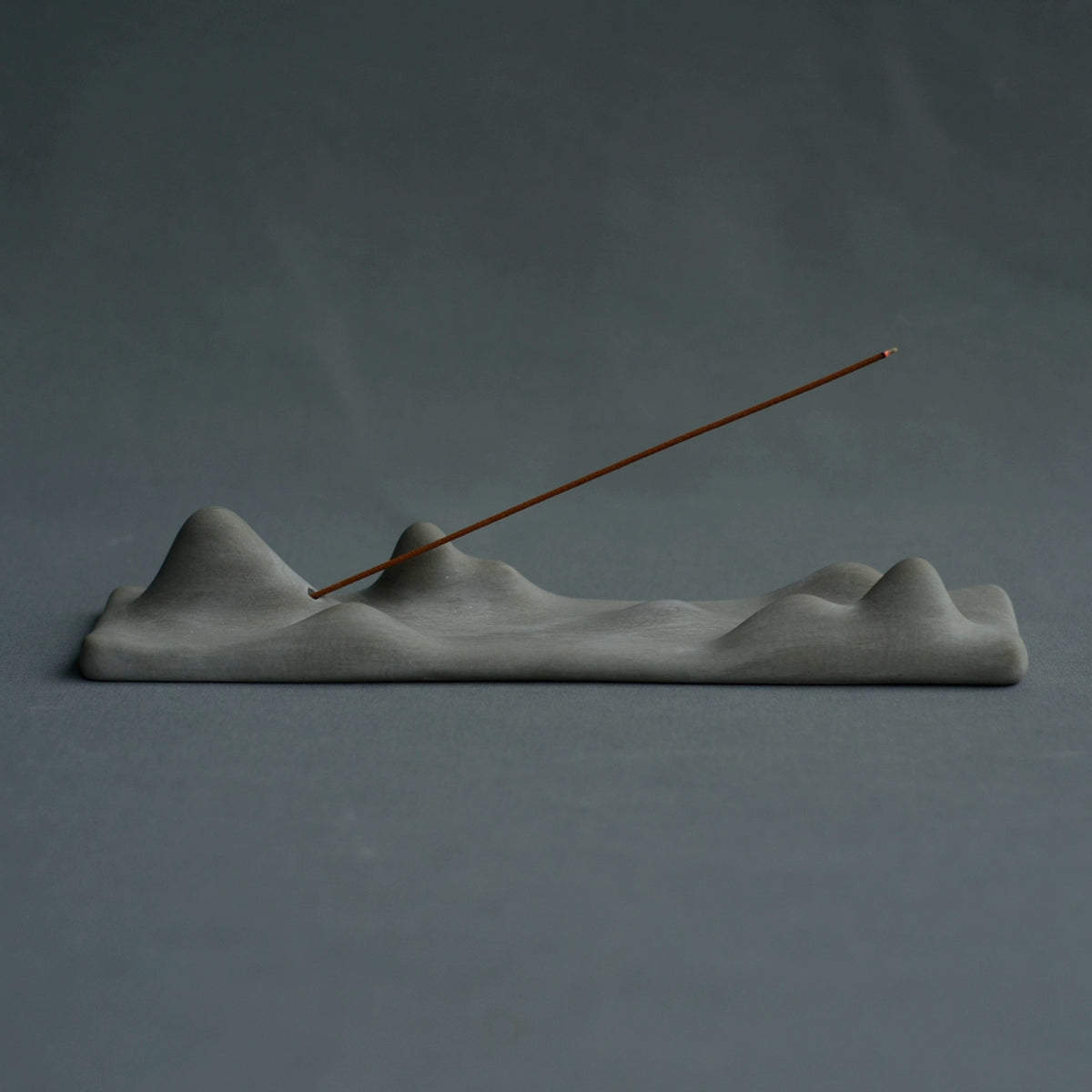
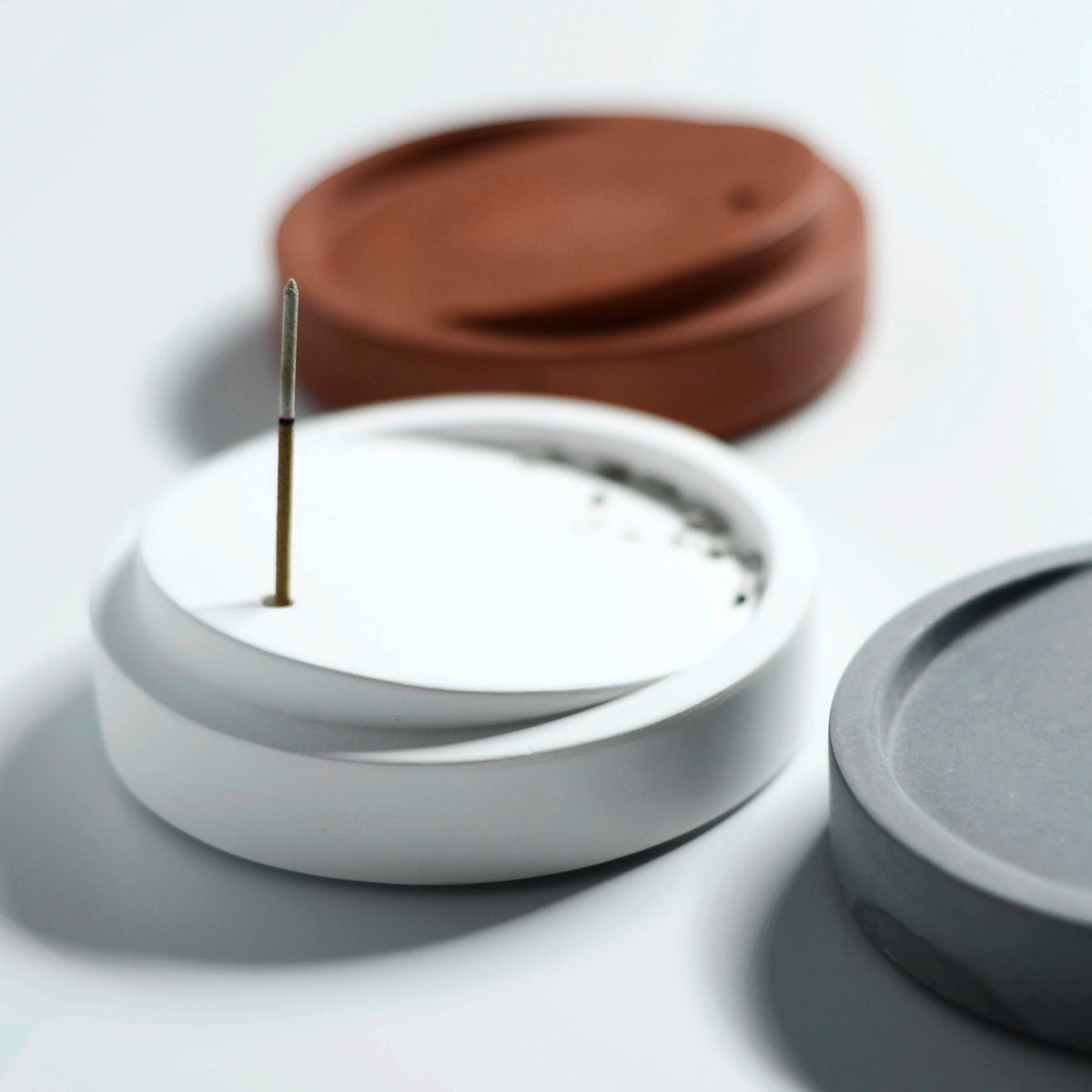
The mountain form returns. The ASPDIN Zen Mountain Range Incense Holder is a direct descendant of the Han boshanlu: a mountain landscape in composite stone, the incense stick resting in a groove along the ridgeline. Smoke rises along the peaks exactly as it did from bronze censers two thousand years ago. The ASPDIN ZenSpin Slide Incense Holder tackles an ancient problem with contemporary intelligence, a concealed ash channel that slides open for cleaning.
Nature-inspired form. The Zhiguan Lotus Leaf Ceramic Incense Holder draws from the same impulse that produced Song lotus-patterned censers: natural forms translated into ceramic.
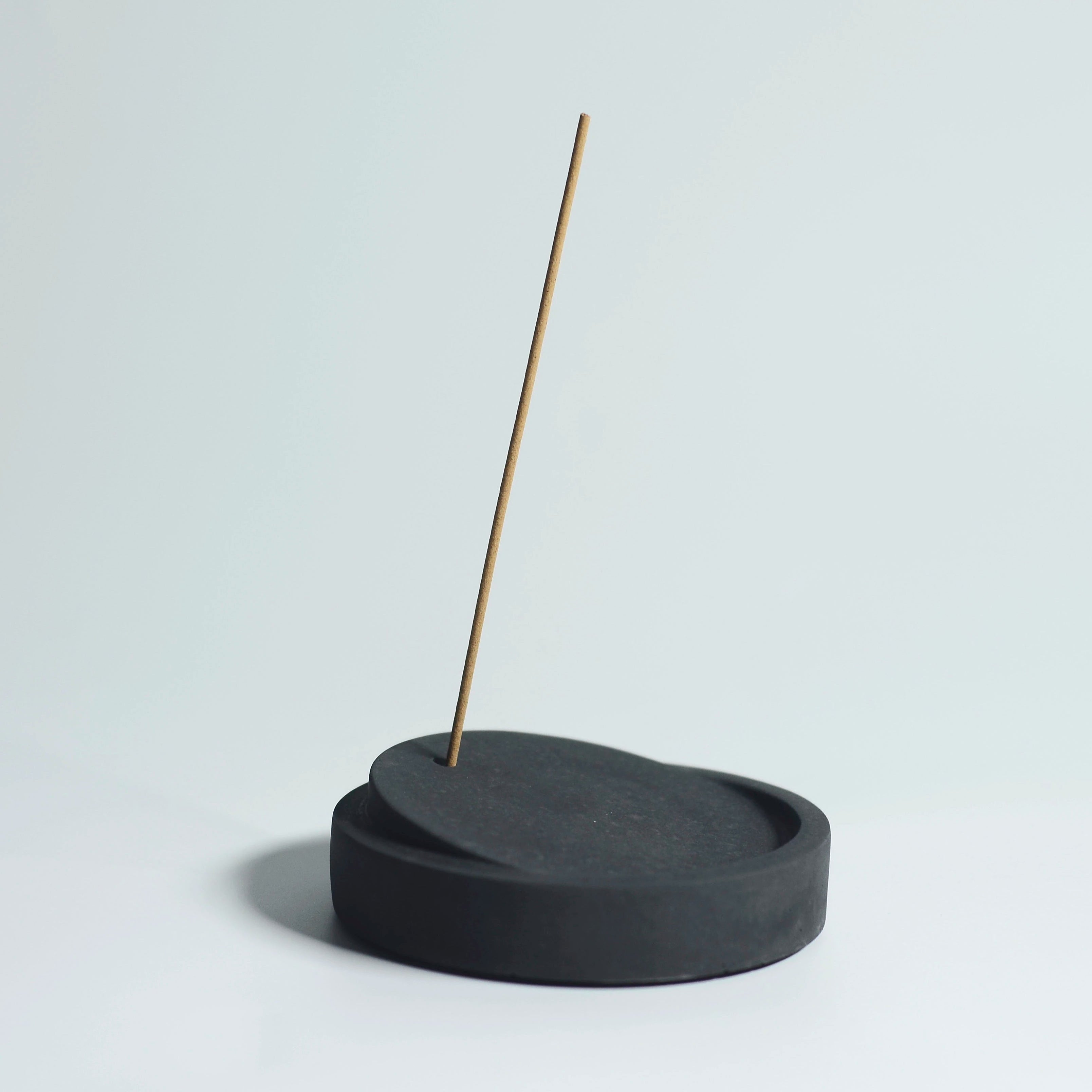
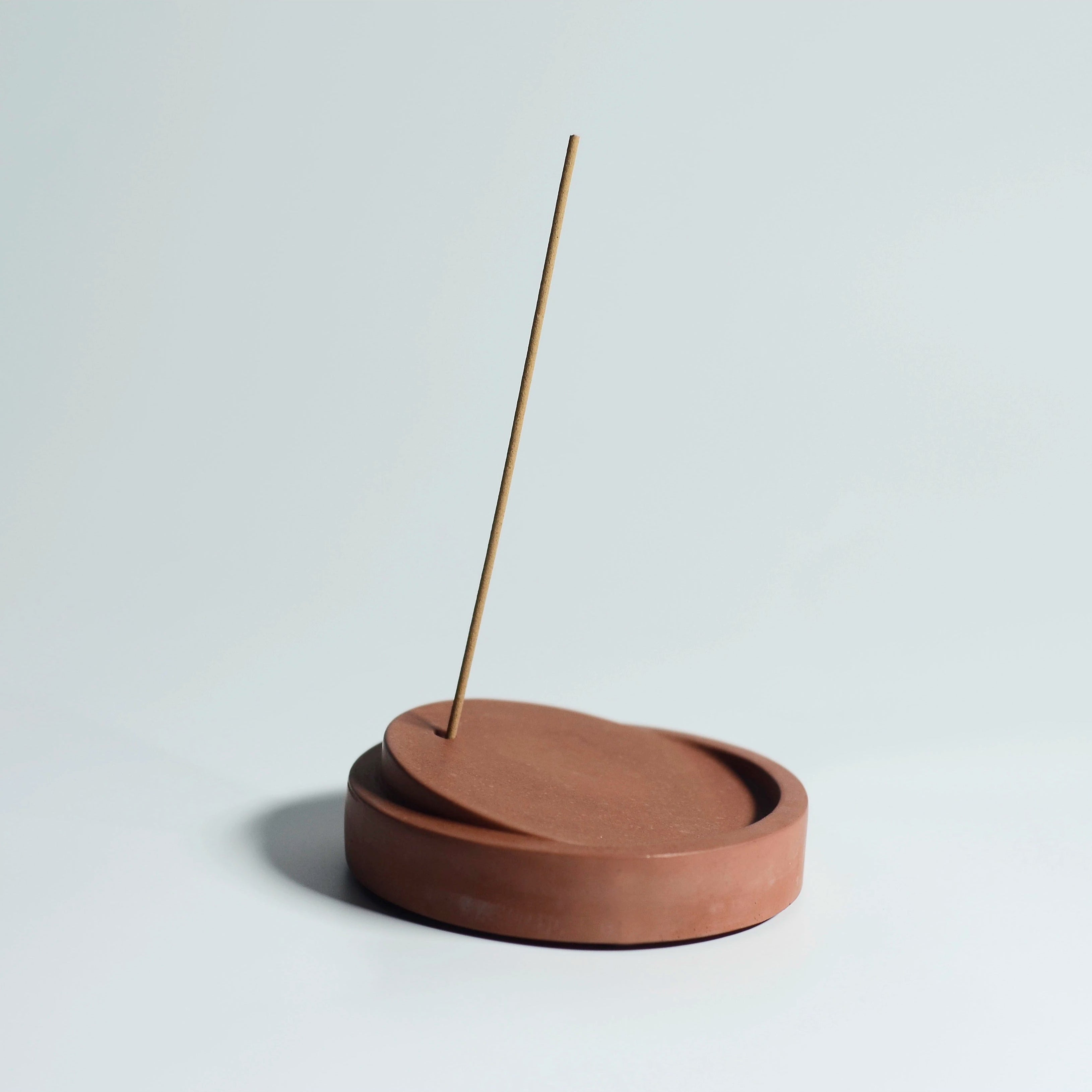
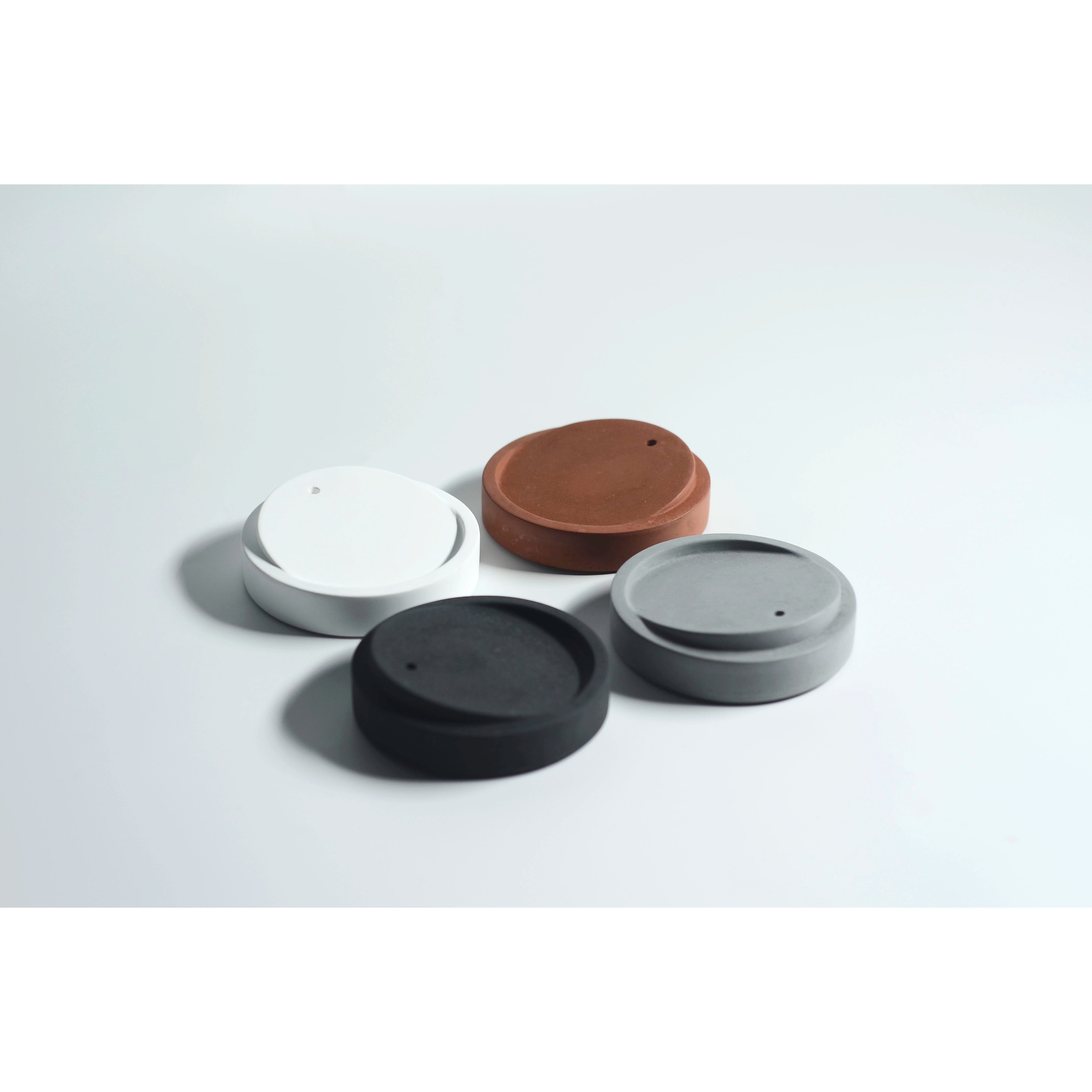
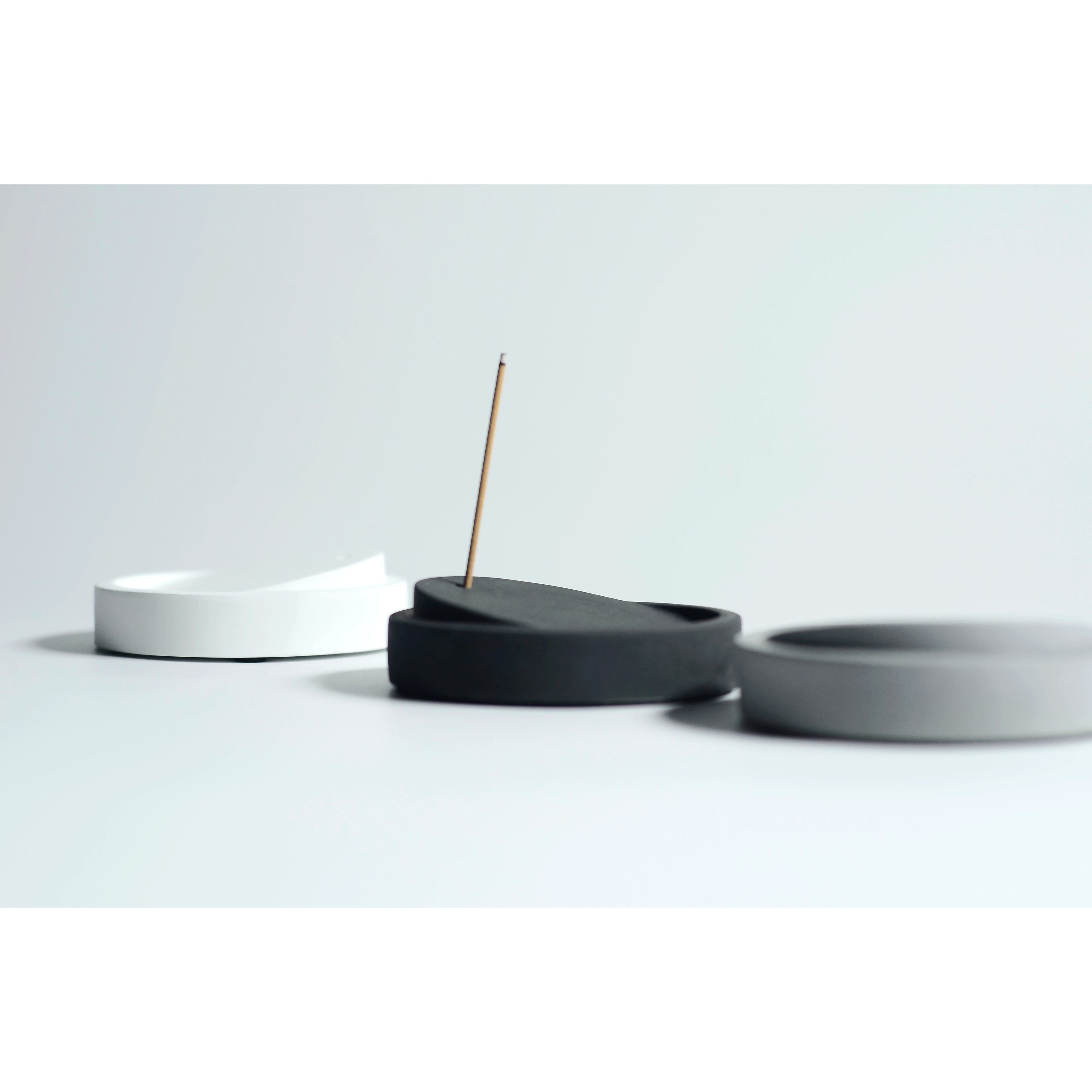
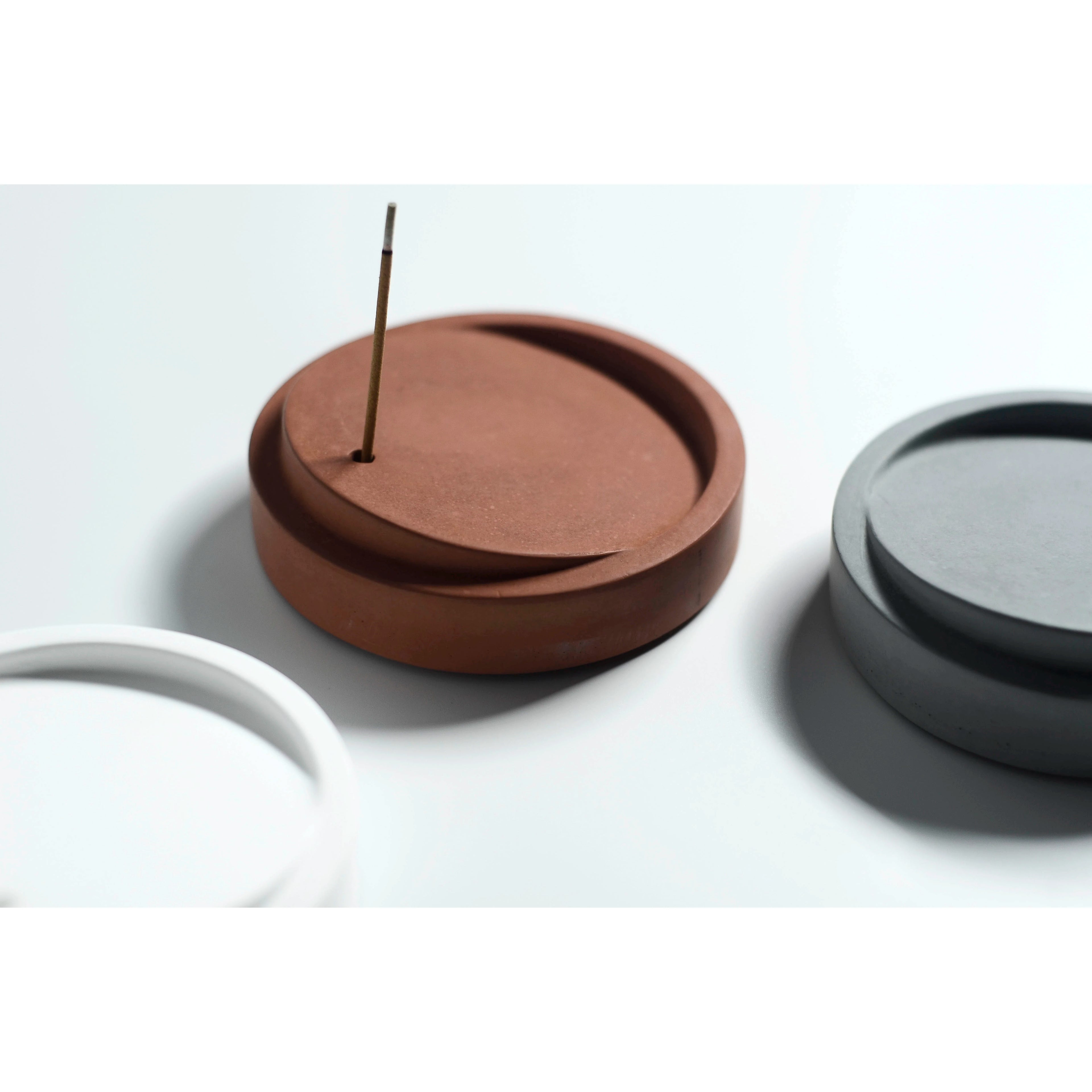
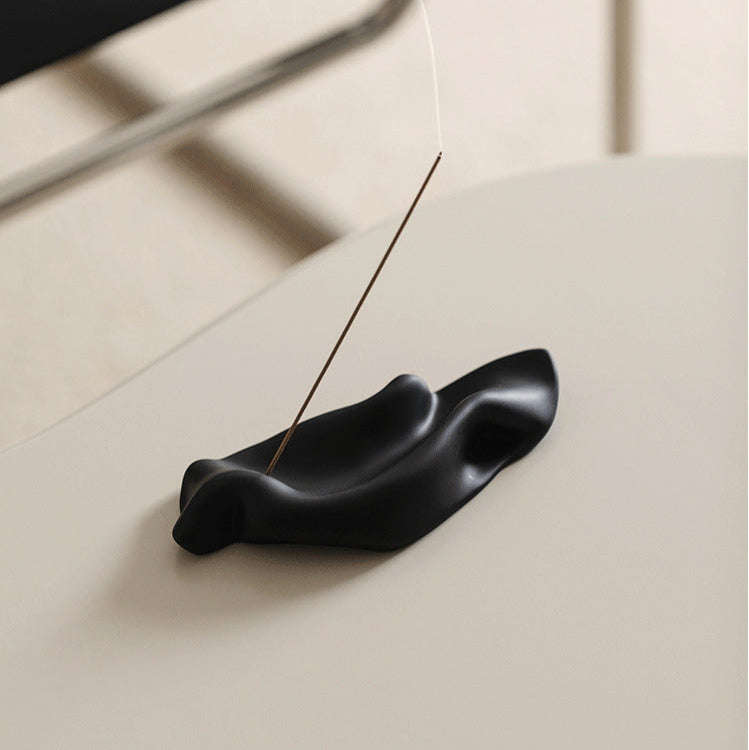
Sculptural minimalism. The Muso Modern Artistry Incense Holder, MUSO's own design, takes the form of a conch shell in cast composite. Owing little to any specific historical tradition, it functions primarily as a shape: organic, asymmetrical, rewarding from any angle.
Across all seven pieces, the thread is the same one running through five millennia: the recognition that the object holding the incense matters. Not just for catching ash, but because the ritual deserves a worthy stage. The ceramic incense holder collection and resin incense holder collection each explore a distinct side of the contemporary tradition. For a broader look, see the Best Incense Holders 2026 Buyer's Guide. And the wabi-sabi decor guide traces how that philosophy shapes the objects we choose for our spaces.
The Dongzhi Tranquil Harmony Incense Set offers a curated introduction to the scents that inspired five millennia of craftsmanship. For how the stick in the holder came to be, How Artisan Incense Is Made follows the material from raw wood and resin to finished stick.
The incense holder's history is, in one sense, finished, every historical form belongs to a closed chapter. But in another sense it is still being written, every time an artisan sits at a wheel or pours resin into a mold. The ancient censers asked: what does incense deserve to rest in? The question is still being answered.
This article is for informational purposes about incense products and craftsmanship. MUSO Collection makes no claims about the health effects of its products.
Frequently Asked Questions
What is the oldest known incense holder?
The oldest surviving incense burners come from Egypt's Old Kingdom (c. 2500-2345 BCE), simple ceramic and stone bowls with extended handles. The Metropolitan Museum of Art holds a bronze censer arm from Egypt's Late Period (c. 664-332 BCE) cast in the form of a falcon, the earliest known burner shaped to carry symbolic meaning. In China, bronze boshanlu (mountain censers) date to the Western Han dynasty (c. 113 BCE), with notable examples at the National Museum of China.
What is a boshanlu incense burner?
A boshanlu (博山爐) is a Chinese incense burner from the Han dynasty (206 BCE-220 CE) cast in bronze and shaped like a mountain range pierced with small holes. When incense burned inside, smoke emerged through the perforations, curling around the peaks like clouds, condensing Han-dynasty Daoist cosmology into a tabletop object. Contemporary descendants include sculptural holders like the ASPDIN Zen Mountain Range.
How did Japanese kōro differ from Chinese incense holders?
Japanese kōro (香炉) developed within the kōdō tradition and were deliberately smaller, simpler, and more restrained. Where Chinese censers pursued cosmological drama, Japanese kōro emphasized reduction and tactile quality, prized Raku-ware ceramics with irregular shapes and black or red glazes. The kōgō (香合), a small lidded box for storing raw incense material, became a separate object of artistic attention during the Edo period.
What materials are traditional incense holders made from?
Traditional holders span bronze (lost-wax casting in Han China and South India), ceramic (celadon-glazed Song stoneware, Japanese Raku-ware), soapstone (India, for thermal shock resistance), brass and copper (Middle Eastern mabkhara), and carved hardwood (Ming China). Wood holders required heat-shielding metal inserts, a constraint that still applies today.