

What Is Wabi-Sabi Decor?
Wabi-sabi is a Japanese worldview centered on the acceptance of imperfection and transience. When applied to home decor, it creates spaces that feel calm, grounded, and deeply human, rooms where the crack in a ceramic bowl is not hidden but celebrated, where wood grain tells its own story, and where every object has been chosen for its authenticity rather than its polish.
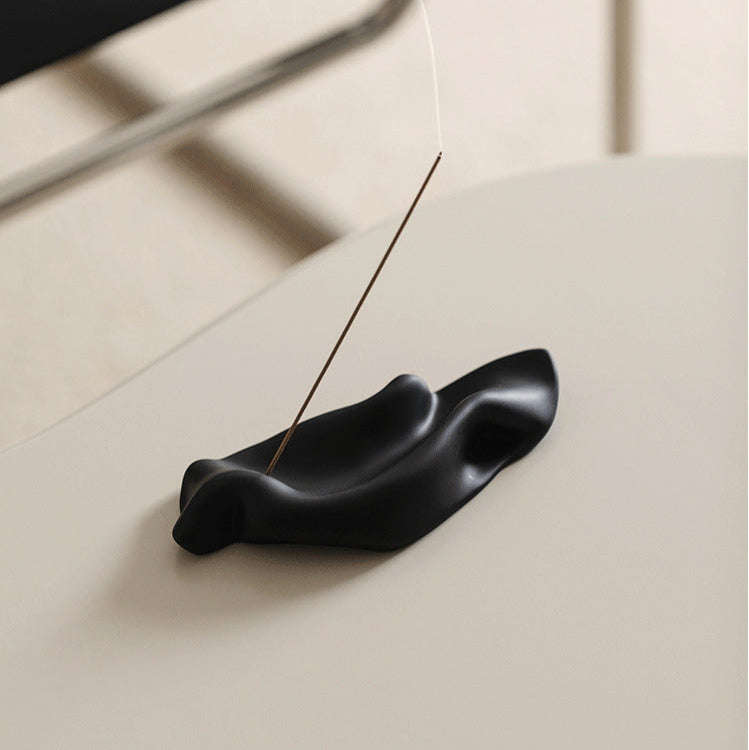
At its heart, wabi-sabi decor is the antidote to the relentless pursuit of perfection that defines so much of modern design. Instead of sterile, identical rooms, wabi-sabi invites you to live with objects that have texture, warmth, and history. This philosophy is at the core of MUSO Collection's approach, every incense holder in our collection celebrates the natural variations in clay, glaze, and form that make each piece unique.
The Core Principles of Wabi-Sabi Decor
Embrace Natural Materials
Wabi-sabi interiors favor materials that age beautifully: raw wood, natural stone, unpolished clay, linen, cotton, and wool. These materials develop patina over time, a wooden table acquires scratches, a ceramic vase develops a subtle craquelure, a linen sofa softens with use. These marks are not flaws; they are evidence of a life well lived.
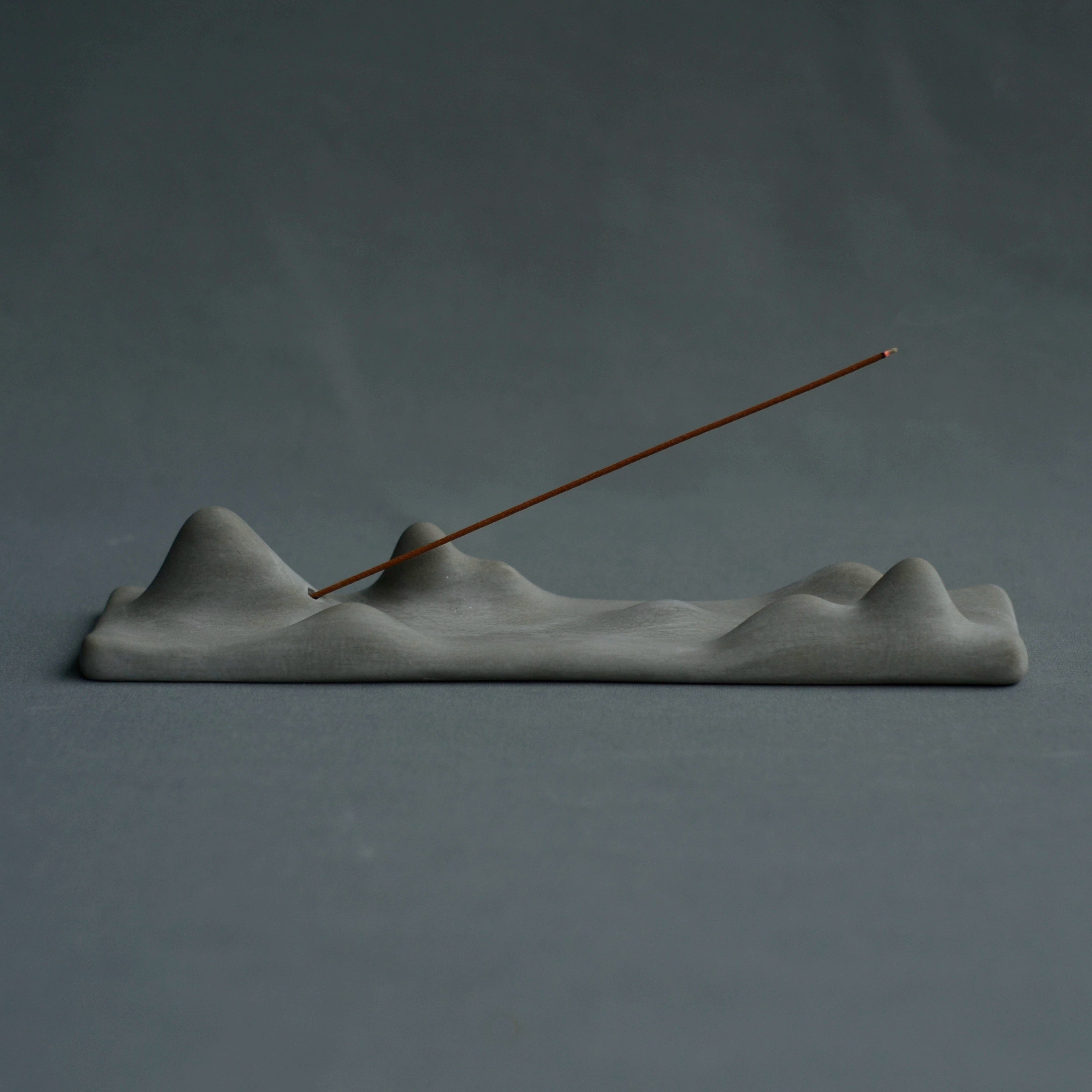
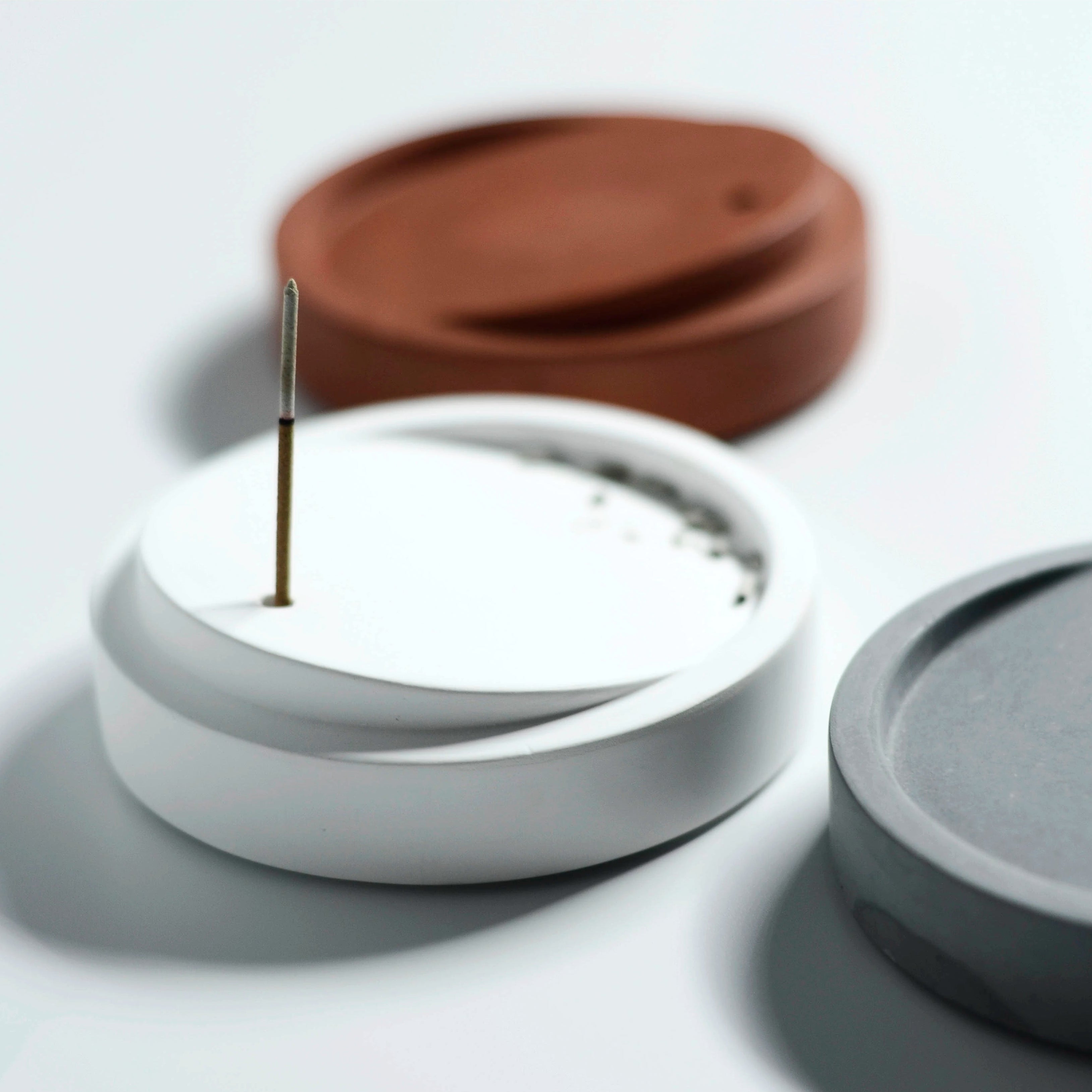
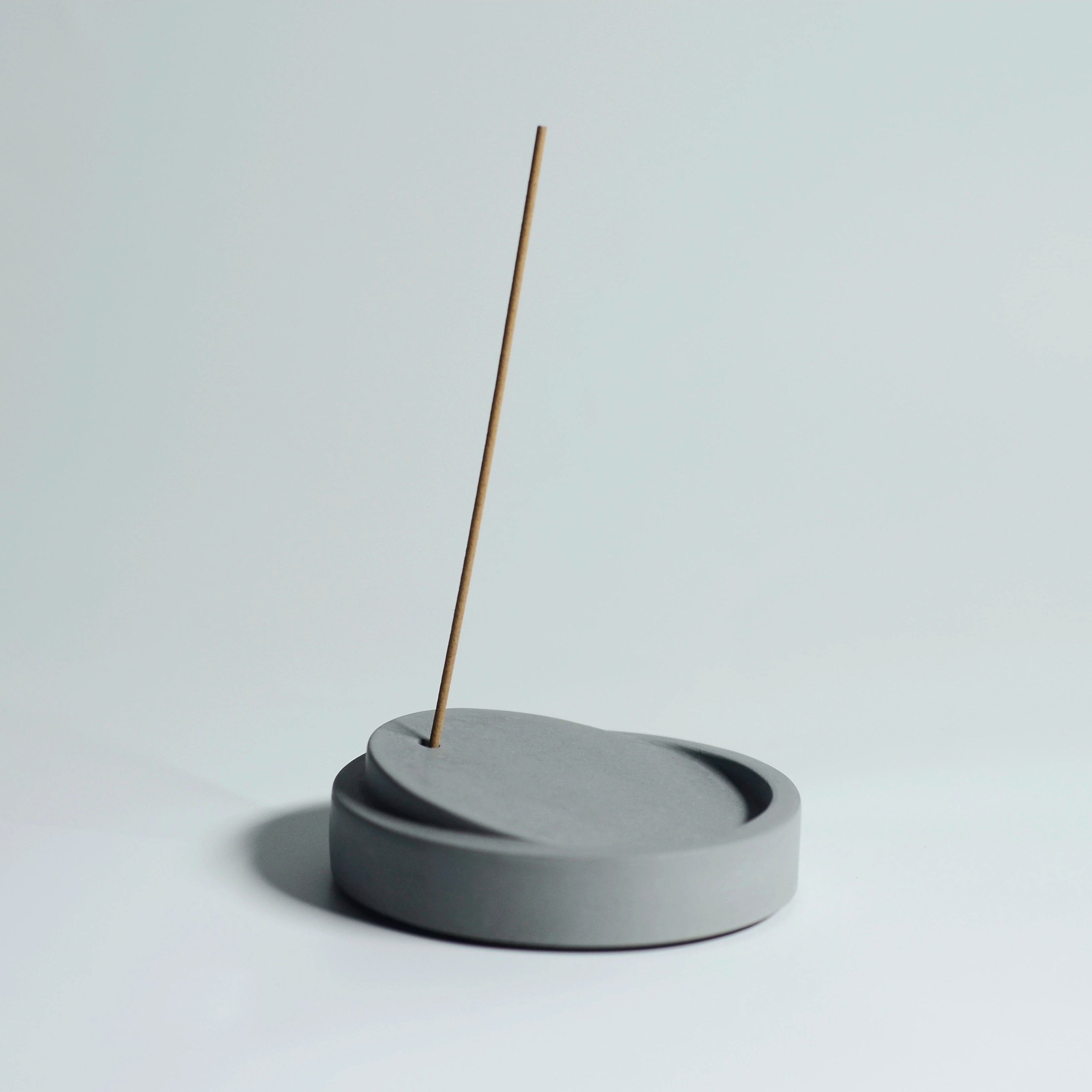
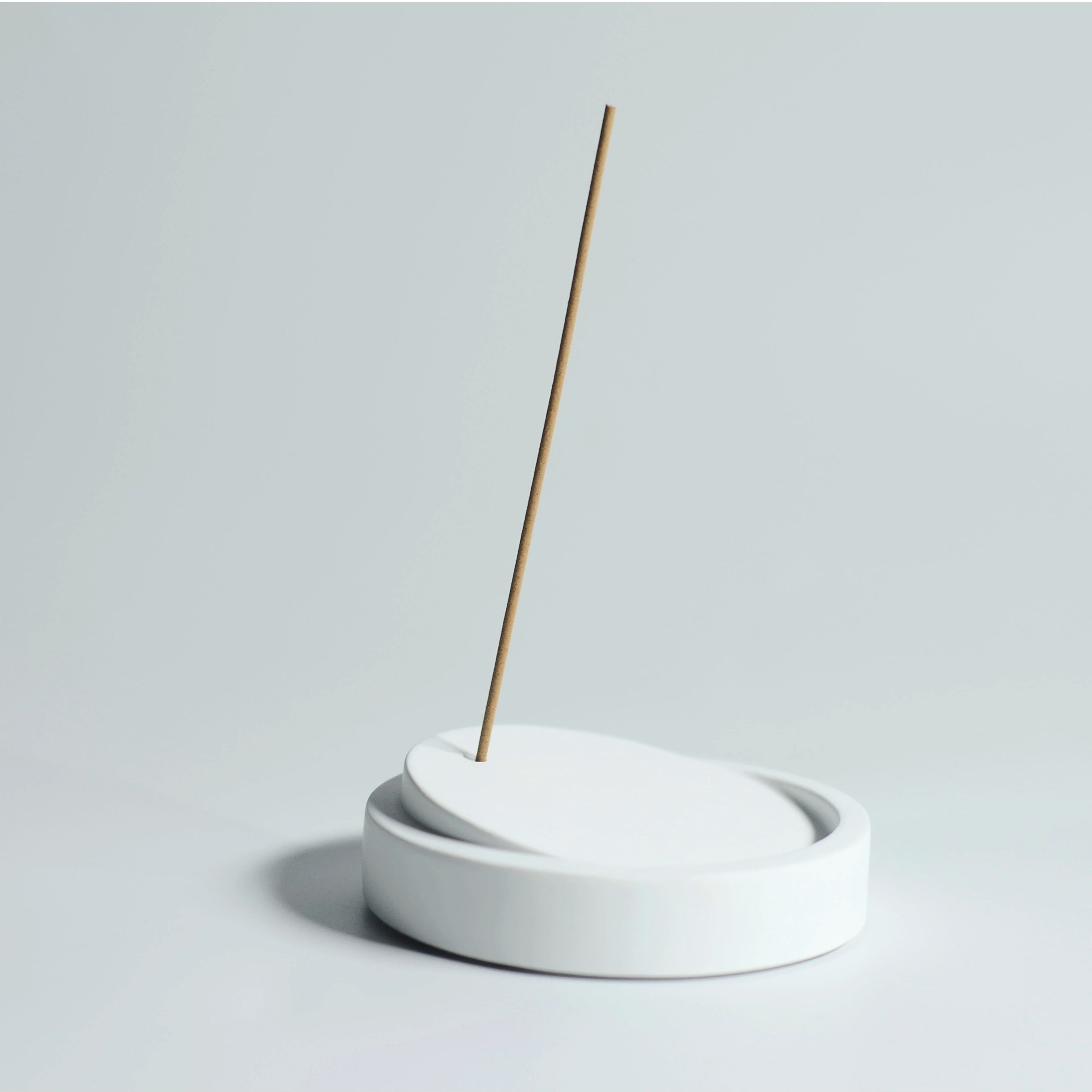
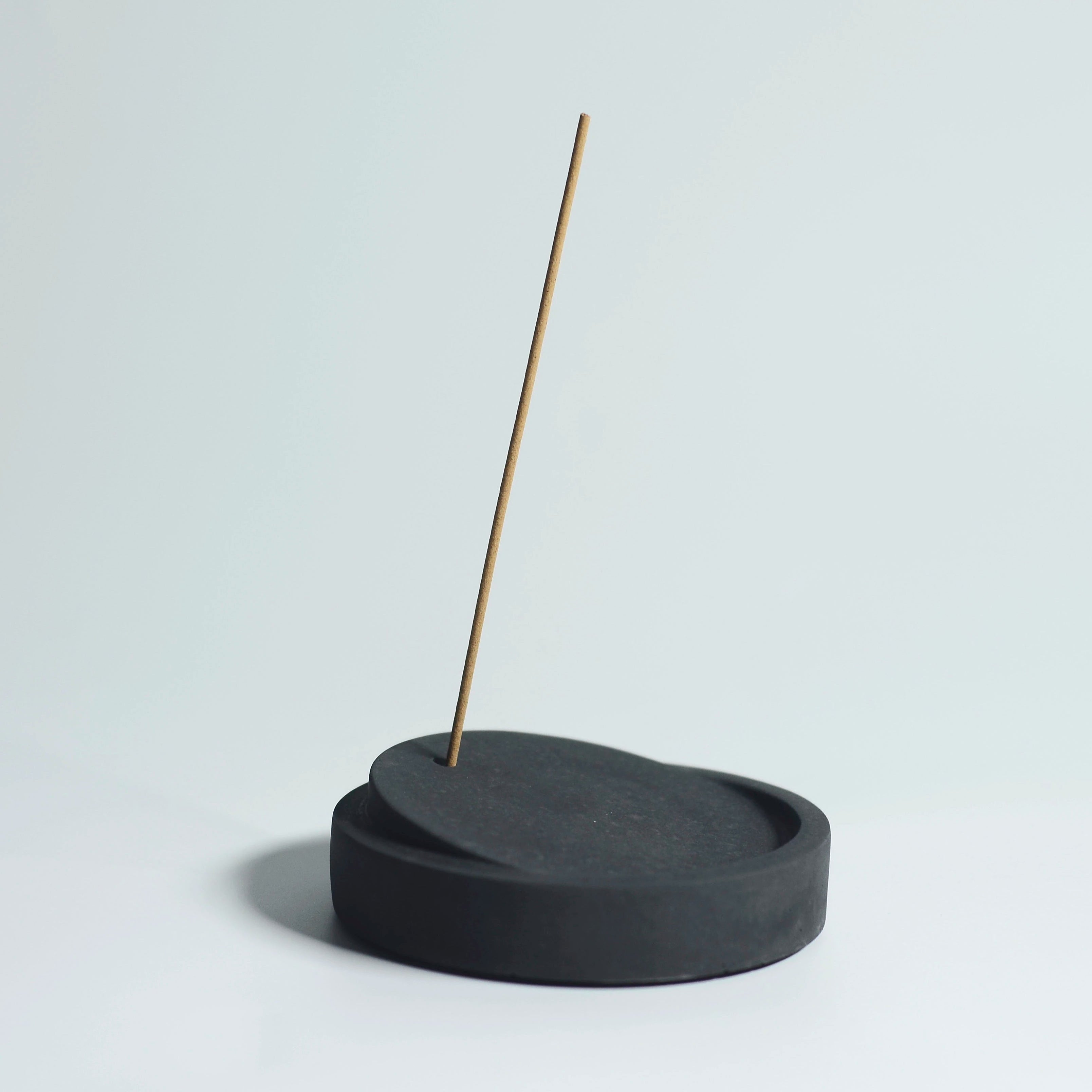
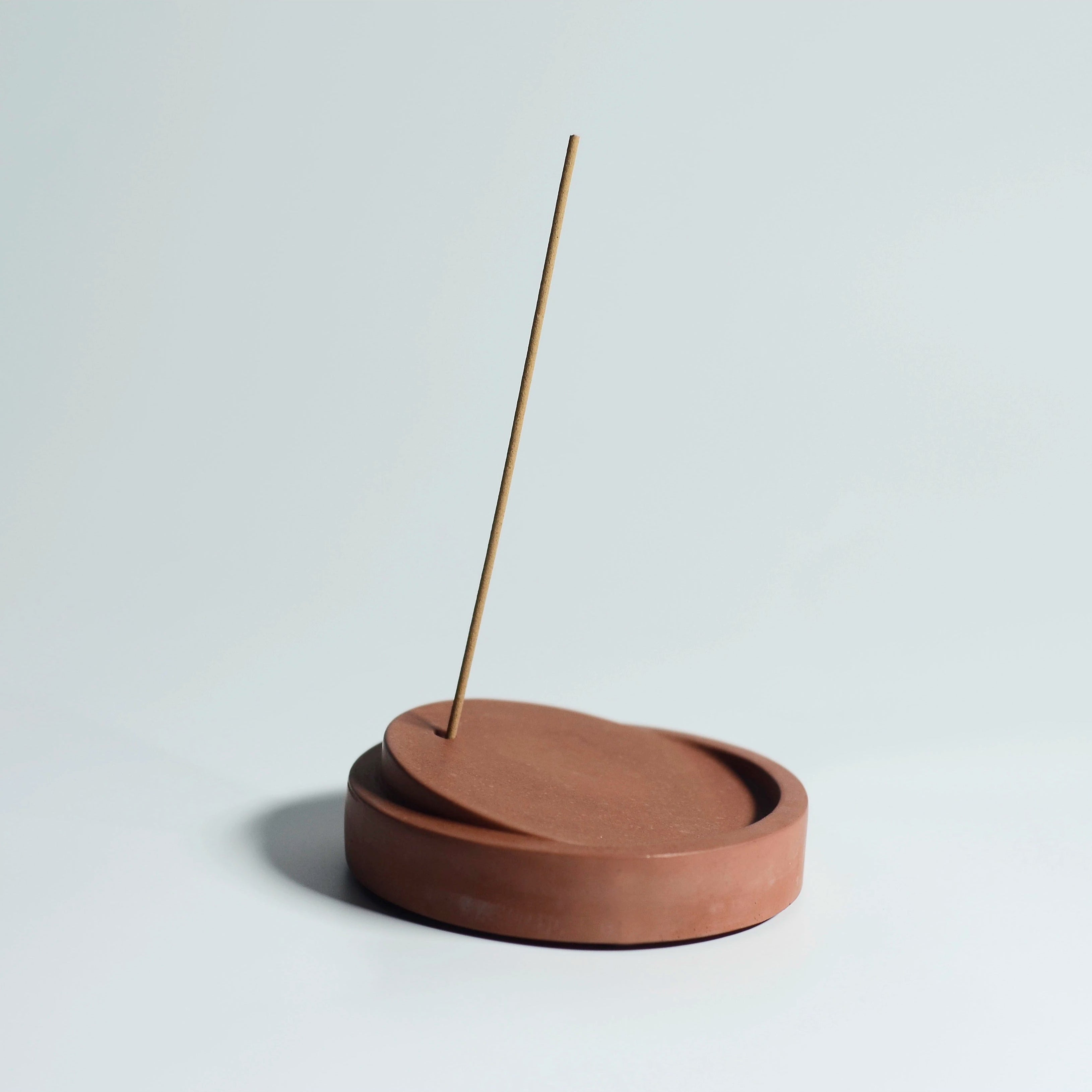
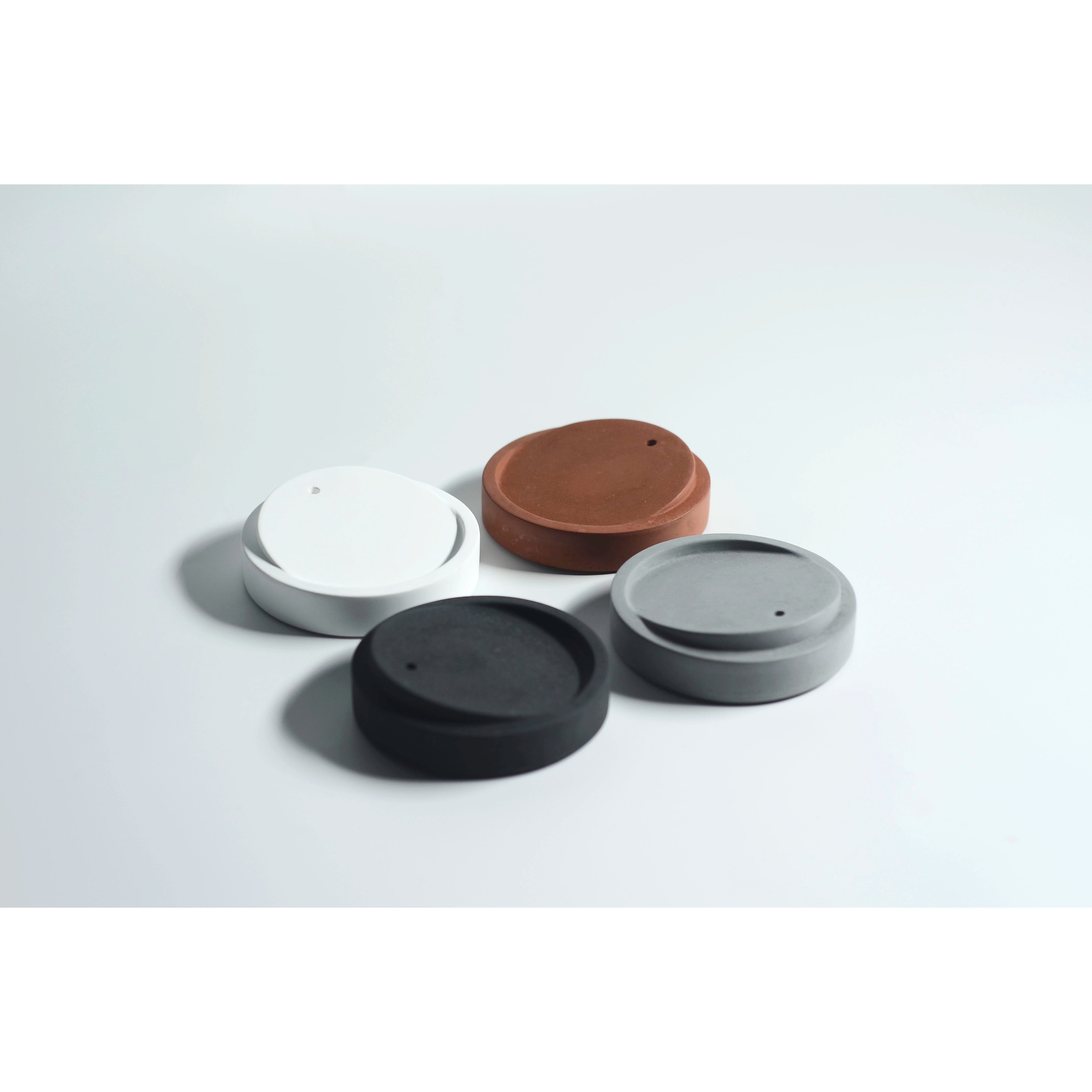
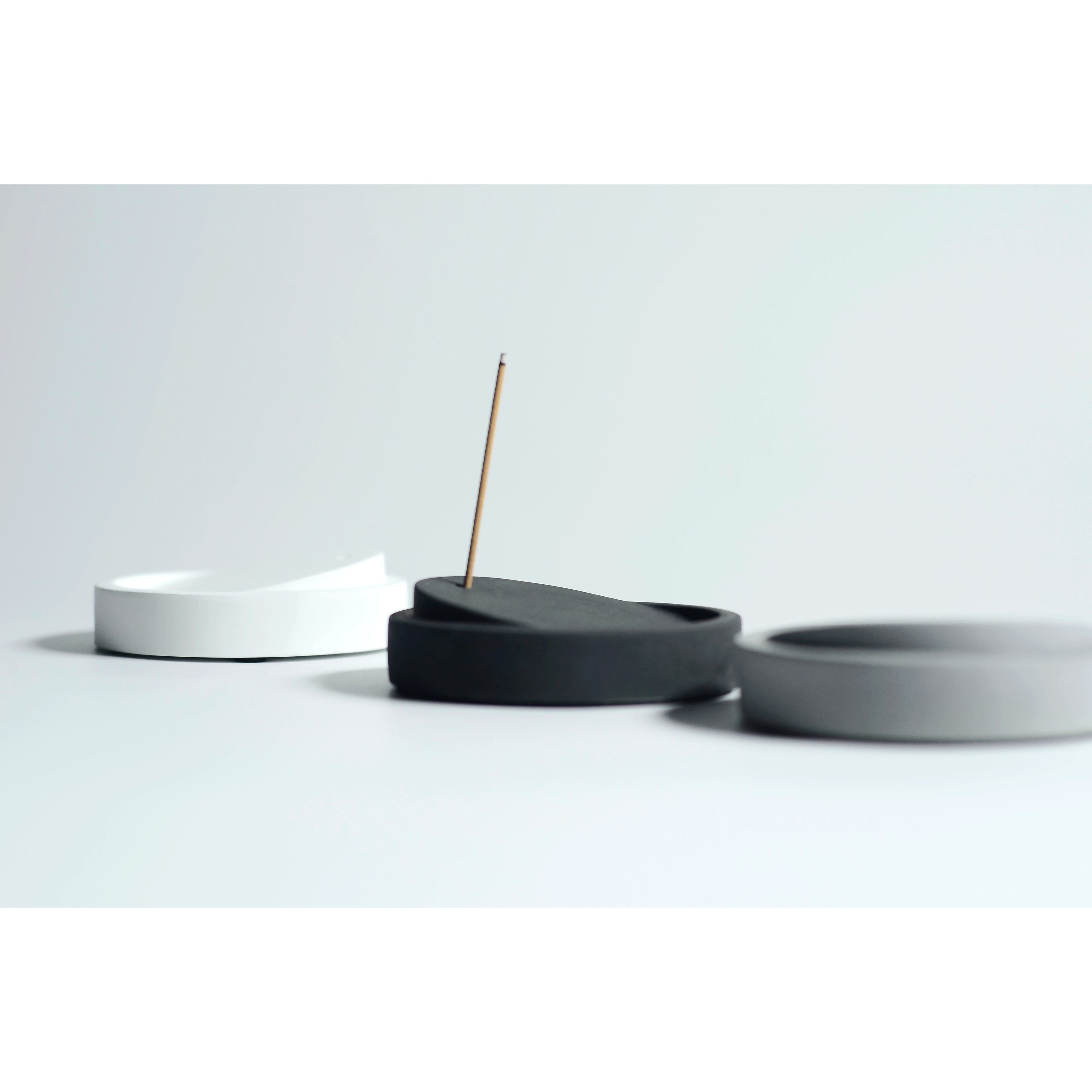
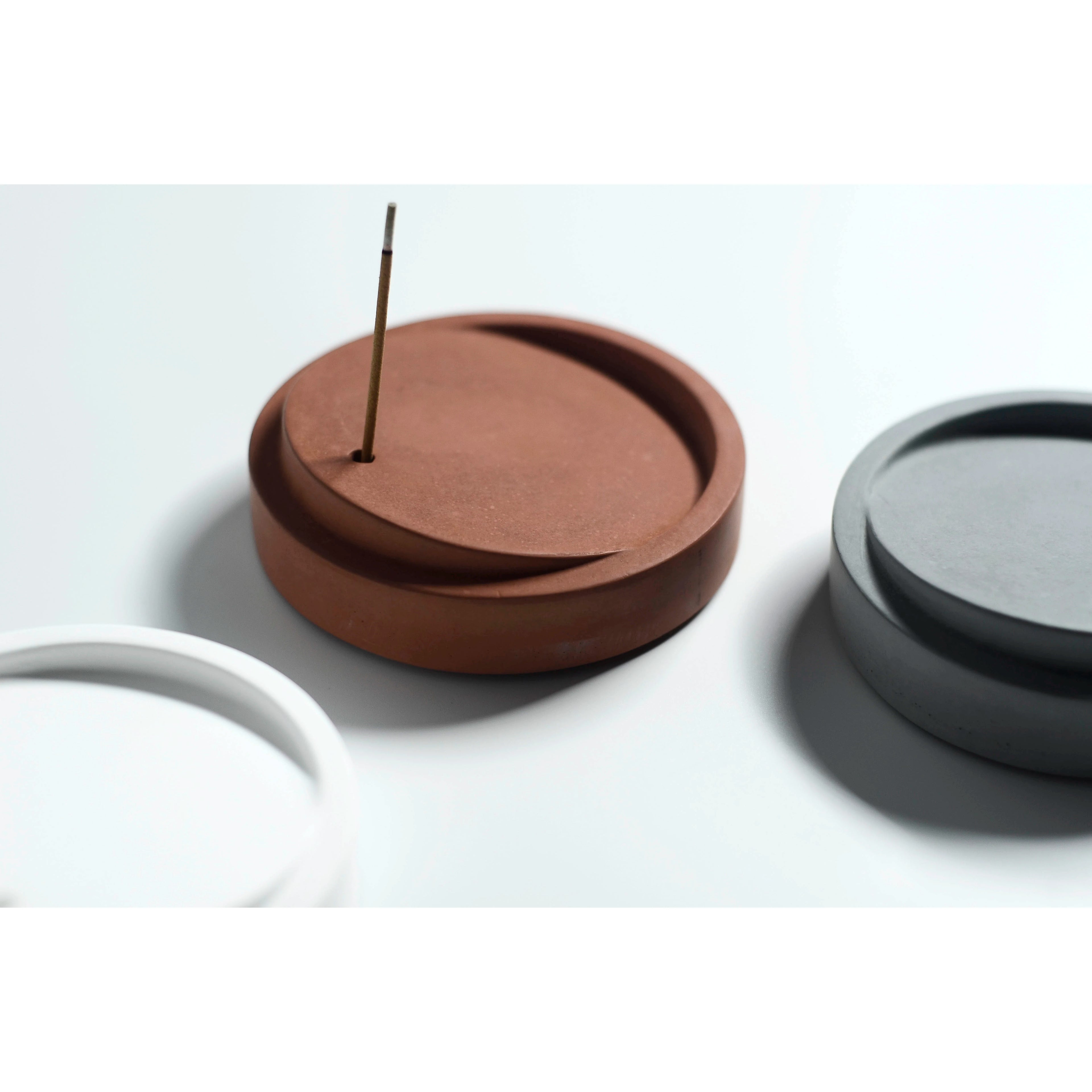
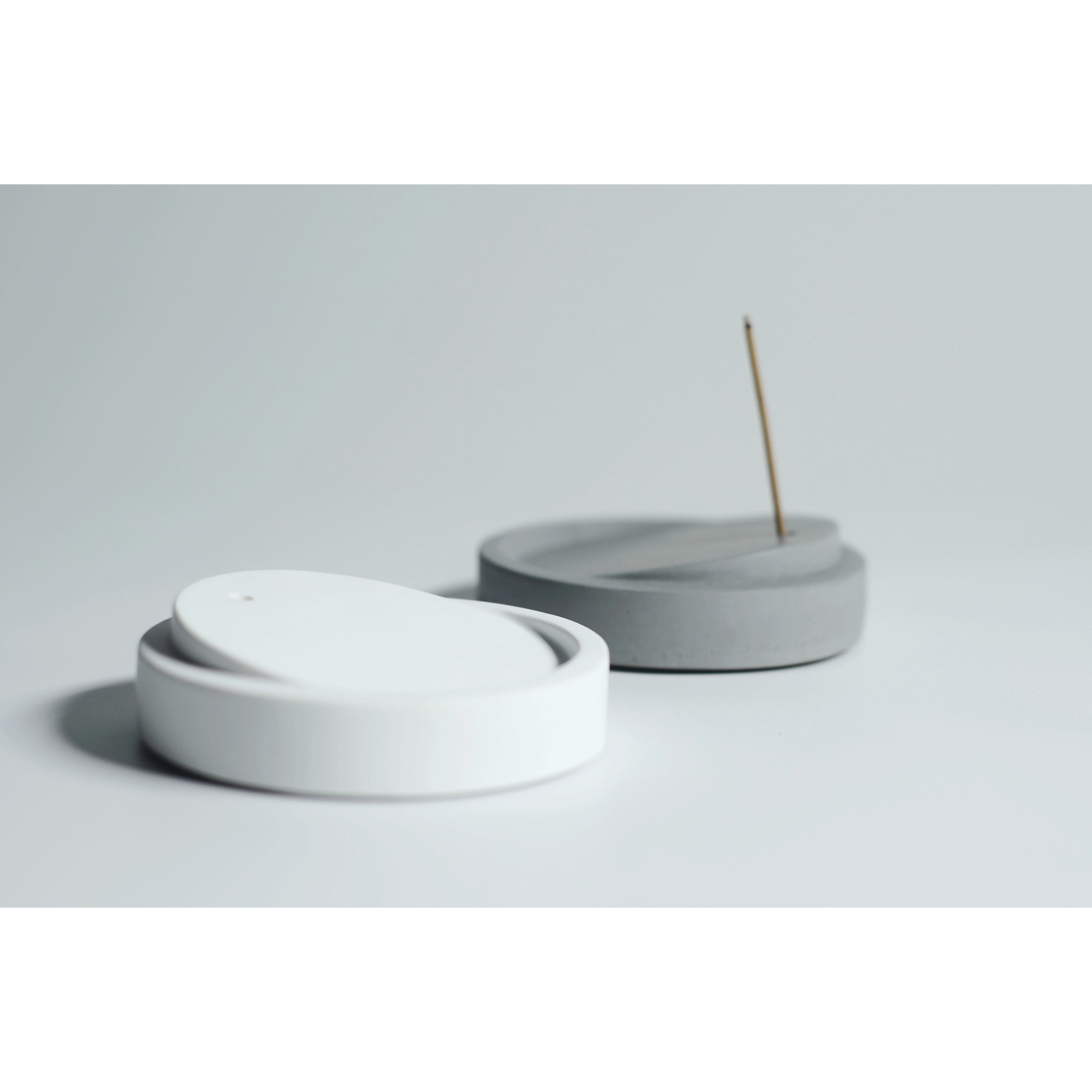
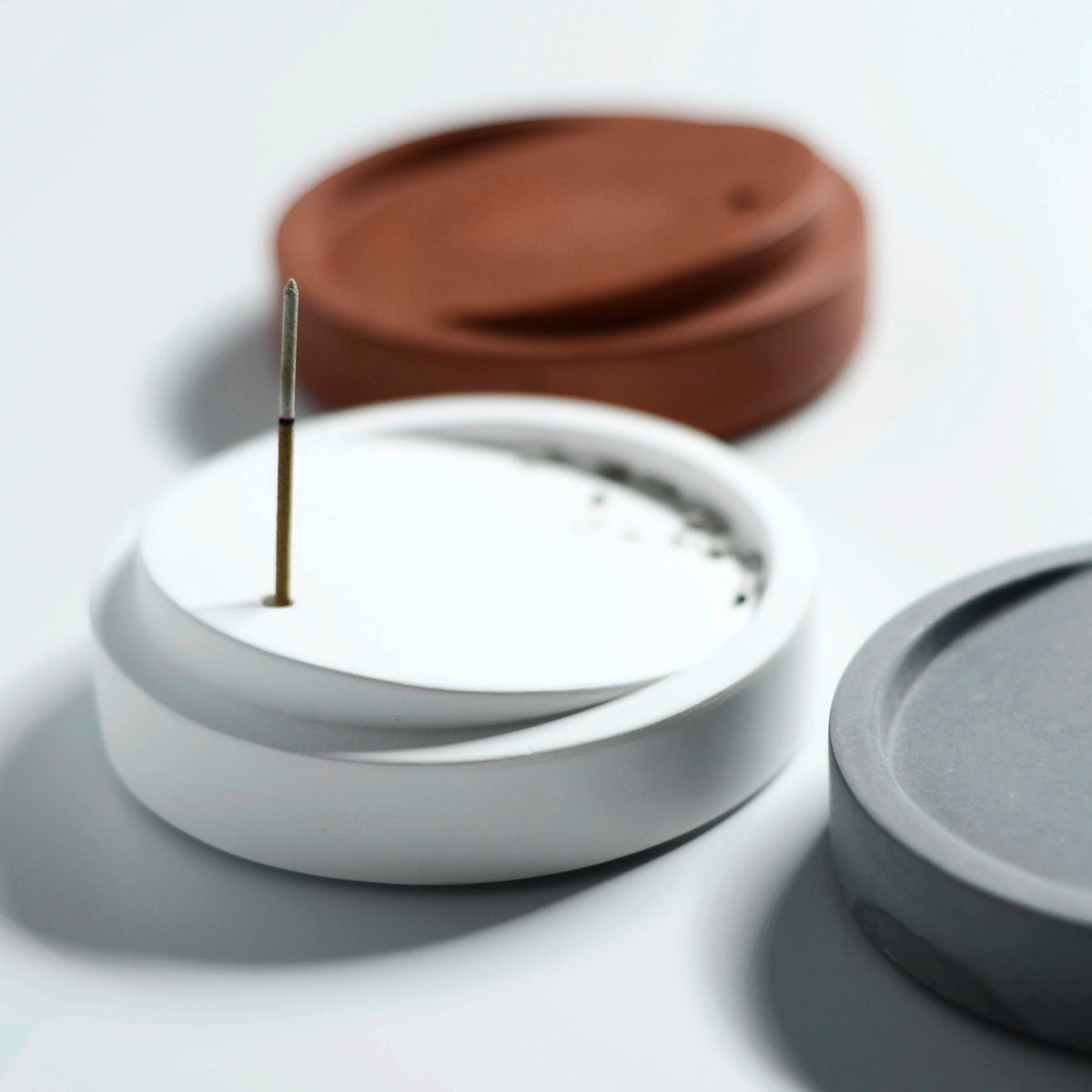
A ceramic incense holder from MUSO's Wabi-Sabi Collection embodies this perfectly. The slight asymmetry of a hand-thrown piece, the variation in glaze thickness, the tiny pit or bubble in the clay, these are the qualities that make each holder a one-of-a-kind object.
Prioritize Simplicity and Function
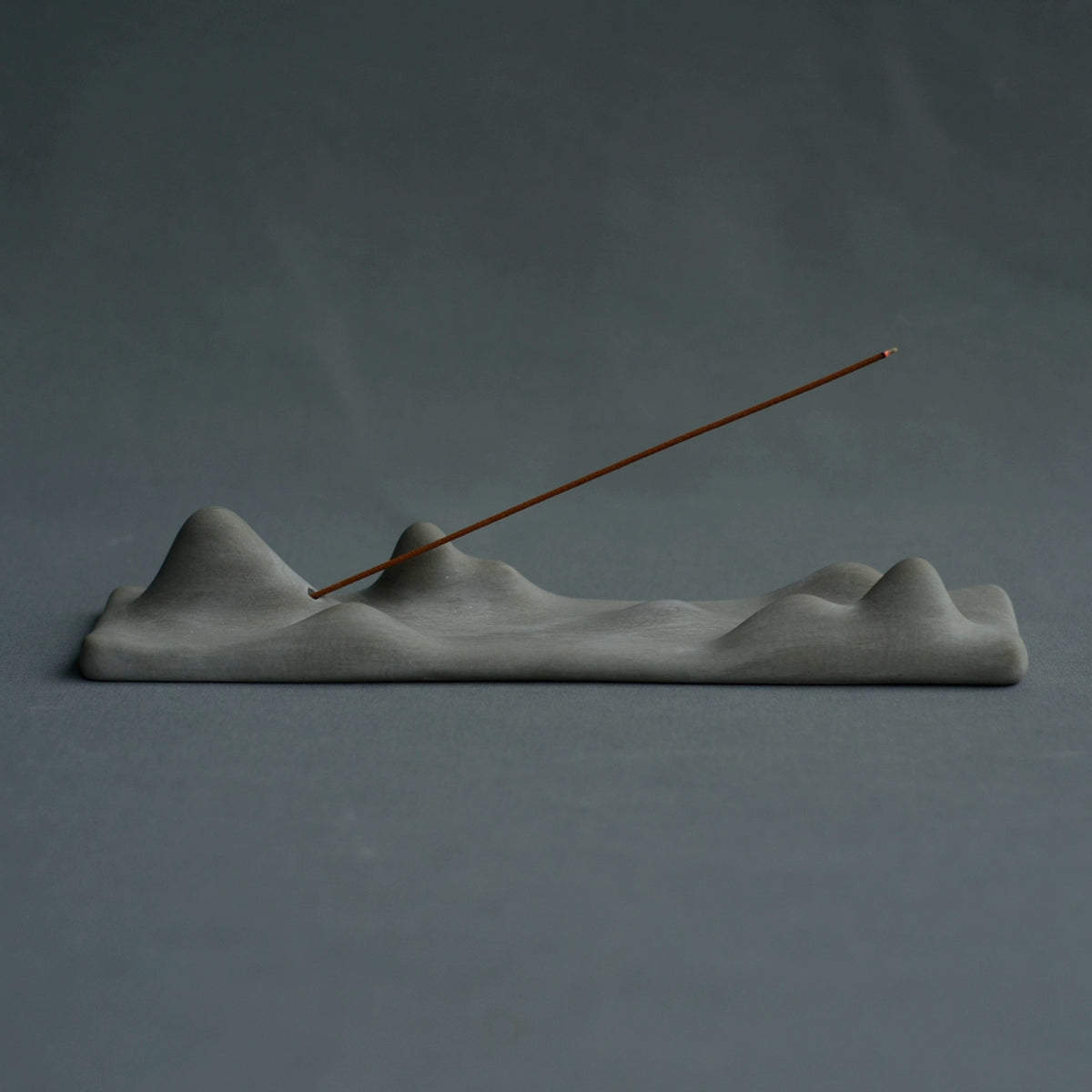
Wabi-sabi decor is not about minimalism in the sense of emptiness, but about intentionality. Every object should serve a purpose or bring joy. Clutter is gently edited so that the pieces that remain can be fully appreciated. An incense holder on a simple wooden shelf, a single branch in a ceramic vase, a hand-thrown tea bowl on a windowsill, these arrangements feel quiet and complete.
Celebrate Imperfection
The Japanese practice of kintsugi, repairing broken pottery with gold lacquer, is the ultimate expression of wabi-sabi. The break becomes part of the object's history, made beautiful rather than hidden. In the same spirit, a naturally uneven glaze or a hand-painted line that wobbles slightly is not a defect but a signature of the human hand.
How to Style Your Home with Wabi-Sabi Decor
Start with One Meaningful Object
You do not need to redesign your entire home at once. Begin with a single wabi-sabi piece, a ceramic incense holder, a handmade vase, a wooden tray, and build your space around its authenticity. Place it where you will see it daily: on your bedside table, meditation corner, or coffee table.
Layer Textures, Not Patterns
Wabi-sabi spaces are textural rather than patterned. Combine rough linen with smooth ceramic, raw wood with soft wool, stone with cotton. The contrast between materials creates visual interest without the need for busy prints or bold colors. Earth tones, beige, taupe, clay, slate, moss green, form the natural palette.
Create a Meditation or Mindful Corner
The wabi-sabi aesthetic is a natural fit for a meditation space. A simple ceramic incense holder on a low wooden table, a cushion on the floor, natural light filtering through simple curtains, this is all you need. The incense itself, whether Dongzhi Aged Sandalwood or Fuji Divine Cedar, adds a sensory dimension that deepens the experience of stillness.
Let Objects Age Naturally
Resist the urge to keep your home looking "new." A ceramic piece that develops a slight patina, a wooden surface that shows wear, linen that softens and wrinkles, these are signs that your home is alive. Wabi-sabi invites you to find beauty in this natural aging process.
Wabi-Sabi vs. Japandi: What's the Difference?
Japandi design blends Japanese minimalism with Scandinavian functionality, creating clean, warm, and highly curated spaces. Wabi-sabi is a philosophical foundation that can inform many design styles, including Japandi. The key difference is that wabi-sabi actively celebrates imperfection, while Japandi tends toward cleaner lines and more deliberate simplicity. Both, however, value natural materials, craftsmanship, and understated beauty.
Why MUSO Collection for Wabi-Sabi Decor?
MUSO Collection was founded on wabi-sabi principles. Every product we carry, from the artisan incense holders by Momo's Life, ASPDIN, and Aura to our curated incense sticks, reflects our belief that true beauty is found in natural materials, gentle curves, and the honest marks of craftsmanship. Our tagline, "Discover your inner peace," is an invitation to slow down, breathe, and find beauty in the imperfect, a philosophy that applies as much to your home as to your inner life.