
Summer Incense Scents 2026: A Seasonal Guide by Scent Profile
Incense burns differently in summer. A stick that fills a room with presence in January can feel oppressive in July — not because the stick has changed, but because the room has. Warmer air holds more moisture, windows stay open longer, and the nose encounters a broader range of stimuli across the day.
This guide approaches seasonal incense selection through four scent profiles — citrus, green, floral, and woody — with attention to the physical conditions that shape how incense performs in warm weather. Nippon Kodo maintains a seasonal fragrance category that rotates by time of year. Asayu Japan has published on yuzu as a summer ritual scent. As of mid-2026, neither has published a full summer seasonal guide.
Why Scent Preferences Shift With the Seasons
Temperature: Warmer air accelerates the evaporation of volatile aromatic compounds. At 25°C (77°F), many lighter esters and terpenes that define citrus and green notes disperse more rapidly than at 18°C. This means richer, denser compositions can feel thick in a warm room.
Humidity: Water vapor in the air competes with aromatic compounds for olfactory receptor binding. In high-humidity conditions, fresh, green, and citrus-forward scents tend to perform better because their lighter molecular profile cuts through moisture more readily.
Ventilation: Open windows and ceiling fans create consistent air exchange. Summer incense benefits from a slightly more assertive scent throw.
Light & Bright: Citrus-Forward Summer Scents
Citrus notes — yuzu, bergamot, lemon peel — are defined by limonene and other monoterpenes, among the most volatile aromatic compounds used in incense. In summer, this volatility is an asset: the scent announces itself immediately in warm, ventilated space.
Dongzhi Pear Incense Sticks bring a crisp, clean sweetness at the intersection of citrus and orchard fruit. The pear note is clean rather than syrupy — fresh-cut Asian pear rather than baked dessert. Moderate scent throw with very little residual smokiness.
Shop Dongzhi Pear Incense Sticks →
Dongzhi Coconut Agarrattan Incense Sticks combine a light coconut top note with a subtle agarwood base. The coconut is present but restrained — more fresh husk than sweetened cream. Bright enough for afternoon use, with just enough depth to carry into early evening.
Shop Dongzhi Coconut Agarrattan Incense Sticks →
Fresh & Clean: Green Notes for Warm Weather
Green notes in incense — bamboo leaf, green tea, cypress, vetiver — draw their character from hexenols and ionones that register as fresh-cut or leafy. In summer, when the nose is already saturated with outdoor smells, green incense notes complement rather than compete.
Fuji Divine Cedar Incense Sticks are built around Japanese cedar — a crisp, resinous green with a clean woody spine. The Fuji line uses a handcrafted, coreless construction that produces less smoke than bamboo-core sticks.
Shop Fuji Divine Cedar Incense Sticks →
For a broader look at how green notes fit into the incense landscape, see our complete guide to incense types.
Floral & Delicate: Light Blooms for Open Windows
Cherry blossom incense captures one of the most recognizably seasonal scent concepts in Japanese culture. The note itself is delicate, slightly powdery, with a sweetness closer to almond than to rose. Several sticks in the MUSO catalog incorporate floral elements. The Dongzhi Tranquil Harmony Incense Set includes floral-forward options alongside woody and resinous profiles.
Woody & Grounding: When Richer Scents Suit Summer Evenings
As the sun drops and windows close against cooler night air, the ventilation equation flips. These are the conditions where woody incense — sandalwood, agarwood, cedar — comes into its own. The key variable is intensity rather than note category.
Fuji Mysore Sandalwood Handcrafted Incense uses high-grade sandalwood with the creamy, warm profile distinctive to Mysore-region heartwood. The Fuji coreless construction produces minimal smoke, ensuring the sandalwood note itself remains the focus.
Shop Fuji Mysore Sandalwood Incense →
Dongzhi Coffee Latte Incense Sticks occupy an unusual space in the summer catalog. The coffee note — roasted, slightly bitter, grounded — works as a post-dinner scent that marks a transition without dominating the room.
Shop Dongzhi Coffee Latte Incense Sticks →
For a deeper look at sandalwood varieties, see our sandalwood incense guide. For agarwood, our agarwood and eaglewood guide covers the full range.
Summer Entertaining: Pairing Incense With the Right Holder
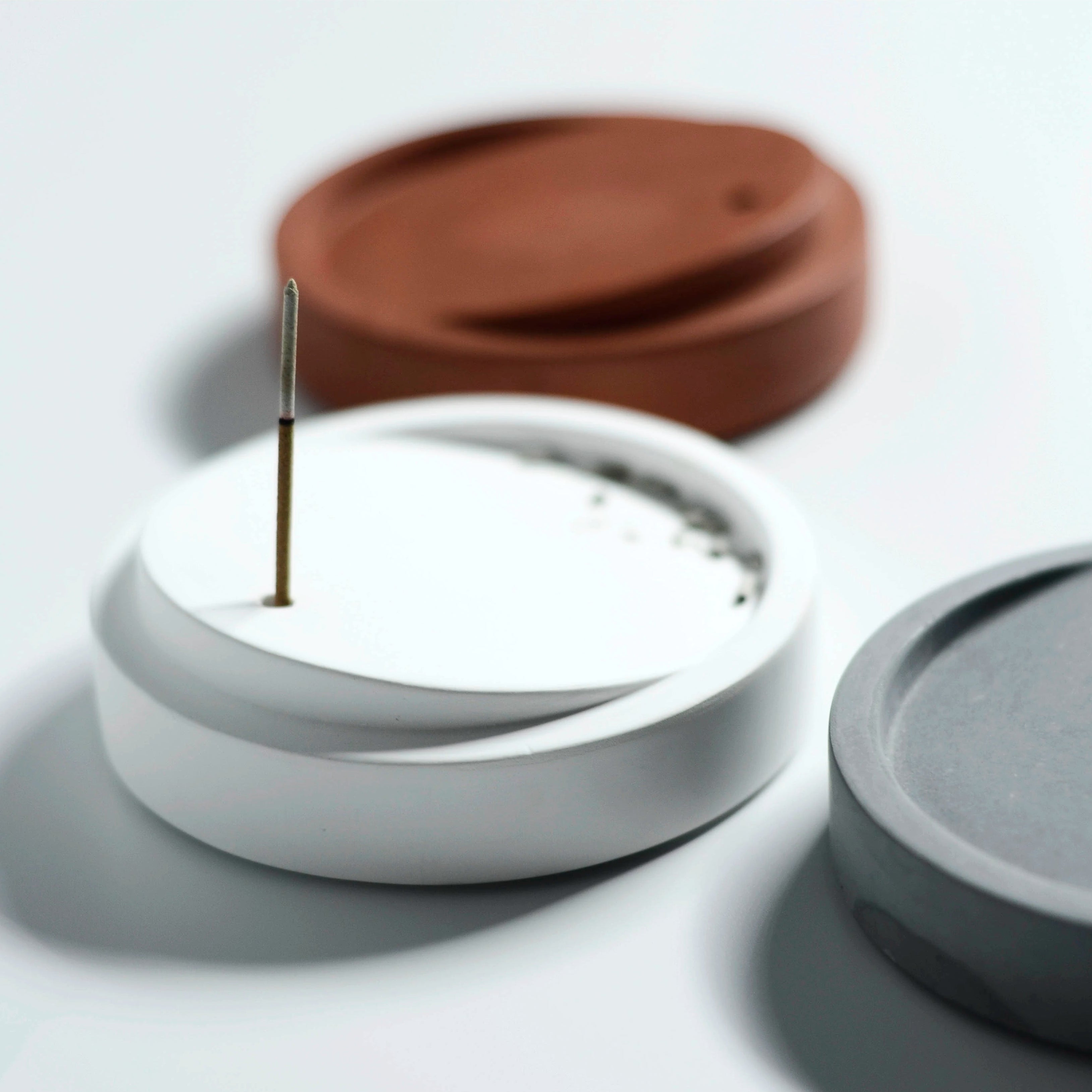
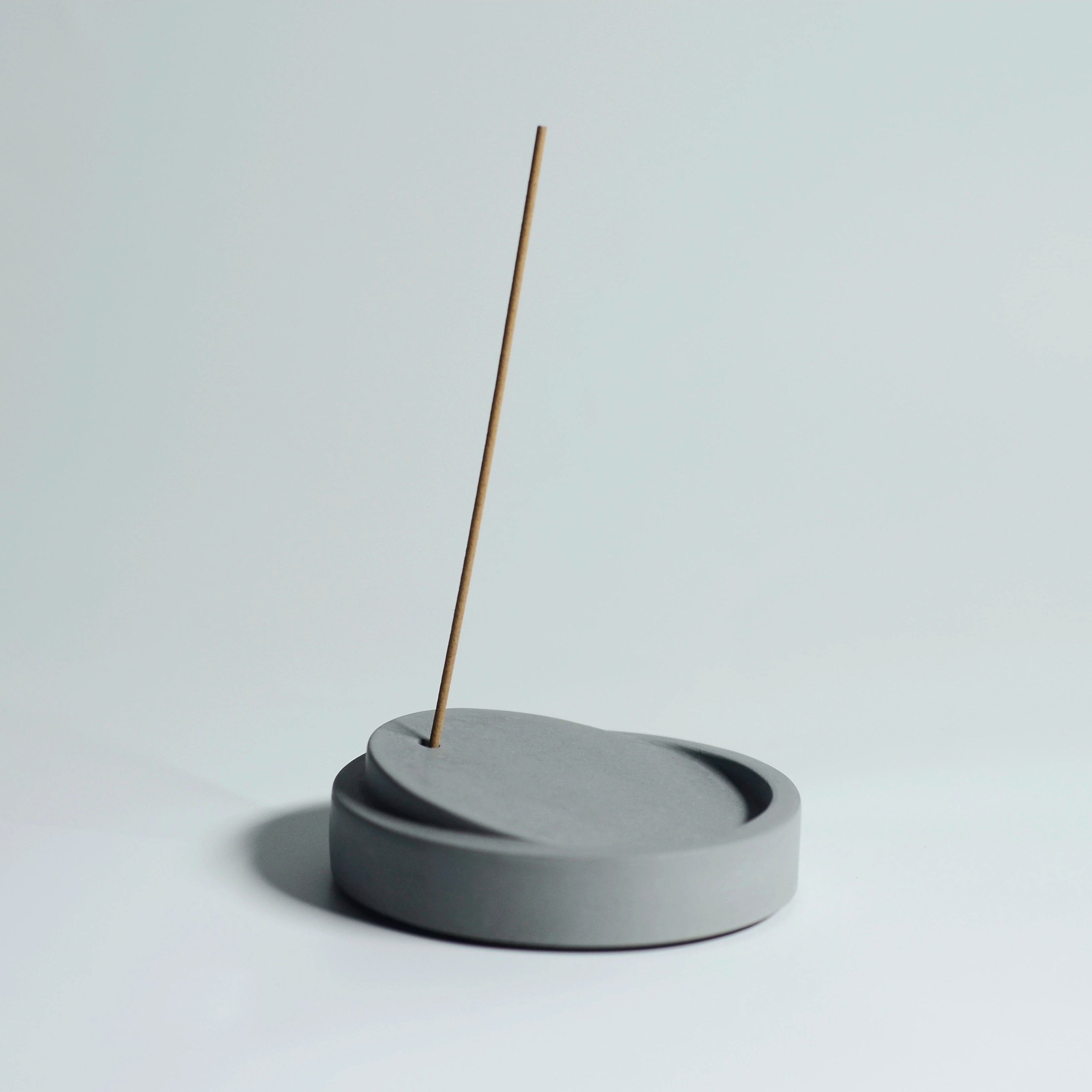
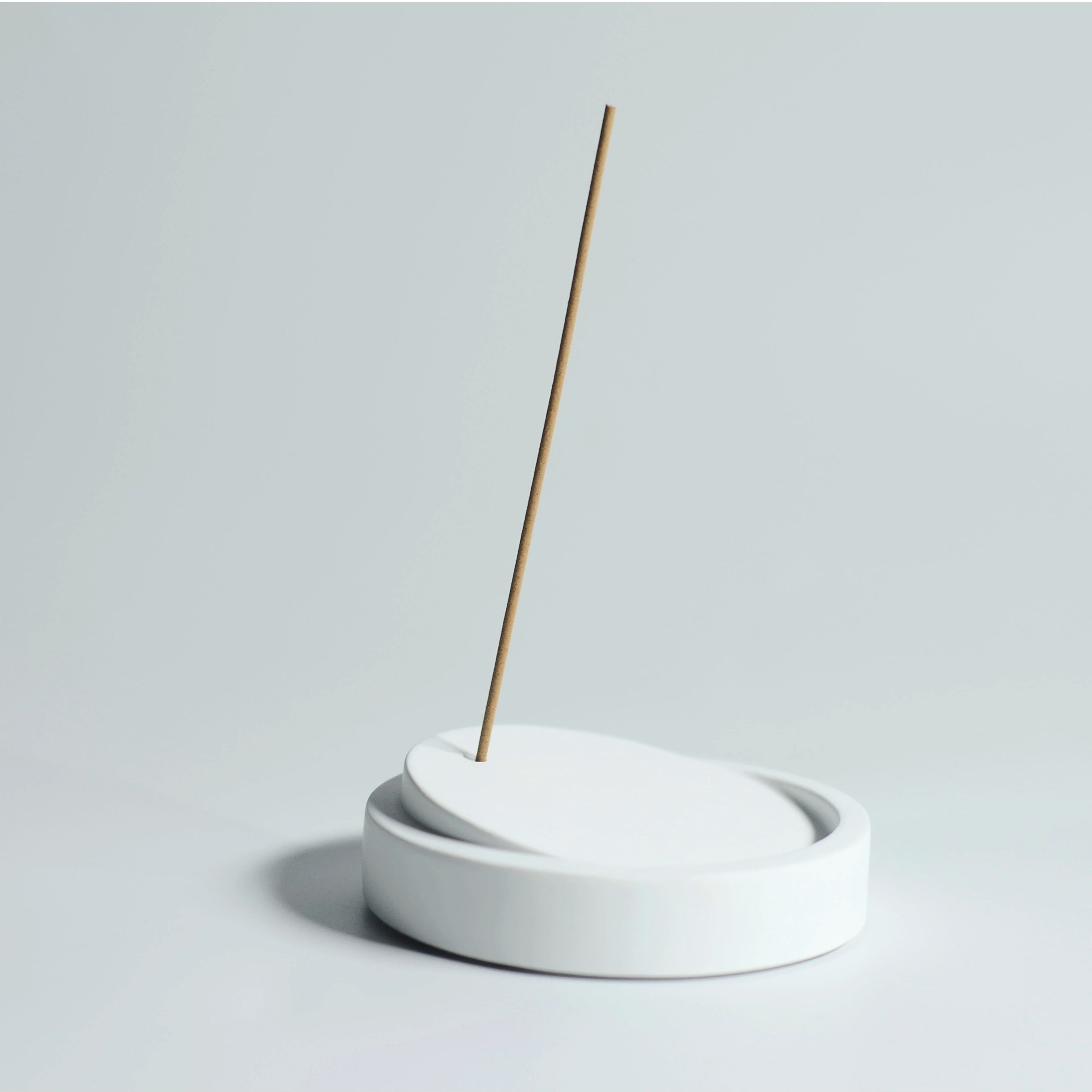
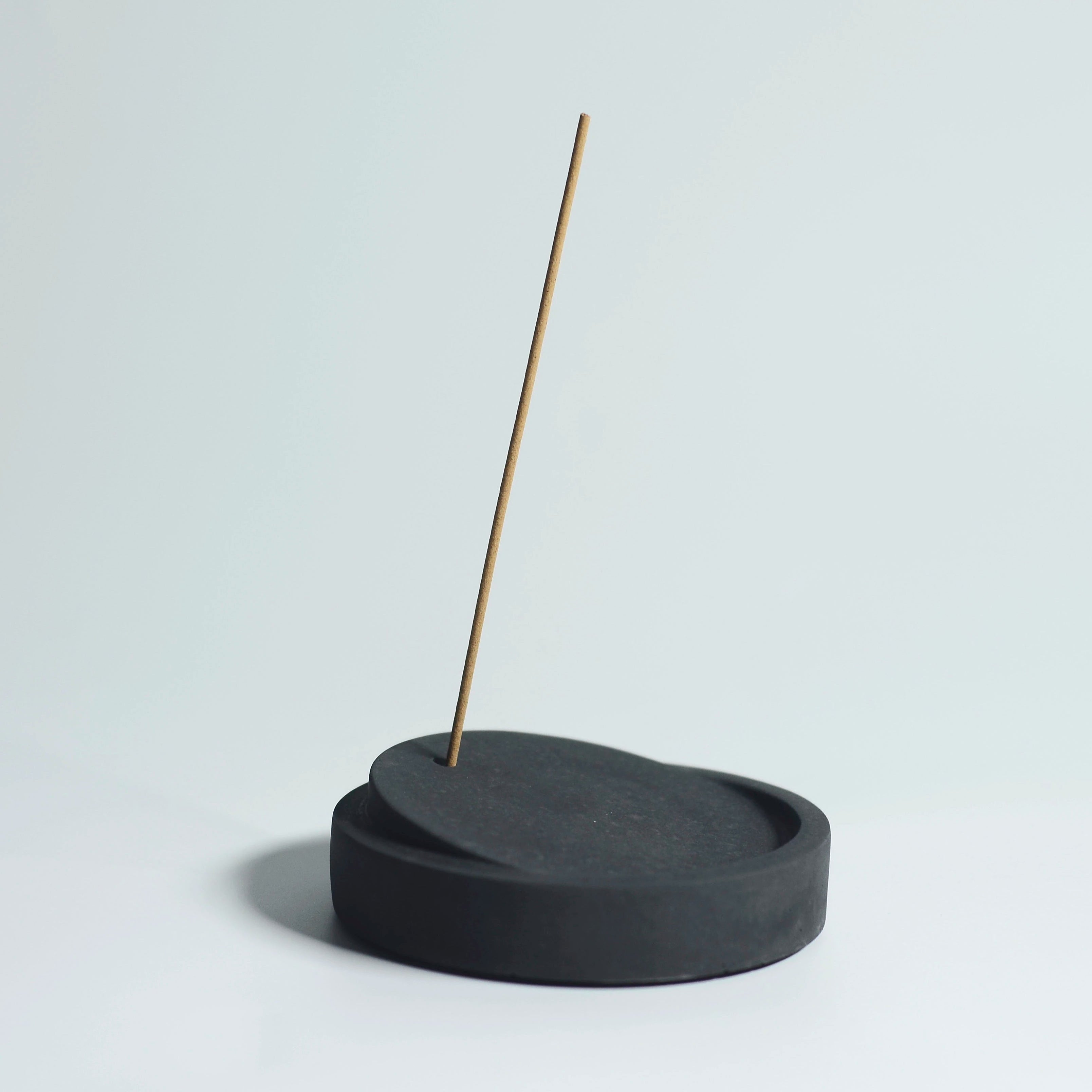
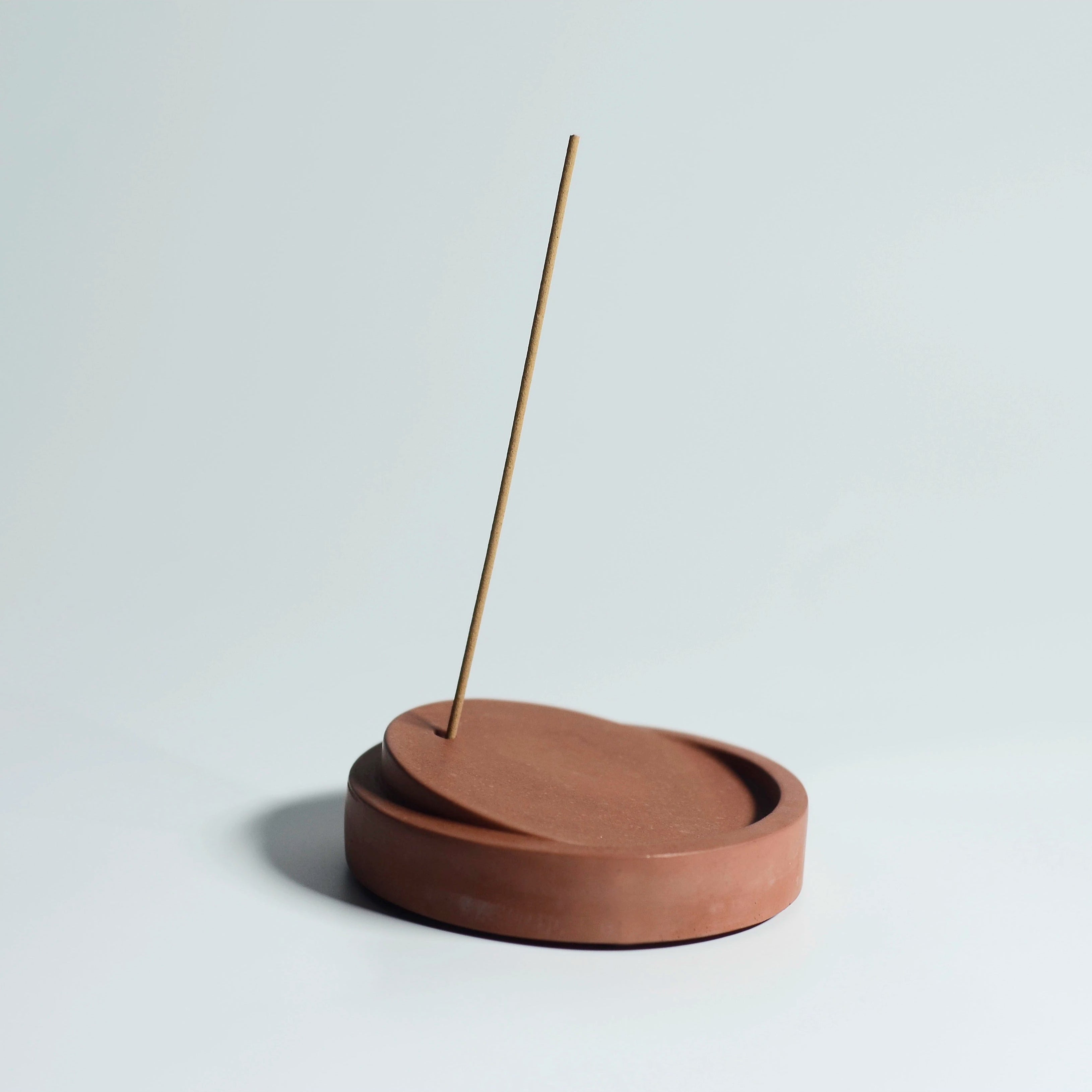
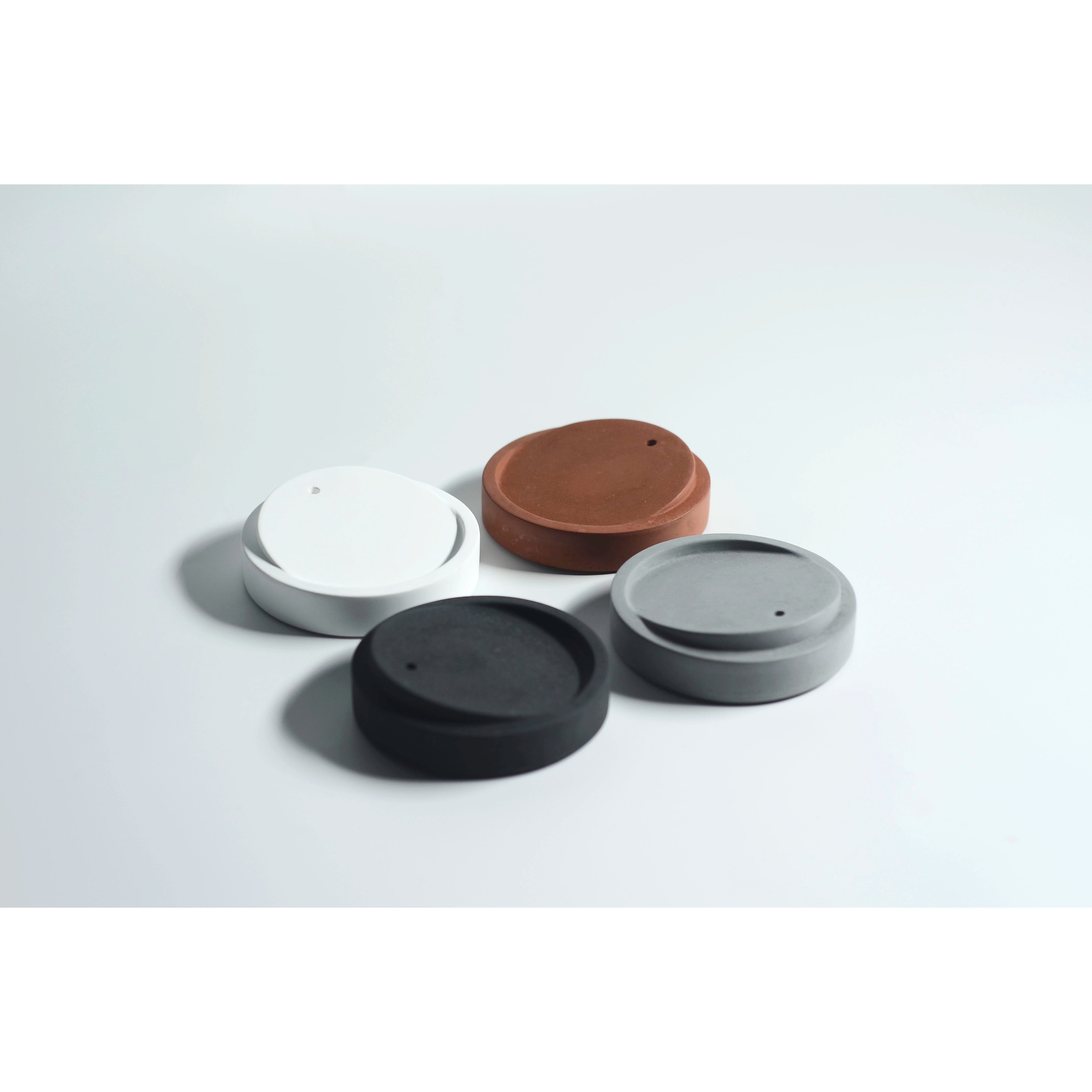
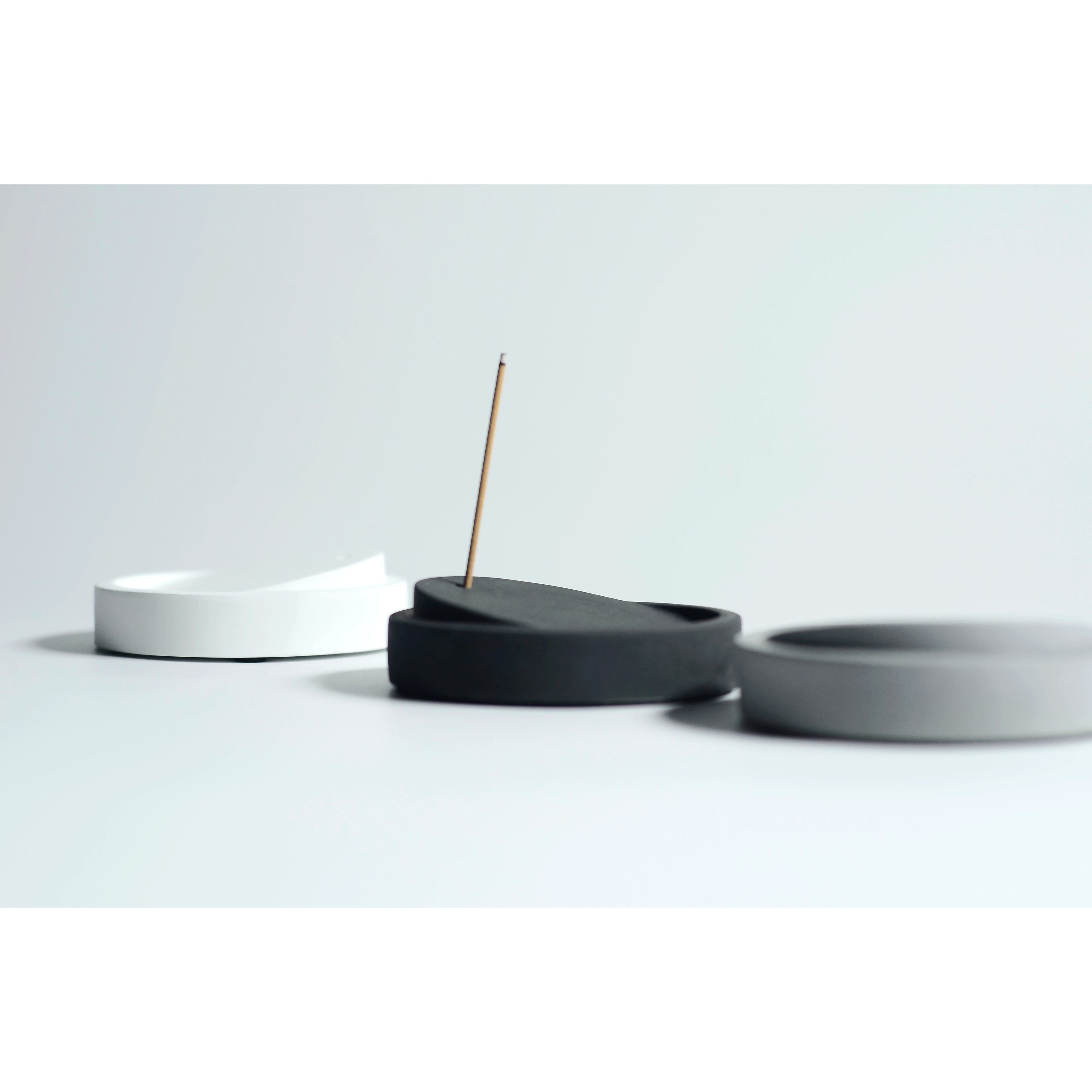
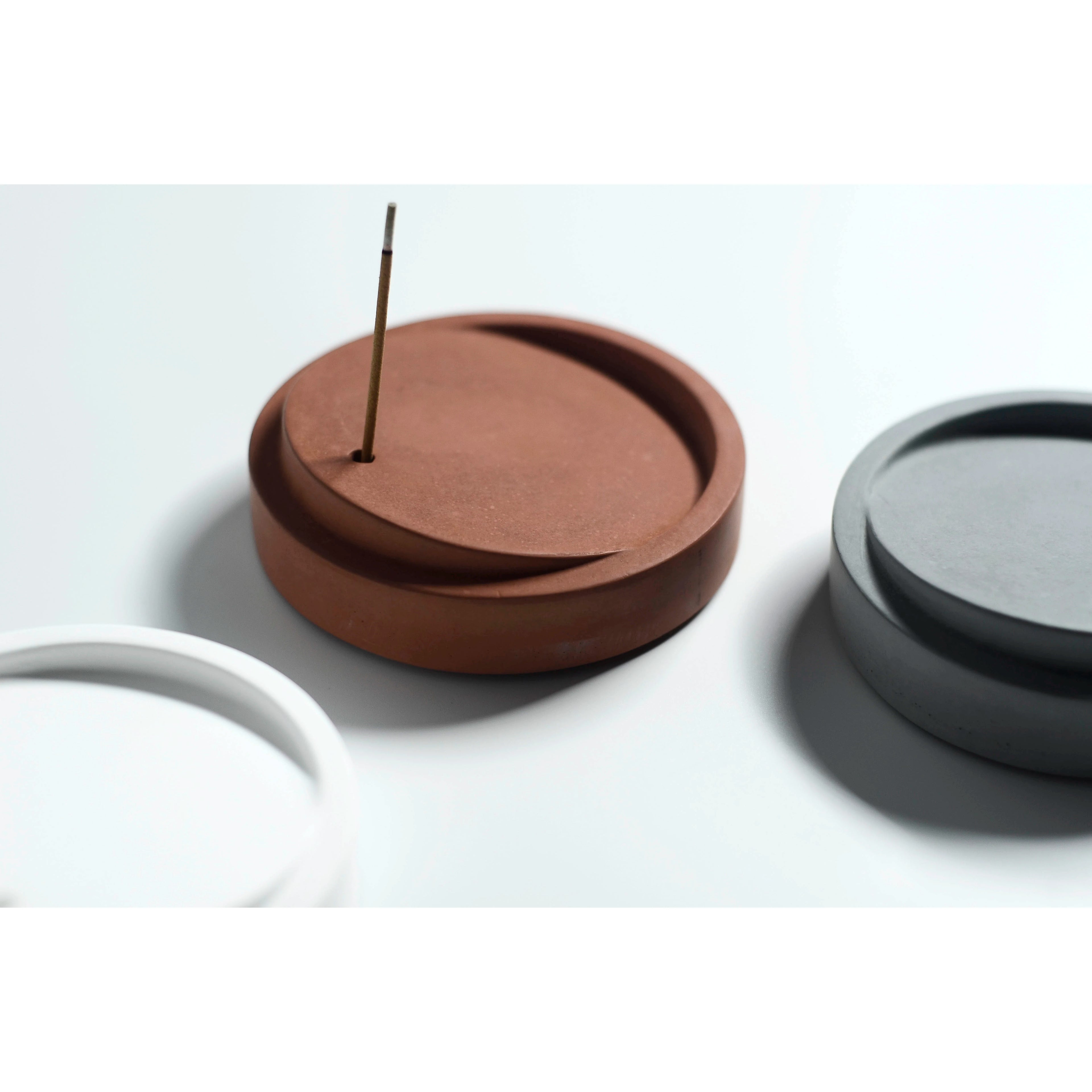
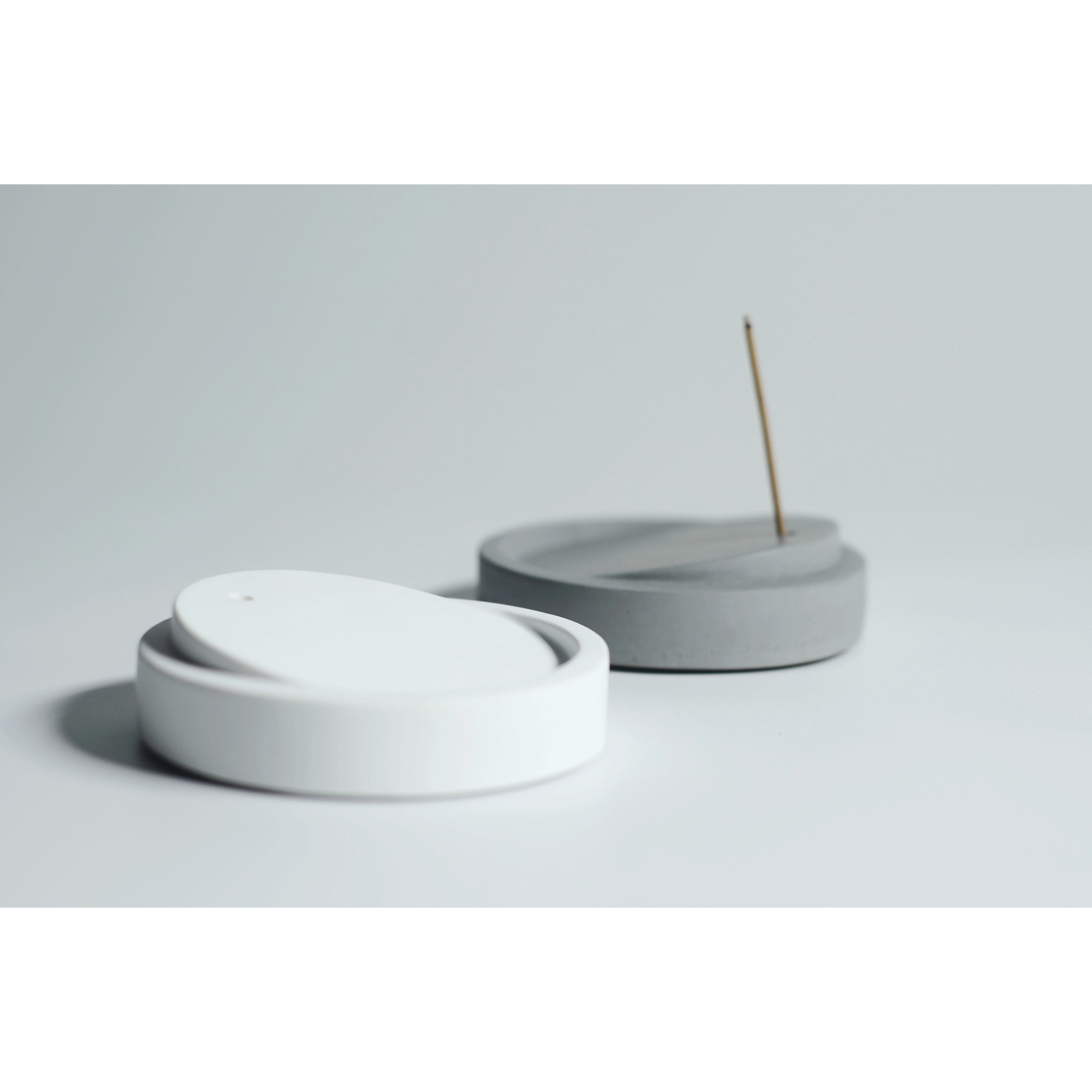
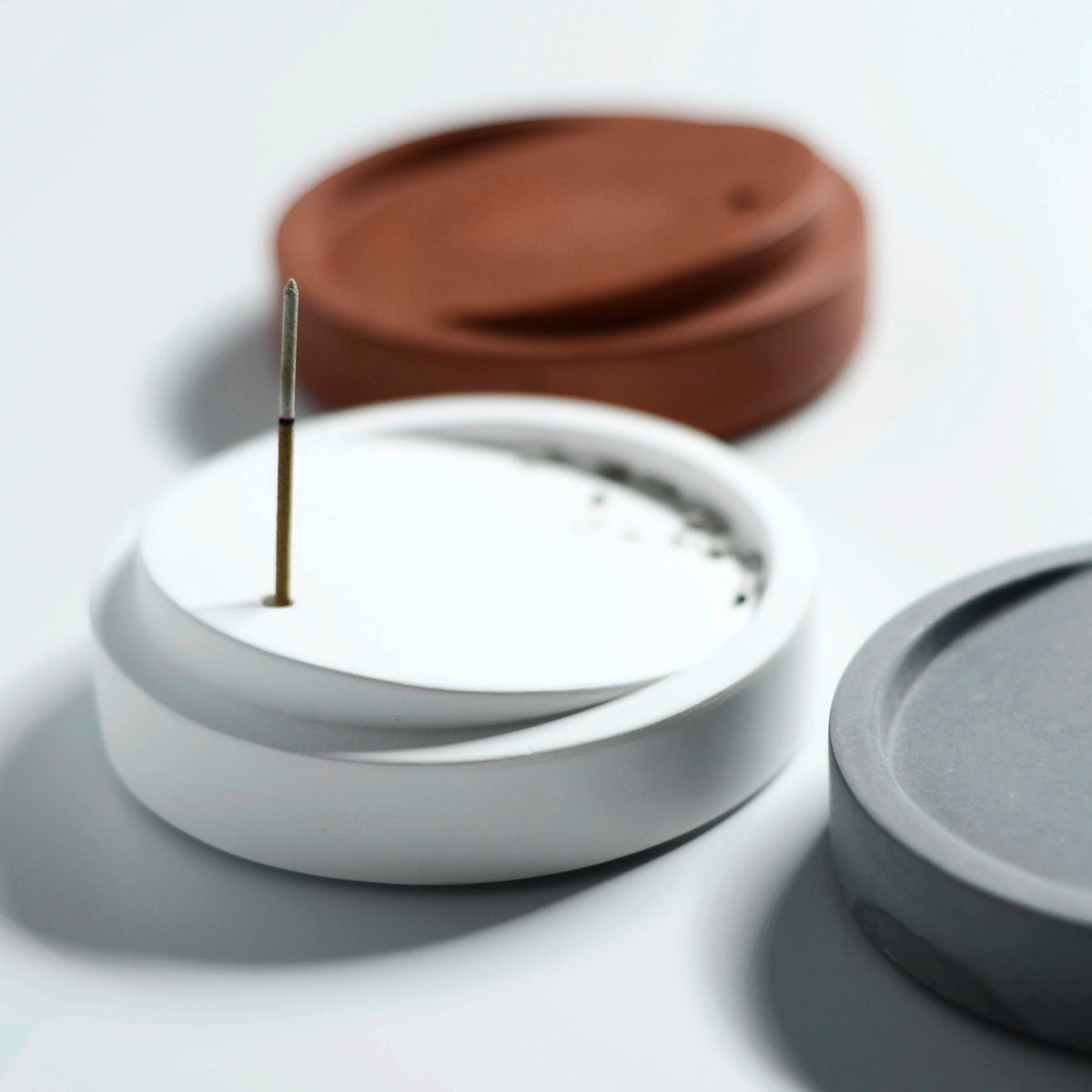
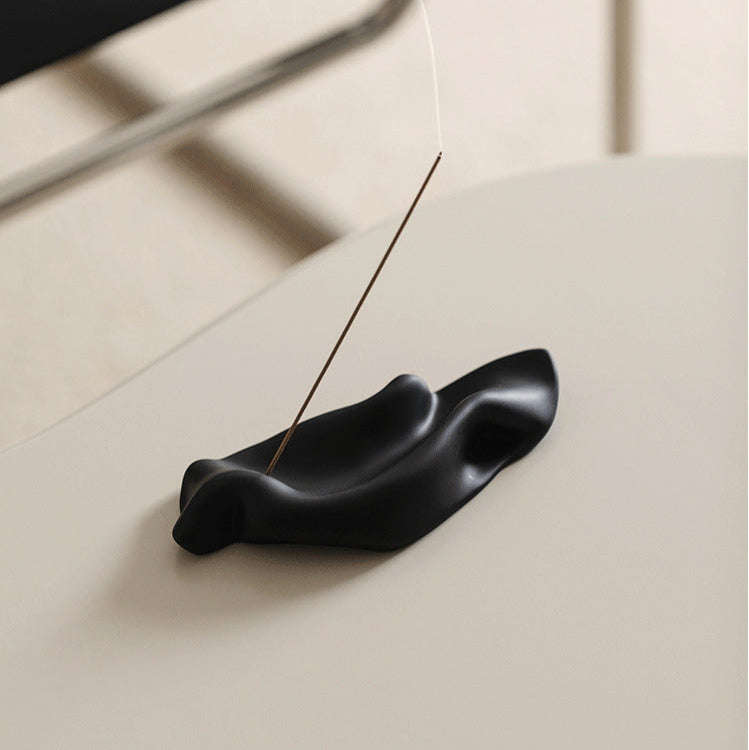
Three functional criteria matter when pairing a summer incense stick with a holder: burn time, smoke volume, and scent throw. The MUSO Collection holder catalog includes ceramic, resin, and composite designs from Momo's Life, ASPDIN, and the Muso own-brand line.
Browse the full incense holder collection →
For more on holder placement in different rooms, see our room-by-room placement guide.
Seasonal Exploration: Building a Summer Incense Collection
No two summer spaces are alike. The most reliable way to build a summer incense collection is to test a range of profiles in your actual space. The Dongzhi Tranquil Harmony Incense Set contains eight individual scents in a single $19 box — including the Pear, Coconut Agarrattan, and Coffee Latte profiled above.
Shop the Dongzhi Tranquil Harmony 8-Scent Set →
Browse the full incense collection and the sampling sets collection.
Frequently Asked Questions About Summer Incense Scents
What are the best incense scents for summer?
Citrus-forward scents (yuzu, bergamot, pear) and green notes (cedar, cypress, bamboo) tend to perform best in warm-weather conditions. Their lighter molecular structure disperses cleanly in warm, ventilated rooms. Woody scents — sandalwood, agarwood — are better suited to still summer evenings when air exchange is slower.
How do I choose seasonal incense for warm weather?
Start with the physical conditions of your space rather than scent preference alone. In a humid, ventilated room with ceiling fans, a green or citrus stick will be perceptible where a subtle floral might disappear. The Dongzhi Tranquil Harmony 8-scent sampling set lets you test multiple profiles in your actual summer environment.
Does humidity affect how incense smells?
Yes — humidity affects scent perception through a straightforward physical mechanism. Water vapor molecules compete with aromatic compounds for binding sites on olfactory receptors. Fresh, green, and citrus-forward scents tend to register more clearly because their lighter molecular profile penetrates moisture-laden air more effectively.
Can I burn woody incense like sandalwood in summer?
Yes — but the conditions matter. Sandalwood and agarwood contain heavier aromatic molecules that become most perceptible in still, moderate-temperature air. In a warm, highly ventilated summer room at midday, these heavier notes may be barely detectable. Consider burning woody incense after sundown rather than during peak daytime heat.
This article is for informational purposes about incense products and craftsmanship. MUSO Collection makes no claims about the health effects of its products.