
Sandalwood Incense: The Complete Guide to Benefits, Uses, and Choosing the Best
Sandalwood is one of the most revered aromatic materials in human history. Used across civilizations for over 4,000 years — from ancient Egypt to Vedic India to Zen Buddhist Japan — sandalwood holds a unique position at the intersection of spiritual practice, aromatherapy, and daily wellness. Its warm, creamy, woody aroma is instantly recognizable and universally calming.
This guide goes far beyond the surface-level claims found in typical product descriptions. We examine the science behind sandalwood's benefits, the different varieties and their quality differences, how sandalwood is harvested and processed, the spiritual traditions that have elevated it, and — most importantly — how to identify genuine, high-quality sandalwood incense in a market flooded with synthetic imitations.
What Is Sandalwood?
Sandalwood refers to the fragrant heartwood of trees in the genus Santalum, a group of approximately 16 species of parasitic or hemi-parasitic shrubs and trees found across India, Southeast Asia, Australia, and the Pacific Islands. The word "sandalwood" comes from the Sanskrit chandana (चन्दन), meaning "that which is used for anointing the body."
The fragrance of sandalwood comes from the essential oil found in the tree's heartwood — the dense, inner core. Unlike most aromatic woods, sandalwood retains its fragrance even decades after the tree is harvested, and the scent actually deepens with age. This property is unique among aromatic timbers and is one reason sandalwood has been prized for millennia.
Key compounds responsible for sandalwood's signature aroma include α-santalol and β-santalol — sesquiterpene alcohols that together make up 60–90% of the essential oil in high-grade Indian sandalwood. These compounds have been studied for their effects on the central nervous system, skin health, and microbial activity.
The Science-Backed Benefits of Sandalwood Incense
1. Reduces Anxiety and Stress (Clinical Evidence)
The anxiolytic (anxiety-reducing) properties of sandalwood are among the most well-documented of any aromatic material. A 2016 pilot study published in the Journal of Natural Medicines examined the physiological effects of inhaling sandalwood essential oil in 32 participants under controlled conditions. The study found:
- Cortisol reduction: Salivary cortisol levels decreased by approximately 24% after aromatherapy with Australian sandalwood (Santalum spicatum) compared to a control group. Cortisol is the primary stress hormone — reducing it has measurable effects on blood pressure, heart rate, and subjective feelings of calmness.
- Blood pressure reduction: Participants showed lower systolic and diastolic blood pressure readings after sandalwood aromatherapy, consistent with a shift from sympathetic (fight-or-flight) to parasympathetic (rest-and-digest) nervous system dominance.
- Subjective calmness: Participants reported significantly higher levels of calmness and comfort, despite physiological measures (increased skin conductance and pulse rate) that initially indicated heightened arousal — a paradox researchers attribute to sandalwood's unique mechanism of promoting alert calmness rather than sedation.
These findings are significant because they demonstrate that sandalwood doesn't simply make you drowsy (like a sedative) — it reduces the physiological stress response while maintaining mental clarity. This quality makes it particularly valuable for meditation, focused work, and anxiety management.
2. Promotes Deep Relaxation and Sleep
Multiple traditional medicine systems — Ayurveda, Traditional Chinese Medicine, and Unani — have used sandalwood before sleep for thousands of years. Modern research supports this practice:
- A 2017 mouse study published in the European Journal of Pharmacology found that α-santalol (the primary compound in sandalwood oil) produced significant sedative and hypnotic effects, increasing total sleep time and reducing sleep latency (time to fall asleep).
- A 2016 study in Phytotherapy Research found that sandalwood oil inhalation reduced autonomic arousal and promoted relaxation responses consistent with improved sleep quality.
- Ayurvedic practitioners traditionally recommend placing a paste of sandalwood powder and rose water on the forehead before sleep — the combination of topical cooling and olfactory calming creates a powerful sleep-inducing effect.
3. Enhances Focus and Mental Clarity
Sandalwood is classified as an adaptogen in traditional medicine — it helps the body manage stress while maintaining alertness and cognitive performance. This makes it ideal for work environments, study sessions, and creative practice.
A research team at the Brain, Behavior and Immunity research group found that Indian sandalwood (Santalum album) contains neuroactive compounds that can modulate neurotransmitter activity in ways that support sustained attention. The warmth and sweetness of the scent provide a gentle stimulation that doesn't create the jitters associated with caffeine or other stimulants.
4. Natural Antimicrobial and Antifungal Properties
Sandalwood essential oil has demonstrated antimicrobial and antifungal activity in multiple laboratory studies. Research published in Aromatherapy-Associated Health Benefits and Flavour and Fragrance Journal has shown that sandalwood oil has activity against common skin and respiratory pathogens.
While burning incense is not equivalent to direct application of essential oil, the vaporized compounds from quality sandalwood incense do carry some of these properties into the air — an effect that traditional practitioners have recognized for millennia and described as "purifying the atmosphere."
5. Supports Meditation and Contemplative Practice
Sandalwood is the preferred incense across multiple contemplative traditions — Buddhist (both Theravada and Mahayana), Hindu, Taoist, and Japanese kōdō (the art of incense appreciation). The reasons are both practical and spiritual:
- Olfactory conditioning: The olfactory system has a direct pathway to the limbic system (the brain's emotional and memory center). By consistently pairing meditation with sandalwood, practitioners create a conditioned neural association — the scent itself becomes a trigger for a meditative state. This is well-documented in neuroscience research on olfactory conditioning.
- Alert calmness: Unlike sedating fragrances (lavender, chamomile) that may promote drowsiness, sandalwood produces what researchers call "alert calmness" — a state of relaxed but engaged awareness ideal for meditation.
- Historical continuity: Using the same fragrance that monks and practitioners have used for thousands of years creates a sense of connection to those traditions — meaningful for both secular and spiritual practitioners.
The Varieties of Sandalwood: Quality Matters
Not all sandalwood is created equal. The species, origin, age, and processing method dramatically affect the quality, aroma, and therapeutic value of the incense. Here are the varieties you should know:
Indian Mysore Sandalwood (Santalum album)
The gold standard. Mysore sandalwood from the Karnataka region of southern India has been considered the finest sandalwood in the world for over 4,000 years. Its oil content is exceptionally high (4–7% by weight of heartwood), and the santalol concentration is at its peak.
Aroma profile: Creamy, warm, deeply woody with complex sweetness. Notes of rose, amber, and a soft balsamic warmth. The scent evolves from top notes (bright, slightly green) to heart notes (warm, creamy sandalwood) to base notes (deep, persistent woody amber). A single stick can leave a lingering fragrance in the room for hours.
Availability: Restricted. The Indian government tightly controls sandalwood harvest due to over-exploitation. Genuine Mysore sandalwood is increasingly rare and expensive. When you find it in incense (like our Fuji Mysore Sandalwood Handcrafted Incense), it is a significant quality statement.
Price range for incense: $20–50+ per box, depending on concentration and length.
Chinese Aged Sandalwood (Lao Shan blend)
Chinese incense makers blend sandalwood (often Lao Shan sandalwood from the Philippines or Vietnam, which is closely related to Santalum album) with other aromatic botanicals using recipes that date back centuries. Dongzhi's Aged Sandalwood Incense Sticks are a prime example.
Aroma profile: Smoother and more mellow than Mysore sandalwood. The aging process and blending technique create a sophisticated, multi-layered scent that is less immediately powerful but more nuanced. Preferred by experienced enthusiasts who appreciate subtlety over intensity.
Price range: $15–35 per box.
Australian Sandalwood (Santalum spicatum)
The sustainable alternative. Western Australian sandalwood is harvested from sustainably managed plantations and is one of the few legally and sustainably sourced sandalwood varieties available today. Its aroma is distinct from Mysore sandalwood.
Aroma profile: More robust, slightly smokier, and less sweet than Mysore sandalwood. The woody notes are more prominent with less of the creamy sweetness. Many experienced incense users find it less refined, but it is an excellent everyday option at a lower price point.
Price range: $8–20 per box.
New Caledonian Sandalwood (Santalum austrocaledonicum)
A lesser-known variety with a scent profile closer to Mysore sandalwood than Australian sandalwood. It is sustainably harvested in New Caledonia and is gaining attention as a Mysore alternative.
Price range: $12–25 per box.
Sandalwood Varieties Comparison
| Property | Mysore (India) | Aged Lao Shan (China) | Australian | New Caledonian |
|---|---|---|---|---|
| Species | S. album | S. album blend | S. spicatum | S. austrocaledonicum |
| Aroma | Creamy, warm, complex | Smooth, mellow, subtle | Robust, smoky, woody | Warm, floral, refined |
| Essential Oil | 4–7% | 2–4% | 1–3% | 3–5% |
| Santalol % | 60–90% | 50–70% | 30–60% | 50–80% |
| Sustainability | Restricted | Moderate | Sustainable | Sustainable |
| Price (Incense) | $20–50+ | $15–35 | $8–20 | $12–$25 |
How Sandalwood Incense Is Made
There are two primary methods of producing sandalwood incense sticks, and understanding the difference is critical to evaluating quality:
Traditional Handcrafted Method
Heartwood from sandalwood trees is ground into a fine powder. This powder is mixed with water, natural binders (makko powder or gum arabic), and sometimes complementary botanicals (cypress, cedar, clove) to create a dough-like paste. The paste is then hand-rolled around bamboo cores (bamboo-core method) or extruded into solid sticks (Japanese coreless method). The sticks are dried slowly in the shade — a process that can take several weeks. Premium producers then age the finished sticks for months or years, during which the scent deepens and mellows.
This method is used by: Fuji (Japanese-style), Dongzhi (Chinese traditional), Shoyeido, Nippon Kodo premium lines.
Machine-Produced / Dipped Method
A bamboo splinter is dipped in or sprayed with a sandalwood fragrance solution. The solution may contain sandalwood essential oil, sandalwood powder, or (in the case of lower-quality products) synthetic sandalwood fragrance. The coated stick is dried and packaged. This method is significantly cheaper but produces inferior results.
Warning: Many products labeled "sandalwood incense" use synthetic sandalwood fragrance (often compounds like Sandalore, Javanol, or Ebanol — synthetic sandalwood-like molecules developed by fragrance companies in the 1980s–2000s). These products smell vaguely sandalwood-like but lack the complexity, therapeutic compounds (santalols), and cultural authenticity of genuine sandalwood incense.
How to Spot Real vs. Fake Sandalwood
| Check | Real Sandalwood | Synthetic / Fake |
|---|---|---|
| Unburned smell | Subtle, warm, woody — not overpowering | Very strong, sweet, one-dimensional |
| Smoke | Light, wispy, white/gray | Darker, denser, more voluminous |
| After burning | Pleasant lingering warmth; no irritation | Lingering chemical sweetness; possible irritation |
| Price | $10+ per box (for real sandalwood content) | $1–5 per box |
| Label | Specifies origin (Mysore, Lao Shan) | Vague: "sandalwood fragrance" |
| Burn feel | Calming, warming, centering | Can be headache-inducing with extended use |
Sandalwood in Spiritual and Cultural Traditions
Hinduism
Sandalwood is sacred in Hindu tradition. Sandalwood paste (chandana) is applied to the forehead of deities and devotees during worship. The paste is believed to calm the mind and prepare it for spiritual practice. Sandalwood incense is burned during puja (worship ceremonies) and is considered one of the five sacred offerings (along with flowers, water, lamps, and food). The sandalwood tree itself is regarded as a manifestation of the divine.
Buddhism
In both Theravada and Mahayana Buddhism, sandalwood is the preferred incense for meditation and temple rituals. It is the traditional fragrance offered at the beginning of meditation sessions and is believed to aid concentration — the Buddha himself is said to have recommended sandalwood for calming the mind during meditation practice. In Japanese Buddhist temples, sandalwood incense is burned continuously during ceremonies, and kōdō practitioners consider sandalwood the highest grade of incense material.
Taoism
In Taoist practice, sandalwood is used in fumigation rituals, temple ceremonies, and as a component of traditional Chinese medicine. The belief is that sandalwood "opens the gates" between the physical and spiritual realms and purifies the space for ritual work.
Western Aromatherapy
In Western aromatherapy, sandalwood essential oil is used for anxiety relief, meditation enhancement, skincare (acne, eczema, dry skin), and as an aphrodisiac. It is one of the most versatile and therapeutically valuable essential oils available.
How to Use Sandalwood Incense
For Meditation
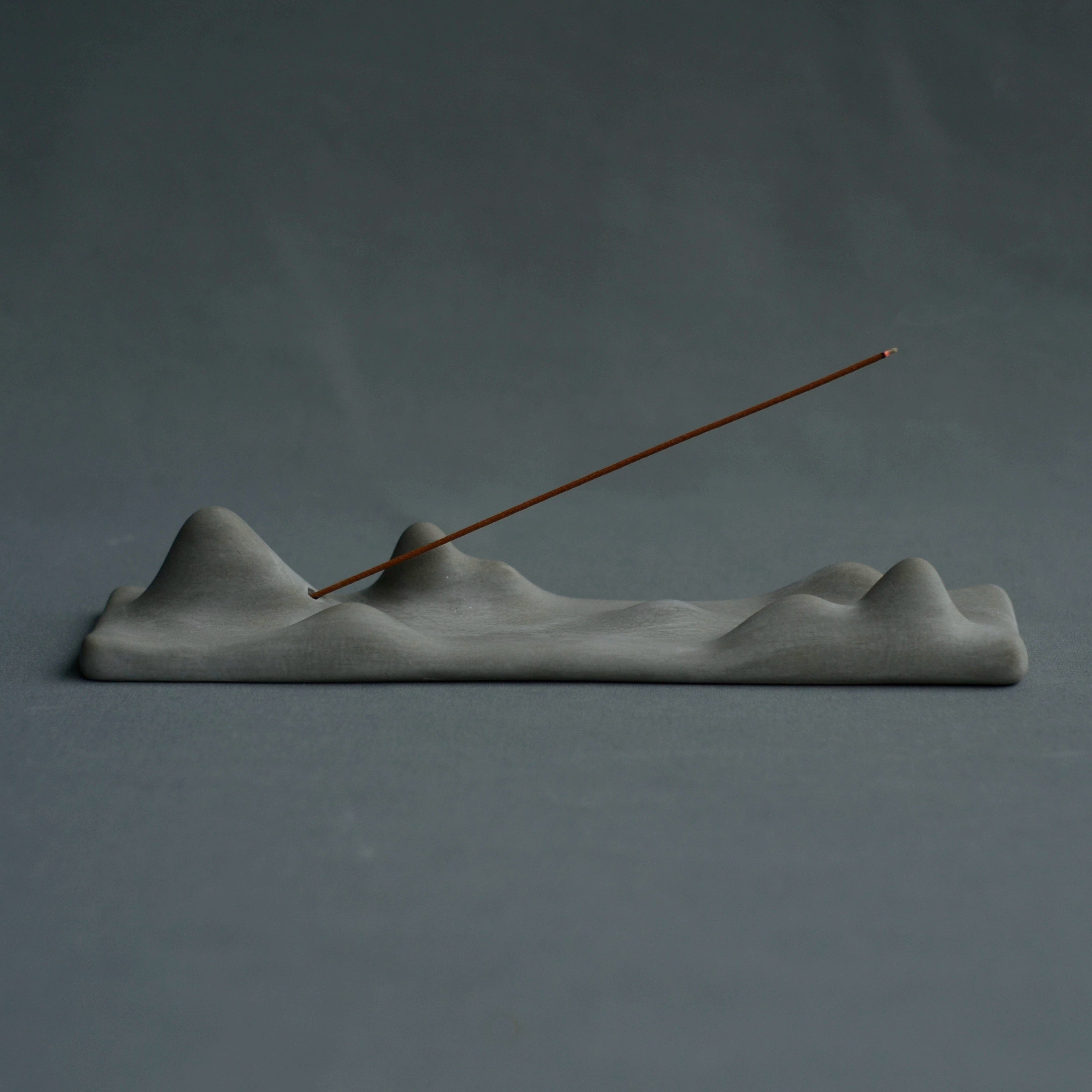
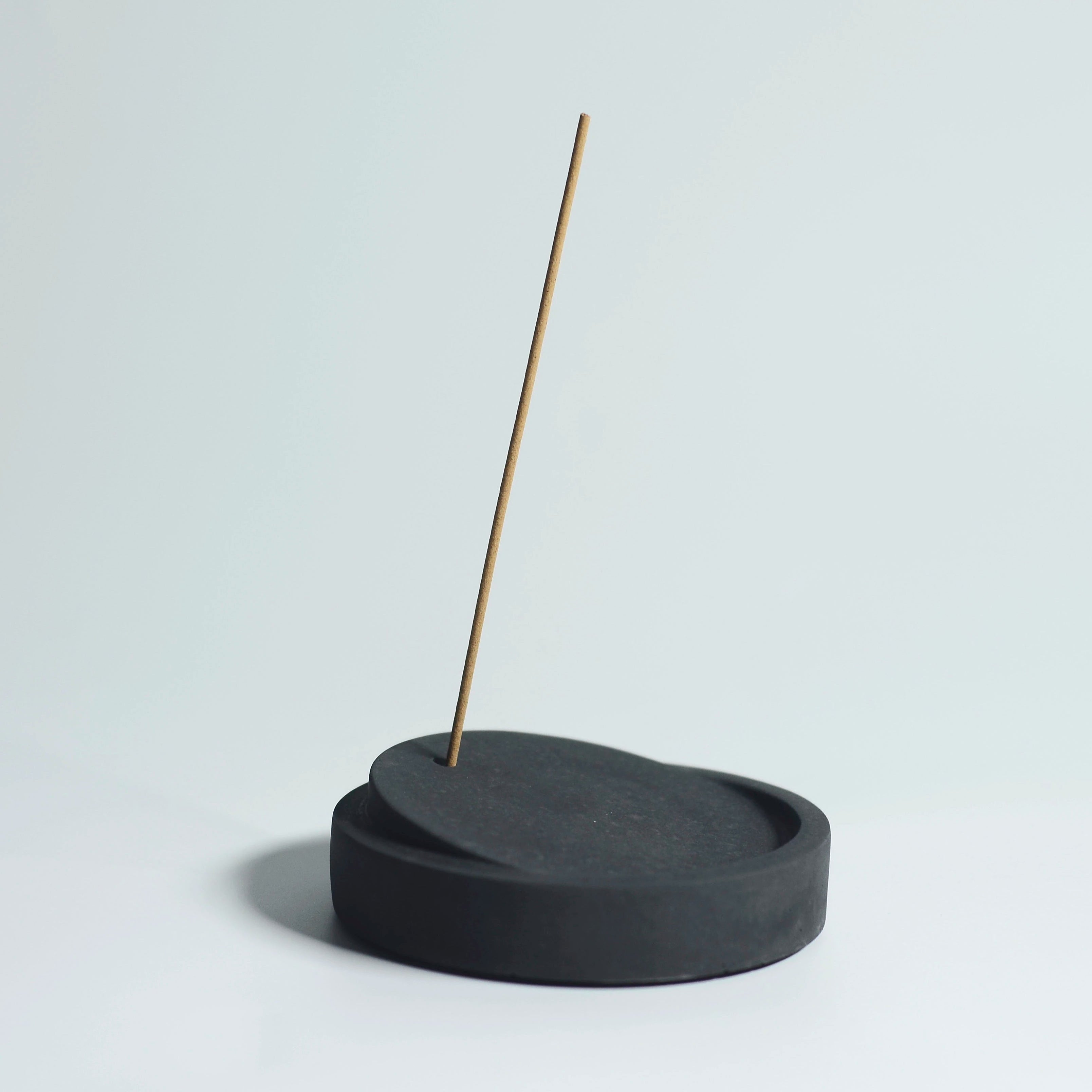
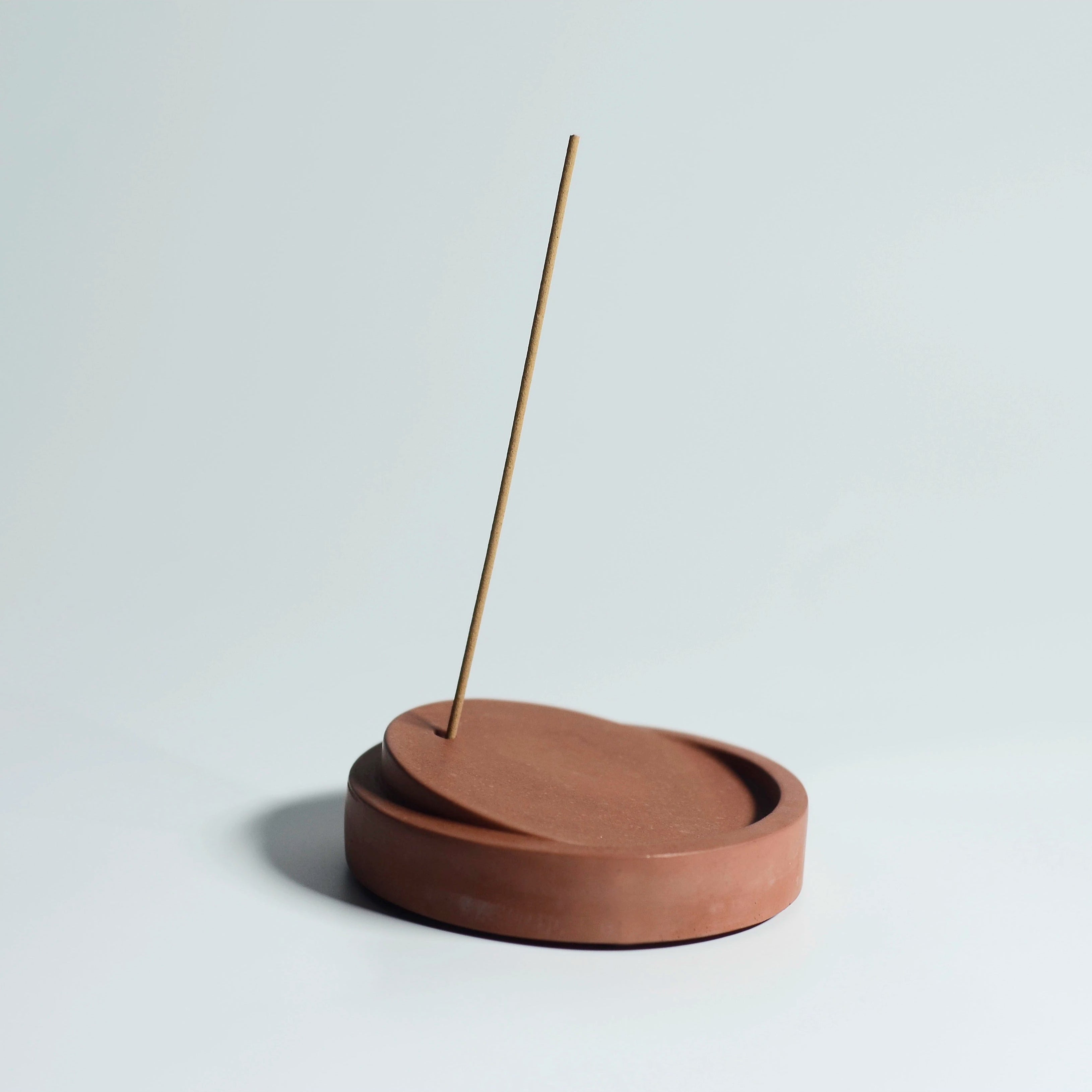
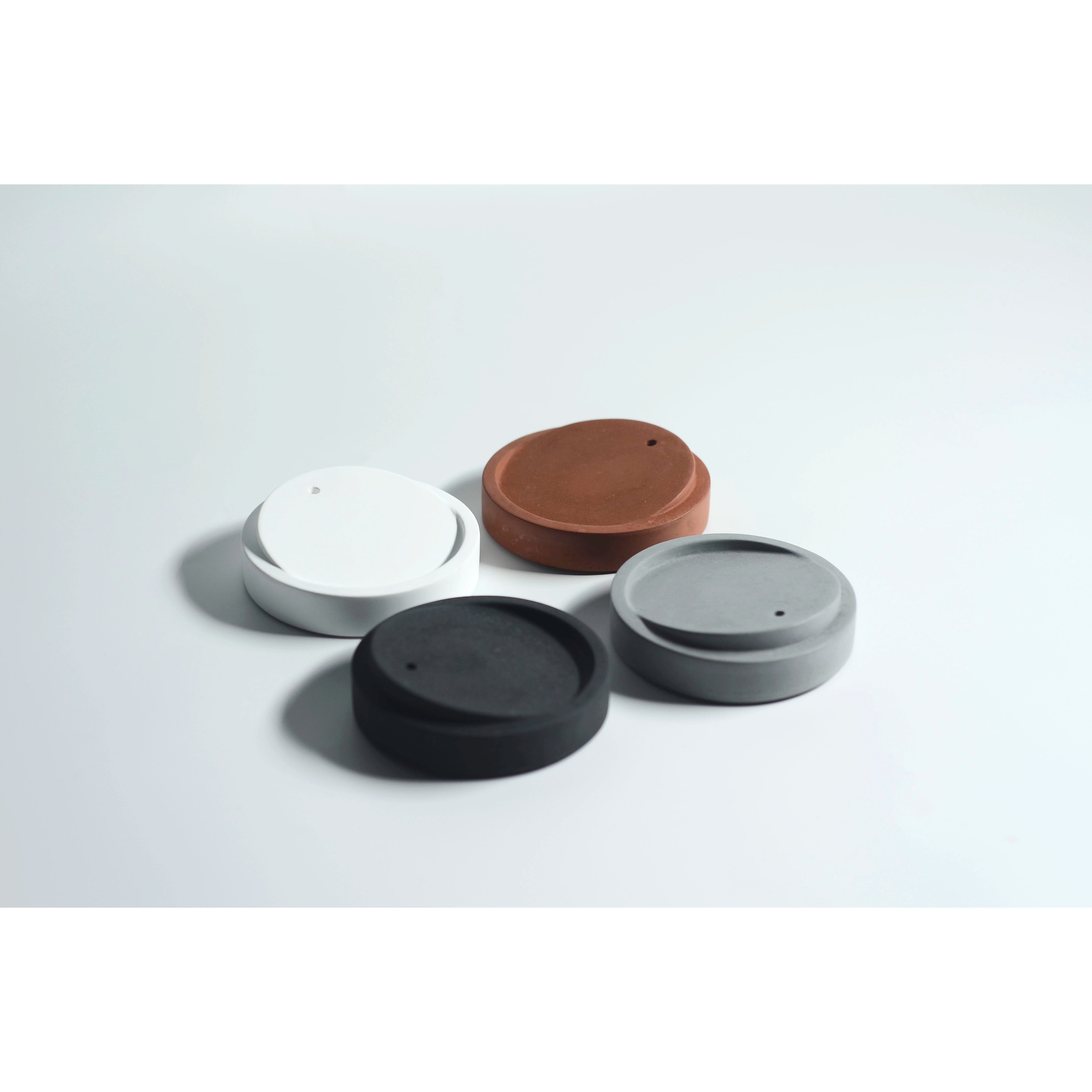
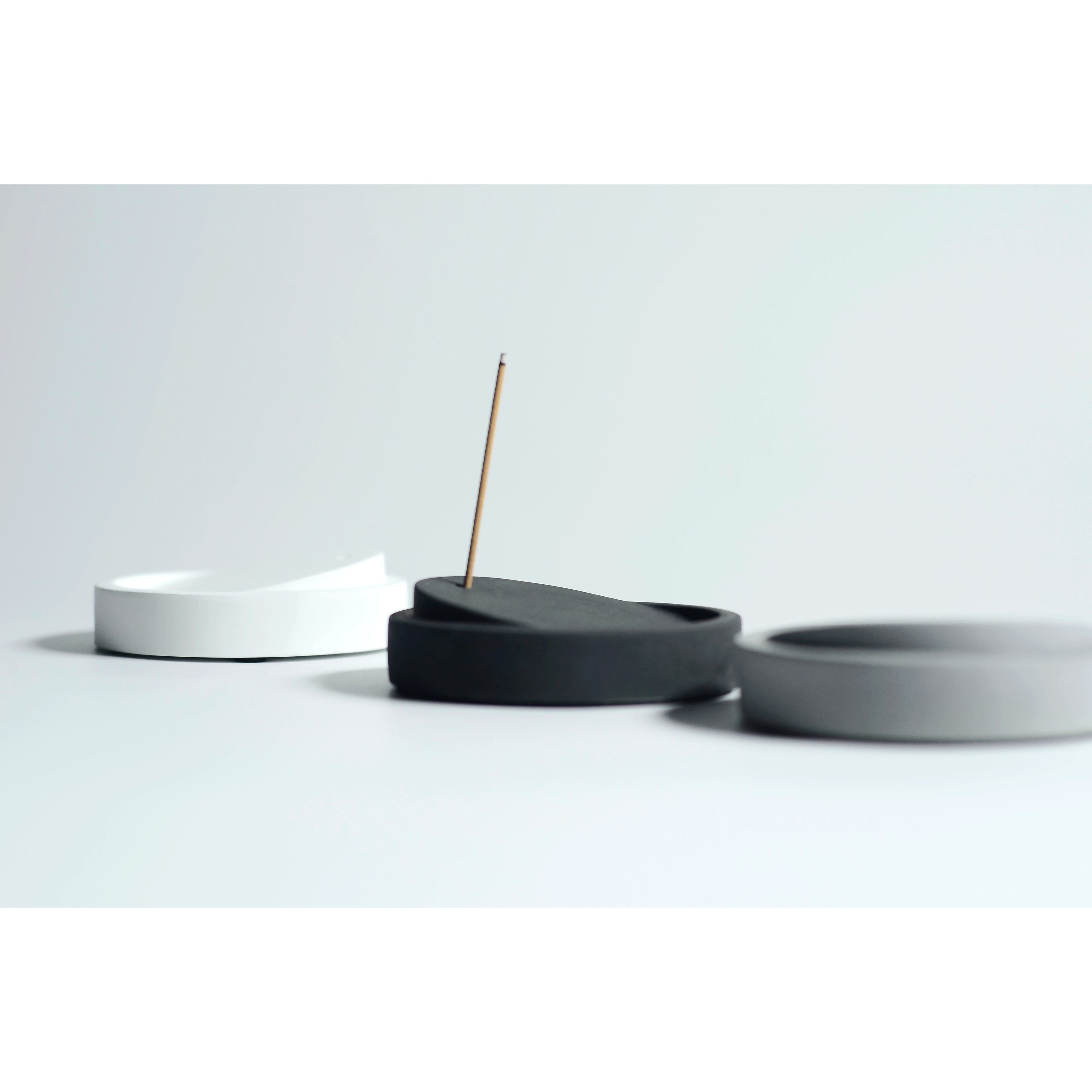
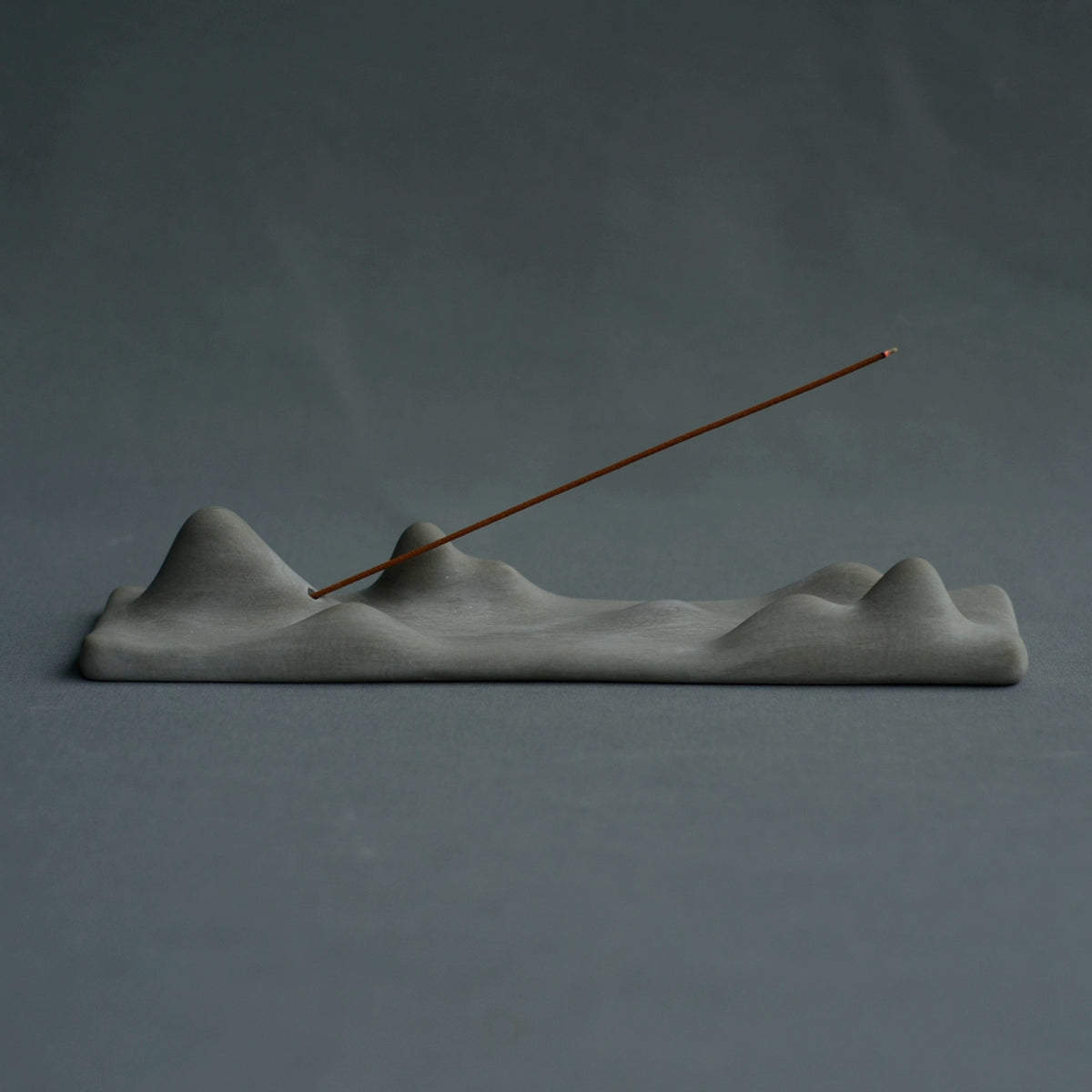
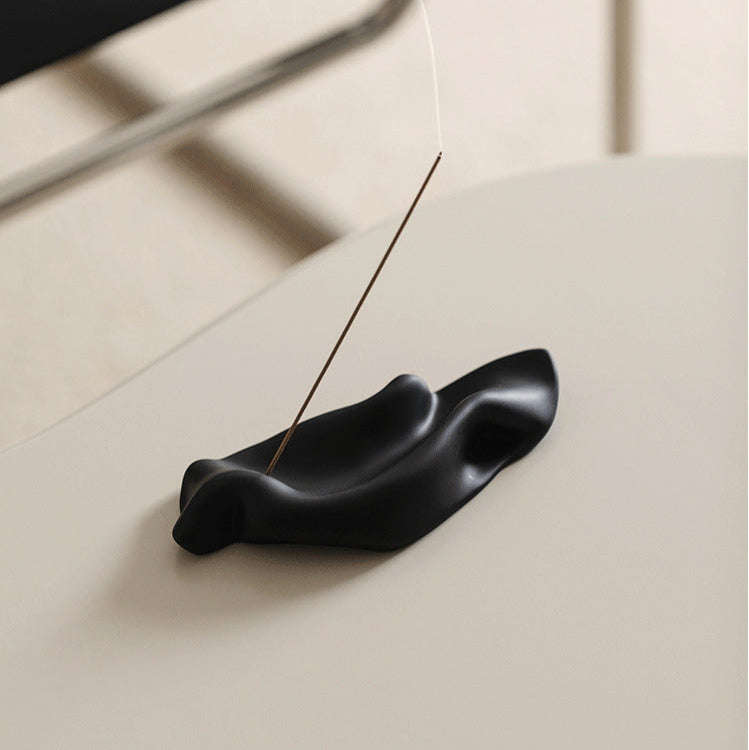
Light a sandalwood stick 5–10 minutes before sitting. Place it in a quality ceramic holder (our ASPDIN Zen Mountain Range or Momo's Life ceramic holders work beautifully). Allow the scent to fill the room. Use the warm, woody aroma as an anchor for attention — when the mind wanders, gently return to the scent. Most quality sandalwood sticks burn 30–45 minutes, providing a natural framework for a full meditation session.
For Sleep
Light sandalwood in your bedroom 30 minutes before sleep. The combination of santalols' demonstrated sedative properties and the psychological conditioning of a bedtime ritual makes this highly effective. Extinguish or let it burn out in a holder before you fall asleep. Pair with our evening wind-down routine for best results.
For Focus and Creativity
Light during deep work sessions, creative projects, or study. Sandalwood's "alert calmness" — the ability to reduce stress while maintaining cognitive engagement — makes it ideal for sustained focus. Many writers, artists, and programmers use sandalwood as part of their creative ritual. The scent creates a mental "workspace" that your brain comes to associate with productive flow.
For Sacred or Ritual Space
In any tradition that uses incense as part of ritual or ceremony, sandalwood is the universal choice for its purifying properties and spiritual associations. Light sandalwood before beginning any intentional practice — yoga, breathwork, journaling, or simply sitting in silence.
Our Sandalwood Selection
At MUSO Collection, we curate sandalwood incense from two of the world's finest traditions:
Fuji Mysore Sandalwood Handcrafted Incense
Sourced from the legendary Mysore forests of southern India. Creamy, warm, and deeply woody with complex sweetness — the sandalwood connoisseur's choice. Made using traditional Japanese handcrafting methods and 100% natural ingredients. Each stick burns for approximately 40 minutes with a clean, light smoke. SGS certified for safety and quality.
Price: $39 per box
Dongzhi Aged Sandalwood Incense Sticks
Crafted using traditional Chinese blending techniques with aged Lao Shan sandalwood. Smooth, mellow, and sophisticated — a more subtle take on sandalwood favored by experienced enthusiasts who appreciate nuance over intensity. The aging process creates a depth and complexity that is distinctive to the Dongzhi method.
Price: $29 per box
Frequently Asked Questions
Is sandalwood incense good for anxiety?
What is the difference between Mysore and Australian sandalwood incense?
How can I tell if sandalwood incense is real or synthetic?
Is burning sandalwood incense safe?
How long does sandalwood incense burn?
Pair Your Sandalwood
- Ceramic Incense Holders — Artisan holders from Momo's Life, ASPDIN, and Muso
- Meditation Incense — Curated scents for practice
- Incense Sampling Sets — Discover your favorites