
Is Burning Incense Bad for You? A Straight Answer
Short answer: it depends entirely on what you're burning, how often, and what you mean by "bad."
Burning anything, wood, paper, cooking oil, a candle wick, produces combustion byproducts. Incense is no exception. The legitimate health questions around incense concern what those byproducts are, how much you're exposed to, and whether the incense in question is made from ground plants and tree resins or from synthetic fragrance chemicals and charcoal fillers.
The research paints a nuanced picture. Some studies show that certain incense products emit particulate matter and volatile organic compounds (VOCs) at levels exceeding WHO indoor air quality guidelines. But those studies overwhelmingly test mass-produced, synthetic-laden products, not the plant-based, handcrafted incense used in temples and homes across Asia for thousands of years. The distinction matters, and we'll show you exactly how and why.
This guide is written by the MUSO Collection editorial team, drawing on our direct experience sourcing and curating artisan incense from independent makers in China and Japan, alongside peer-reviewed air quality research, international safety standards, and regulatory certification frameworks. We sell incense, so we have a stake in this conversation, which is exactly why we've chosen to present the evidence as transparently as possible, including the parts that are uncomfortable.
What's Actually in Your Incense
The gap between a stick made from ground sandalwood and a stick made from charcoal dust and synthetic fragrance is enormous. It's the difference between roasting vegetables in olive oil and deep-frying processed food, both involve heat, but the inputs determine the output.
Natural Incense: The Ingredients
Traditional, plant-based incense is made from a small number of recognizable materials:
- Aromatic wood powders: sandalwood (Santalum album), agarwood (Aquilaria species), cedar, cypress, and other heartwoods ground to a fine consistency
- Plant resins: frankincense (olibanum), myrrh, benzoin, copal, the hardened sap of specific trees, harvested by tapping
- Essential oils: distilled or cold-pressed from botanicals (lavender, clove, cinnamon bark, rose)
- Natural binder: makko powder, the ground bark of the Machilus thunbergii tree, which holds the stick together and burns cleanly with almost no aroma of its own
- Herbs and spices: star anise, dried citrus peel, mugwort, and other dried botanicals, ground and blended
These are the materials used in our natural incense collection. Every ingredient is plant-derived. You can read a full breakdown of incense forms, sticks, cones, resins, coils, in our complete guide to types of incense.
Synthetic Incense: The Ingredients You Won't Find on the Box
Mass-market incense, the kind sold in bulk at convenience stores and online for a few dollars per box, typically contains:
- Charcoal base: cheap, burns hot, produces heavy smoke
- DPG (dipropylene glycol): a solvent used as a carrier for synthetic fragrances
- Synthetic fragrance compounds: molecules like Sandalore™, Javanol™, and Ebanol™ that mimic sandalwood
- Sodium nitrate (saltpeter): an accelerant that makes sticks burn faster
- DEP (diethyl phthalate): used as a binder in some Indian incense production methods. Lin et al. (2008) documented its presence in Clinical Molecular Allergy, noting concerns about phthalate exposure via inhalation.
What the Research Actually Says
Particulate Matter (PM2.5)
A 2024 study by Ofodile et al., published in Environmental Science & Technology (PMC11976701), measured PM2.5 emission factors of burning incense in residential settings:
- PM2.5 emissions ranged from 7 to 31 mg/g of burned incense
- Burning incense increased indoor PM2.5 geometric mean concentrations by 120%
- Incense-generated particles were predominantly in the PM2.5 range (under 2.5 micrometers)
For perspective, cooking with a gas stove generates PM2.5 in the range of 10-40 mg per event. The composition depends heavily on what's burning.
Volatile Organic Compounds (VOCs)
A 2021 study by Silva et al. (Int. J. Environ. Res. Public Health, PMC8345624) tested 12 incense products under controlled chamber conditions:
- Benzene: found at 3-85 times the WHO safety guideline
- Formaldehyde: short-term peaks reached 2.7 times the WHO guideline
- Cone-type incense was significantly more polluting than sticks
These are real numbers, and we won't minimize them. However, the study tested general retail products, likely including mass-market sticks with charcoal bases and synthetic coatings, in sealed, unventilated chambers. Natural plant-based incense used with ventilation presents a fundamentally different exposure profile.
Lin, Krishnaswamy, and Chi (2008) published a review in Clinical Molecular Allergy (PMC2377255) examining clinical effects of incense smoke on the airway, finding associations with airway dysfunction in heavy-exposure populations (primarily temple workers burning conventional products). The review did not distinguish natural from synthetic, a limitation the authors acknowledged.
How to Identify Non-Toxic Incense: A Buyer's Guide
1. Ingredient Transparency
If the listing says "fragrance," "parfum," or "aromatic blend" without specifics, assume synthetic. Trustworthy makers list materials: sandalwood powder, agarwood, benzoin resin, makko binder, lavender essential oil.
2. No Charcoal Base, No Sodium Nitrate
Coreless Japanese-style sticks and traditionally hand-rolled sticks use makko powder as the sole binder and combustible. Makko burns cleanly with minimal smoke.
3. Certifications Worth Trusting
- SGS certification: independent testing for harmful substances (heavy metals, synthetic chemical residues, emission safety)
- Japanese Industrial Standards (JIS): controlled manufacturing and material standards
- EU REACH compliance (EC 1907/2006): chemical substance disclosure and evaluation
- EN 16738 and EN 16739: European standards for emission safety of combustible air fresheners including incense
4. Red Flags
- "Long-lasting fragrance", often synthetic fixatives
- "Smoke-free" claims, misleading; low-smoke is honest, smoke-free is marketing
- No ingredient list at all
- Suspiciously low prices, real sandalwood, agarwood, and plant resins cost money
How MUSO Approaches Safety and Sourcing
The Dongzhi Line: SGS-Certified
Our Dongzhi products carry SGS certification, independently tested for harmful substances. The Dongzhi Full Collection 8 Scent Sampling Set ($19) gives you eight verified scents. Individual scents like Dongzhi Ambergris and Dongzhi Agalloch Eaglewood are made from traditional aromatic materials with full ingredient disclosure.
The Fuji Line: 100% Natural, Handcrafted
Our Fuji products use entirely plant-based materials, no charcoal base, no synthetic fragrance. Fuji Artisan Soothing, Fuji Night Rain, Fuji Divine Cedar, and Fuji Mysore Sandalwood all burn low-smoke with minimal visible particulates. See our sandalwood benefits guide and agarwood guide for material-specific detail.
What We Don't Claim
We don't claim our incense is "zero emission." Burning anything produces byproducts. We don't claim it's "safe for everyone." What we verify is what goes into the stick, what testing has been done, and where the materials come from.
Safe Burning Practices
Ventilation: Non-Negotiable
Burn incense with at least some airflow, a cracked window, open door, or mechanical ventilation. Even minimal ventilation cuts accumulated particulate levels substantially.
Duration: One Stick Is Enough
A standard stick burns 20-45 minutes. One stick provides ample fragrance. See our beginner's guide for fundamentals.
Room Size and Occupancy
Larger rooms dilute byproducts more effectively. In small spaces, keep sessions shorter. Don't burn in a sealed room where someone is sleeping. For evening use, see our incense for sleep guide for timing advice.
Extinguishing and Ash Management
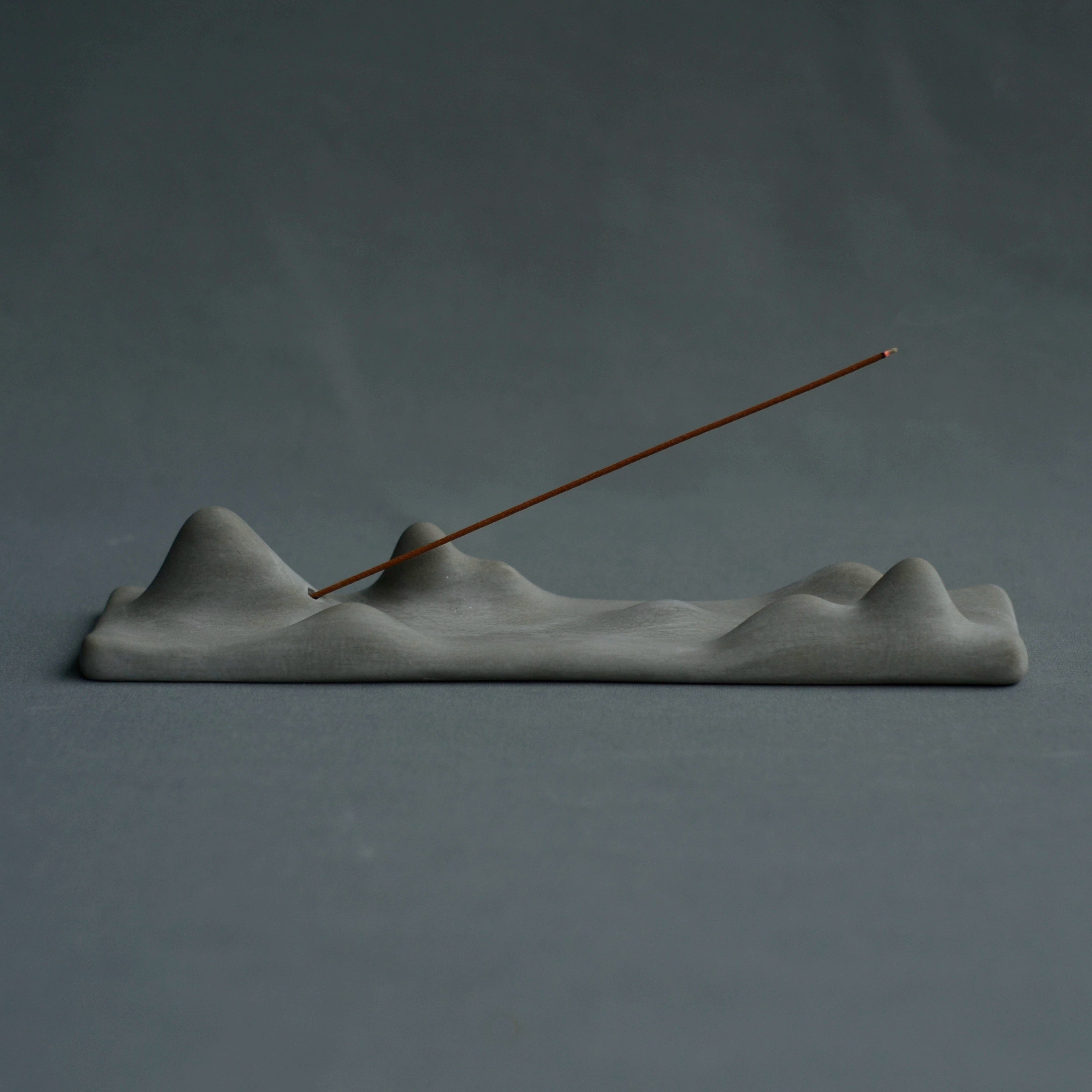
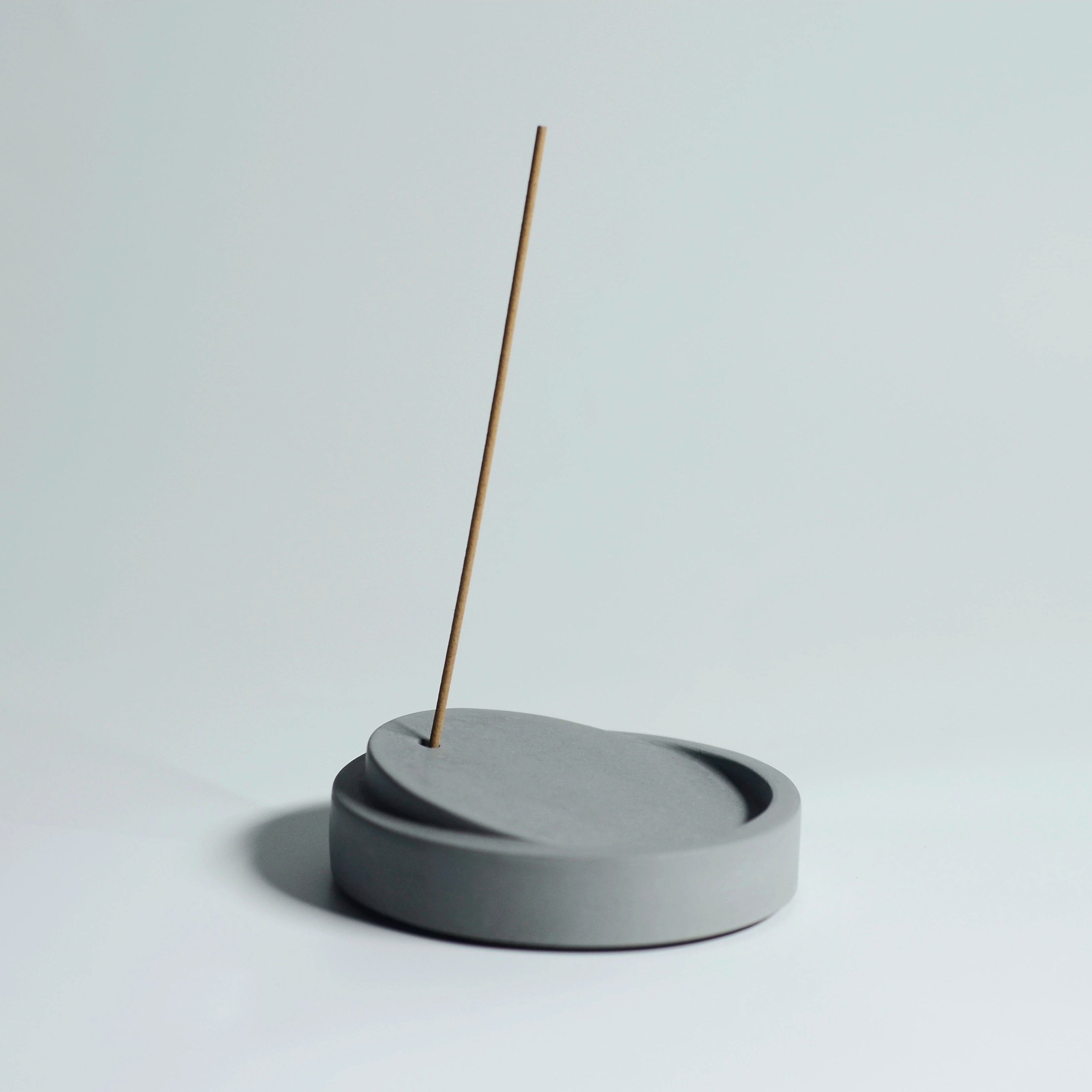
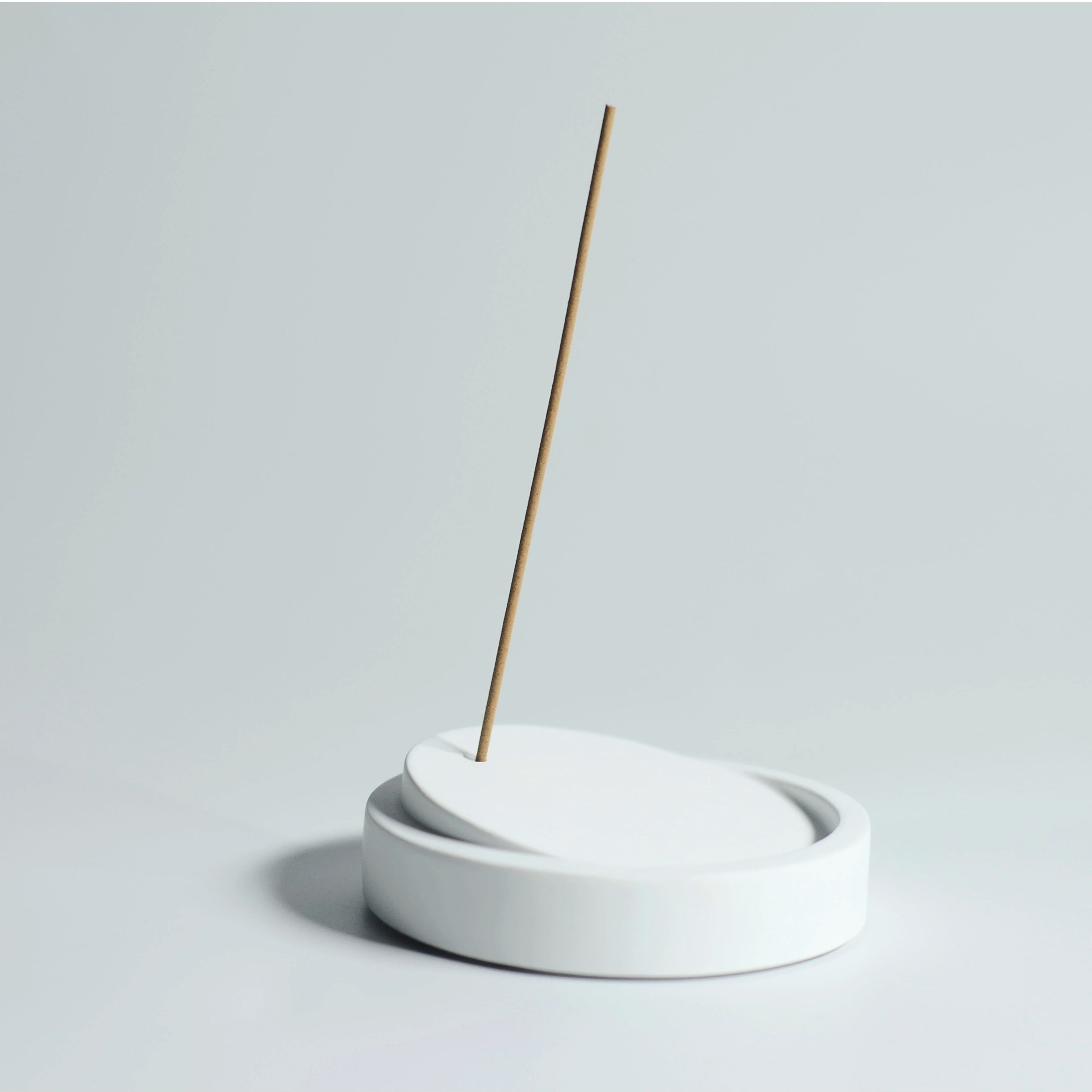
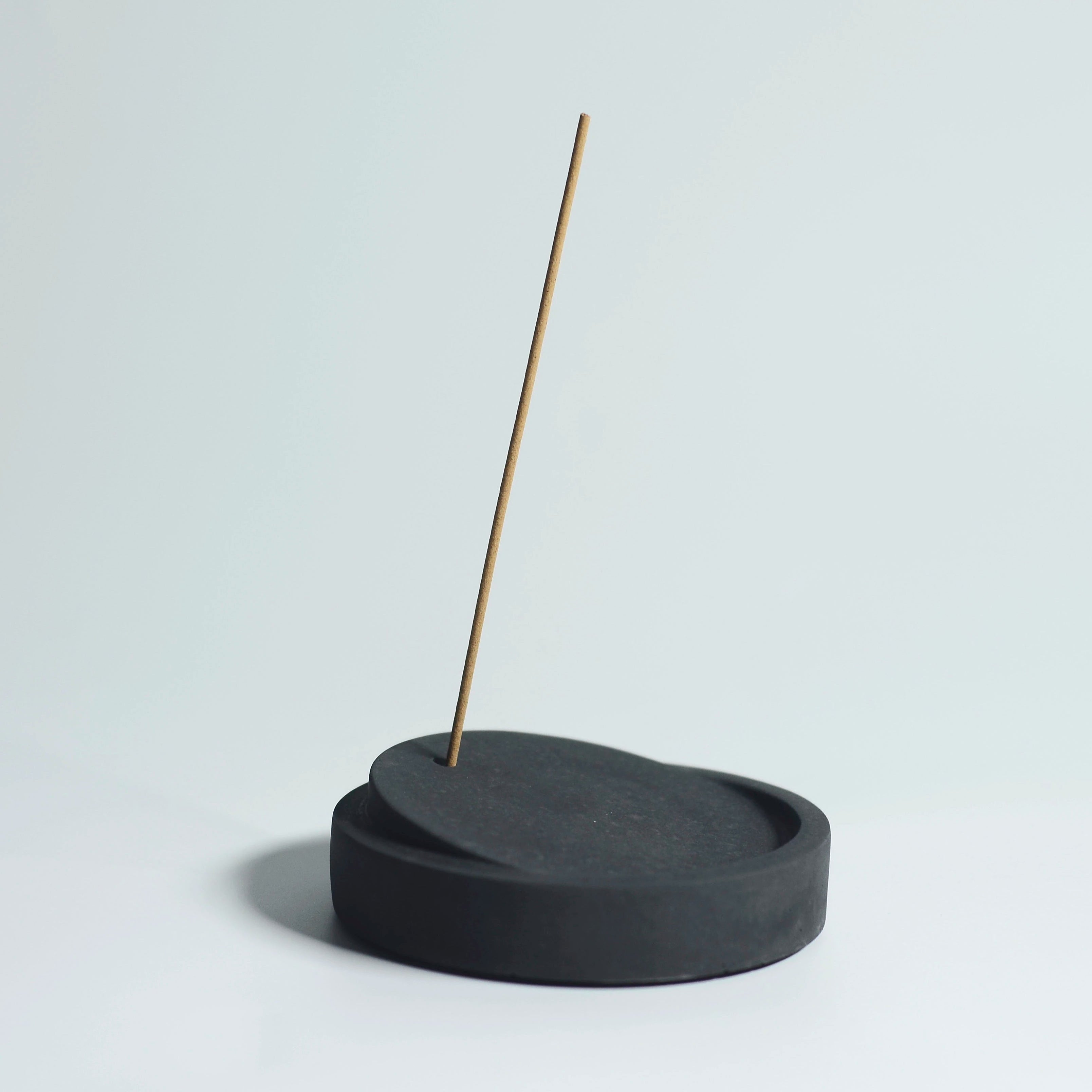
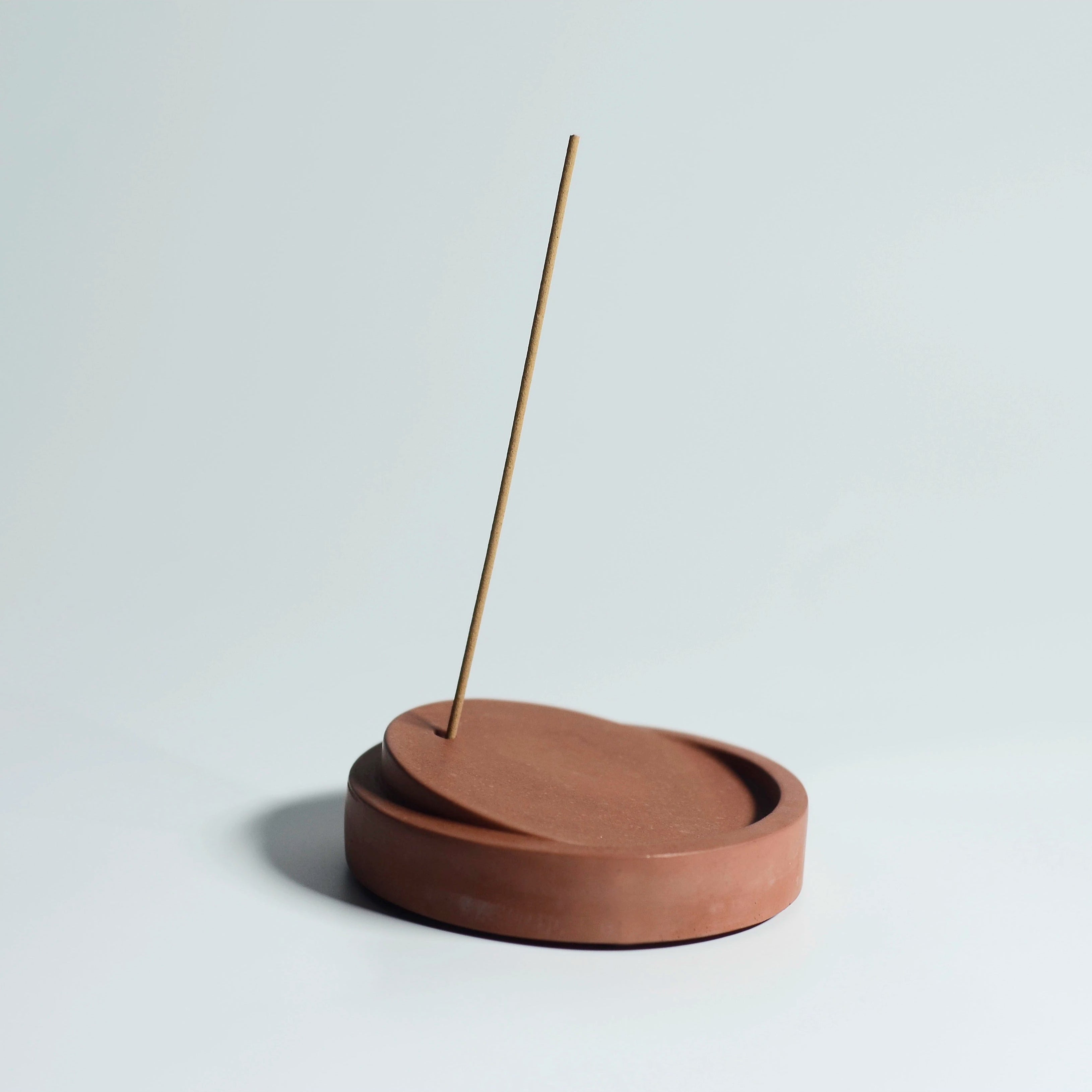
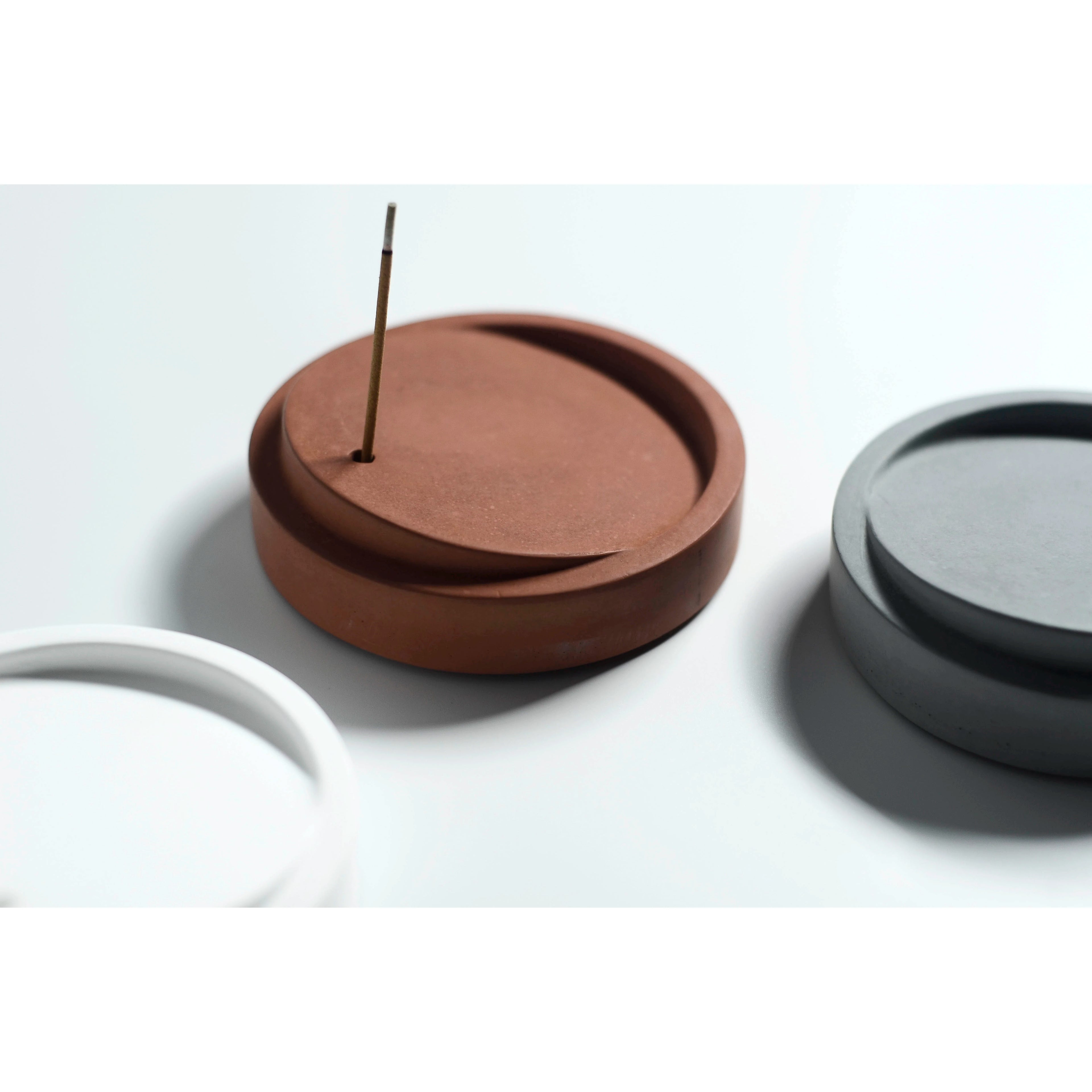
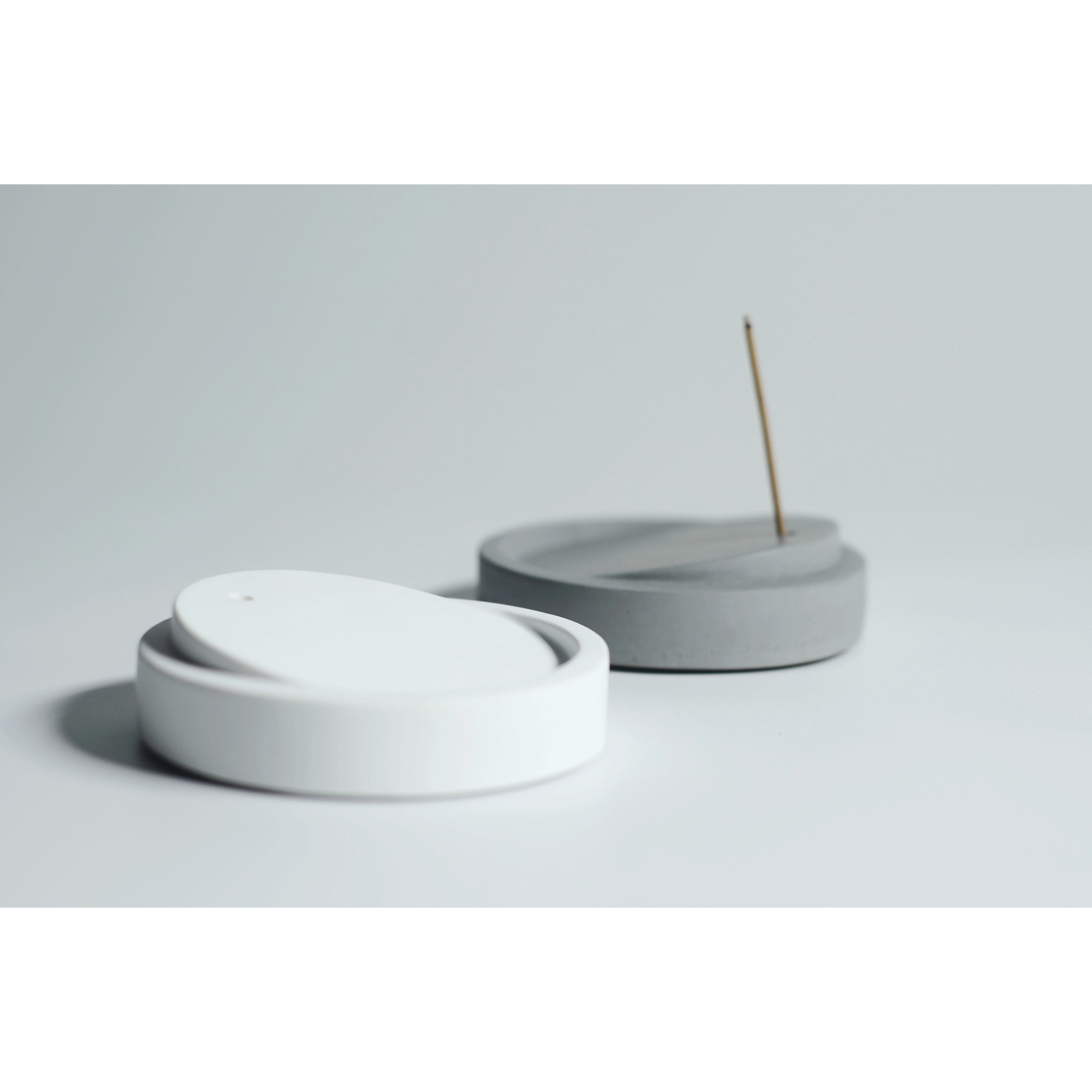
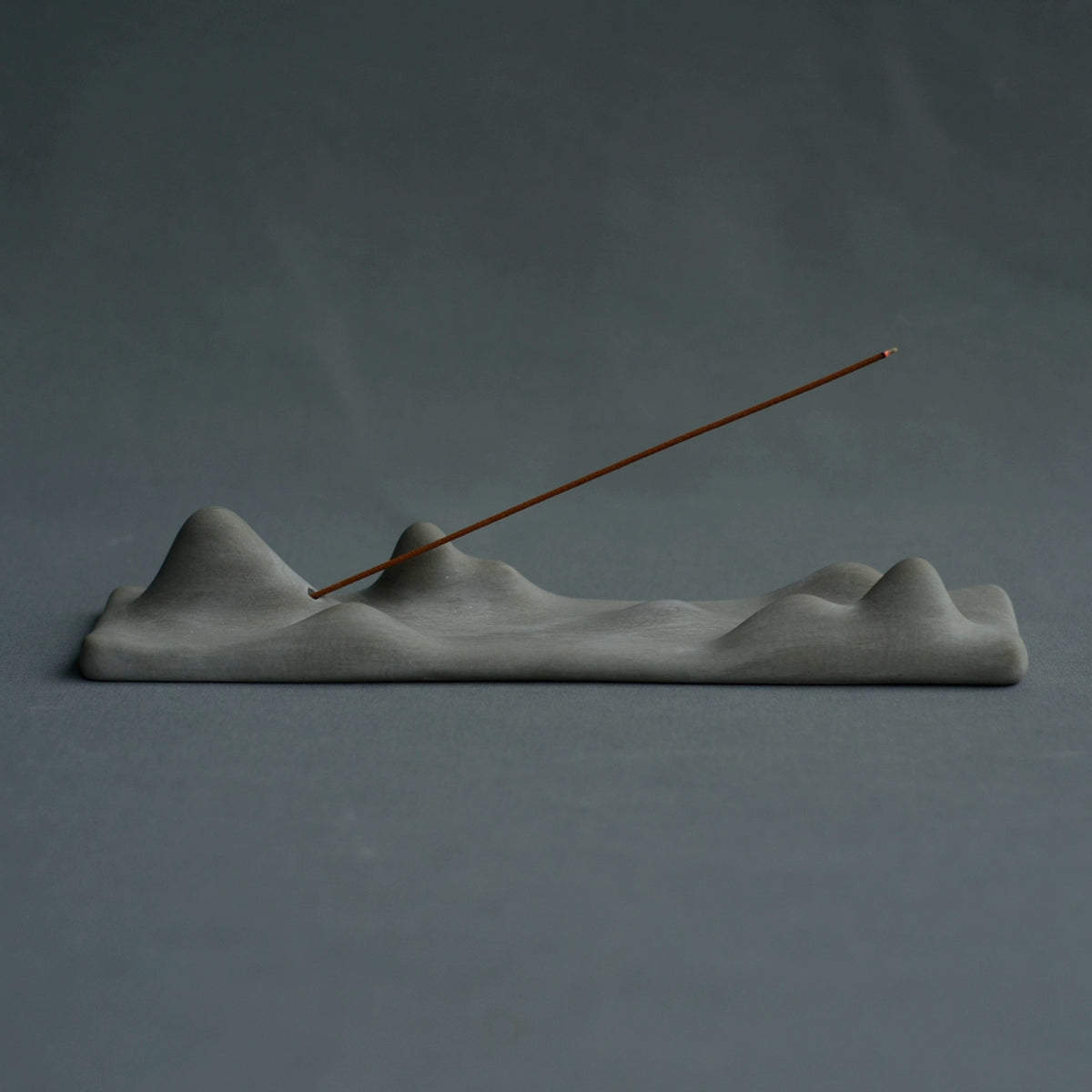
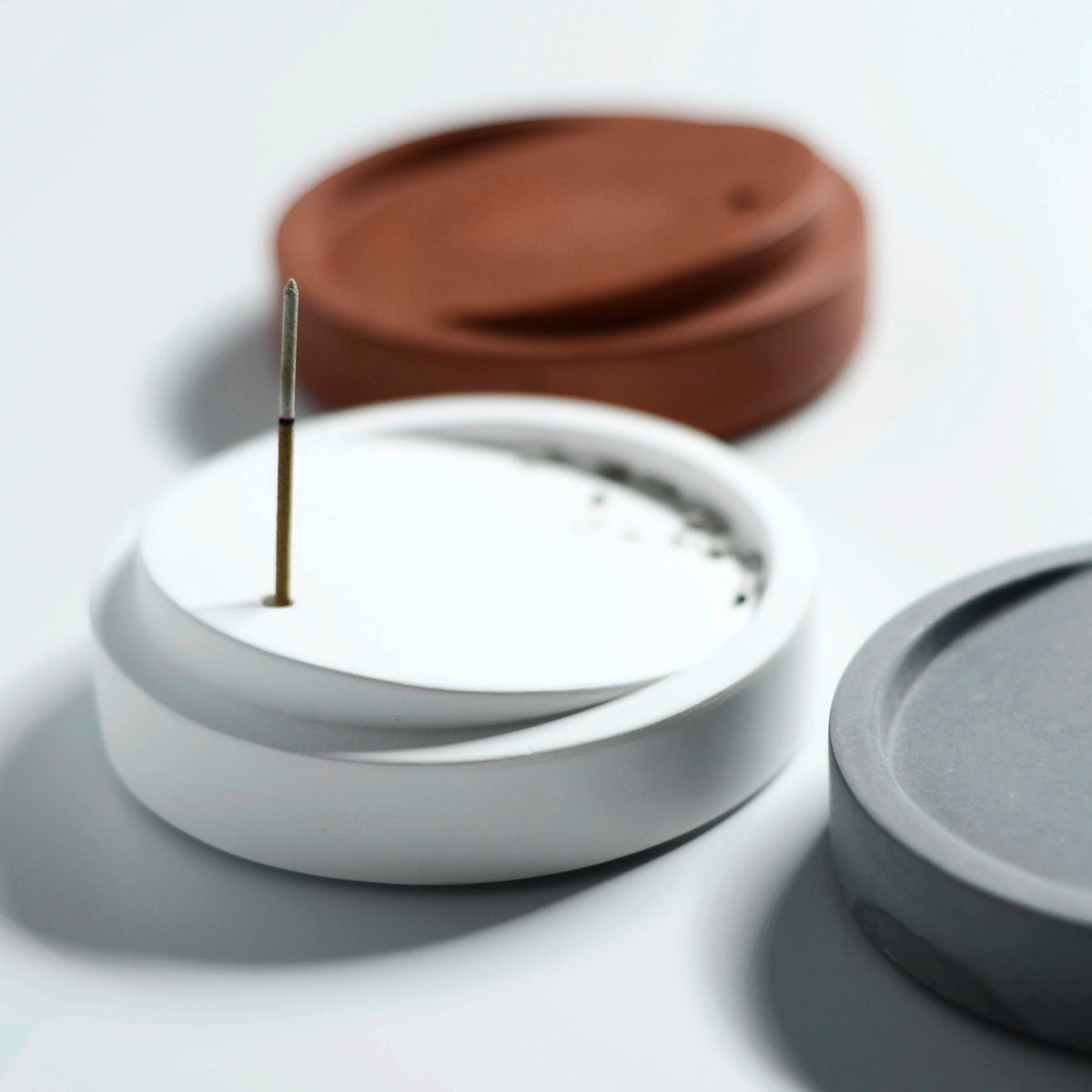
Use a ceramic, stone, or metal incense holder on a non-flammable surface.
Special Considerations
Pets
Birds have highly efficient respiratory systems vulnerable to airborne particulates. Burn in a separate room. For cats and dogs, avoid burning directly next to pet sleeping areas.
Children
Avoid burning in nurseries. For older children, use shorter sessions and lower-smoke products.
Respiratory Conditions
If you have asthma, COPD, or another chronic respiratory condition, consult your physician before burning incense regularly.
Pregnancy
Research is limited. Pregnant individuals should discuss regular airborne exposure with their healthcare provider.
The Honest Comparison: Incense vs. Other Indoor Combustion
- Gas cooking: produces PM2.5, NO₂, CO, and formaldehyde
- Paraffin candles: emit toluene, benzene, and soot
- Wood fireplaces: major source of indoor PM2.5
- Incense: lower end of the spectrum when natural products are used with ventilation
Where to Start
For exploration: the Dongzhi 8 Scent Sampling Set ($19), eight SGS-certified scents.
Lowest-smoke option: Fuji handcrafted coreless sticks, Artisan Soothing, Night Rain, Divine Cedar, Mysore Sandalwood.
For deeper context, our guides on stress relief and relaxation cover clinical evidence. Browse our full incense collection and meditation incense guide.
Incense from real plants, burned with ventilation and common sense, has been part of daily life for over five thousand years. Choose what goes into your air as carefully as you choose what goes into your body.