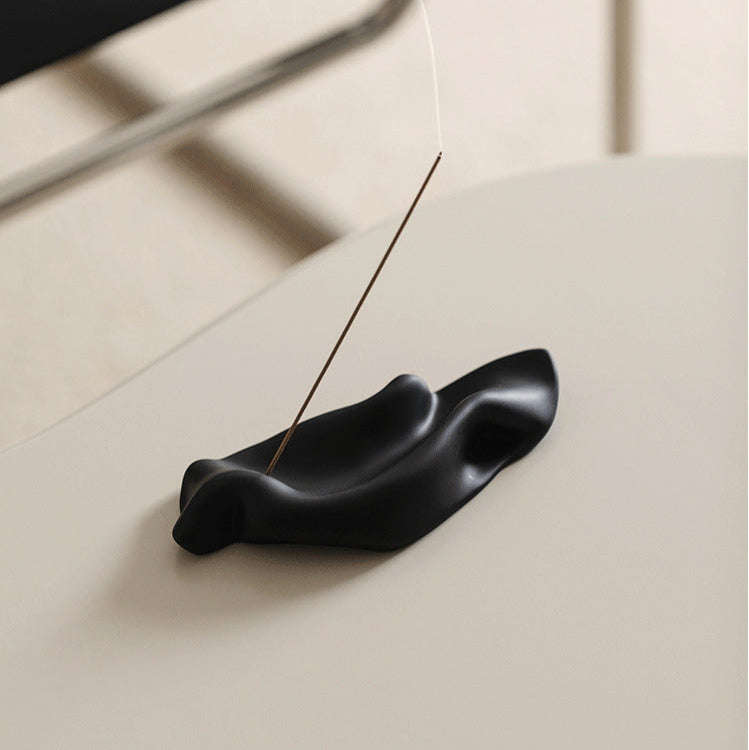

Incense Holder Materials Compared: Ceramic, Glass, Metal, Wood, Resin & Stone
Not all incense holders are created equal. From ceramic to resin to glass, each material changes how your incense burns, catches ash, and looks on your shelf.
I have a confession. For the first few years I burned incense, I treated the holder as an afterthought. I would grab whatever was closest, a dish, a shell, a tin lid, and light a stick without a second thought. The holder was just the thing that stopped the ash from falling on the table. Then I cracked my third ceramic holder in a single month, watched a glass one shatter from a cone that burned too close to the base, and scorched a beautiful paulownia tray I had carried back from Kyoto. That is when I started paying attention to what the holder was actually made of.
It turns out the material matters more than almost anything else about an incense holder. It changes how the heat moves, how the ash falls, how long the piece lasts, how it looks on your shelf, and more than I expected, how the holder itself interacts with the scent over time. I have since owned holders in every common material, and I have opinions about all of them. This is my side-by-side comparison of the six materials you will actually encounter when you are shopping for an incense holder: ceramic, glass, metal, wood, resin, and stone.
Why Material Matters
Before I get into the materials one by one, it helps to know what you are actually comparing. When I evaluate a holder, I look at six things:
- Heat resistance: can it take a glowing tip pressed against it, or a cone burning for ten minutes?
- Durability: will it survive a drop, a bump, years of daily use?
- Ash catching: does the ash land somewhere, or drift off the edge?
- Scent interaction: does the material stay neutral, or does it absorb and release its own smell?
- Aesthetics: what does it look like on the shelf when it is not in use?
- Price: what does the material cost, and is it worth it?
Every material is a trade-off across those six axes. There is no single winner, which is exactly why a comparison is useful. Let me walk through each one.
1. Ceramic: The All-Rounder
I will say it upfront: ceramic is my default, and it is also MUSO's strongest category. If I could only own holders in one material for the rest of my life, ceramic would be it.
Ceramic covers a range, and the range matters. On one end you have porcelain, fine, translucent, usually pale, fired high and non-porous. On the other you have stoneware, denser, earthier, often darker, with a more tactile surface. Both are fired at temperatures above 1200°C, which means the glowing tip of an incense stick, at maybe 400-600°C, is nothing to them. You can burn a cone directly on a ceramic base and the worst that happens is a faint mark you can wipe off.
Then there is the glaze. This is where ceramic gets genuinely interesting as a craft object. A crackle glaze, those fine spider-web lines running across the surface, is my favourite for holders because ash settles into the cracks and builds a patina over time that I find beautiful. Celadon, that soft jade-green glaze with roots in Chinese and Korean pottery, catches light in a way that makes a holder look like a small sculpture even when it is just sitting there. Matte glazes feel more modern and restrained, and they hide ash better than glossy ones.
The trade-off is breakability. I have cracked more ceramic holders than I care to admit, usually from setting them down too hard on a stone counter, not from the incense itself. Porcelain is the more fragile of the two; stoneware can take a knock. The Momo's Life Artisan Ceramic holder, for example, is a stoneware piece that balances delicacy with enough heft to feel stable, and the glaze work is the reason I reach for it first on most mornings.
2. Glass: The Minimalist
Glass is the material I reach for when I want the burning itself to be the show. There is something about watching the ash fall through air and land on a clear surface that feels more like watching than using.
But glass demands you know what you are getting into. The two common types are borosilicate, the kind used for laboratory glassware, which handles thermal shock well, and soda-lime, the everyday window and bottle glass that does not. Most decorative holders are soda-lime, which means a hot cone placed too close to a thin point can, in theory, stress the glass. In practice, the heat from a single incense stick is usually fine, but I never leave a cone burning unattended on a glass holder.
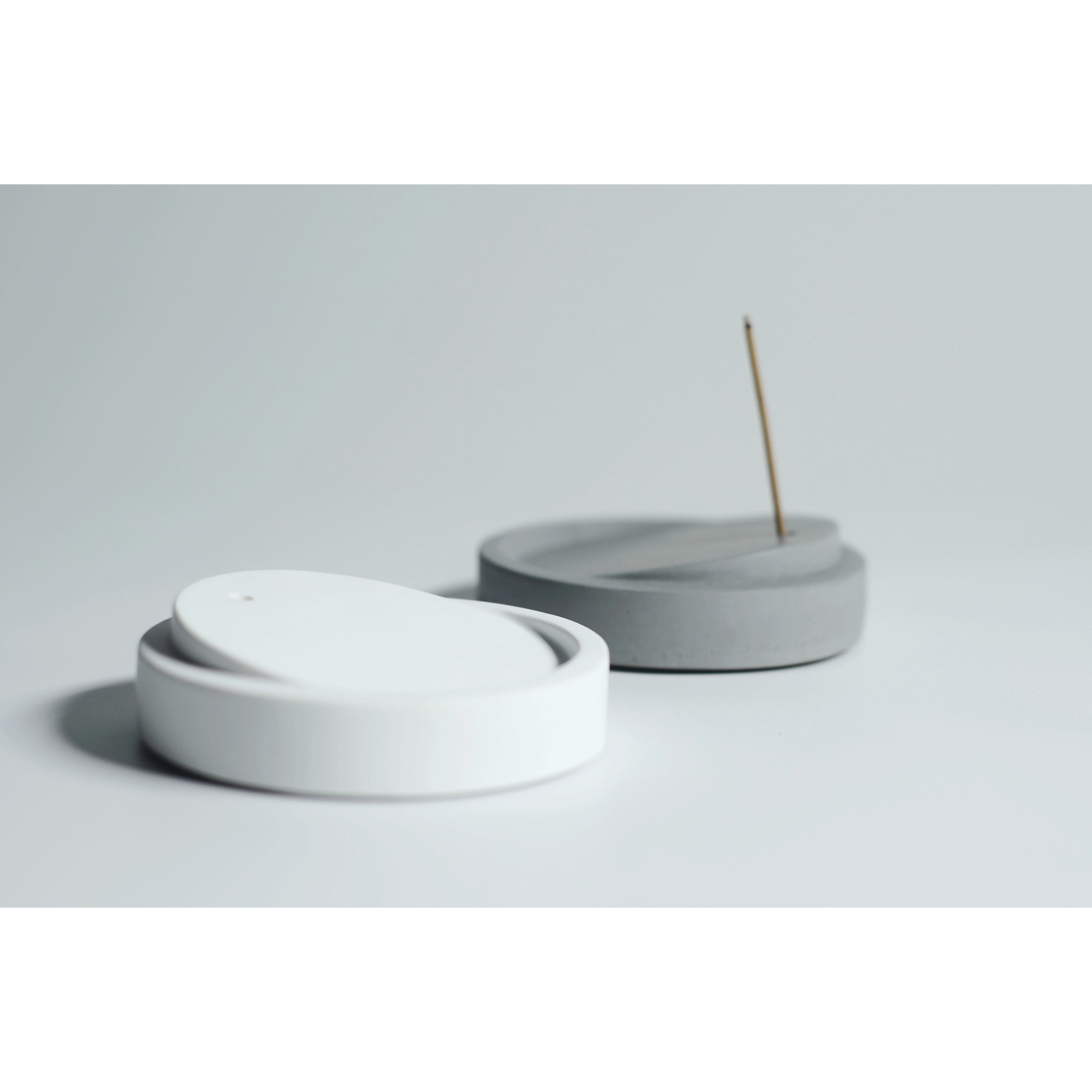
The Momo's Life Elegant Glass holder is the one I have spent the most time with in this category, and it is a piece I genuinely enjoy. The transparency means you see every grain of ash, which is either a feature or a chore depending on your temperament. I find it meditative to watch; I also find it slightly fussy to keep clean.
Fragility is the obvious drawback. A glass holder will not survive a drop onto a hard floor. For a quiet, dedicated spot on a shelf, though, the clarity is hard to beat.
3. Metal: The Traditionalist
MUSO does not currently sell metal holders, so I will be brief, but metal deserves a place in this comparison because it is one of the oldest holder materials, especially brass, copper, and bronze.
The defining trait of metal is heat conduction. A brass or copper holder will get warm, sometimes hot, while a cone burns. The practical note is simple: put a metal holder on a heat-safe surface, not directly on a varnished table. I learned this the hard way with a faint ring on a walnut sideboard.
What metal offers in return is durability that borders on indestructible. A brass holder will outlive you. It will also develop a patina, that darkened, slightly greenish or brownish tone that aged brass and copper take on, which many people, me included, find more beautiful than the polished original. There is a reason traditional Japanese kōgō (incense containers) were often made of bronze or lacquered metal: the material ages with you.
4. Wood: The Living Material
Wood is the material that surprised me most, and the one I have the most complicated feelings about.
The common woods are paulownia (light, pale, used for traditional Japanese storage boxes), cedar (aromatic, reddish), and bamboo (fast-growing, sustainable, often used for simple stick-rest holders). Each behaves a little differently, but they share two traits that define the category.
First, wood is a living material in the sense that it absorbs and releases fragrance. A paulownia holder that has sat under sandalwood smoke for six months will carry a faint, layered sandalwood note of its own. I love this, it means the holder itself becomes part of your scent memory. But I also know people who find it muddies a delicate incense. If you want the purest scent transfer from stick to nose, wood is not your material; ceramic and glass are neutral.
Second, wood has low heat resistance. You can and will scorch it. A cone burned too long in one spot will leave a blackened ring; a stick left smouldering against the grain will leave a char mark. Some people consider this part of the wabi-sabi appeal, the holder records its own use. Others consider it damage.
5. Resin: The Sculptor
Resin was the material I was most sceptical about, and the one that most changed my mind.
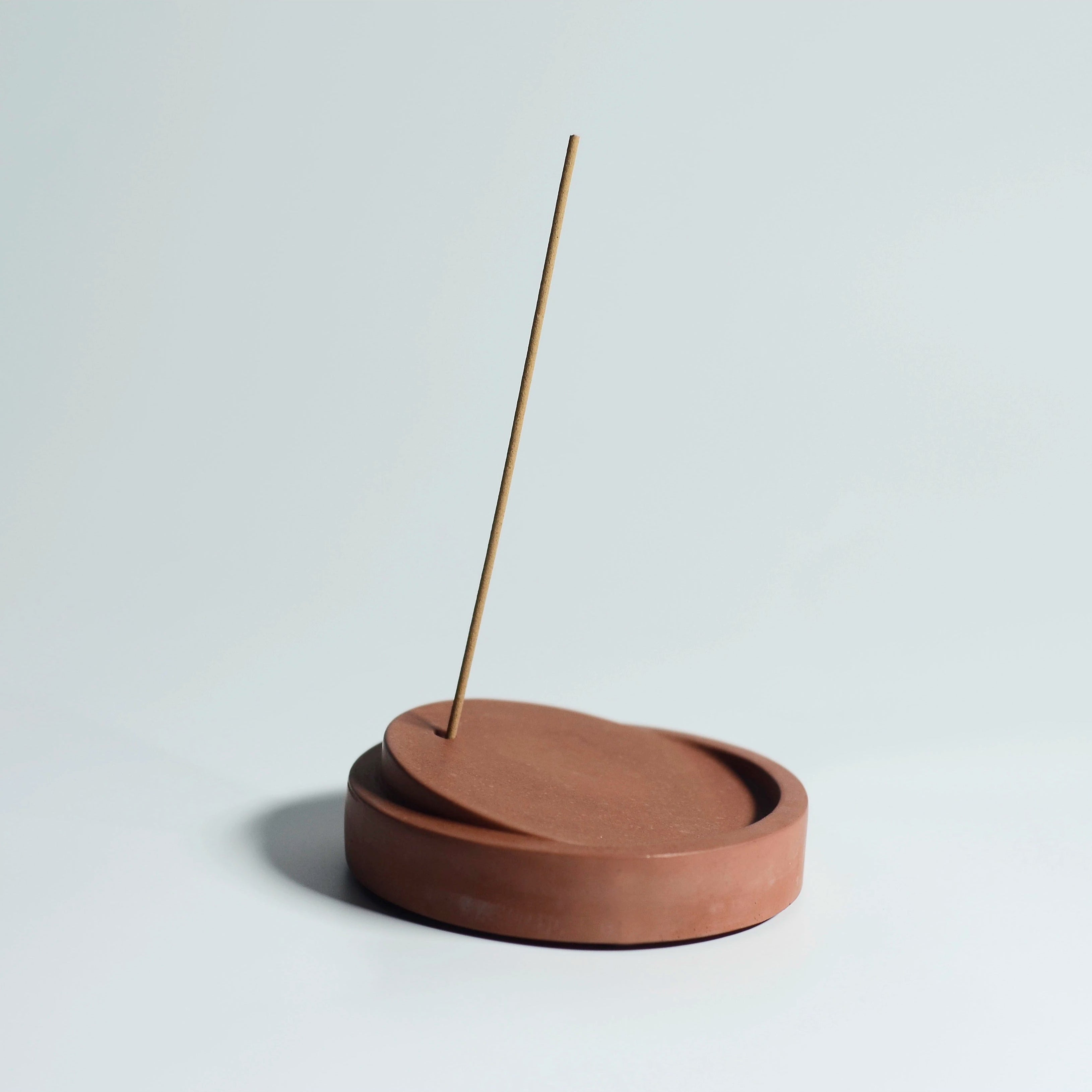
A quick clarification, because "resin" is a confusing word in this context. There are natural resins, the saps and exudates of trees, like the frankincense and myrrh that are themselves incense, and there are synthetic resins, the epoxy and polyurethane formulations used to cast objects. An incense holder made of "resin" is almost always the synthetic kind. Its great advantage is moldability: you can cast it into sculptural forms that would be difficult or impossibly expensive to carve in ceramic or stone.
The Aura Resin Elegance holder is a good example of what the material does well. Resin surprised me, it is lighter than I expected, closer to a dense plastic than to stone, but it holds heat remarkably well. A glowing tip against resin leaves no mark, and the material does not conduct heat the way metal does, so the base stays cool to the touch.
Durability is a real strength. Resin will not shatter like glass or crack like ceramic, and it will not scorch like wood. You can browse resin incense holders to see the range.
6. Stone & Composite: The Anchor
Stone is the material I reach for when I want a holder to feel permanent, like it belongs to the shelf, not like it is resting on it.
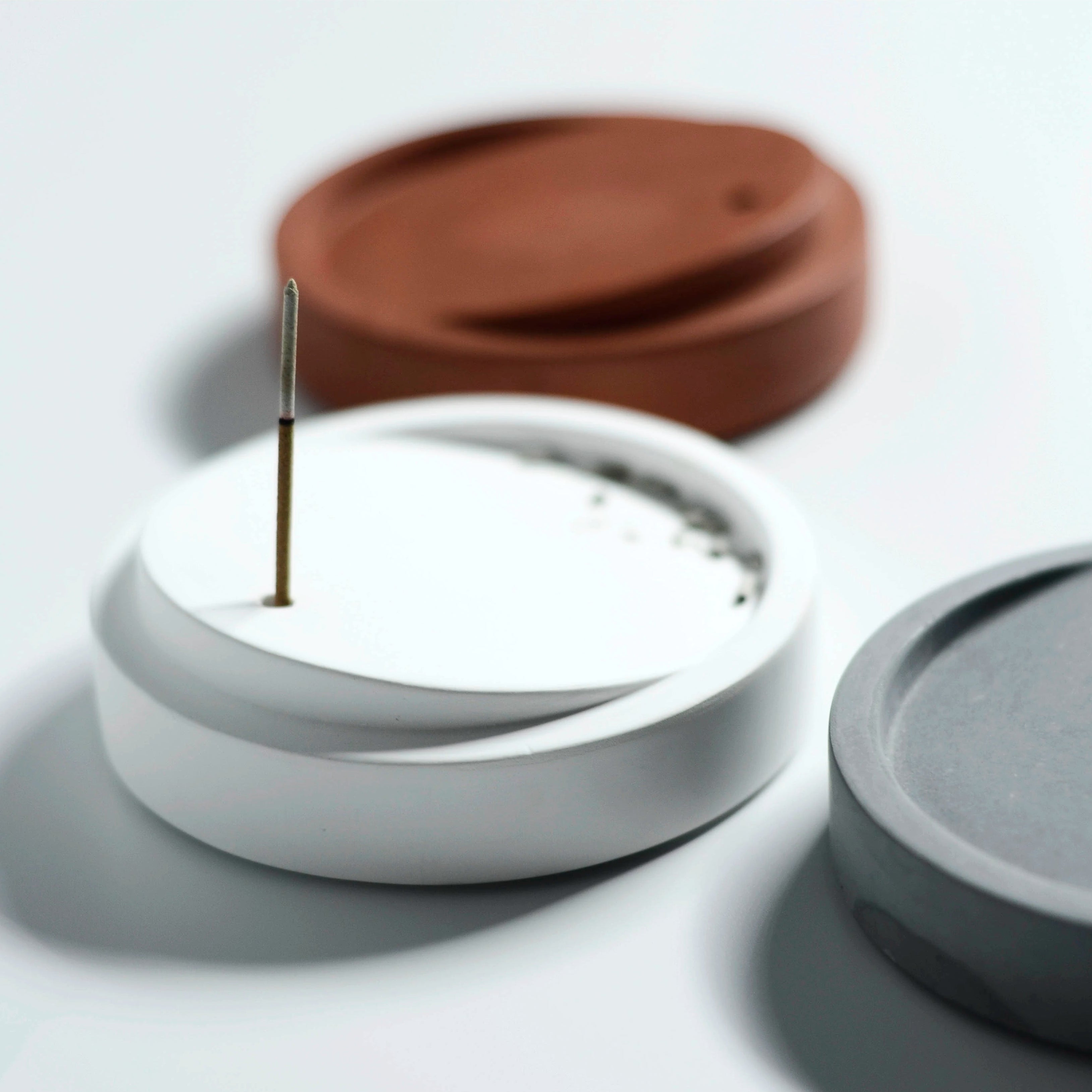
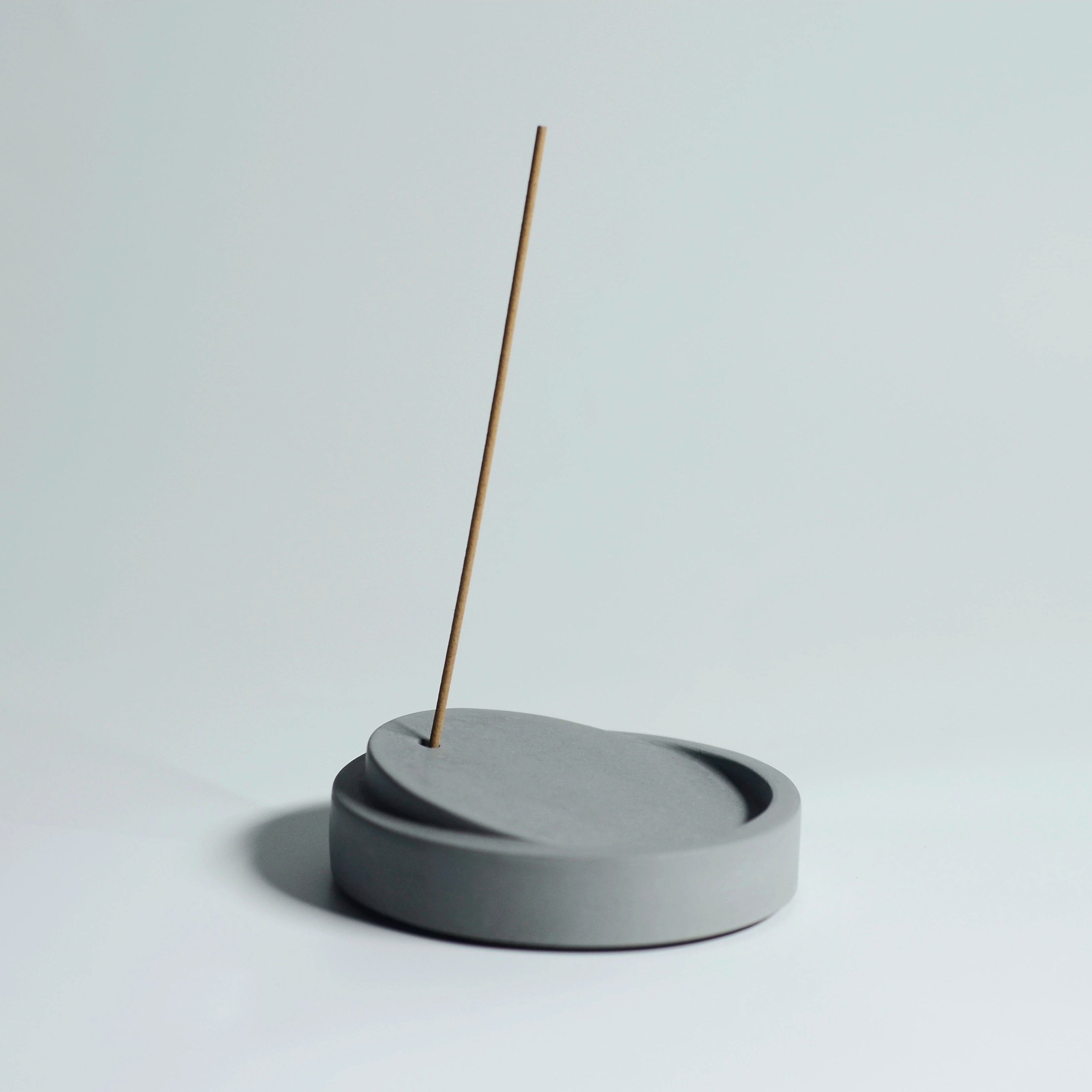
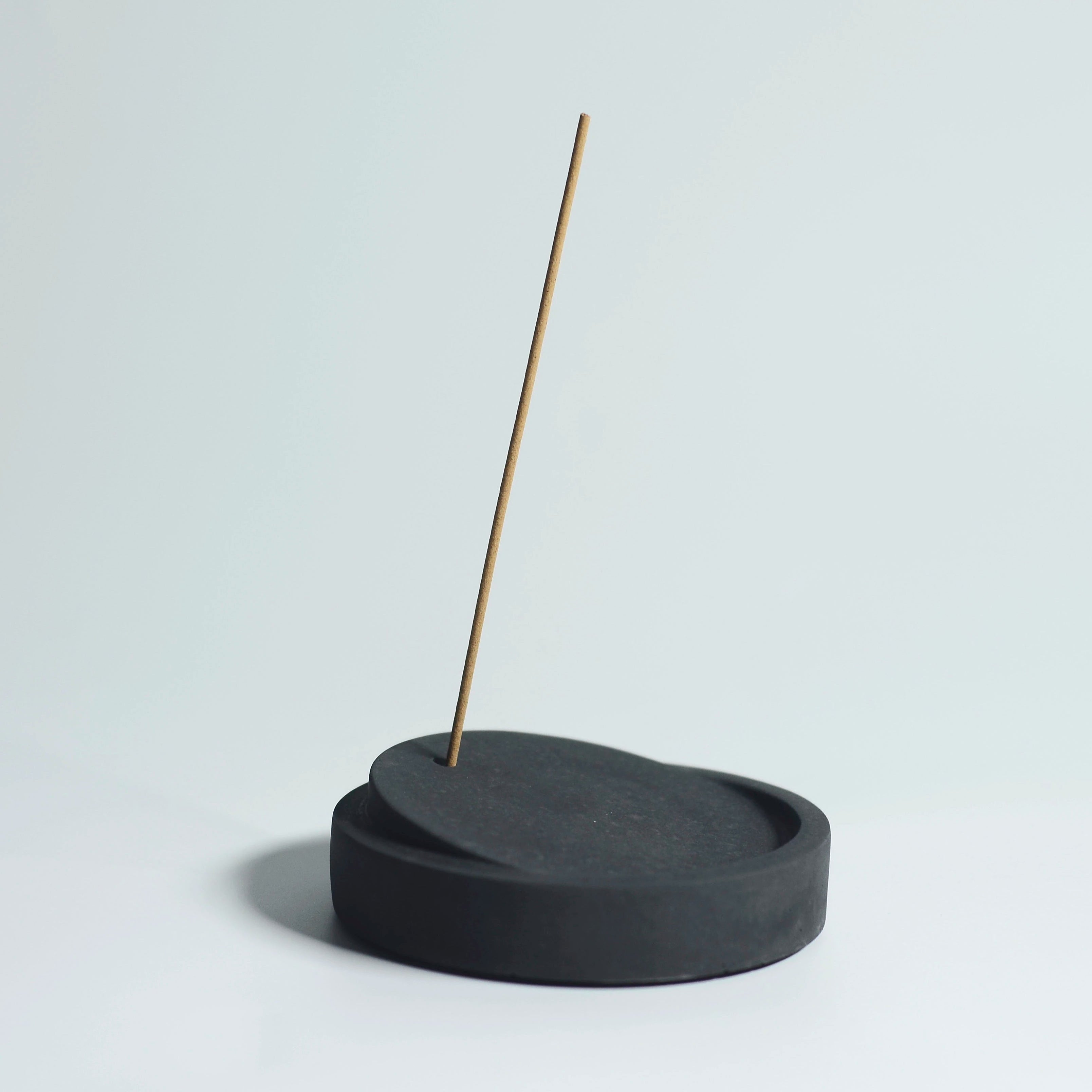
Natural stone (slate, granite, marble) and stone-based composites share a few traits: they are heavy, they are heat-proof, and they are stable. A stone holder does not tip. It absorbs heat without complaint and radiates a cool, grounded calm when it is sitting idle.
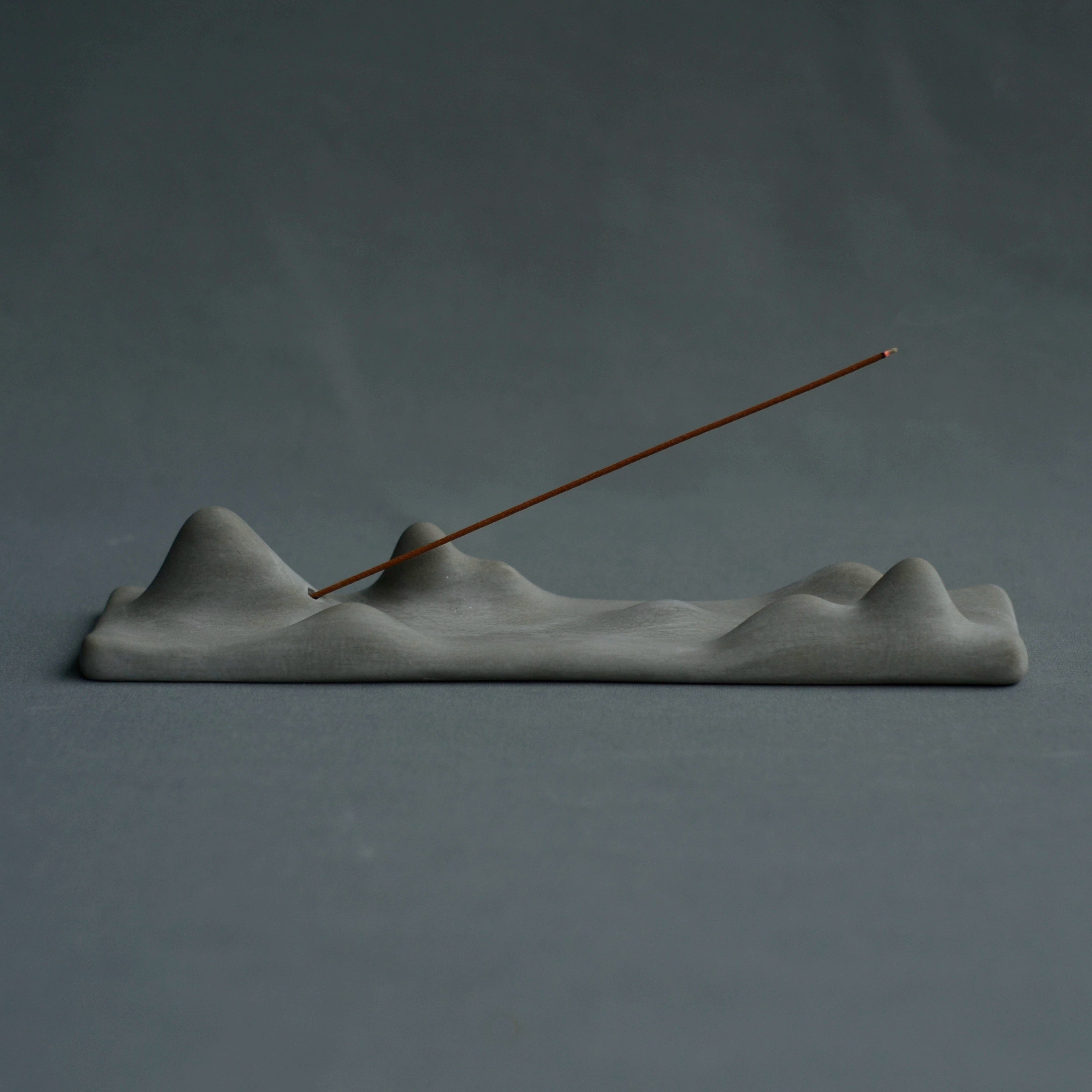
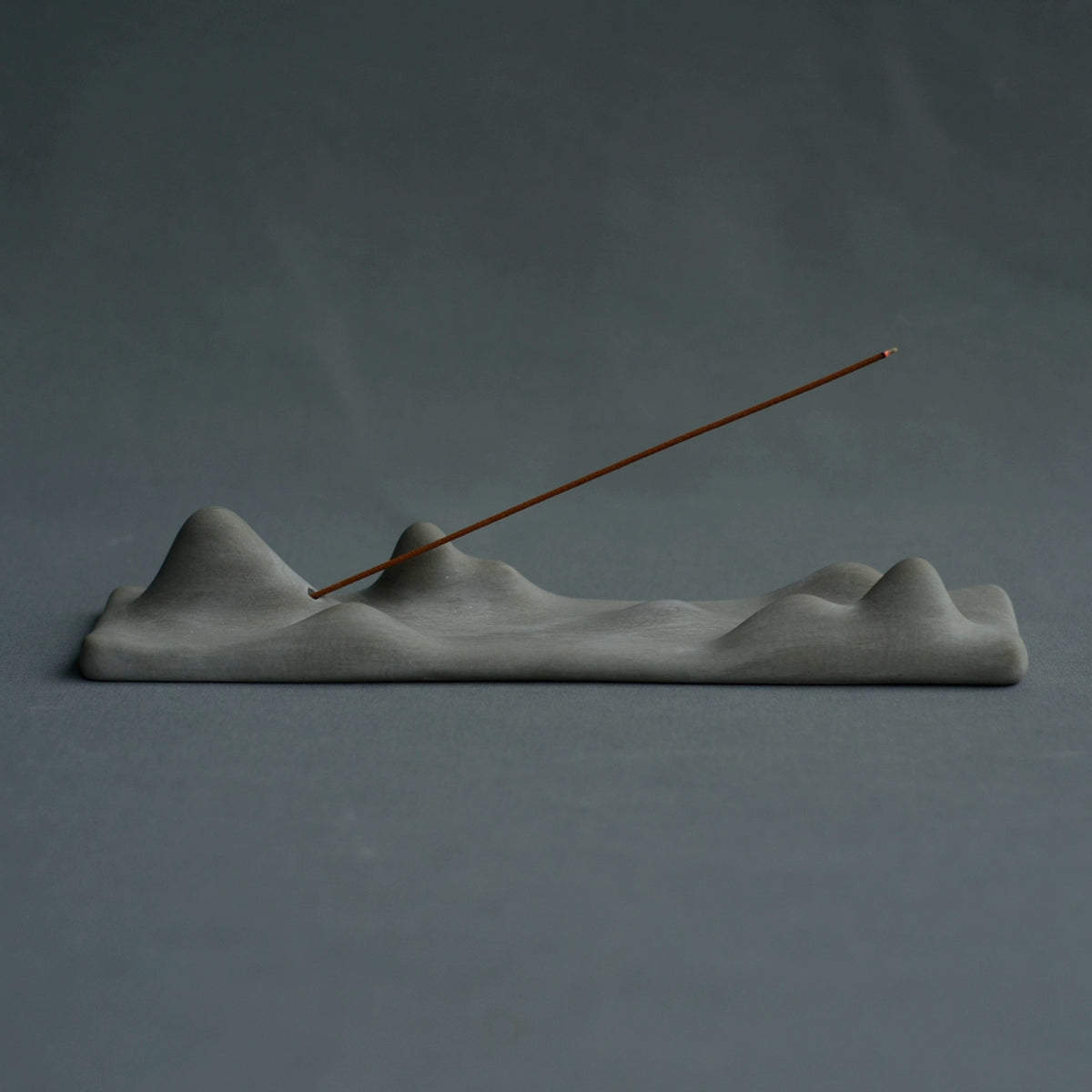
The ASPDIN Zen Mountain Range holder is the piece I think of here, a composite formed into a literal miniature ridge of peaks, with the stick hole set into the "summit." The weight and stability are real advantages. The companion ASPDIN ZenSpin Slide and the Muso Modern Artistry pieces sit in a similar register of weighty, sculptural stillness.
The Comparison
| Material | Heat Resistance | Durability | Ash Catching | Scent Interaction | Price Range | Best For |
|---|---|---|---|---|---|---|
| Ceramic | Excellent (1200°C+ fired) | Moderate, chips on impact | Very good with wide basin | Neutral | $25-49 | Daily use, craft lovers, gifting |
| Glass | Good to fair | Low, shatters on impact | Good, but every speck visible | Neutral | $30-45 | Minimalist display, watching the burn |
| Metal | Excellent, conducts heat to base | Excellent, near indestructible | Good, depends on basin | Neutral | $20-60 | Traditionalists, long-term pieces, patina |
| Wood | Low, can scorch | Moderate, dents and marks | Good, but surface stains | High, absorbs/releases fragrance | $15-40 | Ritual use, scent layering, sustainability |
| Resin | Good, no scorching | High, won't shatter or crack | Good, easy to clean | Neutral | $30-49 | Sculptural forms, daily use, travel |
| Stone / Composite | Excellent | High, heavy and stable | Very good, stable surface | Low, sealed composites neutral | $40-49 | Display pieces, permanent placement |
Which Material for What
- Morning ritual, daily use: Ceramic. The Momo's Life Artisan Ceramic holder is my daily driver.
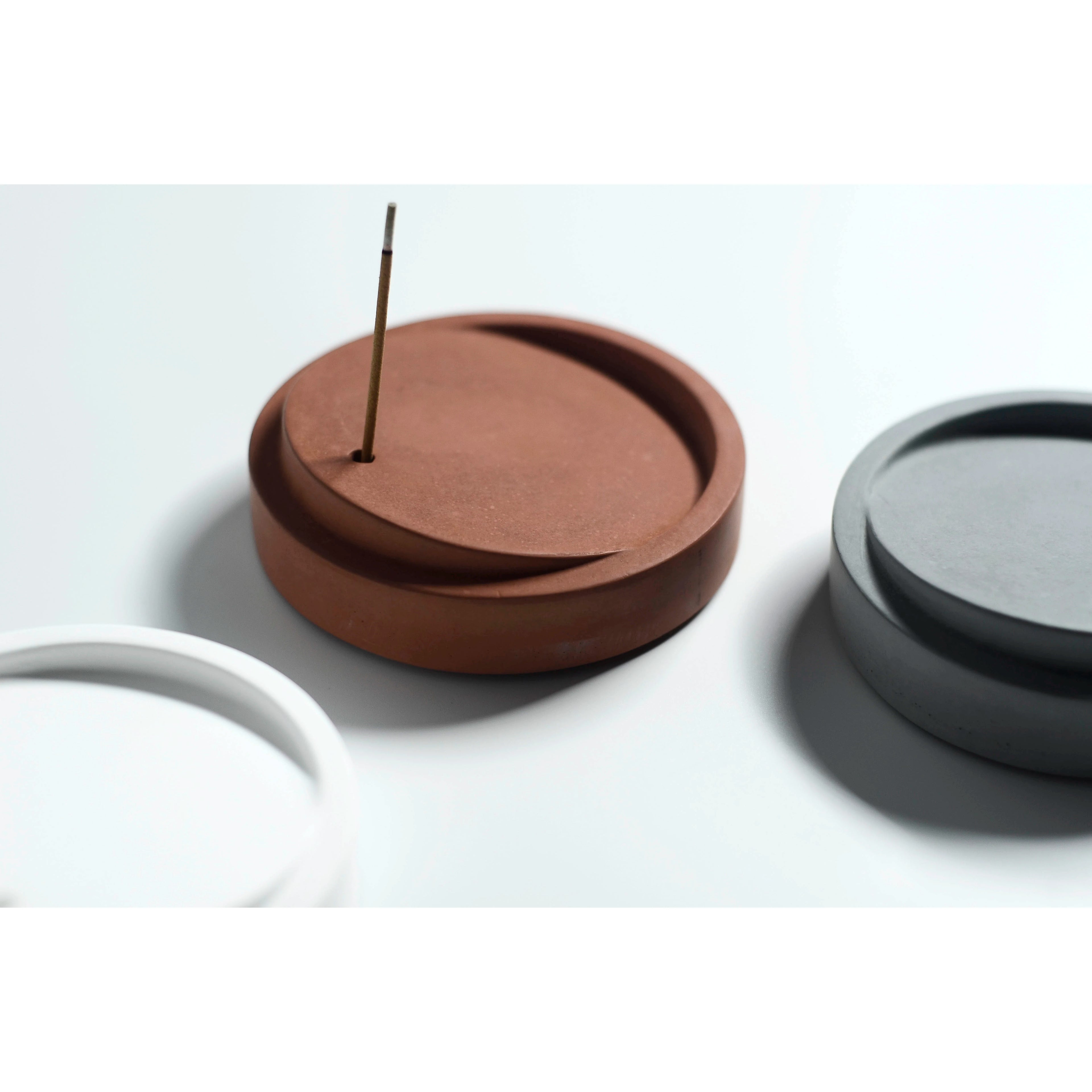
- A display piece: Stone or composite. The ASPDIN Zen Mountain Range and the Muso Modern Artistry are objects I would leave out as sculpture.
- Travel: Resin. It is light and won't shatter. The Aura Resin Elegance is the one I would pack.
- Watching the burn: Glass. The Momo's Life Elegant Glass turns ashfall into something you see.
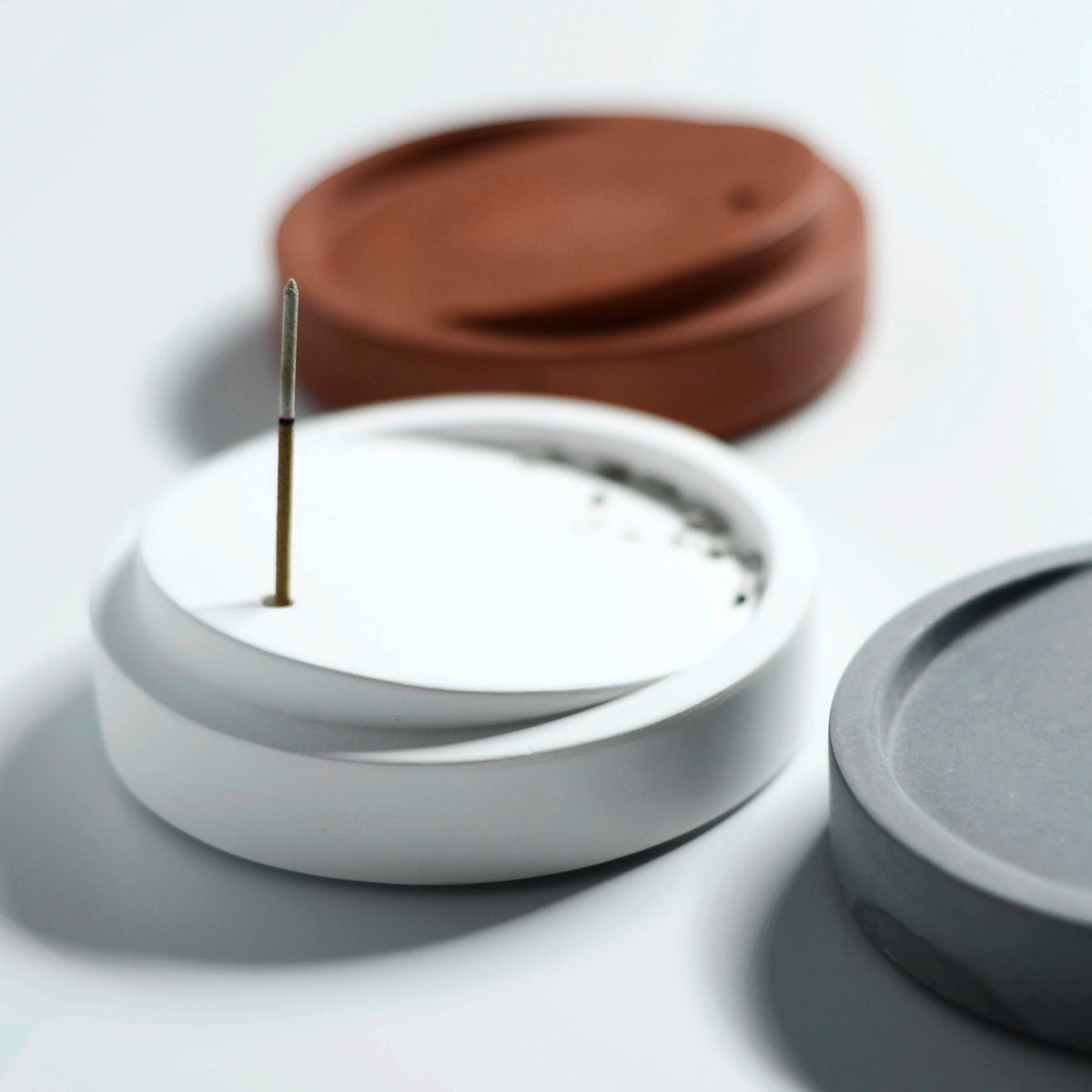
- Gifting: Ceramic. Pair it with a slide-style catcher or the Muso Leafboat ash catcher.
For a broader look, the 2026 buyer's guide walks through the decision in more detail, and our deep dive on ceramic incense holders is worth reading if ceramic is pulling at you. For keeping them in good shape, our care and maintenance guide covers cleaning and storage, and the history of the incense holder is worth reading too.
My Recommendation
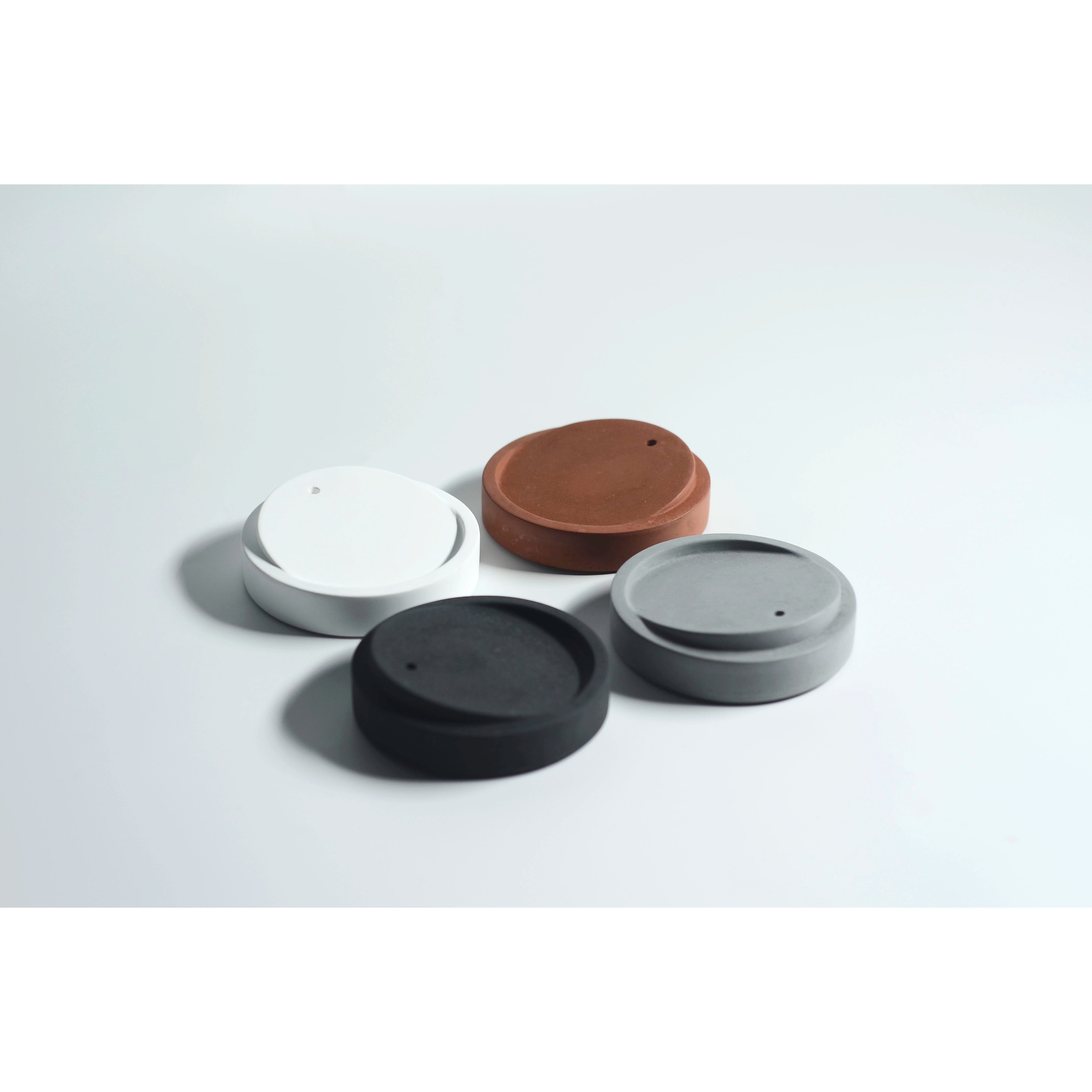
For most people, most of the time, ceramic is the best material for an incense holder. It doesn't win every category, but it balances everything well enough that I never regret reaching for it. The full holder collection is where you can see all six next to each other.
If you are starting a collection, begin with one ceramic holder for daily use, and add a second in a contrasting material, a glass or stone piece for display, a resin one for travel.
Material is not a detail. It is the holder.
This article is for informational purposes about incense products and craftsmanship. MUSO Collection makes no claims about the health effects of its products.