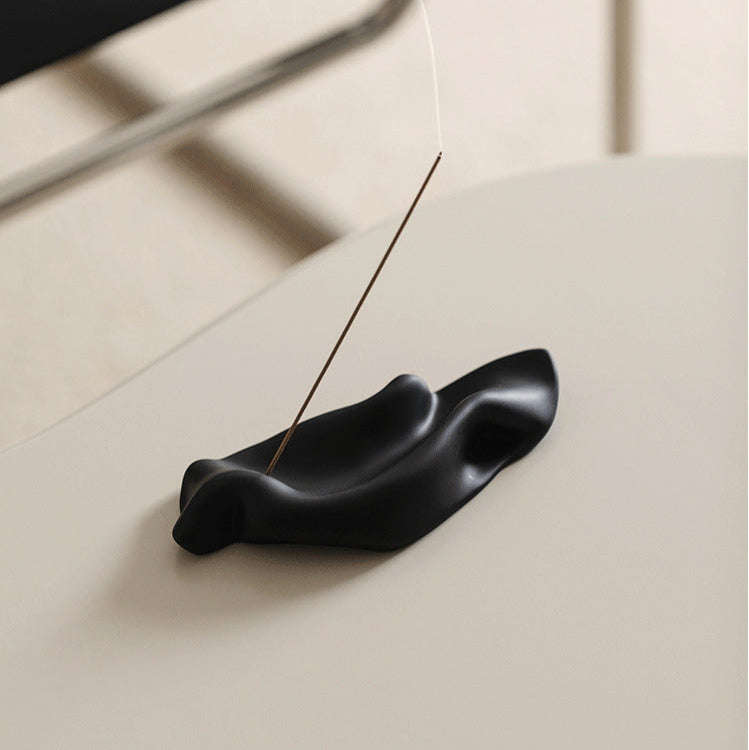

Incense Holder Care and Maintenance: Cleaning, Storage, and Longevity
An artisan incense holder isn't a disposable accessory. Spend $39 on a hand-thrown ceramic piece from Momo's Life or $49 on a sculptural ASPDIN design, and you've bought something meant to last years — decades, if you treat it right. But treat it like a kitchen utensil you toss in the sink, and you'll have a chipped, stained, cracked holder before the season turns.
Most care mistakes come from treating every holder the same way. A glazed ceramic dish handles water differently than an unglazed stoneware bowl. A resin holder reacts to solvents in ways ceramic never will. And glass — beautiful as it is — punishes carelessness faster than any other material in the catalog.
This guide walks through exactly how to clean, store, and maintain each type of holder MUSO Collection sells — no generic advice, no filler. If you own one of these pieces, here's how to keep it looking like the day you unboxed it.
Know Your Material Before You Touch It
Every cleaning decision flows from the material. Wipe down a glazed ceramic holder with a damp cloth and you're done in ten seconds. Do the same to an unglazed piece and you've just rubbed ash deeper into porous clay. Here's what you're working with across the MUSO catalog:
| Material | Porous? | Water-safe? | Key risk | Example products |
|---|---|---|---|---|
| Glazed ceramic | No — sealed by glass layer | Yes — damp cloth, mild rinse | Thermal shock from hot water on cold ceramic | Momo's Life Artisan Glaze, Momo's Life Crackled, Zhiguan Lotus Leaf, Muso Lion Head |
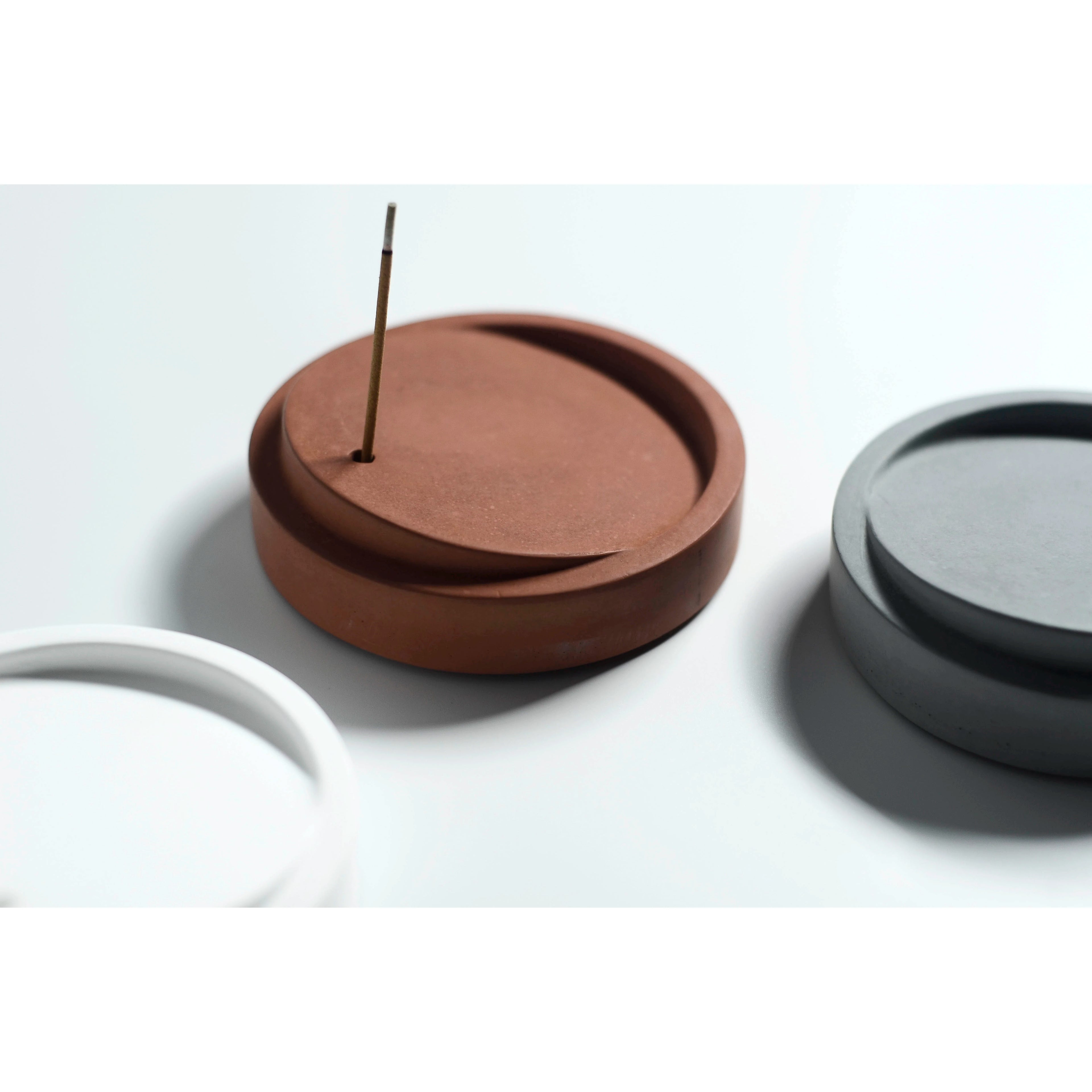
| Unglazed / matte ceramic | Yes — surface absorbs moisture and oils | Limited — dry cleaning preferred; minimal damp contact only | Ash and oil staining into the clay body | Momo's Life Artisan, Momo's Life Ceramic Artistry, ASPDIN Zen Mountain Range, Zhiguan Minimalist Zen |
| Resin | Non-porous | Yes — damp cloth only, never solvents | Surface clouding or softening from chemical cleaners | Aura Resin Elegance |
| Glass | Non-porous | Yes — but thermal shock risk is high | Cracking from sudden temperature changes | Momo's Life Elegant Glass |
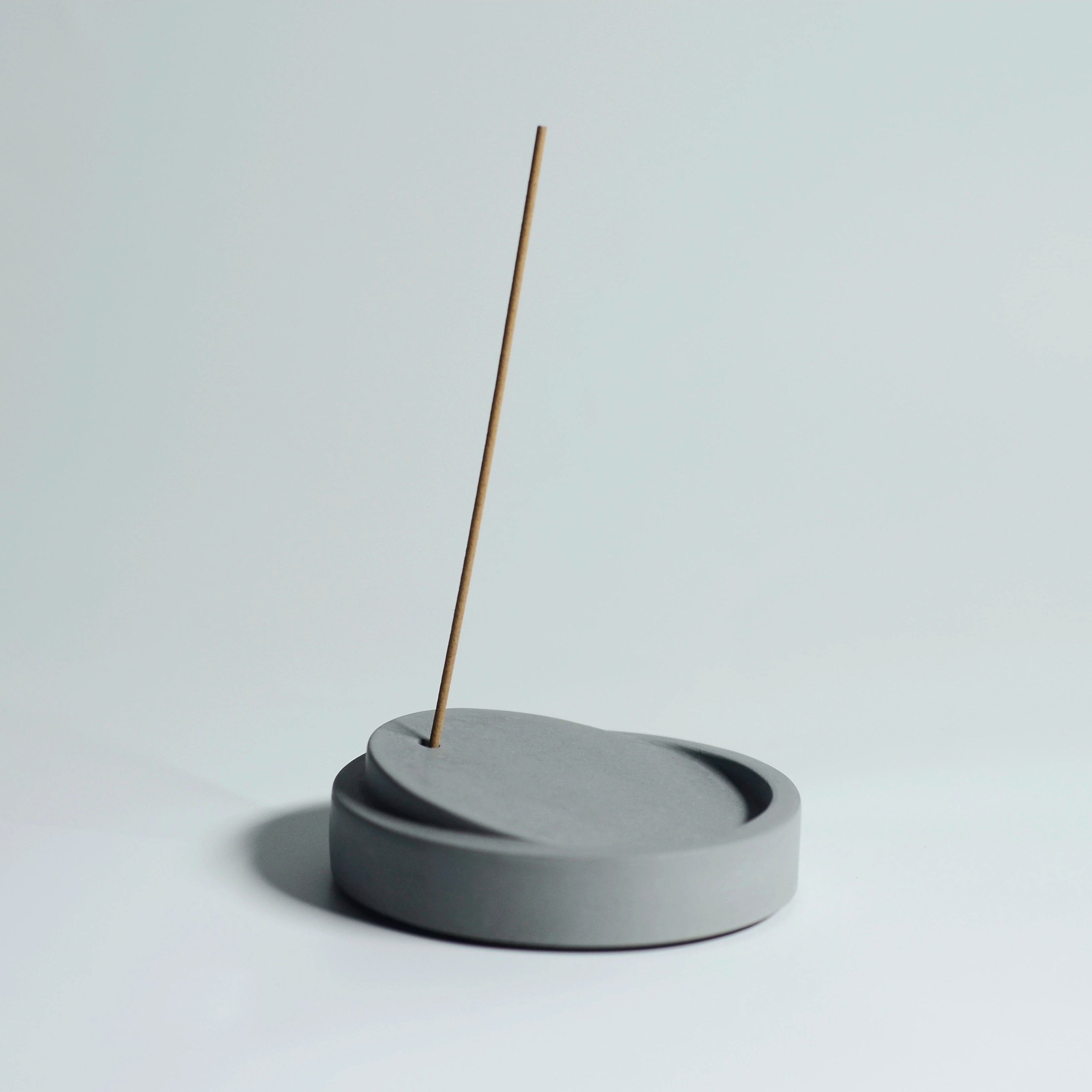
| Composite stone / stone-look | Low — varies by mix | Yes — damp cloth | Abrasive cleaners scuffing the surface finish | ASPDIN ZenSpin Slide |
If you're not sure which material you're holding, find the unglazed test: put a single drop of water on an inconspicuous spot (the underside works). If the water beads and sits on top, the surface is sealed — you can use water. If it absorbs within a few seconds, the piece is unglazed. Stick to dry cleaning.
Routine Cleaning: What to Do After Every Burn
You don't need to deep-clean your holder daily. But you do need a thirty-second routine that stops ash buildup, oil residue, and staining before they set in.
The daily routine (all materials)
- Wait for the holder to cool completely. A ceramic holder that just held a burning stick is still transferring residual heat for five to ten minutes after the ember dies. Touching it too soon won't burn you, but running water over warm ceramic is how you crack a glaze. Let it reach room temperature first.
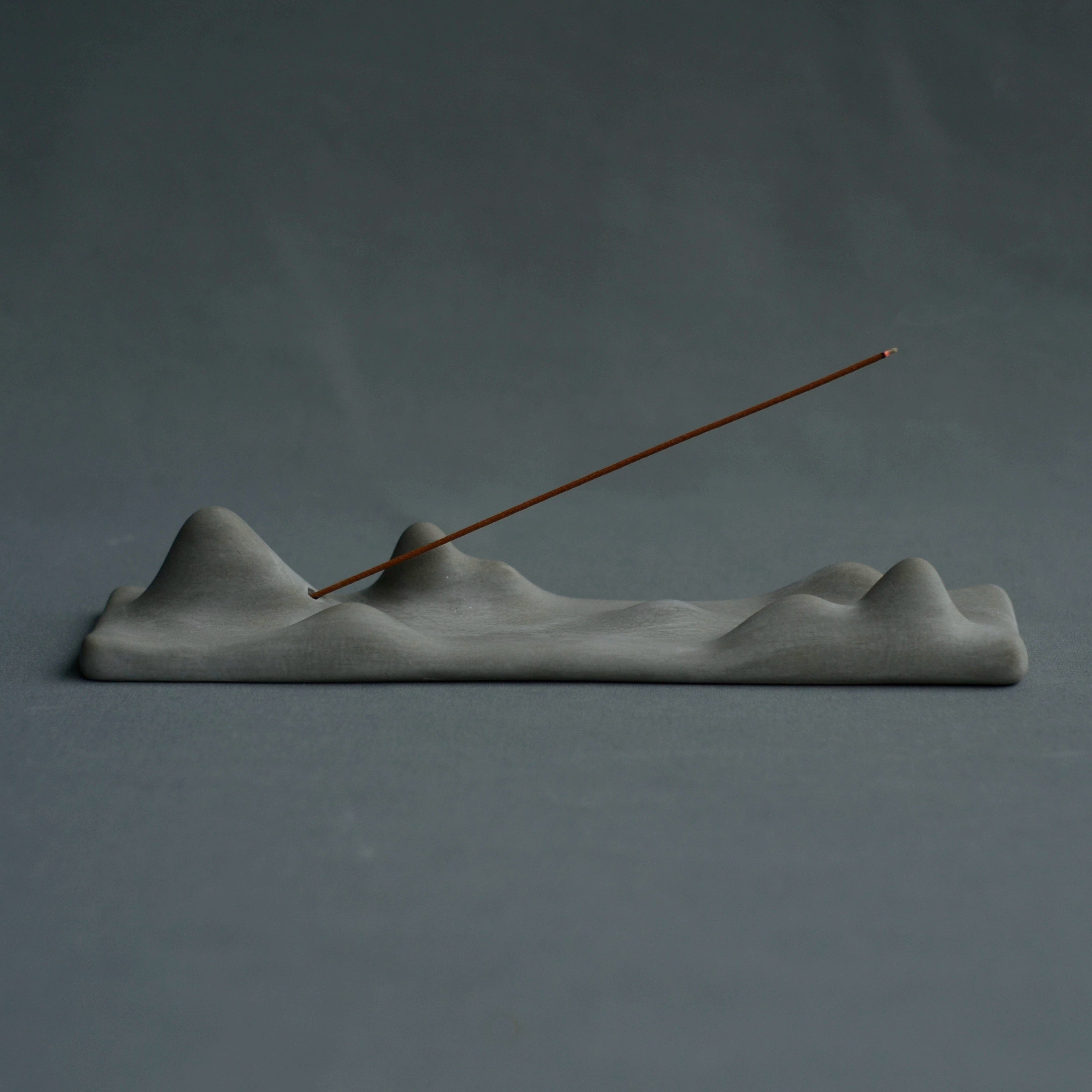
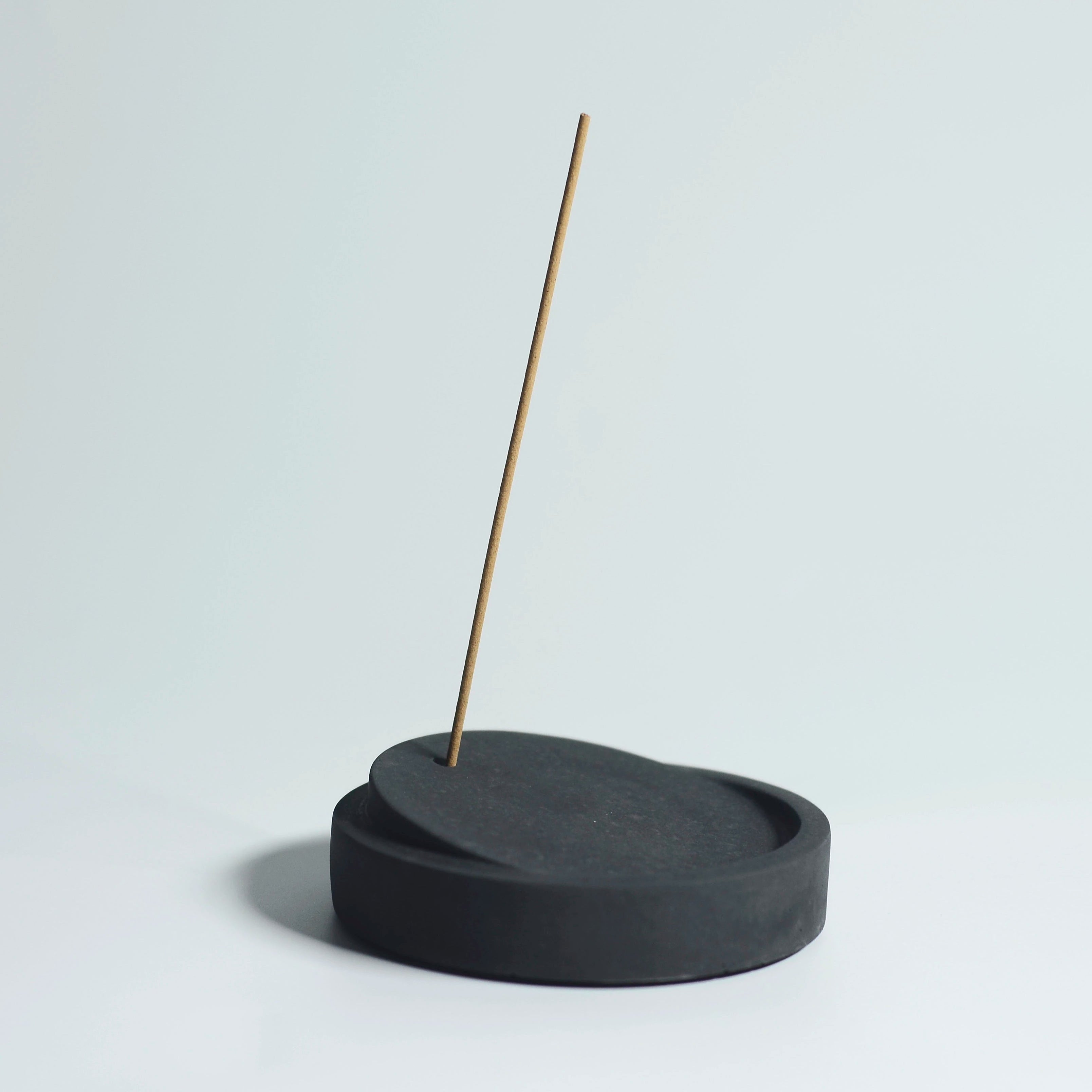
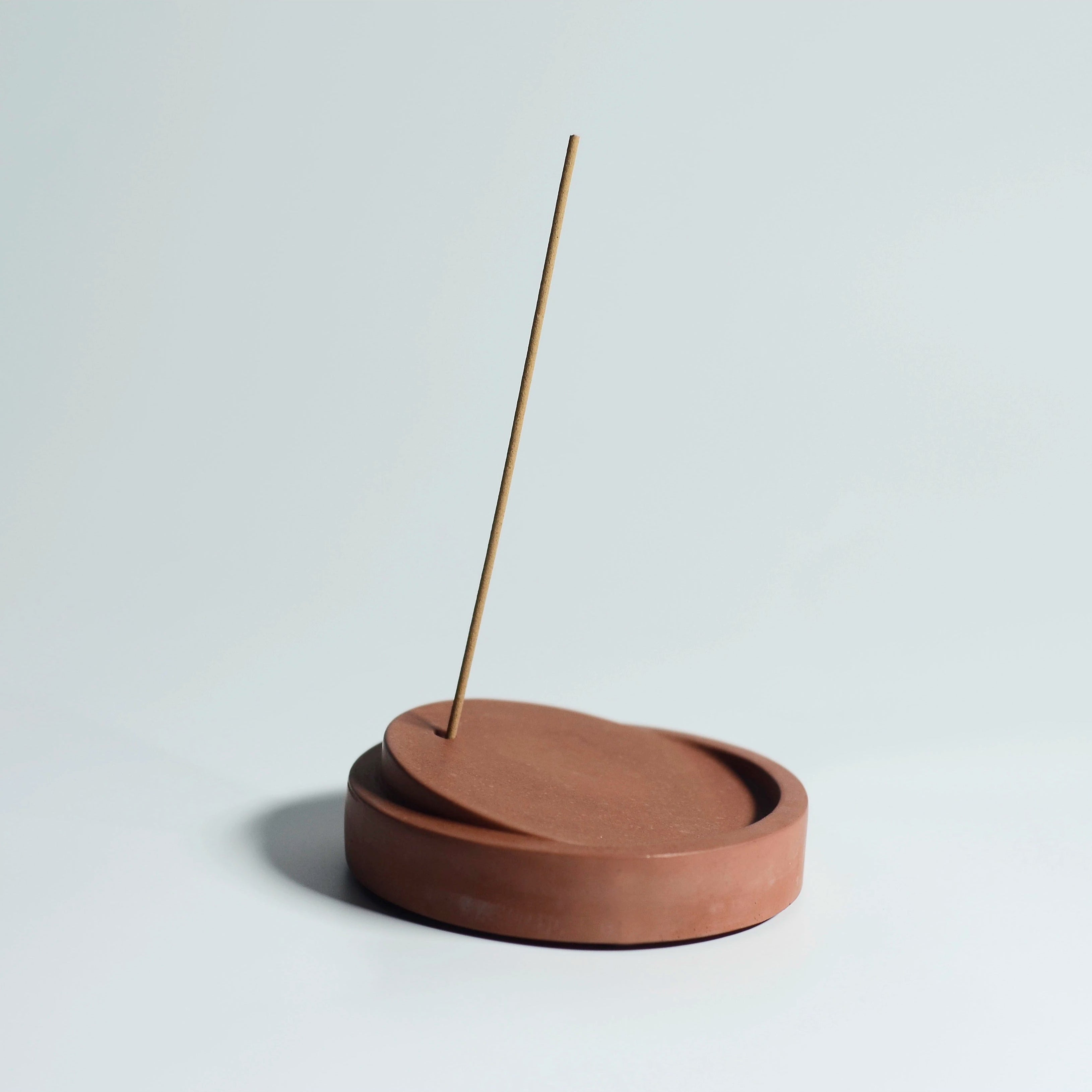
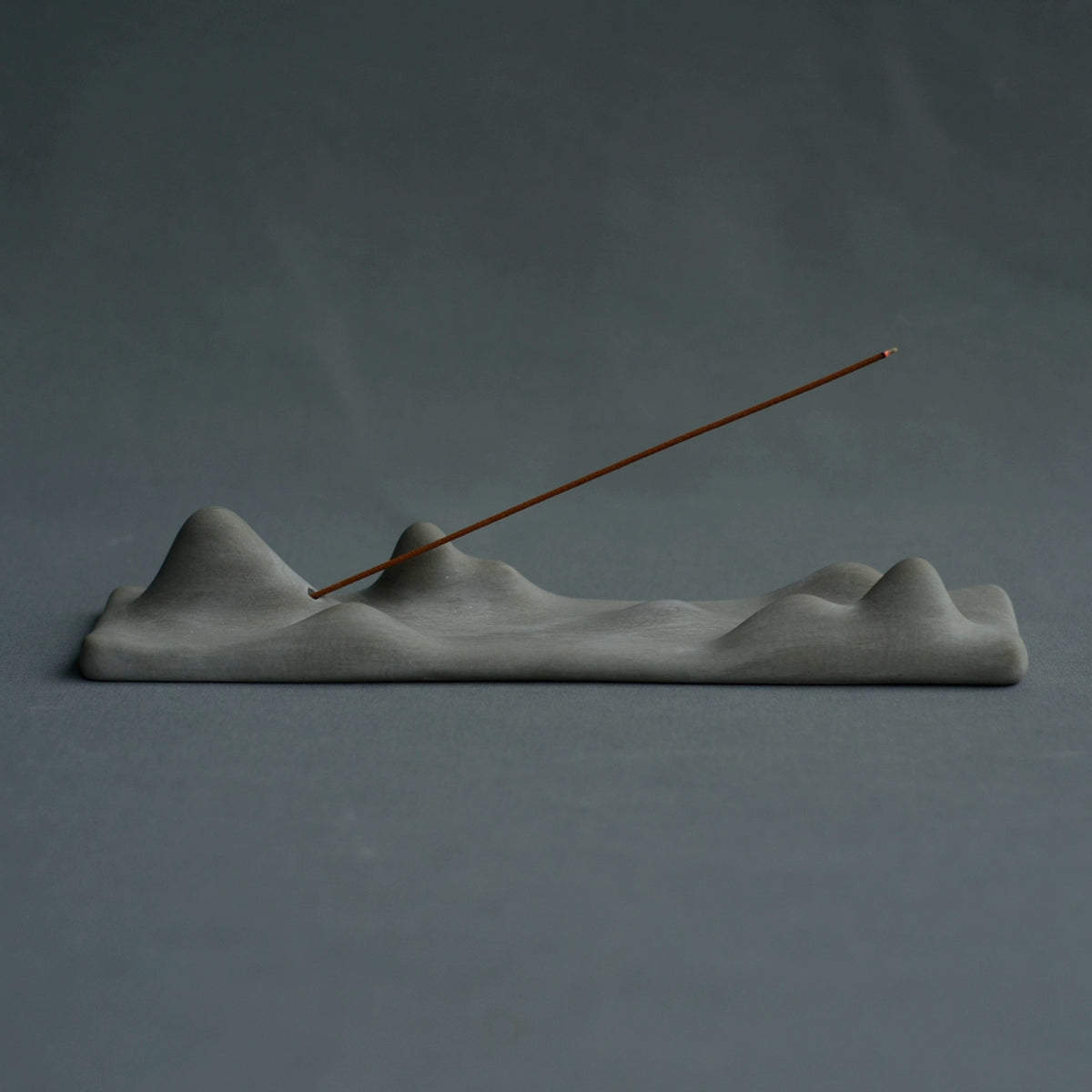
- Empty the ash. Tip the holder gently over a bin — don't blow the ash off. Blowing sends fine particulates into the air and onto surrounding surfaces. For holders with grooves or channels (ASPDIN Zen Mountain Range, ASPDIN ZenSpin Slide), tilt the holder at about 30 degrees so ash slides out without sticking to the channel walls.
- Dry wipe. Use a soft, lint-free cloth — microfiber or an old cotton t-shirt works fine — and wipe the surface where ash sat. This picks up the fine dust that tipping alone misses. For holders with textured surfaces (like the crackled glaze on the Momo's Life Crackled Ceramic Holder), use the cloth folded into a pad and press lightly — don't scrub — to lift ash out of the texture without grinding it in.
That's it. Thirty seconds. Skip this for a week and you'll have compacted ash that's harder to remove than a minute of daily attention.
Deep-Cleaning Ceramic Holders
Every two to four weeks — more often if you burn daily — ceramic holders benefit from a deeper clean. The method depends entirely on whether your piece is glazed or unglazed.
Glazed ceramic (sealed surface)
Glazed ceramic is the easiest material in the catalog to deep-clean. The glass-like surface won't absorb anything, so you can use water without worry — as long as it's room-temperature water on a room-temperature holder.
Method:
- Run the holder under lukewarm water — never hot. The glaze and the clay body expand at different rates when heated; hot water creates micro-stress at that boundary. Over months, repeated thermal cycling is what turns a hairline crack into a visible fissure.
- Add a drop of mild dish soap to a soft cloth or sponge (nothing abrasive — no scrub pads, no scouring side). Wipe the surface in circular motions, paying extra attention to the groove or channel where the stick sits. This is where oils from the incense paste accumulate into a brownish film.
- Rinse thoroughly under running water. Soap residue left in textured areas will attract dust.
- Dry immediately with a soft cloth. Don't air-dry — water spots can form on the glaze, especially on darker finishes like the Momo's Life Artisan Glaze in its deeper colorways.
Products this applies to: Momo's Life Artisan Glaze, Momo's Life Crackled, Zhiguan Lotus Leaf, Muso Lion Head, Muso Modern Artistry.
Unglazed / matte ceramic (porous surface)
Unglazed ceramic needs a lighter touch. The surface absorbs moisture and oils, which means water alone won't lift deeply embedded ash — and too much water can carry ash particles deeper into the clay rather than removing them.
Method:
- Start with a dry soft-bristle brush — a clean paintbrush or makeup brush works perfectly. Brush the surface in one direction to lift loose ash. Don't scrub back and forth; that grinds particles in.
- For stubborn residue: dampen a corner of a cloth with water — just barely wet, not dripping — and dab at the spot. Do not rub. Let the moisture loosen the residue for thirty seconds, then lift it with a dry section of the cloth. Repeated dabbing pulls more out than one aggressive wipe.
- For oil staining around the stick hole (common on heavily used holders): mix a paste of baking soda and water — about one teaspoon baking soda to just enough water to form a thick paste. Apply a dab to the stain with a cotton swab, let it sit for ten minutes, then wipe away with a dry cloth. The baking soda draws oil out of the porous clay. Don't leave it on longer than fifteen minutes; it's mildly abrasive and extended contact can dull the matte finish.
- Let the holder dry completely — ideally overnight — before burning incense on it again. Burning on damp unglazed ceramic can cause the clay to crack from internal steam pressure.
Products this applies to: Momo's Life Artisan, Momo's Life Ceramic Artistry, ASPDIN Zen Mountain Range, Zhiguan Minimalist Zen.
Resin Holder Care: The Solvent-Free Zone
Resin is the holder material most likely to be ruined by good intentions. It looks like stone, feels substantial, and seems tough — and in terms of drop resistance, it is. But chemically, resin is vulnerable in ways ceramic and glass are not.
The Aura Resin Elegance holder is made from a poly-resin composite — dense, non-porous, and finished with a smooth surface that resists ash adhesion better than unglazed ceramic. Cleaning it is straightforward, but the list of things you cannot use is longer than the list of things you can.
To clean resin:
- Wipe with a damp, soft cloth — water only, no soap needed for routine cleaning.
- For stuck-on residue, use a cloth dampened with lukewarm water and a single drop of mild dish soap. Wipe and then go over the area again with a water-only cloth to remove any soap film.
- Dry immediately with a soft cloth.
Never use on resin:
- Alcohol, acetone, or any solvent-based cleaner. These chemically attack the resin surface. You'll see clouding within seconds, and the damage is permanent — it's surface etching, not a smudge you can buff out.
- Abrasive cleaners or scrub pads. Resin scratches more easily than ceramic. Even a gentle scouring pad leaves micro-scratches that dull the finish over time.
- Hot water. Resin softens at temperatures well below ceramic. Sustained contact with hot water can cause surface warping or a tacky texture that won't go away.
- Baking soda paste. Unlike unglazed ceramic (where it's useful), baking soda is abrasive enough to scuff a resin finish.
If you've already clouded a resin holder with a solvent-based cleaner: the damage is in the surface, not on it. You can try buffing with a plastic polish compound (like those sold for car headlight restoration), but results vary. Prevention is the only reliable strategy with resin.
Glass Holder Maintenance
The Momo's Life Elegant Glass Incense Holder is the most visually striking piece in the collection and the most thermally sensitive. Glass is non-porous, so ash and oils wipe away easily — but glass also transmits heat rapidly and unevenly, which is where the risk lives.
Cleaning glass:
- Glass cleans beautifully with standard glass cleaner and a microfiber cloth. Spray the cloth — not the holder — to avoid cleaner pooling in the stick channel or pooling under the base.
- For ash residue: a damp microfiber cloth alone usually suffices. Glass doesn't hold onto ash the way textured ceramic does.
- Fingerprints and oils from handling show up more on glass than any other material. Keep a microfiber cloth nearby for a quick wipe before guests arrive.
The thermal shock rule (glass-specific): Never place a cold glass holder directly under hot running water, and never set a warm holder (fresh from use) onto a cold marble or stone surface. The temperature differential can crack the glass instantly — not a hairline crack you notice later, but an immediate, holder-is-done fracture. Let the holder reach room temperature before cleaning it, and use room-temperature water only.
Ash Removal Techniques That Won't Damage Your Holder
Ash is fine, slightly alkaline, and slightly abrasive. Left sitting, it absorbs moisture from the air and forms a crust. Removing it properly is about technique, not force.
The tilt-and-tap method (all holders)
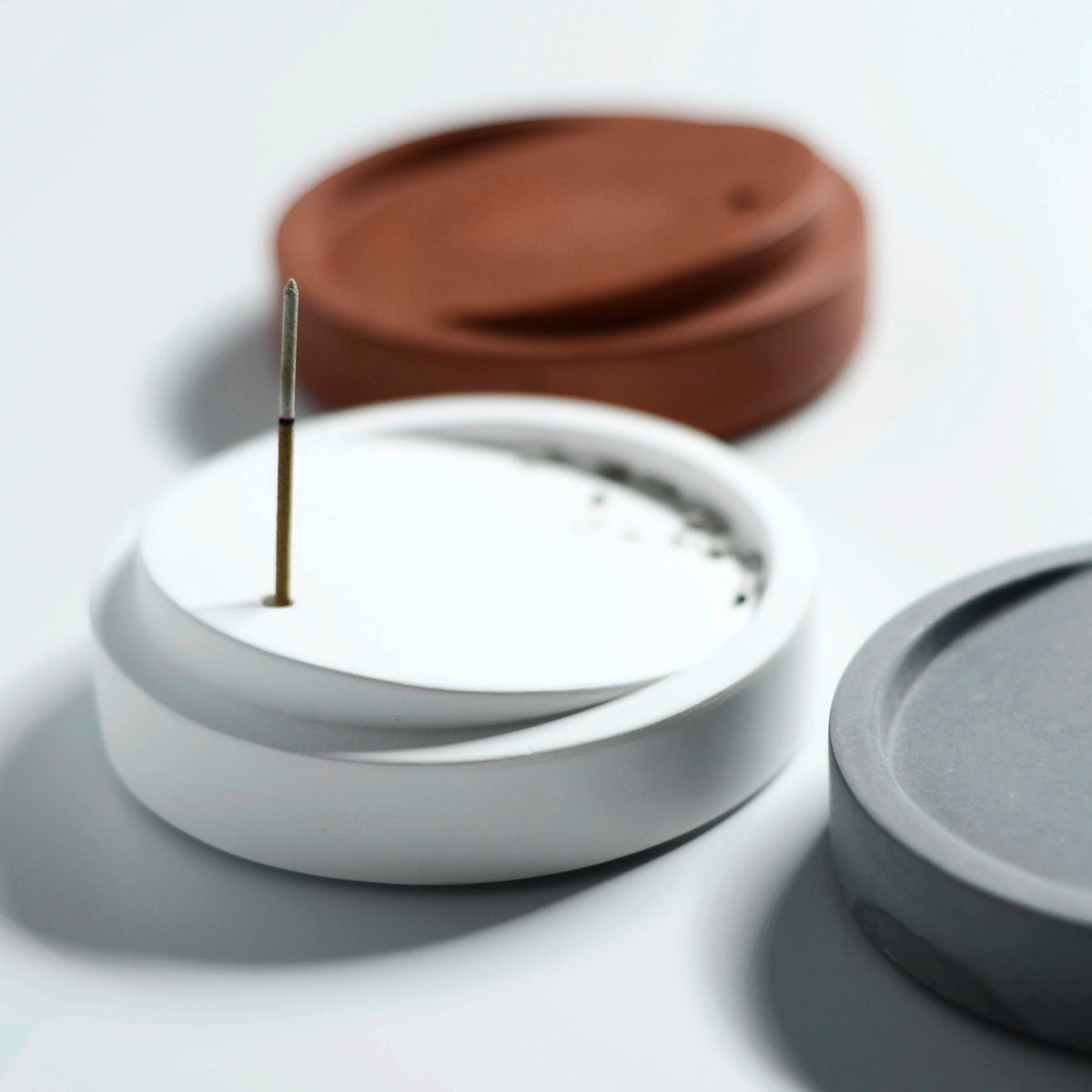
Hold the holder at roughly a 30-degree angle over a bin. Tap the underside gently with your fingertip — not the edge of the holder against the bin. The vibration from tapping dislodges stuck ash without the impact of knocking.
Stubborn ash on textured surfaces
The Momo's Life Crackled Ceramic Holder and any holder with a grooved channel (like the ASPDIN Zen Mountain Range) can trap ash in crevices. For these:
- Use a soft-bristle brush (a clean 1-inch paintbrush costs about $3 and lasts years). Brush along the grain of the texture, not against it.
- Compressed air — a camera lens blower or a can of compressed air held at least six inches away — clears ash from deep crevices without touching the surface at all.
- For the groove on the ASPDIN ZenSpin Slide, fold a dry cloth into a thin edge and run it through the channel in one pass. Don't saw back and forth.
Ash fused to the surface
If ash has been sitting for weeks and formed a hard crust — common if you forgot to empty the holder before a holiday — don't chip at it with anything metal. Soak the crust with a damp cloth laid over it for five minutes (glazed ceramic or glass only; for unglazed ceramic, use the dabbing technique from the deep-clean section above). Once softened, the crust should lift with a cloth wipe. If it doesn't, repeat the soak rather than applying more pressure.
Proper Storage for Your Incense Holder
Most holders spend their life on display — on a shelf, a desk, a nightstand. That's fine. But if you're rotating holders seasonally or storing one while traveling, a few storage decisions determine whether you pull out a pristine piece or one with chips and scratches.
Short-term storage (weeks to months)
- Clean before storing. Ash residue left on a holder in storage can absorb humidity and form a stubborn film that's harder to clean later than it is now.
- Wrap in unbleached tissue paper or a soft cotton cloth. Avoid newspaper — the ink can transfer to porous ceramic. Avoid bubble wrap directly against resin — plasticizers in the wrap can react with the resin surface over time, leaving a pattern imprint.
- Store flat, not stacked. If you're storing multiple holders in a box or drawer, place them side by side, not on top of each other. A ceramic holder stacked on top of another ceramic holder will chip — it's just a matter of when, not if.
- Keep away from direct sunlight. UV exposure fades ceramic glazes over months, not years. Darker glazes and resin holders are particularly susceptible — you'll notice the color shift on the side facing the window.
Long-term storage (seasonal or moving)
- Wrap each holder individually in acid-free tissue, then in a layer of bubble wrap (with the tissue as a barrier between wrap and holder). Place in a sturdy box with dividers or enough packing material that holders can't shift against each other.
- Label the box — fragile and this-side-up markings are free insurance.
- If storing in an attic, garage, or basement: be aware of temperature swings. Ceramic tolerates cold storage but not freeze-thaw cycles — if condensation forms inside the box and then freezes, it can crack unglazed pieces. Climate-controlled storage is ideal; a closet inside the living space is fine. An uninsulated attic in summer is not.
What You Should Never Do
Some of these are obvious. Others look like shortcuts until the damage is done.
Never put an incense holder in the dishwasher
This applies to every material in the catalog — ceramic, glass, resin, composite stone. Dishwasher detergent is far more caustic than dish soap, the water pressure can chip fragile edges, and the drying cycle's heat is a thermal shock event waiting to happen. A dishwasher will strip a ceramic glaze's sheen in a single cycle. A resin holder will emerge softened and permanently warped. There is no holder we sell that is dishwasher-safe.
Never soak a holder in water
Soaking — leaving a holder submerged in water for hours — is especially dangerous for unglazed ceramic. The clay body absorbs water, expands, and can crack from internal pressure. Even glazed ceramic isn't immune: if there's a microscopic chip in the glaze you haven't noticed, water penetrates through it into the clay body underneath. Soaking turns a tiny invisible flaw into a structural crack.
Never use abrasive cleaners, scrub pads, or steel wool
Even a non-scratch scrub sponge is abrasive enough to dull a ceramic glaze over repeated use. Steel wool leaves metal particles embedded in textured surfaces that rust. The only cleaning tools that should touch your holder are soft cloth, a soft brush, and — for glazed ceramic only — a non-abrasive sponge.
Never clean a hot or warm holder
Let the holder cool to room temperature before it touches water or a damp cloth. Thermal shock is the number one cause of cracked ceramic holders — more common than dropping them. The temperature differential doesn't need to be dramatic: a holder that's still warm from a burn, placed under cool tap water, can crack audibly.
Never use vinegar, bleach, or bathroom cleaners
Vinegar is acidic — it etches ceramic glaze over time and can permanently damage resin. Bleach and bathroom cleaners contain chemicals that react unpredictably with both glazes and resins. If water and mild soap don't clean it, the residue needs a different technique (brushing, dabbing, baking soda paste for unglazed ceramic only) — not a stronger chemical.
Seasonal Storage Considerations
Your holder's environment changes through the year, and those changes affect materials differently.
Summer: heat and humidity
- High humidity accelerates ash crusting. In humid climates or during rainy seasons, ash absorbs moisture from the air and hardens faster. Empty your holder within a few hours of burning — don't leave ash sitting overnight if you live somewhere damp.
- If you store holders in a garage or attic during summer, temperatures in those spaces can exceed 40C (104F) — hot enough to soften resin and accelerate glaze fading. Move holders to a climate-controlled space for the season.
- Mold can grow on ash residue in very humid conditions. If you notice any musty smell from a stored holder, clean it immediately with the appropriate method above, dry thoroughly, and store in a drier location.
Winter: cold and dry air
- Heated indoor air is very dry. For unglazed ceramic holders, this isn't a problem — the clay is already dry. But for holders with wooden bases or composite materials, extreme dryness can cause shrinkage cracks. If your home gets noticeably dry in winter (static shocks are the tell), a humidifier in the room helps your holder as much as it helps your skin.
- Bring outdoor holders inside before the first freeze. Ceramic that's absorbed moisture — from rain, dew, or high humidity — can crack when that moisture freezes and expands inside the clay body.
- Ash residue is dustier in dry winter air and becomes airborne more easily. When emptying your holder, do it close to the bin and tilt slowly to minimize airborne particles.
When to Retire a Holder
Even with perfect care, holders don't last forever. Here's when to replace rather than repair:
- A visible crack runs through the body of a ceramic holder. A crack isn't just cosmetic — it's a structural failure. Heat cycling will widen it, and one day the holder will split in two, potentially mid-burn. Replace it.
- A resin holder has softened, warped, or developed a tacky surface. This means the resin has begun to degrade, usually from heat or chemical exposure. There's no reliable fix. Replace it.
- A glass holder has chipped along an edge. A chip is a stress concentrator. The next thermal cycle can propagate a crack from that chip across the entire piece. Replace it before it fails during use.
- Staining on unglazed ceramic has penetrated deep into the clay. Surface staining is cosmetic and fine. But if ash oils have soaked so deeply that the holder smells acrid even when clean, and baking soda paste hasn't helped, the piece has reached the end of its functional life.
For most holders that MUSO Collection sells, a well-cared-for piece in the $39–$49 range should give you five to ten years of daily use. That works out to about a penny a day — unreasonably good value for something you interact with every single day.
Frequently Asked Questions
How do I clean a ceramic incense holder?
For glazed ceramic holders, rinse under lukewarm water with a drop of mild dish soap on a soft cloth, then dry immediately. For unglazed or matte ceramic, avoid water when possible — use a dry soft-bristle brush to lift ash, and for stubborn residue, dab (don't rub) with a barely-damp cloth. A baking soda paste left on oil stains for 10 minutes can draw oils out of unglazed clay. Always let the holder reach room temperature before cleaning.
Can you wash incense holders with water?
It depends on the material. Glazed ceramic and glass holders can be rinsed with room-temperature water and mild soap. Unglazed ceramic should be kept mostly dry — water can carry ash particles deeper into the porous clay and, if the holder hasn't fully dried, internal steam from the next burn can crack it. Resin holders can handle a damp cloth but should never be soaked. Never use hot water on any holder — thermal shock from temperature differentials is the most common cause of cracked ceramic and glass holders.
How do I remove stubborn ash residue from an incense holder?
For glazed ceramic and glass: lay a damp cloth over the crusted area for five minutes to soften the residue, then wipe away. Repeat if needed rather than scrubbing harder. For unglazed ceramic: use the dabbing technique — a barely-damp cloth pressed onto the spot to loosen residue, then lifted with a dry cloth. For textured surfaces and deep channels, a soft-bristle brush (like a clean paintbrush) works better than a cloth. A camera lens blower or can of compressed air clears ash from crevices without touching the surface. Never chip at hardened ash with anything metal or sharp.
How should I store my incense holders?
Clean the holder thoroughly before storing — ash residue left in storage absorbs humidity and hardens into a film. Wrap each holder in acid-free tissue paper or a soft cotton cloth (not newspaper; ink can transfer). Store holders flat and side by side — never stacked on top of each other, which guarantees chips. Keep away from direct sunlight, which fades ceramic glazes and resin finishes. Avoid storing in attics, garages, or basements where temperature swings and humidity fluctuate wildly. For long-term storage, add a layer of bubble wrap outside the tissue barrier and pack in a sturdy box with dividers.
Explore the Collection
Every holder mentioned in this guide is built to last — with the right care. Browse by material to find your next piece or replace a well-loved one:
- Ceramic Incense Holders — Hand-thrown and glazed pieces from Momo's Life, ASPDIN, Zhiguan, and Muso. The most versatile material in the catalog.
- Resin Incense Holders — Sculptural modern designs, including the Aura Resin Elegance.
- All Incense Holders — Our complete curated collection of 24+ artisan holders.
Further reading from MUSO Living:
- The Ultimate Guide to Ceramic Incense Holders — Deep dive into ceramic craftsmanship, glaze types, and design traditions.
- Best Incense Holders 2026: A Buyer's Guide — Material comparisons, safety data, and top picks across every category.
- Where to Place Incense in Your Home — Room-by-room placement guidance for safety and aesthetics.
- How to Use Incense Sticks: A Beginner's Guide — Everything from your first light to building a daily ritual.
This article is for informational purposes about incense products and craftsmanship. MUSO Collection makes no claims about the health effects of its products.