
Zazen: A Personal Introduction to Sitting Meditation
The first time I sat zazen, I was certain I was doing it wrong. I had driven out to a small Soto Zen group that met above a bookshop on Sunday mornings, and I had arrived expecting something, a guided visualization, a mantra to repeat, a kindly voice walking me through a body scan. Instead, a woman in a black kimono pointed me toward a round black cushion on the floor, said "face the wall," and left the room. For the next thirty minutes I sat, listened to the clock tick, watched the plaster a few inches from my nose, and wondered when the actual practice was going to start.
It never did. That was the practice.
I have been sitting zazen meditation on and off for the better part of a decade now, and I still find the radical plainness of it quietly astonishing. There is nothing to achieve, nothing to fix, nothing to visualize, nothing to become. You sit down, you face a wall, and you are present with whatever arises, a knee that aches, a thought about an unpaid bill, the sound of a neighbor's dog, the simple fact of breathing in and breathing out. What follows is my own introduction to this practice, drawn from years of sitting, reading, and failing to explain to friends why I wake up early to face a wall.
What Is Zazen?
The word itself is almost embarrassingly literal. 座禅, za, "to sit"; zen, "meditation." Sitting meditation. That is the whole etymology, and it is also, in some sense, the whole teaching.
What makes zazen distinct among contemplative practices is what it is not. It is not visualization, there is no imagined scene or guided imagery to hold in the mind. It is not a mantra practice, you are not silently repeating a phrase or sacred syllable. It is not a body scan, you are not systematically moving attention from the crown to the toes. It is not, in its classical Soto form, a concentration exercise aimed at absorption. It is just sitting. The Japanese phrase for this is shikantaza, "only sitting," "just sitting," and the Soto school treats this not as a beginner's simplification but as the complete and mature expression of the practice.
This can be disorienting at first. Many of us arrive at meditation having read about breath meditation or other techniques that give the mind something to do. Zazen refuses to give you a project. You sit, and you allow whatever is already happening to happen, without grabbing it or pushing it away.
The Wall and the Legend of Bodhidharma
Zazen has a long lineage, and it is worth knowing something of where it comes from, not as ornament, but because the practice makes more sense once you understand what its founders were actually pointing at.
The story most often told begins with Bodhidharma, the semi-legendary monk traditionally credited with carrying Zen (Chan) from India to China in the fifth or sixth century. He is said to have sat facing a wall in a cave near the Shaolin temple for nine years, in a practice the tradition calls ekka hotsu, "wall-gazing." Whether or not the story is literal, it captures something essential about zazen: the orientation toward the plain, the unmoving, the uninteresting. A wall asks nothing of you. It does not entertain. It is simply there, and you are simply there with it.
The figure who shaped zazen into the formal practice I sit today was Dōgen Zenji (1200-1253), the Japanese monk who travelled to Song-dynasty China in search of an authentic teacher and returned to found the Soto school of Zen in Japan. Dōgen's writings are dense and often startling, but his short instructional text on zazen, the Fukanzazengi, or Universal Recommendations for Zazen, is the clearest entry point. It is a how-to manual, only a few pages long, and its central teaching is uncomplicated: sit in the correct posture, let go of all concern with attaining anything, and just be present.
"Zazen is not learning to do concentration. It is the dharma gate of repose and bliss, the practice-realization of totally culminated awakening."
Dōgen Zenji, Fukanzazengi
That phrase, "practice-realization," is worth pausing on. In the Soto view, zazen is not a means to an end. You do not sit in order to become enlightened. The sitting itself is the awakening, expressed in form. This is the distinction between Soto and the Rinzai school, the other major lineage of Japanese Zen, which places far more emphasis on koan practice, the contemplation of paradoxical questions like "What is the sound of one hand?" Both are authentic Zen, both use seated meditation as their base, but Soto emphasizes shikantaza while Rinzai uses koan as a working focus for the mind. I sit in the Soto tradition, and what I describe here reflects that.
The Practice Itself: Posture, Hands, Eyes, Breath
For a practice that is "just sitting," there is a surprising amount of physical detail. This is not fussiness. The body and the mind are not separate, and the posture is not decoration, it is the practice, given form.
The legs. The traditional postures, in order of stability, are full lotus, half lotus, Burmese position (both feet flat on the floor, one in front of the other), and kneeling in seiza, either directly or with a meditation bench. I tried for years to make full lotus work and finally accepted what my knees had been telling me all along: half lotus is plenty. Many Westerners sit in Burmese position with the hips elevated on a cushion, and it is perfectly fine. If your knees protest at any of these, a firm cushion on a chair works too, Dōgen himself wrote that one may sit on a platform or a chair. What matters is that the posture is stable and upright, not that it looks a particular way.
The cushion. The round, firm cushion is called a zafu, and it sits on a flat mat called a zabuton. The zafu is not a soft pillow, it needs to be dense enough to hold its shape under your weight. When you sit on the front third of it, your pelvis tips slightly forward, your lower back curves in naturally, and the rest of the spine stacks above it without effort. The first time a teacher adjusted my position so that I was actually on the zafu rather than slumped behind it, the difference was immediate. The body found its own balance, and I stopped fighting to hold myself upright.
The hands. They rest in the lap in a position called the hokkai-join, the cosmic mudra. The left hand rests palm-up in the right palm, the middle knuckles of the middle fingers overlap, and the thumbs touch lightly, just touching, not pressing, with the thumbs forming a flat oval. Teachers pay close attention to the thumbs, because they are a quiet barometer of the mind. When the mind tightens, the thumbs press together. When it drifts, they collapse and lose contact. The ideal is a light, alive touch, like a soap bubble resting between them.
The eyes. This is the part that surprised me most, and it still does. In zazen the eyes are kept half-open, cast downward at roughly a forty-five degree angle, focused on a spot on the floor or wall about a meter ahead. You are not closing your eyes and going inward. You are sitting in the world, with your eyes soft, present to the room without staring at anything. There is something quietly radical about this. Most meditation I had encountered treated the eyes as something to shut out the world with. Zazen keeps them ajar. You are not retreating. You are simply here.
The breath. The breath is natural. This is harder than it sounds. You do not lengthen it, you do not count it (though counting the breath is sometimes used as a preliminary practice), you do not manipulate it in any way. You simply let the body breathe, and you are aware of it breathing. When the attention wanders, and it will, you return, without fuss, to the posture and the breath.
What Happens When You Actually Sit
I want to be honest about what sitting zazen is like, because I think the descriptions can make it sound either terribly mystical or terribly dull, and it is neither.
For the first five minutes, nothing in particular happens. You settle. You notice the room, the hum of the refrigerator through the wall, the way the light falls. Then, almost inevitably, the mind begins to wander, and you discover the phenomenon the tradition calls "monkey mind," the restless swinging of attention from branch to branch, from a half-remembered conversation to tomorrow's grocery list to an ache forming in the left knee. This is not a failure. This is what the mind does. The practice is not to stop it but to notice it, and to return, again and again, to the wall and the breath and the upright posture.
What I have noticed over months and years is that the returns get quieter. Not the wandering, that continues, sometimes worse on a busy morning than it was the year before. But the return, the moment of noticing and coming back, loses its drama. You stop scolding yourself for having drifted. You stop congratulating yourself for coming back. You just come back. There is a kind of ordinariness to it that I have come to treasure. Shunryu Suzuki, the teacher who founded the San Francisco Zen Center, titled his famous book Zen Mind, Beginner's Mind, and his point was exactly this: enlightenment is not a fireworks display at the end of a long road. It is the willingness to return, again and again, to this ordinary sitting, this ordinary breath.
I have never had anything I would call a mystical experience on the cushion. I have had mornings where the knee pain was bad enough that I shifted position twice and felt grateful when the bell rang. I have had mornings where the half-hour dissolved and I opened my eyes startled, unsure how much time had passed. Most mornings are somewhere between. And this, I have come to understand, is the whole point. As the teacher Kosho Uchiyama put it, zazen is the practice of opening the hand of thought, letting go of the mind's grasping, not in order to reach somewhere else, but to be fully present with what is already here.
Incense and the Shape of the Morning
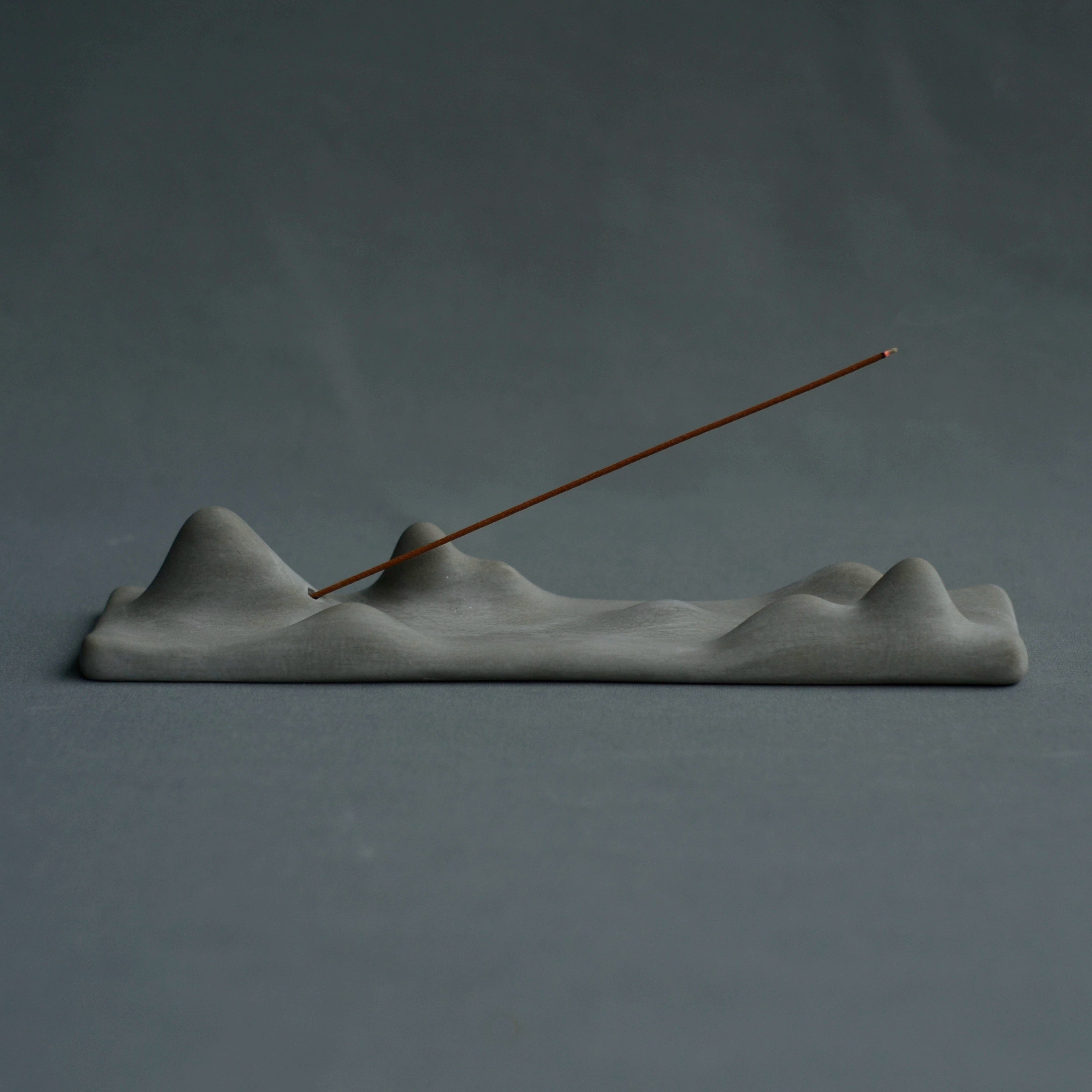
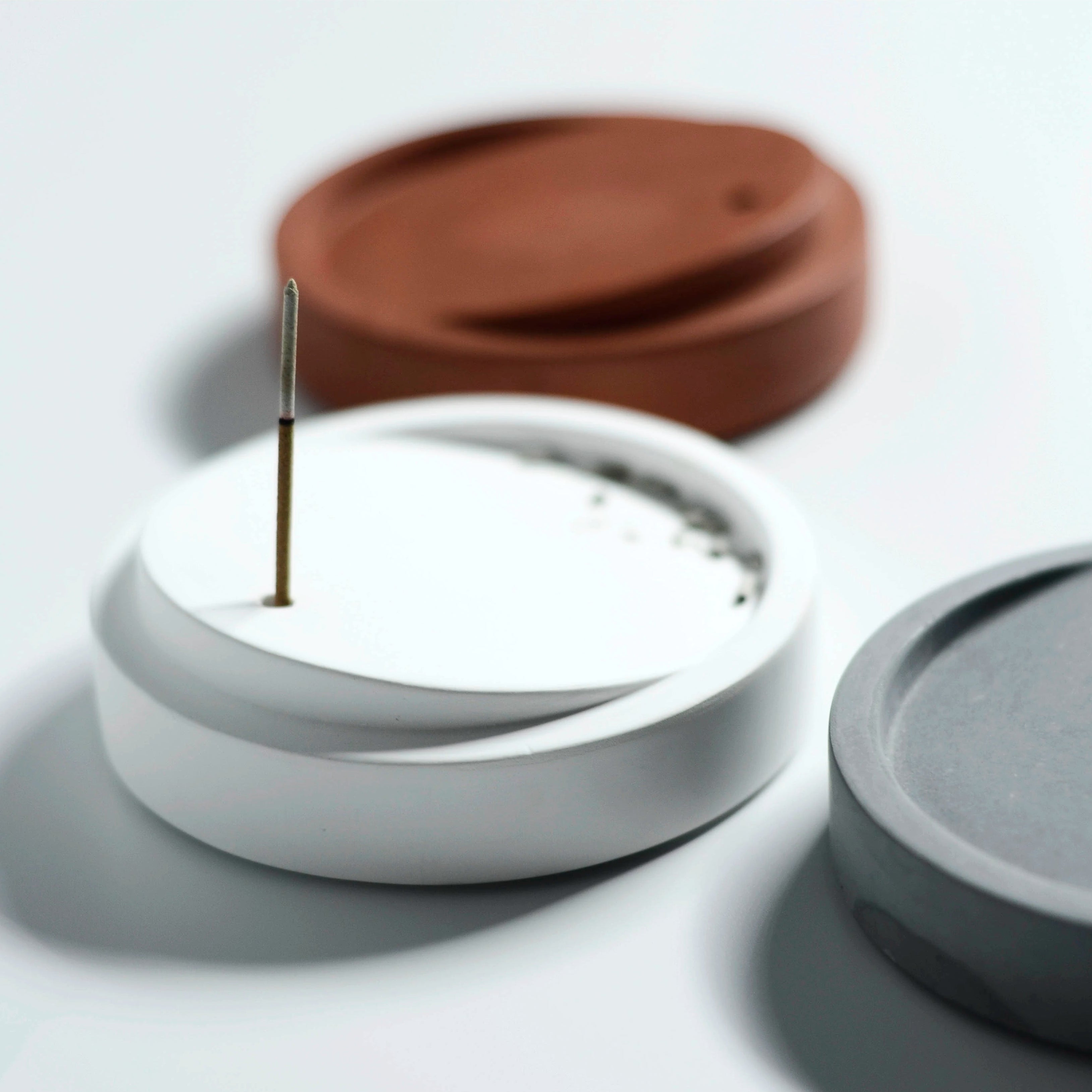
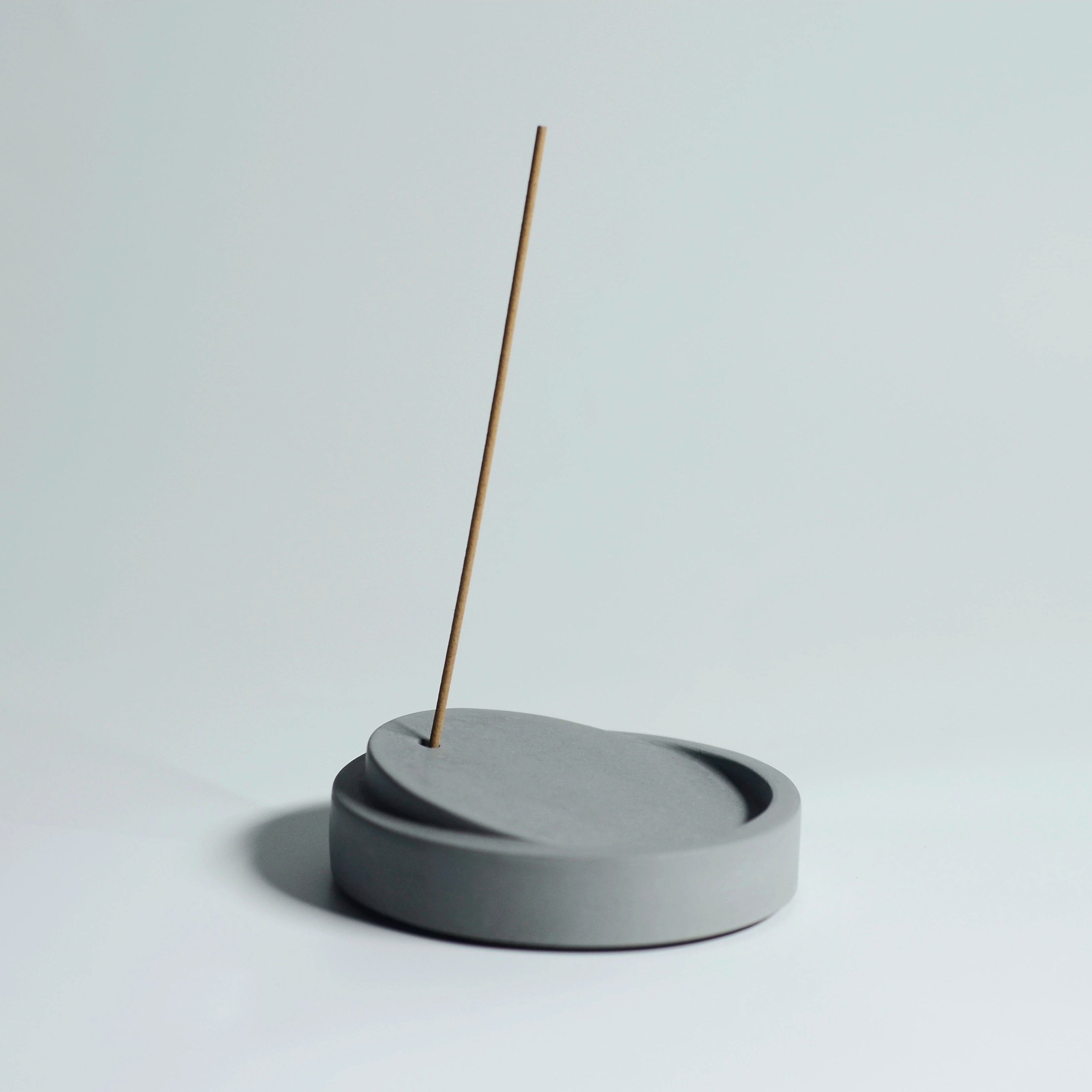
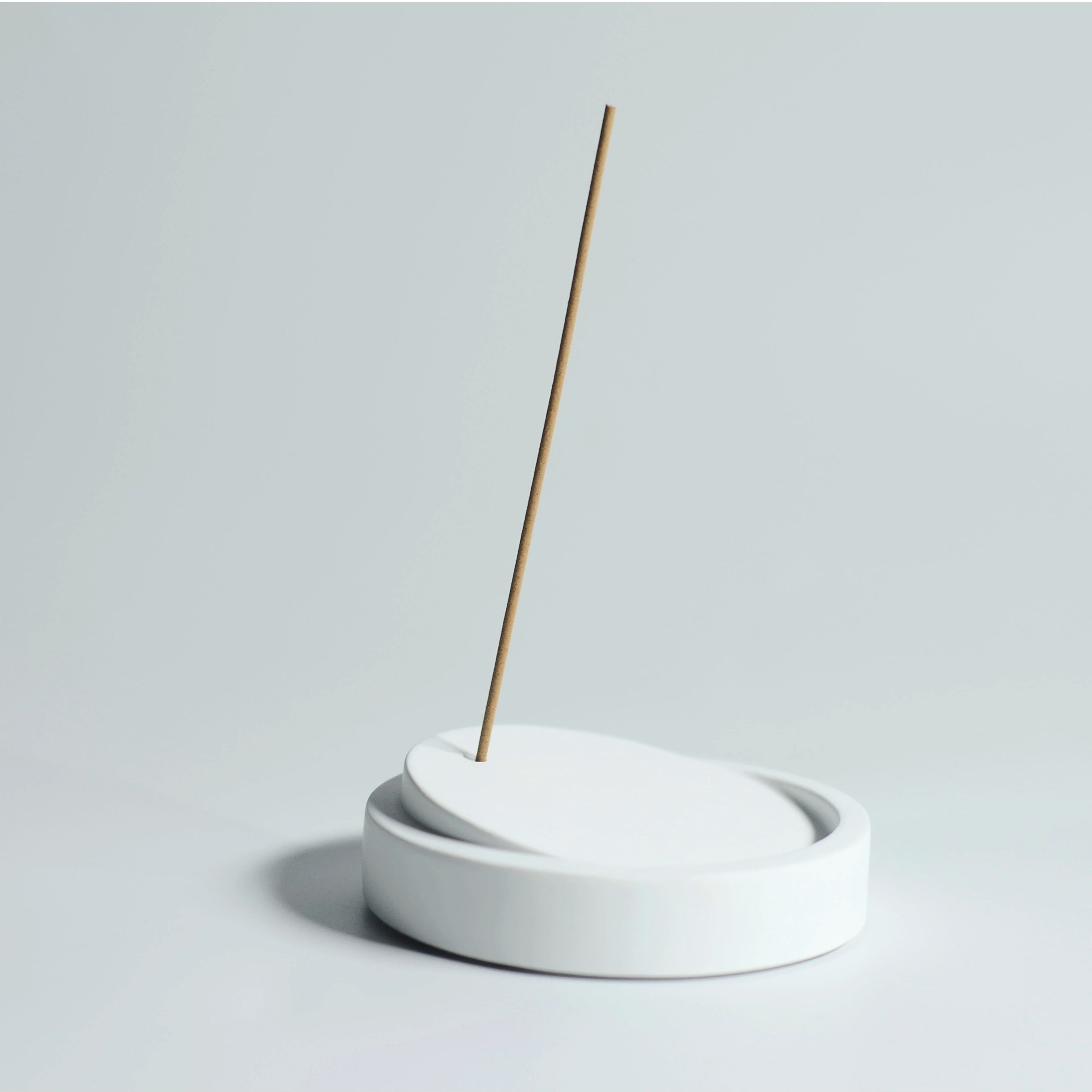
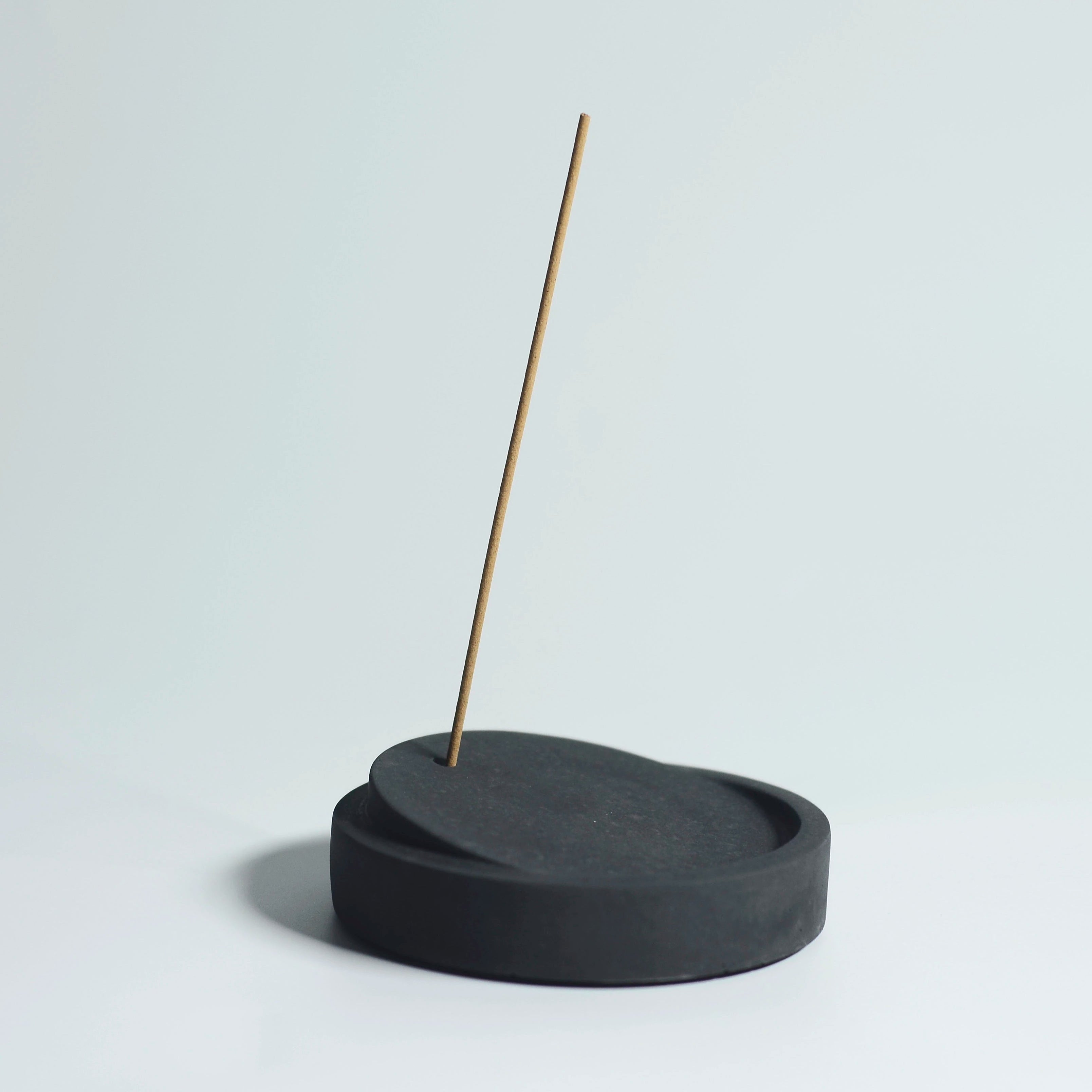
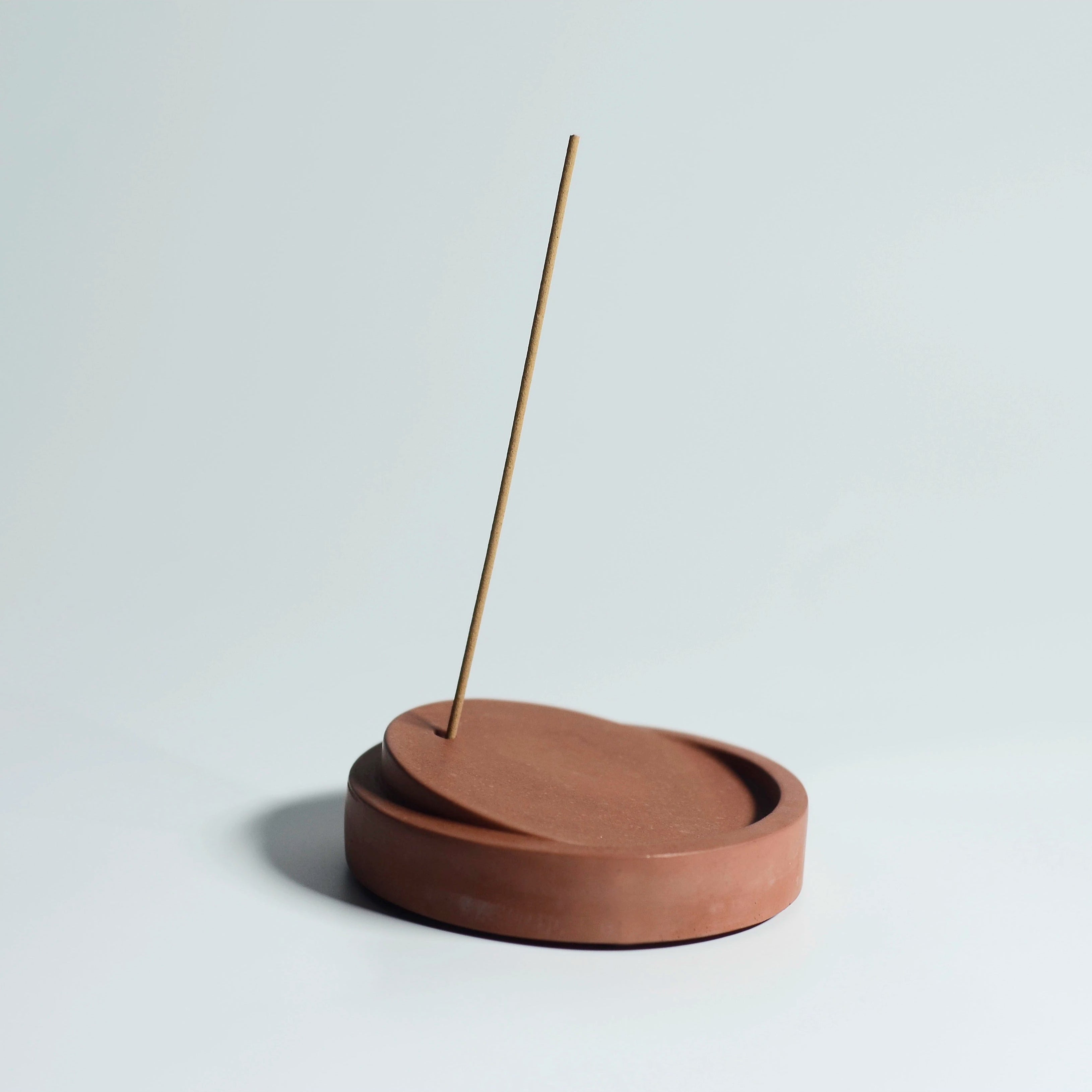
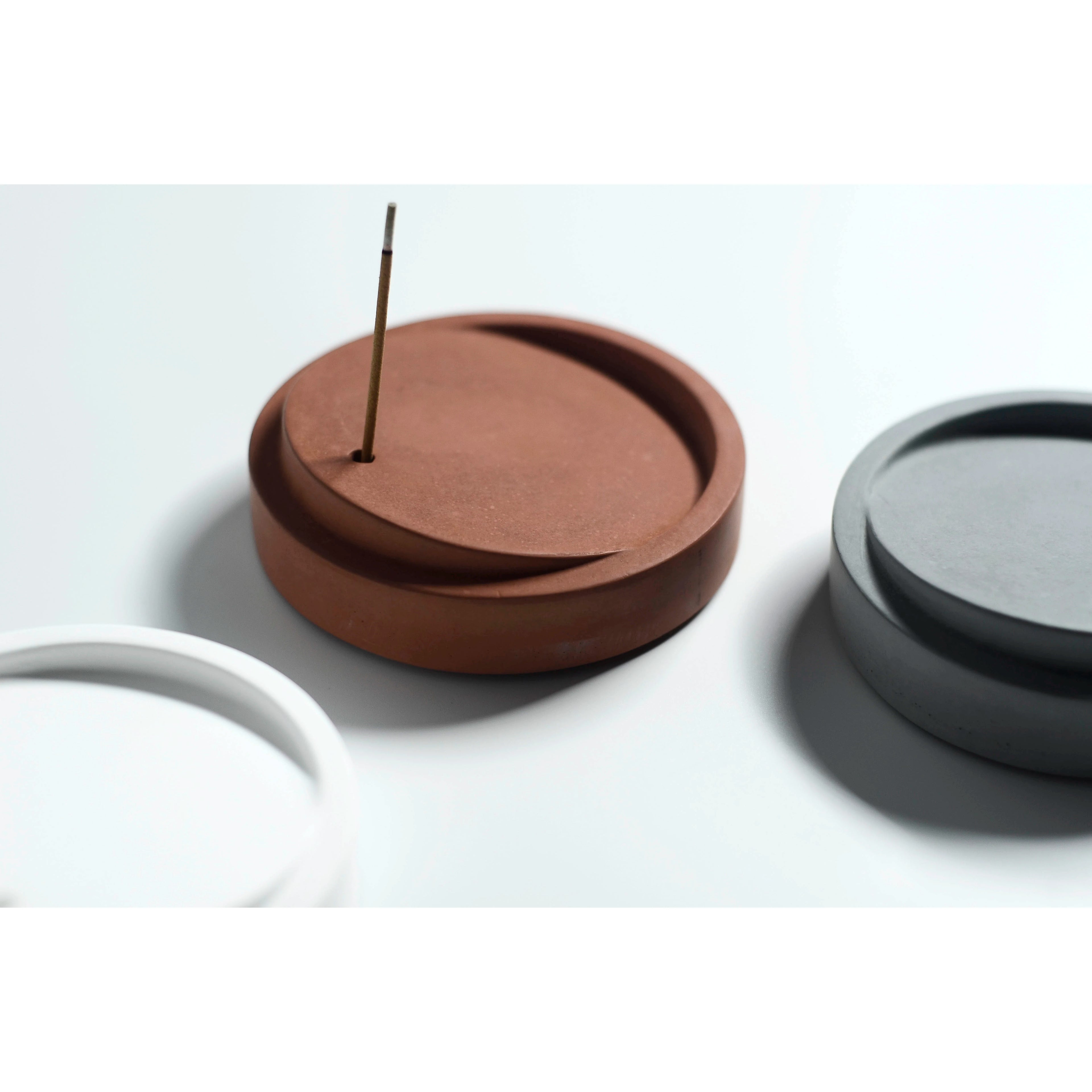
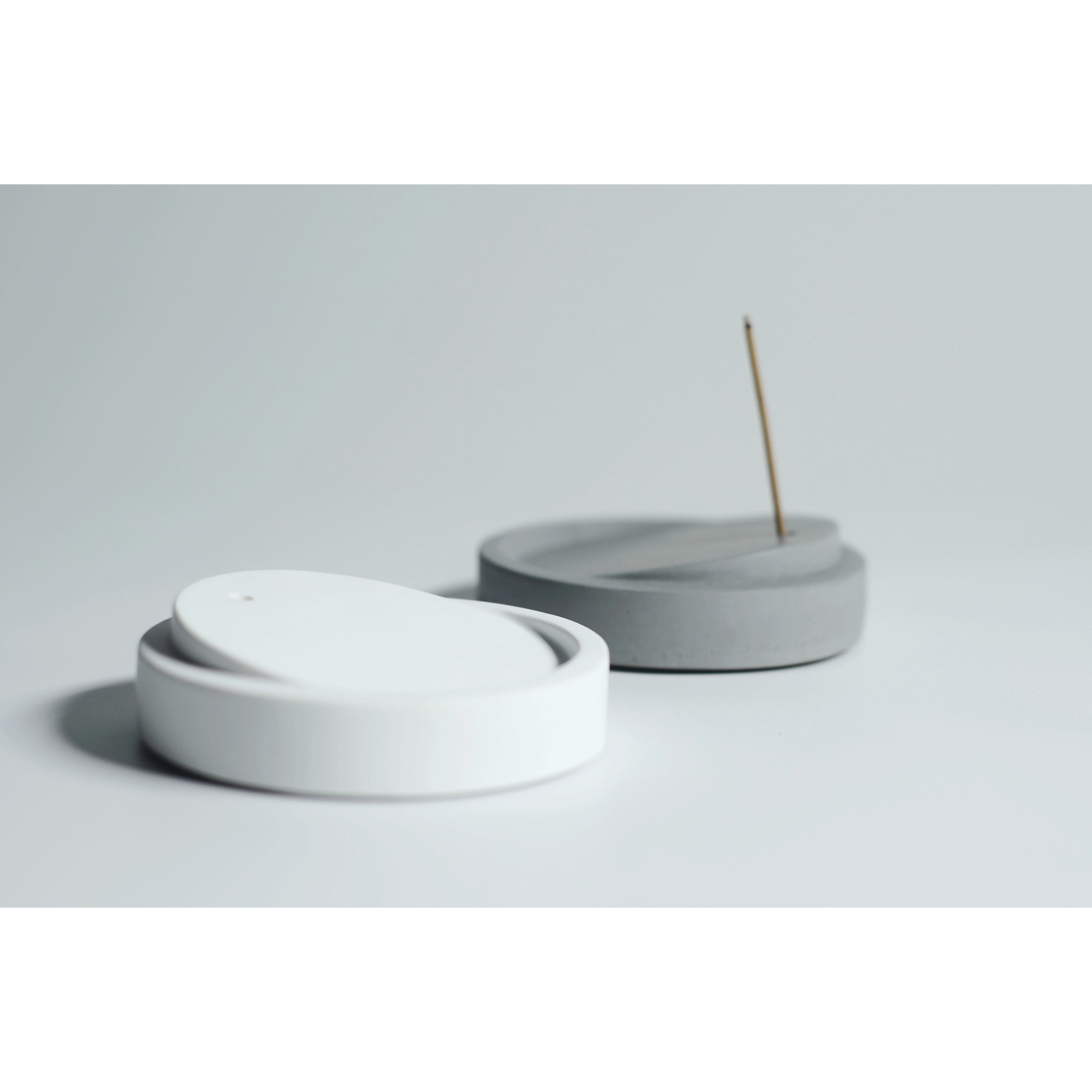
I sit most mornings, and the ritual has taken on a shape I did not plan. I lay out the zafu and mat. I light a stick of incense. I sit. Somewhere between fifteen and forty minutes later, the stick has burned down to ash and I bow and stand up and the morning begins.
I want to describe what this is like, without claiming anything for it. I do not say that incense "helps" meditation, or that it has any particular effect on the mind. I simply describe the experience: the small scratch of the match, the brief flare and then the steady thread of smoke rising straight up in the still air, the scent, sandalwood, sometimes, or agarwood, settling into the room over the first few minutes so that by the time I am settled on the cushion the air has a particular quality to it. The stick burns at a slow, even pace. From across the room I can catch the faintest thread of it without it being loud or insistent.
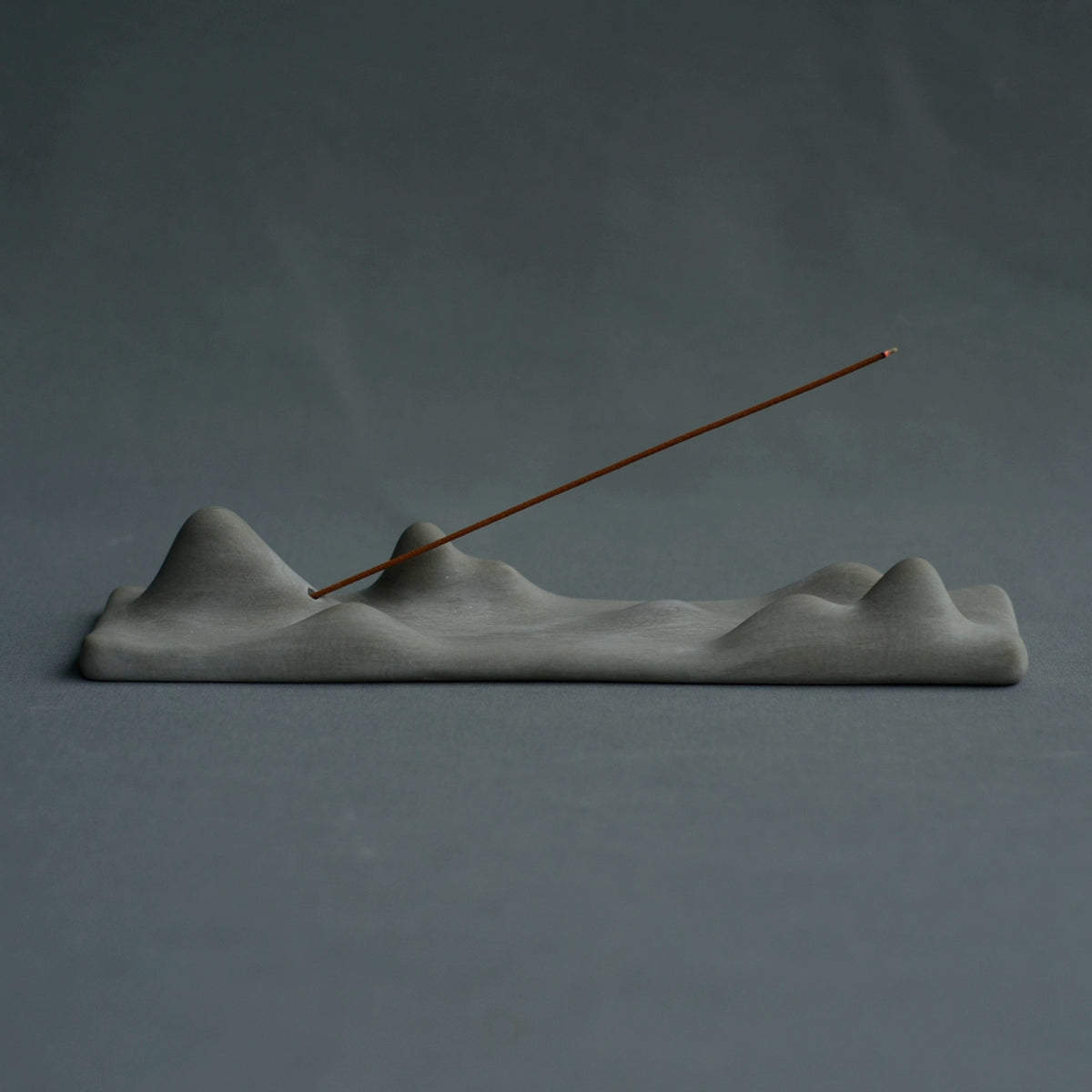
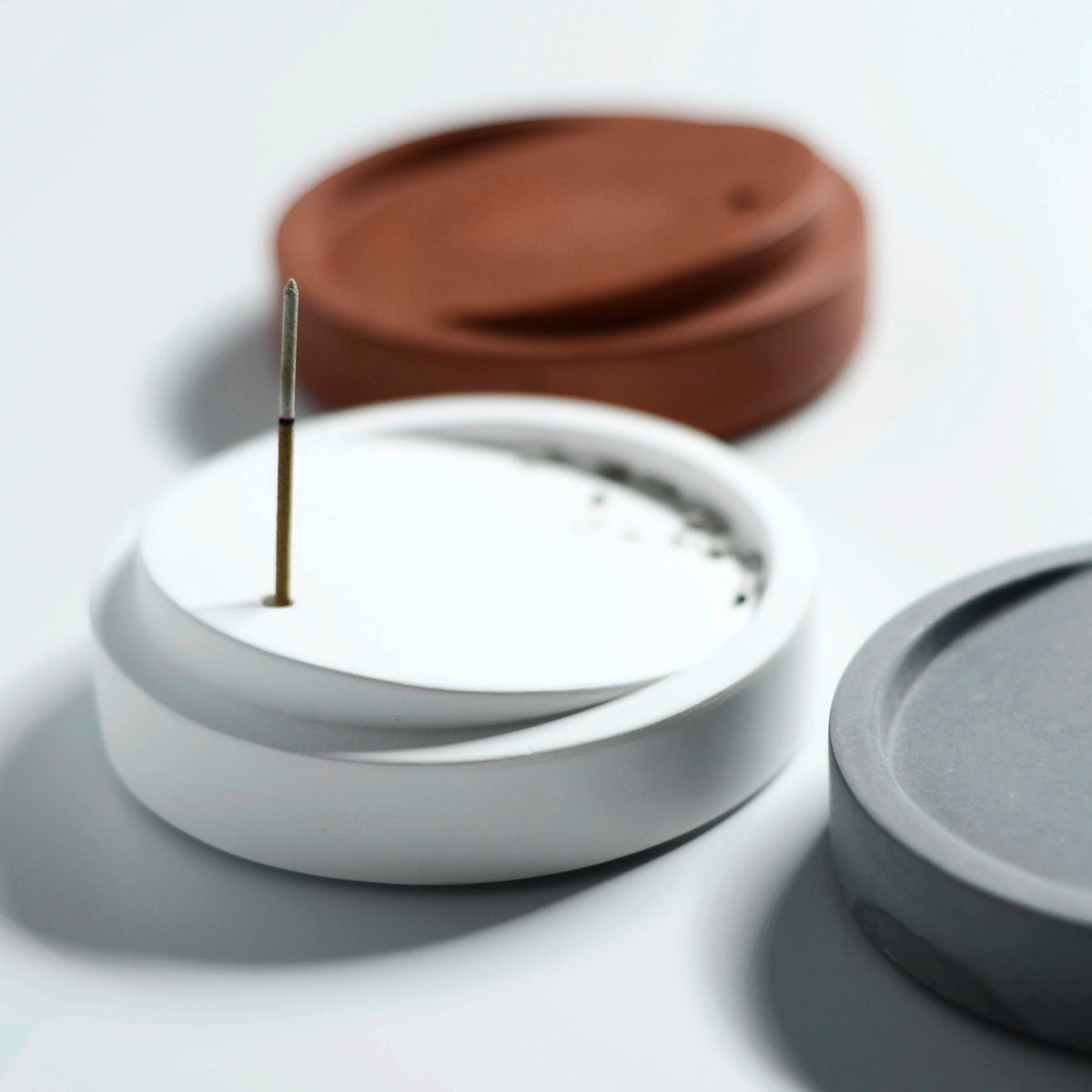
What I notice is that the burning stick marks time in a way I find useful. There is no clock in front of me in zazen, the eyes are down, the room is quiet, and the slow recession of the stick is a quiet companion to the sitting, a sign that the morning is unfolding as it should. When I open my eyes at the end, the stick is usually gone, reduced to a curved grey line on the holder, and the room holds a faint residue of its scent. That is all it is. That is enough.
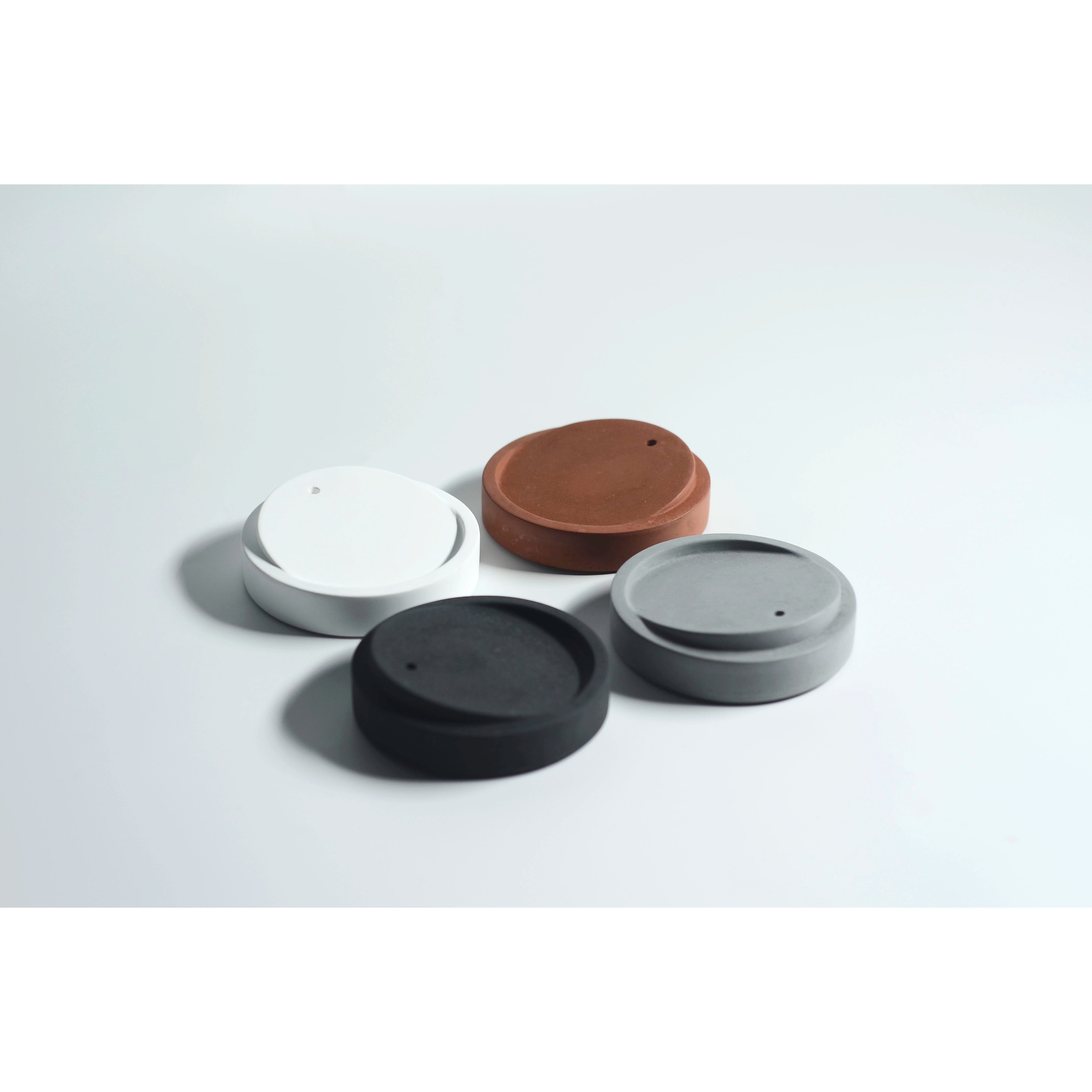
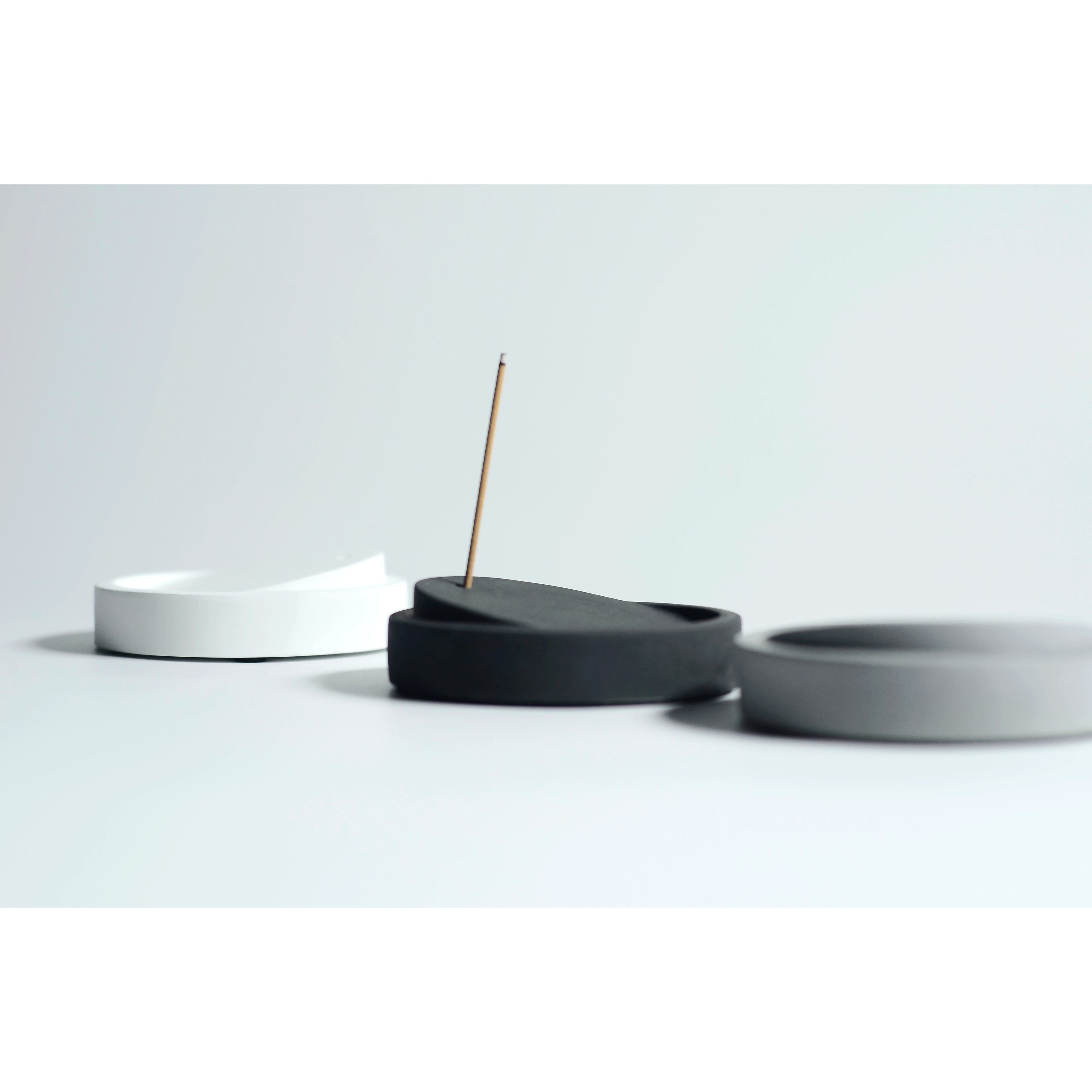
If you are curious about how incense is used in Japanese practice more broadly, I have written separately about kōdō, the way of incense. For those who would like to sit with a stick burning nearby, our meditation incense and the broader incense collection are both worth a slow browse. Two I keep returning to are the Dongzhi Tranquil Harmony set, which lets me try several scents at a measured pace, and the Fuji Mysore Sandalwood, a handcrafted stick I find quietly companionable on a long sit. These are not "meditation incense" in any technical sense, there is no such thing, they are simply incense I happen to enjoy in the room while I sit.
Getting Started
If anything I have written has made you want to try zazen yourself, here is how I would suggest you begin. It is less complicated than the surrounding apparatus might make it seem.
Find a quiet space. It does not need to be a dedicated room, a corner of a bedroom with the door closed will do. Place a firm cushion on the floor, or sit upright in a chair with your feet flat. Face a wall, ideally a plain one, and sit far enough back, about a meter, that the wall fills your lowered gaze without your having to crane forward.
Sit upright. Stack the spine. Rest the hands in the cosmic mudra in your lap. Let the eyes be half-open and soft, angled down. Let the breath breathe itself. Start with ten or fifteen minutes. Set a quiet timer so you are not anxiously checking the clock, a soft chime is better than a phone alarm. Sit daily if you can, but do not make a religion of consistency. Twice a week for a year teaches you more than two weeks of daily sitting followed by a year of nothing.
One thing I would urge, though I was slow to take my own advice on it: find a teacher, or at least a sangha. Books and articles, this one included, can describe the form, but there is no substitute for sitting in a room with other people and having an experienced practitioner look at your posture and quietly adjust it. A good teacher will say very little, but what they say will be precisely what you needed to hear. The lineage I sit in is influenced by teachers like Dainin Katagiri, who carried Soto Zen from Japan to Minnesota, and his gentle insistence that the practice is not about us but about the whole world of beings still comes back to me on mornings when I feel I am sitting badly.
If sitting is difficult for your body at this point in your life, do not let that stop you from practice. Walking meditation is a legitimate and ancient complement to seated practice, and many teachers alternate the two throughout a half-day of sitting.
A Closing Reflection
I have no grand conclusion to offer. Zazen has not transformed my life in any way I can point to on a calendar. I have not become calmer in some measurable sense, and I am wary of anyone who promises that sitting will do that for you. What it has done is more ordinary and, I think, more durable: it has given me a place to return to. Every morning, the cushion, the wall, the slow burning of the incense, the rising and falling of the breath. The mind wanders. It comes back. The bell rings. I bow, and I stand up, and the day goes on, slightly more seen-in than it was before.
That is all. I find it is enough.
This article shares personal reflections on meditation practice. MUSO Collection makes no claims about the health effects of meditation or its products.