
Anapanasati: A Personal Introduction to Breath Meditation
I spent years thinking meditation meant emptying my mind completely. That was the goal, as I understood it, sit still, think of nothing, achieve some blank and blissful void. Every time I tried, I failed within thirty seconds. Thoughts about work, about dinner, about a conversation from three days ago, they rushed in the moment I tried to clear the space. I concluded I was bad at meditation. Maybe meditation wasn't for me.
Then a teacher at a local sitting group mentioned anapanasati, mindfulness of breathing. "You don't empty the mind," she said. "You fill it with the breath." That single sentence reframed everything I thought I knew about meditation.
Anapanasati taught me that the practice isn't about creating a void. It's about placing attention, deliberately, gently, repeatedly, on one thing: the breath coming in, the breath going out. The mind doesn't need to be blank. It needs to be full, full of this breath, this moment, this simple physical reality of breathing. When the mind wanders, and it will, you come back. That coming-back is the practice, not the staying.
What Anapanasati Actually Is
The word comes from Pali: ana meaning "in-breath," apana meaning "out-breath," and sati meaning "mindfulness." Put it together and you get anapanasati, mindfulness of in-and-out breathing. It's one of the oldest and most central practices in the Buddhist tradition.
The practice is attributed to the Buddha himself, recorded in two key texts of the Pali Canon. The first is the Anapanasati Sutta (Majjhima Nikaya 118), which lays out the full sixteen-step framework of breath meditation. The second is the Satipatthana Sutta (Majjhima Nikaya 10), the Buddha's primary teaching on the foundations of mindfulness, where the breath appears as the first object of contemplation in the section on the body. These aren't obscure texts, they're foundational. Nearly every Theravada meditation tradition traces its breath practice back to these suttas.
The term anapanasati also appears in Hindu and yoga traditions, where mindful breathing is woven into pranayama and meditative practice. But it's most strongly associated with Theravada Buddhism, where it stands as a complete system of practice, not a warm-up or a preliminary exercise, but a path that carries the practitioner from the first simple awareness of breath all the way through to deep insight.
Modern teachers have kept this tradition alive and made it accessible. Ajahn Brahm, the British-born Theravada monk based in Australia, teaches a breath meditation approach that emphasises simplicity and letting go. Bhikkhu Analayo, a scholar-monk, has written extensively on the Satipatthana Sutta, bringing scholarly rigour to the practice. S.N. Goenka, who taught Vipassana retreats worldwide, used a body-scan technique as his primary method, but he frequently referenced anapanasati as the foundational practice from which his approach grew.
The Sixteen Stages: Four Tetrads of Breath
The Anapanasati Sutta describes sixteen contemplations of the breath, organised into four groups of four, the tetrads. Each tetrad corresponds to a domain of experience: the body, feelings, the mind, and phenomena (dhammas). The progression isn't strictly linear, you don't "complete" one tetrad before moving to the next, but the structure gives the practice remarkable depth.
The First Tetrad: The Body (Kaya)
The first four contemplations concern the breath as a bodily experience: being aware of long breaths, being aware of short breaths, experiencing the whole body of breath, and calming the bodily formation.
This is where everyone starts, and honestly, where I spend most of my time. The instruction sounds almost too simple, just notice the breath, but the simplicity is the point. My first weeks were a humbling exercise in how rarely I actually pay attention to something my body does twenty thousand times a day.
The Second Tetrad: Feelings (Vedana)
The second tetrad turns attention to feeling-tone, the bare quality of experience as pleasant, unpleasant, or neutral: experiencing joy, experiencing happiness, experiencing the mental formation, and calming the mental formation.
I remember the first time I noticed something in this tetrad. I'd been sitting for perhaps twenty minutes, nothing special, just following the breath, and there was a shift. Not dramatic, not a vision or a flash. More like the room got slightly more vivid. The breath was there, and there was also a quiet pleasure in just being with it.
The Third Tetrad: The Mind (Citta)
The third group turns to the mind itself, its states and qualities: experiencing the mind, gladdening the mind, concentrating the mind, and liberating the mind.
This is where anapanasati stops being "breathing meditation" in the simple sense and becomes something more like a conversation with your own awareness. The breath is still the anchor, but now you're also watching the watcher. I find this tetrad both fascinating and elusive, on a good day, I can sense the mind gathering. On most days, I'm just aware that it's scattered, and that's enough.
The Fourth Tetrad: Phenomena (Dhammas)
The final tetrad concerns the fundamental patterns of experience: contemplating impermanence, contemplating fading away, contemplating cessation, and contemplating relinquishment.
I'll be honest: I live mostly in the first two tetrads. The fourth is territory I've glimpsed but can't claim to inhabit. But the structure matters, because it shows that anapanasati isn't a single technique repeated forever. It's a progression, from the coarse to the subtle, from the breath in the body to the deepest patterns of experience.
How to Begin
If you want to try anapanasati, mindful breathing, here's the mechanical setup. This is what the suttas describe and what I do. No claims about what it will do for you, just the how.
Find a quiet place. The Anapanasati Sutta specifies a quiet setting, traditionally a forest, the root of a tree, or an empty room. I don't have a forest. I have a corner of my bedroom with a cushion. The principle is the same: somewhere with minimal disturbance.
Sit comfortably. Cross-legged on a cushion is the traditional posture, but it's not mandatory. A chair works. What matters is a stable, upright position where you can stay still without strain. Spine erect but not rigid. Hands resting in the lap or on the knees. Eyes closed or slightly open, gaze lowered.
Locate the breath. The sutta refers to the breath at the nostrils, the point where air enters and leaves the body. Some traditions, including Ajahn Brahm's, use the full breath in the abdomen. Either works. Pick a location where the breath is clearly perceptible, for me, that's the rim of the nostrils, and keep your attention there.
Follow the breath. When the breath comes in, know it's coming in. When it goes out, know it's going out. That's the instruction. Long or short, deep or shallow, just know it as it is. Don't control the breath. Don't force it. Let the body breathe.
When the mind wanders, return. It will wander. That's not failure, it's the nature of the mind. The practice is the returning. You notice you've drifted, you gently bring your attention back to the breath, and you continue.
The Quiet Ritual of Incense
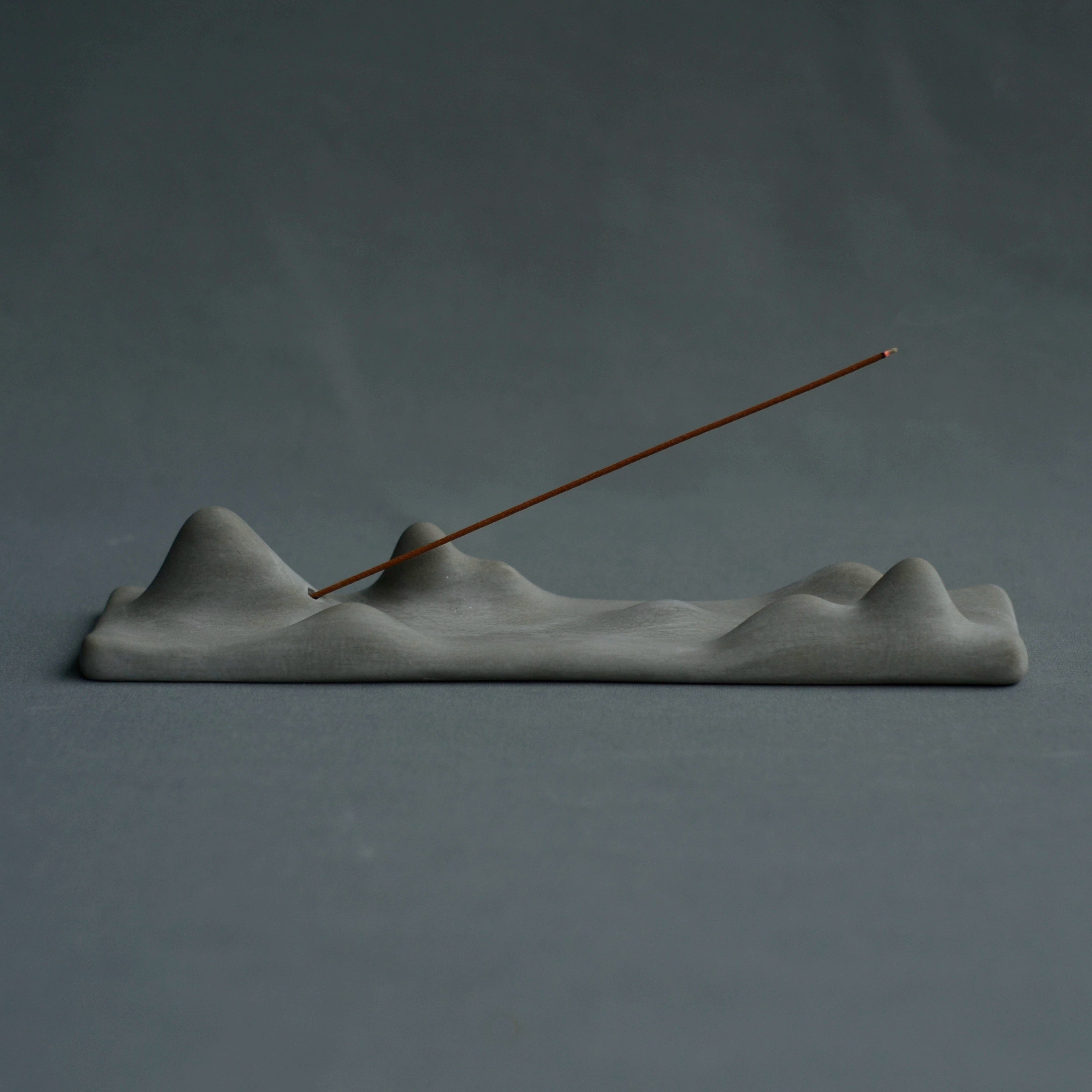
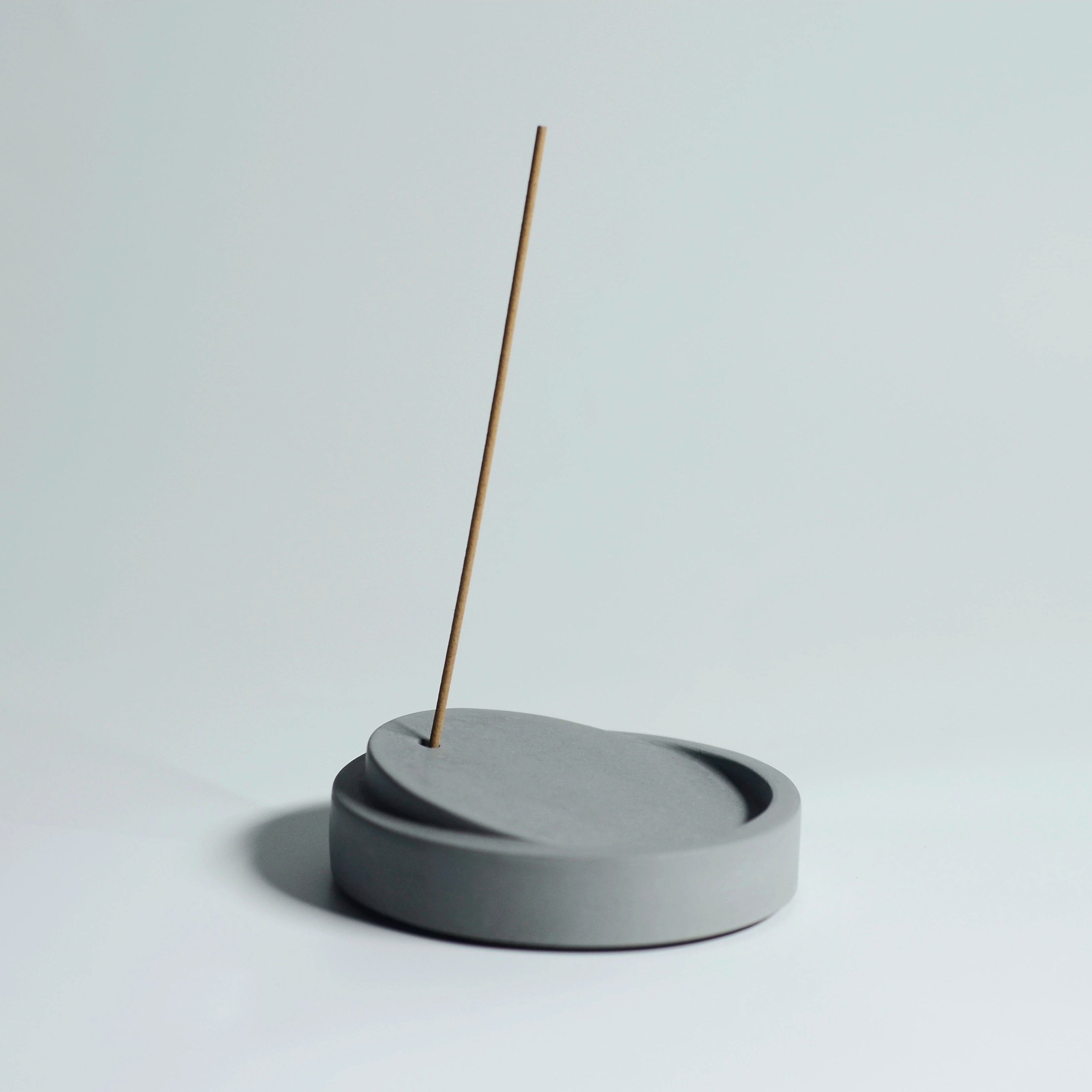
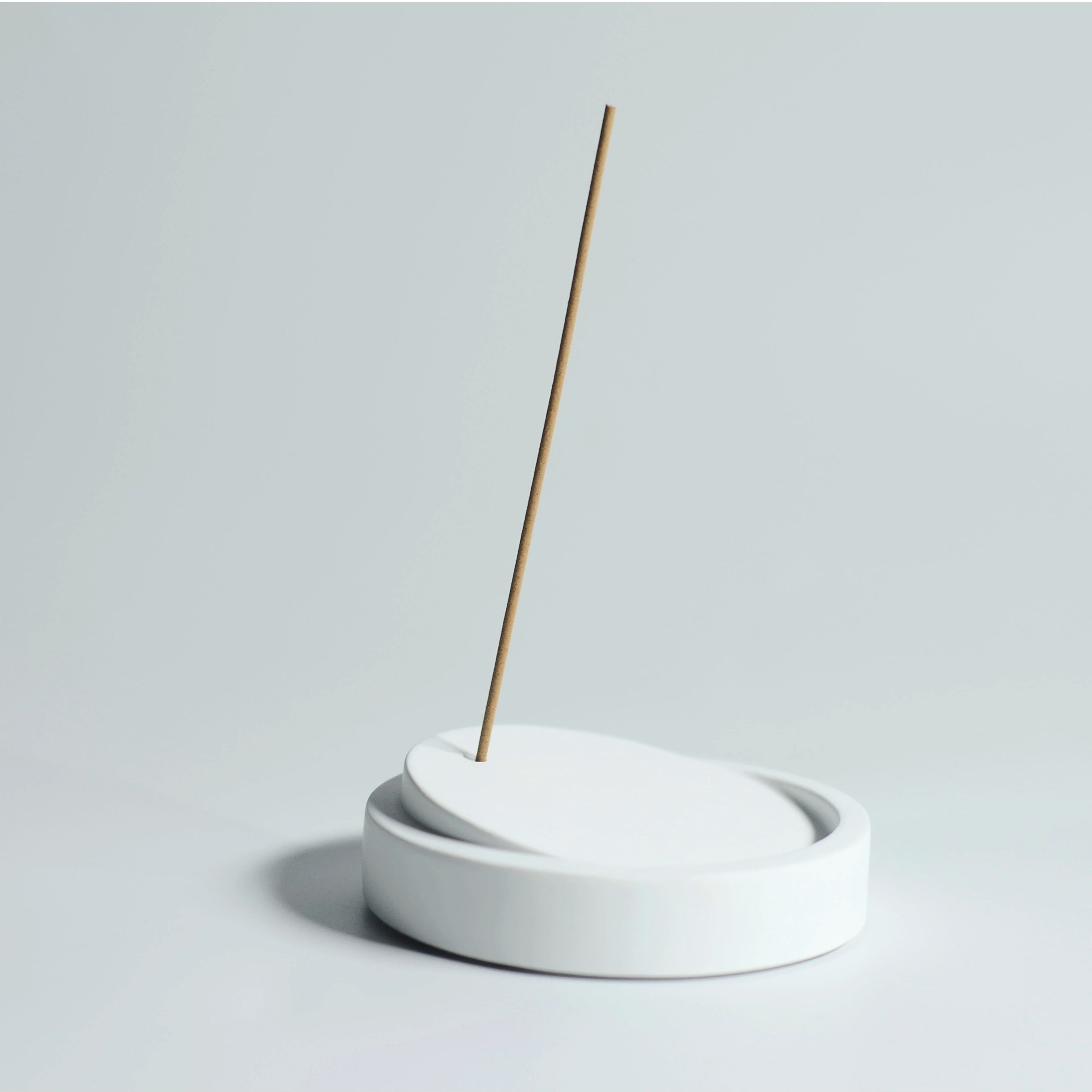
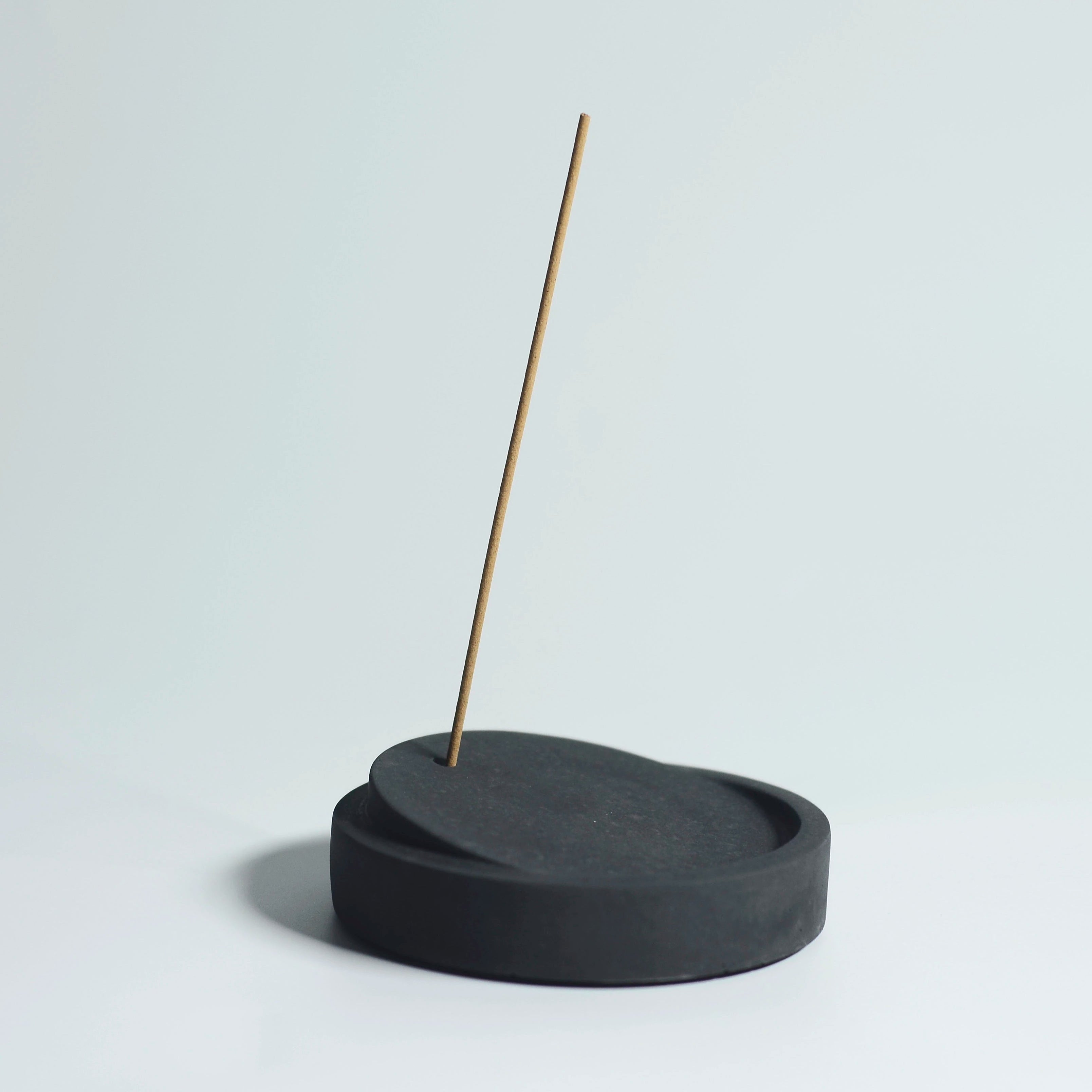
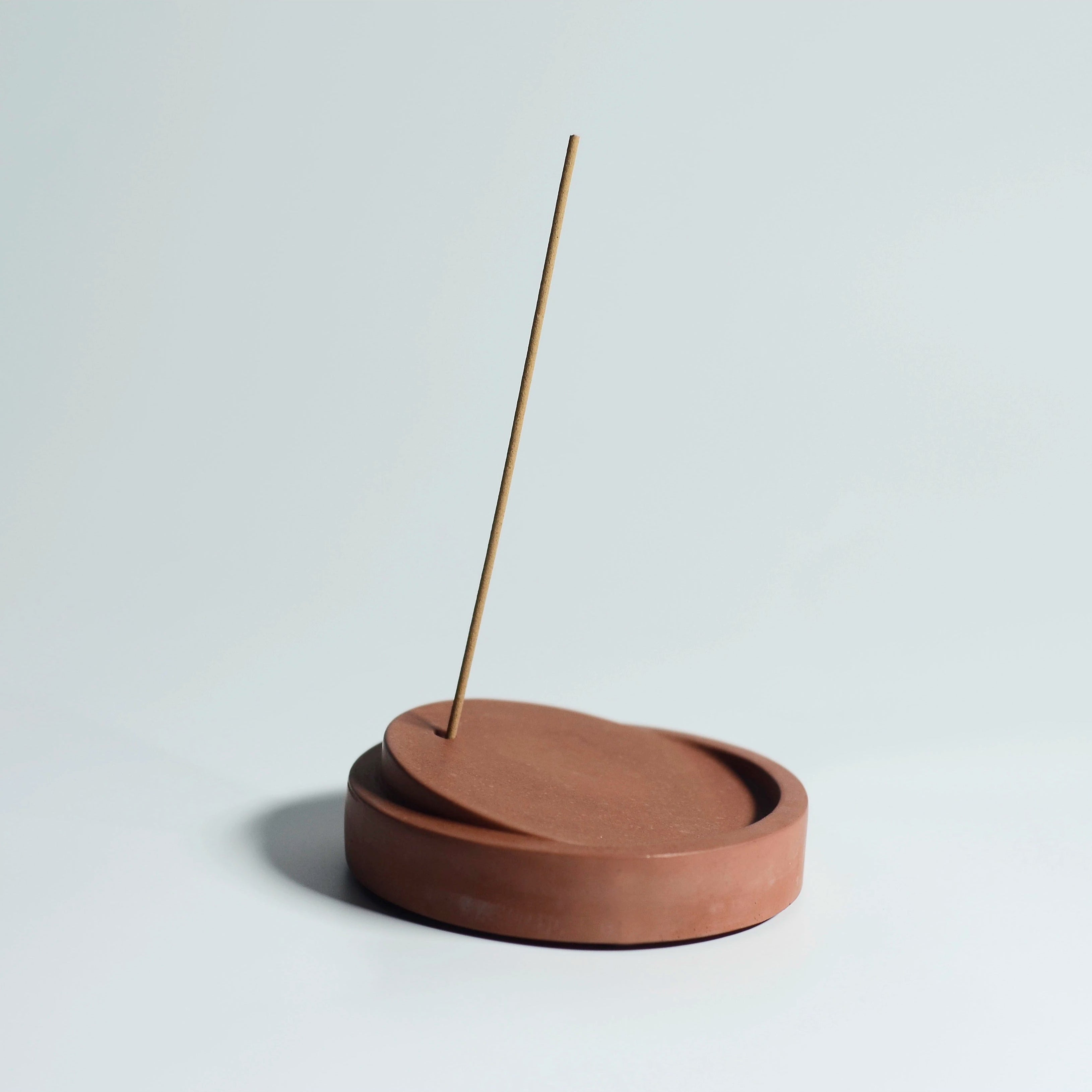
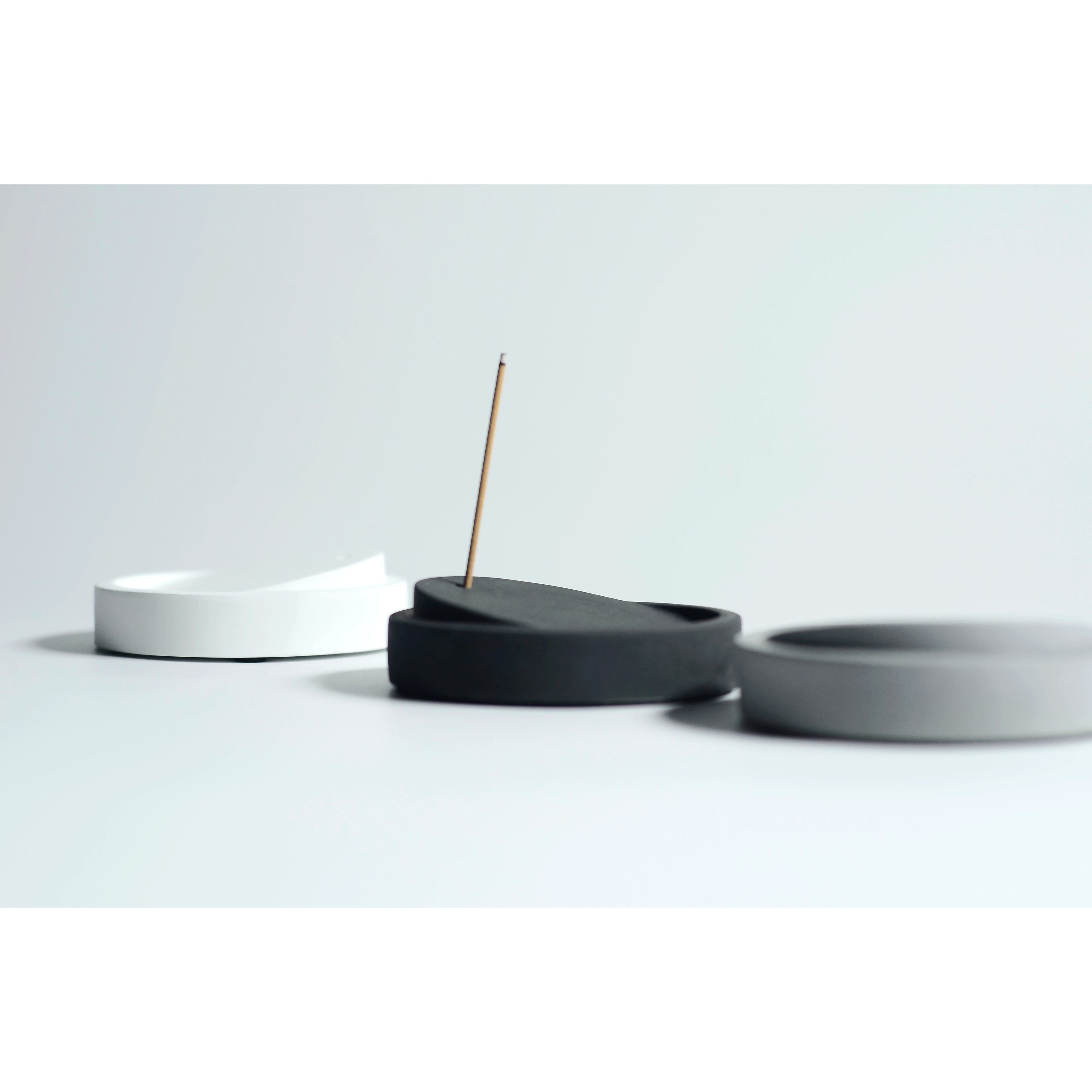
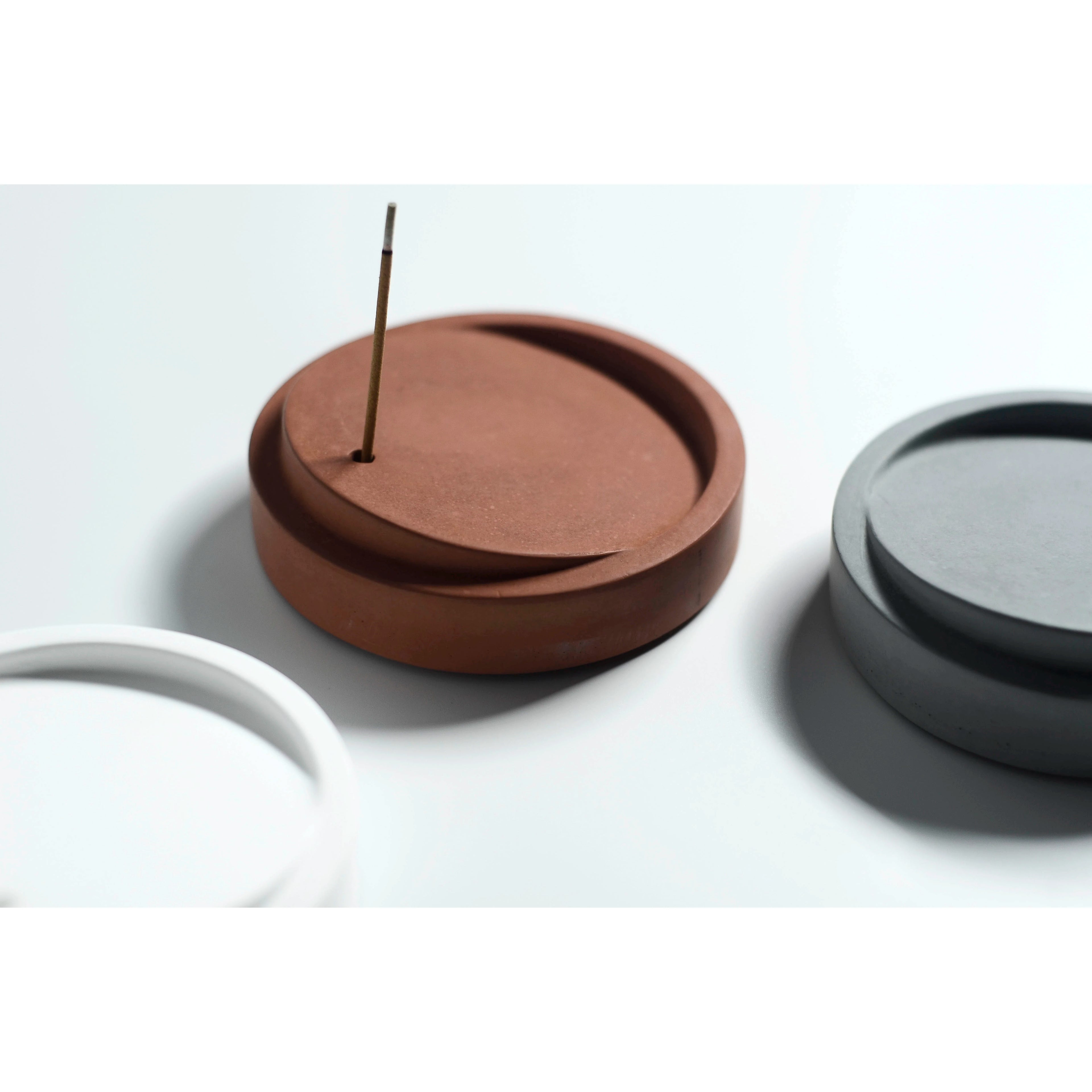
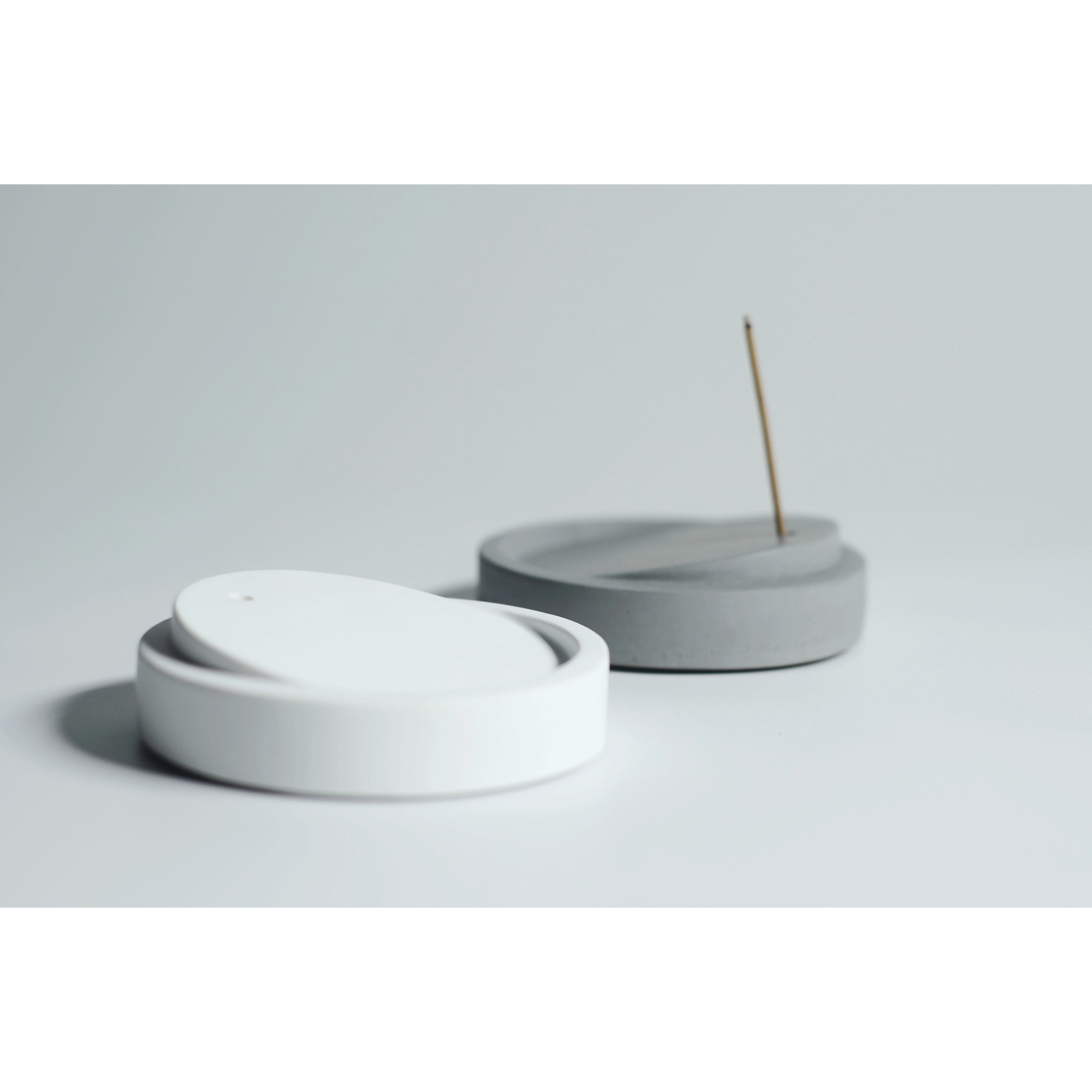
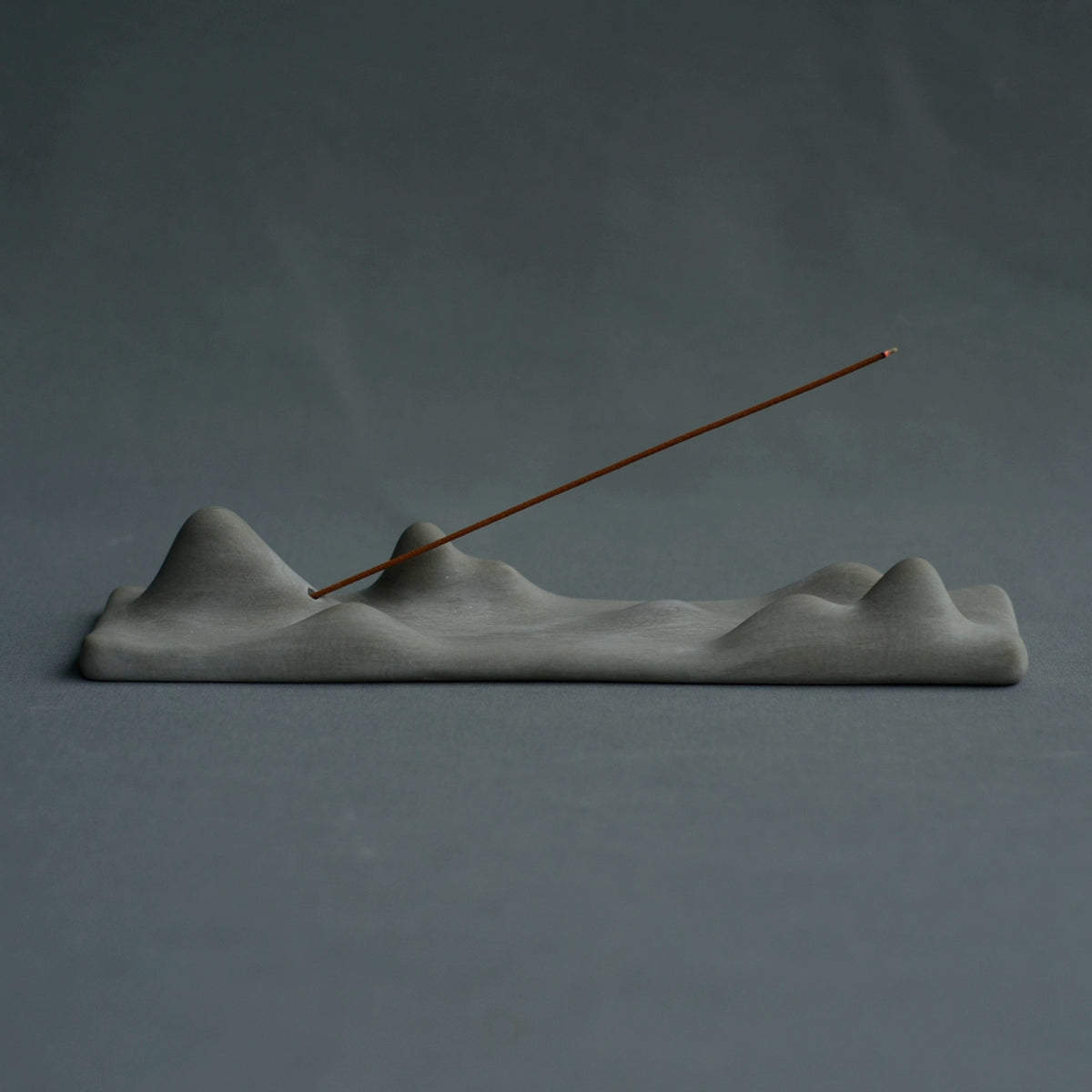
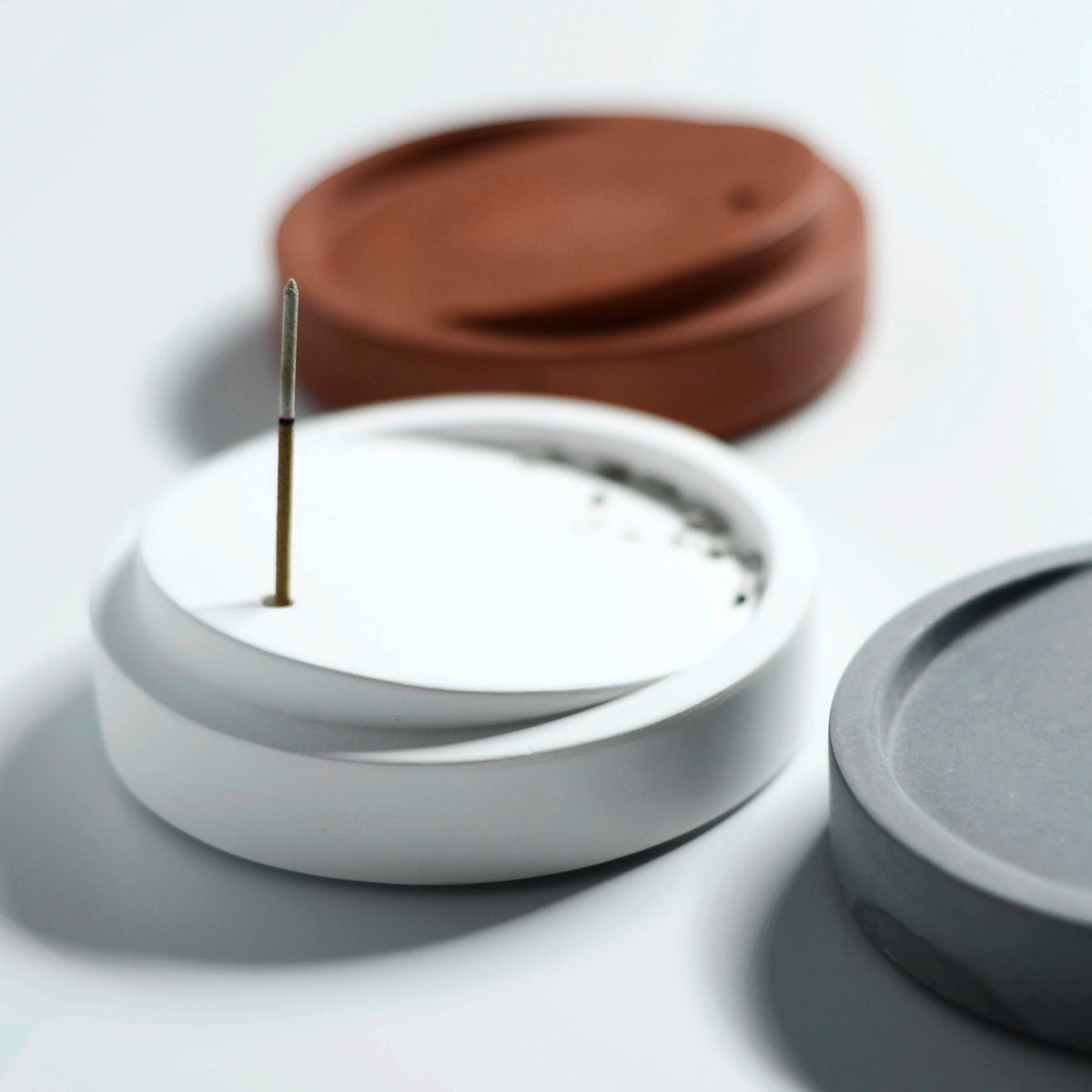
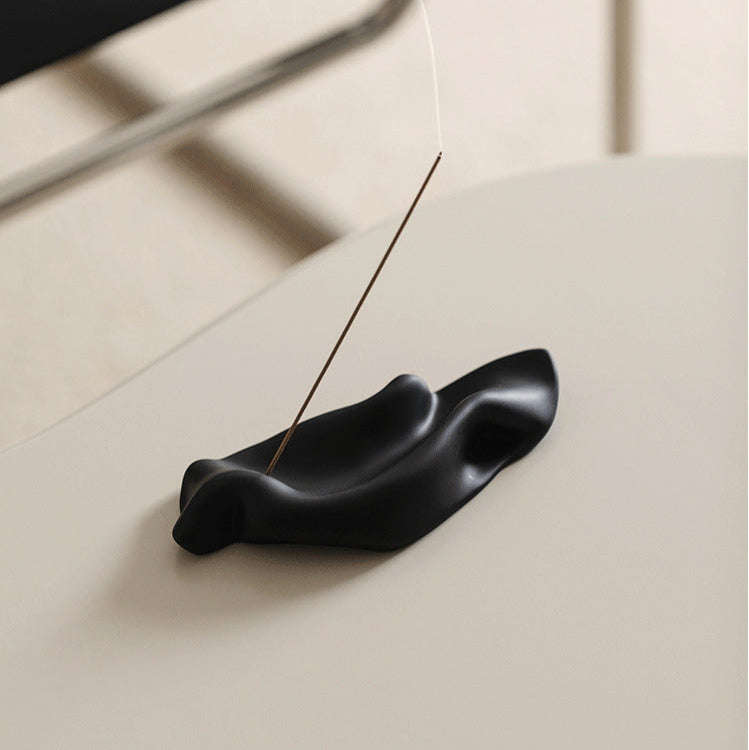
Before I sit, I often light incense. It's become part of how I settle in, a small sensory threshold between the noise of the day and the quiet of practice.
There's something about the act itself, selecting a stick, striking the match, watching the first thread of smoke rise, that marks the transition. The quiet ritual of lighting incense before I sit is something I've come to look forward to. The scent becomes part of the settling-in process, filling the room with a presence that's gentle and unmistakable. I don't think of the incense as doing anything to my meditation. It's simply there, part of the atmosphere, part of the ritual.
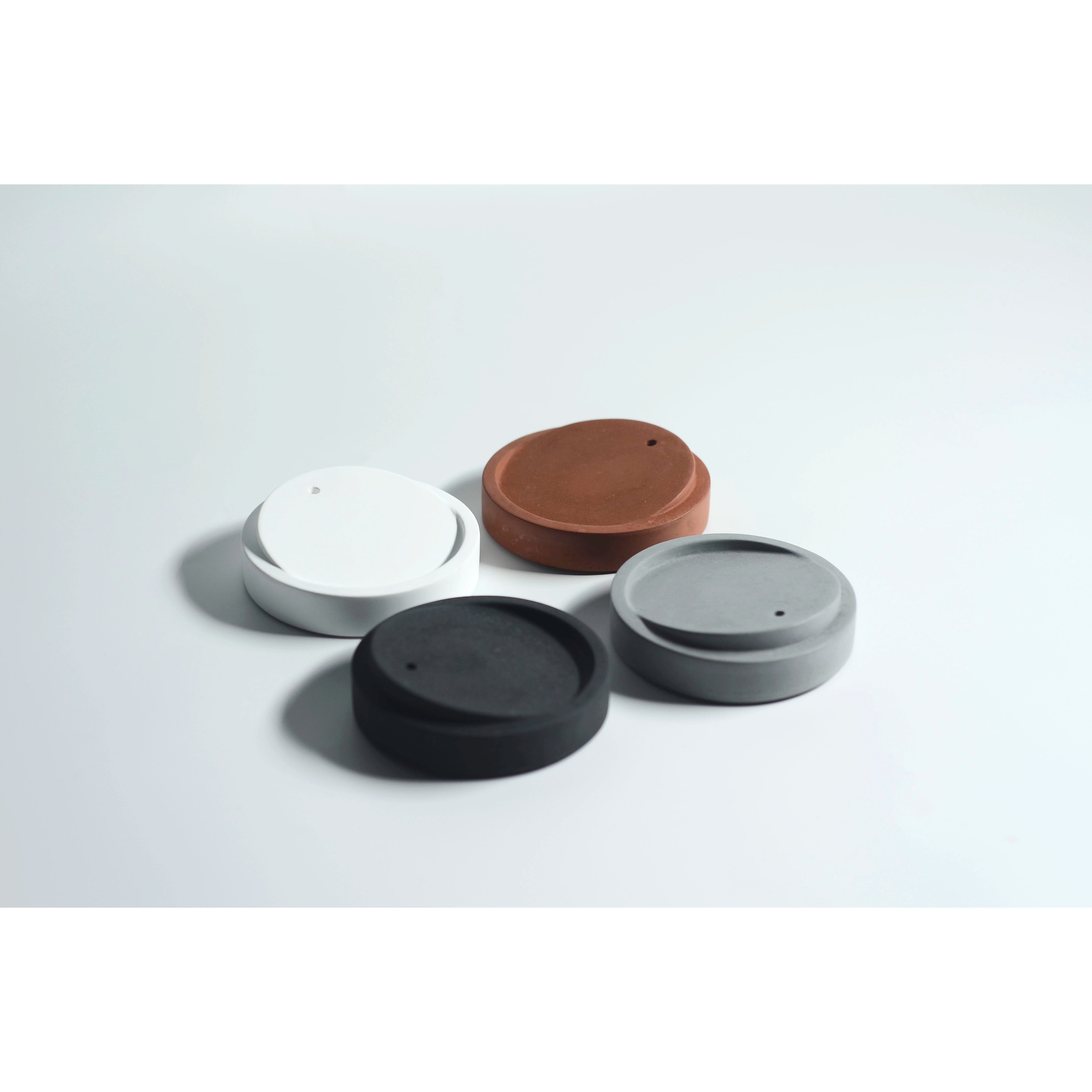
Lately I've been working through the Dongzhi Tranquil Harmony incense set, which offers a range of scents to explore across different sessions. On evenings when I want something deeper, I reach for Fuji's Mysore sandalwood incense, the sandalwood has a grounded, warm quality that I associate with evening sits. The scent hangs in the air while I breathe, another texture in the room, neither demanding attention nor disappearing.
The practice itself, the breath, the sitting, the returning, doesn't require incense. But I've come to appreciate how these small rituals build a container over time. If you're curious about how scent fits into a meditation practice, our complete guide to meditation incense and our piece on choosing the best scents for your practice go deeper. And if the history of incense itself interests you, it stretches back five thousand years, there's a full history here.
What I've Noticed Over Years of Practice
I want to be specific about what this practice has been like, not vague.
The first thing is that anapanasati has a quality of ordinariness that I didn't expect. There's no peak experience to chase, no dramatic state to achieve. It's the same breath, day after day. And yet the ordinariness is precisely where something shifts. I started noticing the breath in moments outside of formal practice, walking to the bus, standing in a queue, lying in bed before sleep.
The second thing is about the relationship with distraction. In the early months, every wandering of the mind felt like a personal failure. I'd get frustrated, scold myself, tighten up. Over time, something changed, not because I decided to change it, but because the repeated experience of noticing-and-returning slowly taught a different lesson. The wandering isn't the obstacle. It's the material. Each return is the practice.
The third thing, and this is the one I find hardest to put into words, is a kind of intimacy with my own experience. When you sit with the breath long enough, you start to notice how much of your inner life happens without your awareness. Thoughts arrive fully formed, with momentum, and you're already down the road with them before you notice. Anapanasati has made that process more visible to me, not because the thoughts stopped, but because the gaps between them grew slightly more perceptible.
I still have sessions where I spend twenty minutes lost in thought and catch myself maybe three times. Those sessions are not failures. They're just what happened that day. The practice is honest that way.
An Invitation
I can't tell you what anapanasati will do for you. I can only tell you what it's been for me, a simple, demanding, ordinary practice of paying attention to the breath. It asks for very little: a place to sit, a few minutes, and a willingness to return, again and again, to something as plain as breathing.
If you're curious, try it. Sit somewhere quiet. Find the breath. Follow it for ten minutes. See what happens.
The breath has been with you since the moment you were born. It's been there through every experience, every thought, every day of your life, and you've probably never spent ten minutes simply paying attention to it. That's all anapanasati is. That's all it asks.
If you're building a space for practice, our meditation incense collection and our full incense collection offer a range of scents to explore. But the practice itself needs nothing but the breath.
This article shares personal reflections on meditation practice. MUSO Collection makes no claims about the health effects of meditation or its products.