
I used to think meditation meant sitting still on a cushion. That was the image I carried, legs crossed, spine straight, eyes closed, willing my mind into some kind of quiet submission. And for a long time, that image kept me from practicing at all. Sitting still felt unnatural. My thoughts raced faster the moment I tried to slow them down. I'd fidget, check the clock, wonder if I was doing it wrong.
Then I discovered walking meditation, and it changed everything.
I was at a weekend retreat, dreading the hour-long sitting session on the schedule. Instead, the teacher asked us to stand up, find a patch of ground about fifteen steps long, and simply walk. Back and forth. Slowly. Paying attention to each step.
That first walk lasted twenty minutes. I didn't check the timer once. The movement gave my restless mind somewhere to go, not away from the present, but deeper into it. Each step became an anchor, as concrete and immediate as breath, but somehow easier for me to hold. I wasn't fighting stillness. I was finding it through motion.
What Is Walking Meditation?
Walking meditation is exactly what it sounds like, a meditation practice done while walking. But it isn't the same as taking a mindful stroll or going for a contemplative walk in nature, though those are good things too. In formal walking meditation, the walking is the meditation. Every step is the object of attention, in the same way the breath serves as the anchor in sitting practice.
The practice has deep roots across Buddhist traditions, each with its own emphasis and flavour.
Kinhin is the walking meditation practised in Zen monasteries between periods of zazen, or seated meditation. In the Sōtō Zen tradition, kinhin is slow and deliberate, each step might take a full breath cycle. The hands are held in a specific mudra called shashu, resting against the chest. Practitioners walk clockwise around the meditation hall in a single file, the pace unhurried and precise. Kinhin isn't a break from sitting; it's the same practice expressed through a different posture. The mind that watches the breath in stillness becomes the mind that watches the foot lifting, moving, placing.
Vietnamese Zen teacher Thich Nhat Hanh, his approach is gentler, often practised outdoors, and the pace is natural rather than ritualistically slow. He described it as "kissing the earth with your feet." The practice isn't confined to a meditation hall, it happens in gardens, on forest paths, along city streets. "Walk as if you are the happiest person on Earth," he wrote. The emphasis is on arriving in the present moment with each step, feeling the contact between foot and ground as a kind of homecoming.
In the Vipassana or insight meditation tradition, walking meditation is a formal practice in its own right, often alternating with sitting periods during intensive retreats. Practitioners attend to the component sensations of each step, the lifting of the foot, the swinging forward, the placing down. The attention is close, granular, almost microscopic. This isn't about relaxation or clearing the mind. It's about seeing the nature of experience directly, moment by moment, through the simple act of walking.
What unites these traditions is a shared understanding: the mind can be trained in any posture. Walking meditation isn't a compromise for people who can't sit still. It's a complete practice with its own texture and gifts.
How Walking Differs from Sitting
I've spent enough time with both practices now to feel the difference in my body, not just describe it intellectually.
When I sit, my attention narrows. The world I'm aware of contracts to the breath, the sensations in my torso, the sounds around me, the thoughts that rise and fall. It's an inward turn, the body becomes still so the mind can meet itself.
Walking opens things outward. The body is in motion, so the field of awareness naturally expands. I'm aware of my feet, yes, but also the ground under them, the air on my skin, the movement of my arms, the shift of weight through my hips, the quality of light, the sound of my footsteps. Walking meditation doesn't ask me to shut out the world; it invites me to meet the world more clearly.
There's a rhythm to walking that sitting doesn't offer. The body falls into a cadence, left, right, left, right, and that rhythm becomes a current the mind can rest in. When I lose track of my attention and get lost in thought, the next step is always there, waiting for me to come back. The rhythm never stops.
Some days, when I'm agitated, sitting feels like trying to calm a storm by holding perfectly still. Walking lets the storm move through me, the energy of restlessness has somewhere to go. Other days, when I'm tired or heavy, the movement keeps me awake. I've learned to read my own state and choose the form that meets it.
A Simple Practice to Try
This isn't a prescription, it's simply how I practise, and how I was taught. If something in it resonates, take what works and leave the rest.
Find your path. Choose a stretch of ground about fifteen to twenty steps long, a hallway, a quiet room, a garden path, a section of pavement. You'll walk back and forth along this same line, so pick somewhere you won't feel self-conscious. Indoors is fine. So is outdoors. What matters is that you can walk without obstacles or interruptions.
Stand still for a moment. Before you start walking, let your body settle. Feel your weight through the soles of your feet. Notice the contact with the ground. Let your arms hang naturally at your sides or rest your hands lightly together, whatever feels unforced. Take a breath or two. You're already here.
Begin to walk, slowly. Slower than normal. Much slower than you think you need to. At my retreat, the teacher described it as "the speed of a person who has nowhere to go", and that became my benchmark. If you feel a little self-conscious about the slowness, you're probably doing it right.
Bring your attention to your feet. Feel the heel lifting. The sole peeling away from the ground. The foot swinging forward through the air. The heel making contact. The weight rolling forward along the outer edge. The ball of the foot pressing down. The toes. Then the other foot, lifting again.
You might find it helpful to note the phases silently: lifting, moving, placing. Some traditions use these labels to anchor the attention. I've found they help in the beginning, and then naturally fall away as the sensation itself becomes more vivid.
When your mind wanders, and it will, come back to the step. Just as you'd return to the breath in sitting practice. No need to judge the wandering. The mind wanders, it's what minds do. The practice is the returning.
Walk to the end of your path. Pause. Turn. Walk back. The pause and turn are part of the practice too. Notice the impulse to turn, the shift of weight, the first step in the new direction. Don't rush the transition. The pause between walks can be as rich as the walking itself.
Start with ten minutes. That's enough. You might feel restless at first, then surprised by how quickly the time passes. Or you might find it awkward and boring. Both are fine. The practice doesn't depend on feeling calm.
Where to Practise
Indoors. This is where I started, and honestly where I still practice most often. A hallway, a living room cleared of toys, even a long kitchen, anything with a clear straight stretch works. The advantage of indoors is simplicity. No shoes. No weather. No passersby. You can practice at any hour, in any season. The familiar walls become a container for attention rather than a distraction.
One thing I've noticed: the floor matters more than I expected. Wooden floors carry a warmth and resonance I can feel through my feet. Cold tile sharpens sensation. Carpet muffles everything and makes the practice fuzzier, but that's its own kind of lesson. Try different surfaces and notice what shifts.
Outdoors, in nature. There's something about walking meditation on earth that sitting in a room can't replicate. The ground is alive, uneven, textured, responsive. A path through grass feels different from packed dirt, which feels different from pine needles. The breeze touches your skin. Birdsong arrives and fades. The whole sensory world comes forward.
I've practised walking meditation in a city park, on a beach at low tide, along a forest trail. But one caution: natural settings are also distracting. A beautiful view can pull your attention outward in a way that feels pleasant but isn't meditation. The practice stays the same, the foot, the step, the contact with the ground, even when the ground happens to be stunning.
Urban walking meditation. Thich Nhat Hanh's teachings apply here. You can practise walking meditation on a city pavement, down a busy street, through a train station. The slowness might feel conspicuous. That's okay. You don't need to walk at kinhin pace in public, a natural, slightly slower gait works. The practice is the attention you bring to each step, not the speed. I've found that a busy street actually intensifies the practice, there's so much pulling at my attention that returning to the step feels like a deliberate, almost radical act.
What I've Struggled With
I want to be honest about the challenges, because they're part of the practice too.
Feeling ridiculous. The first time I did walking meditation in a public park, I felt absurd. Slow-walking back and forth across the same ten metres of grass while people jogged past and dogs ran circles around me. I kept glancing around, worried about what others thought. Eventually I realised: nobody cares. Nobody is watching. Most people are too absorbed in their own lives to notice someone walking slowly. And if they do notice, they assume you're looking for something you dropped. The self-consciousness fades with repetition.
Wanting to speed up. My body fights the slowness. I have a natural walking pace, brisk, purposeful, and slowing to meditation speed feels like wading through water. Sometimes I'll notice I've accelerated without meaning to, my steps creeping back toward normal. The practice is to notice that too, and slow down again, without scolding myself.
Boredom. Some sessions are just boring. The sensations of walking are subtle and repetitive. The mind gets tired of them and wants novelty. Sitting meditation has the same problem, of course, but the body's stillness makes the restlessness more obvious. In walking, the movement can mask a dull, drifting mind. I've learned to check in: am I really with this step, or am I just moving my legs while my mind is somewhere else entirely?
Finding consistency. I still gravitate toward sitting as my default practice. Walking meditation feels like something I "should" do more often than something I naturally reach for. I'm working on that, because every time I do it, I'm glad I did.
An Invitation, Not a Prescription
If you've been curious about meditation but put off by the idea of sitting still, walking meditation might be a door that opens more easily. If you already sit and find yourself restless, it might offer a way through. And if you simply love walking, the rhythm, the ground, the feeling of moving through space, then you already have the raw material.
The practice asks very little. A stretch of ground. Ten minutes. Attention placed gently on each step. No special clothing, no equipment, no training. Just the willingness to slow down and feel what's already happening under your feet.
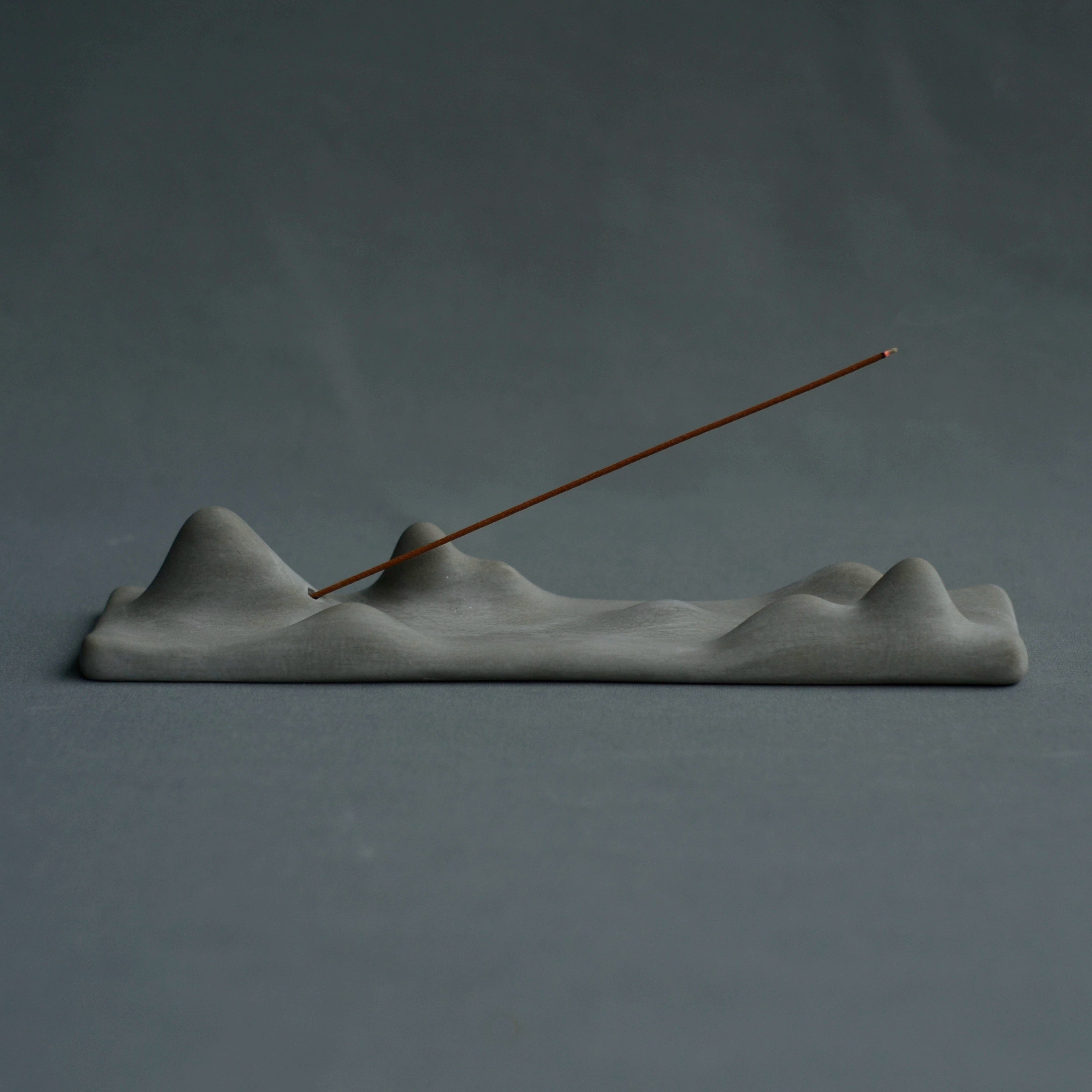
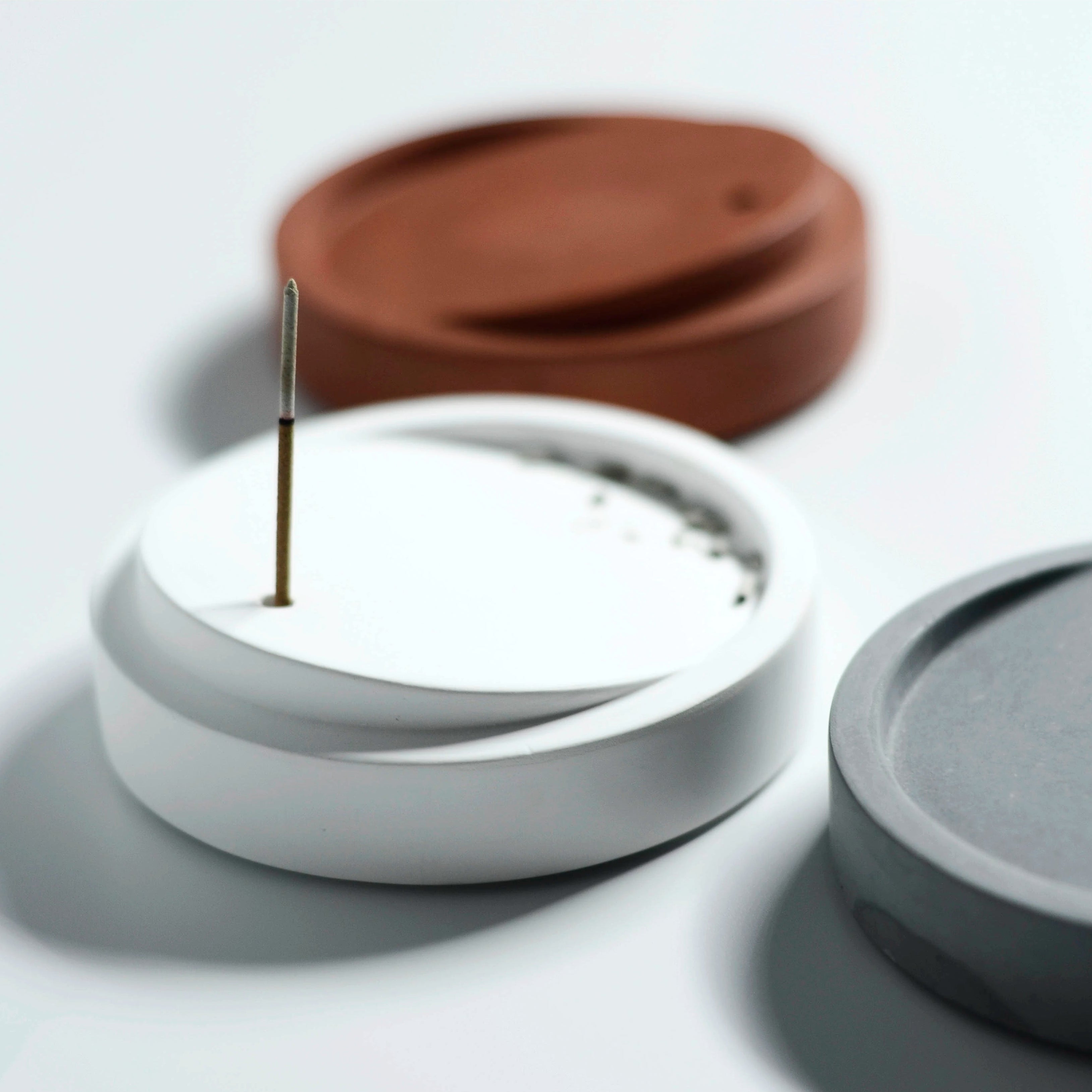
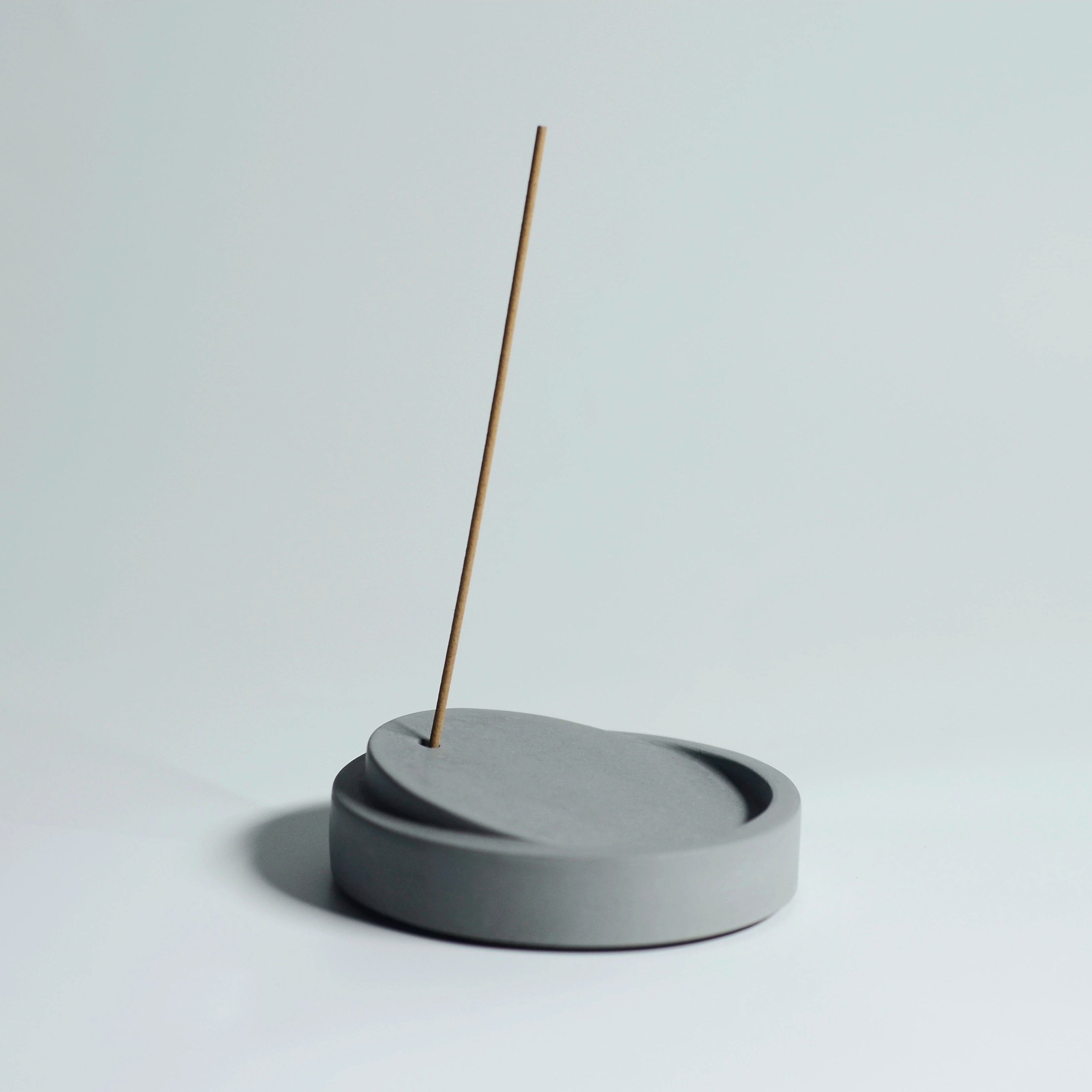
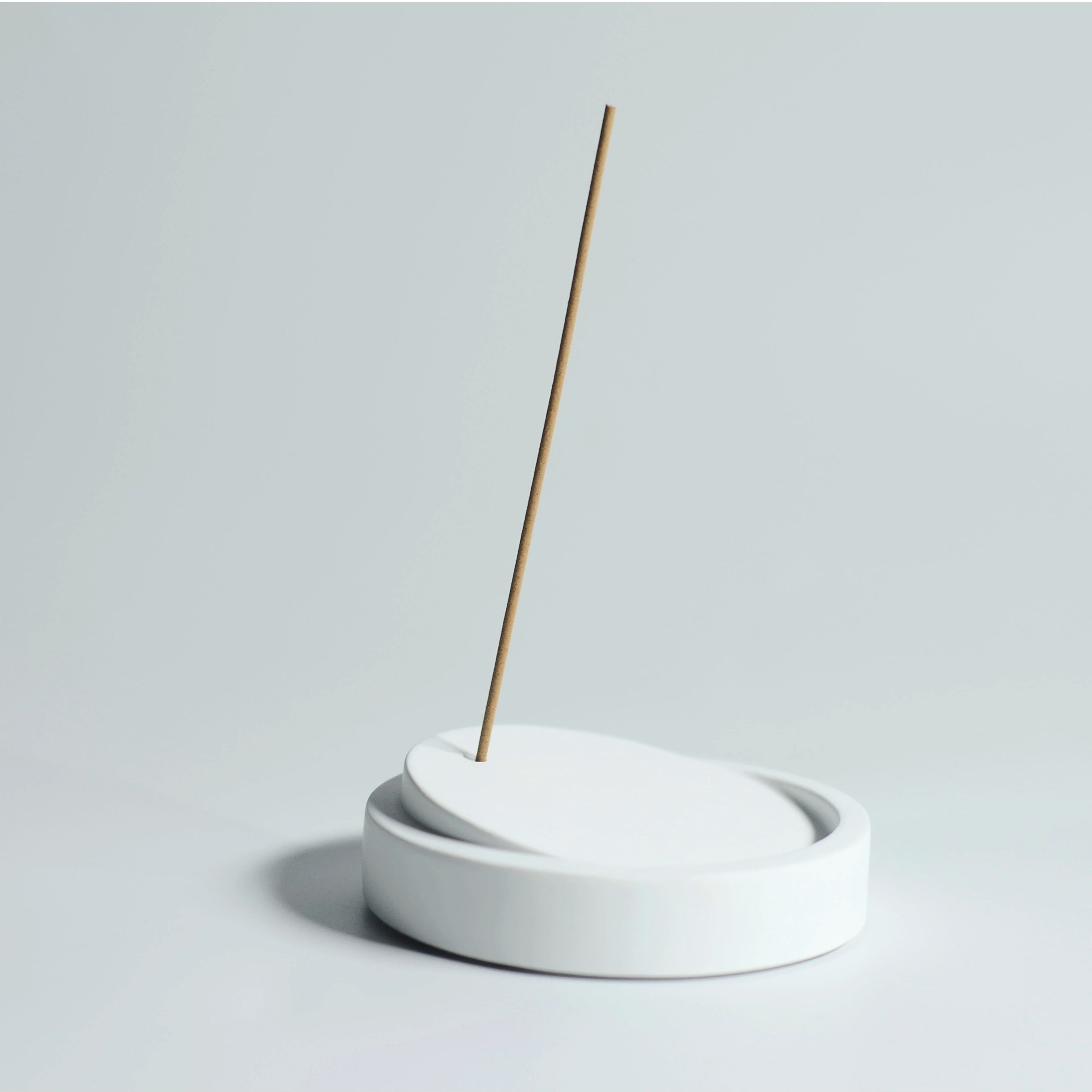
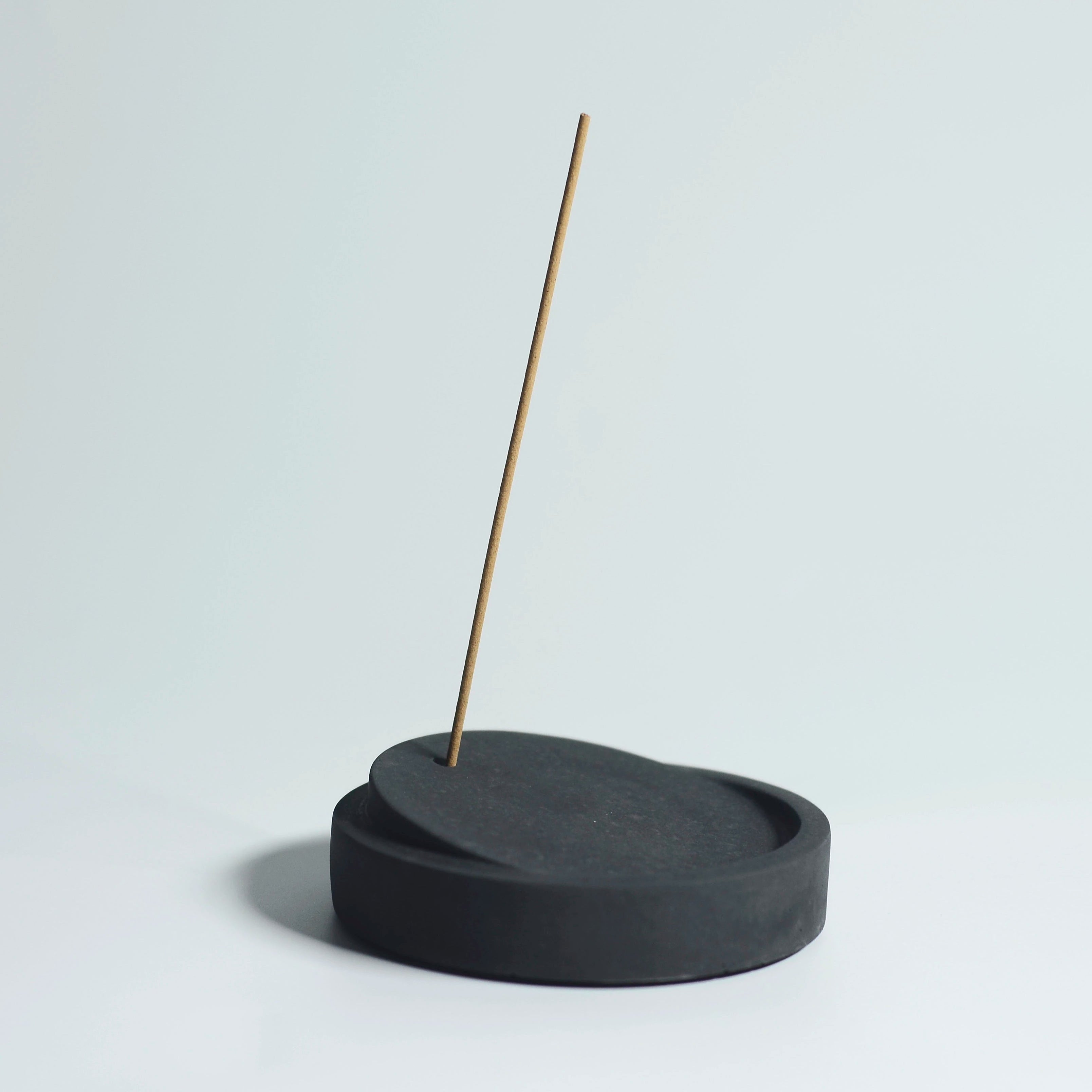
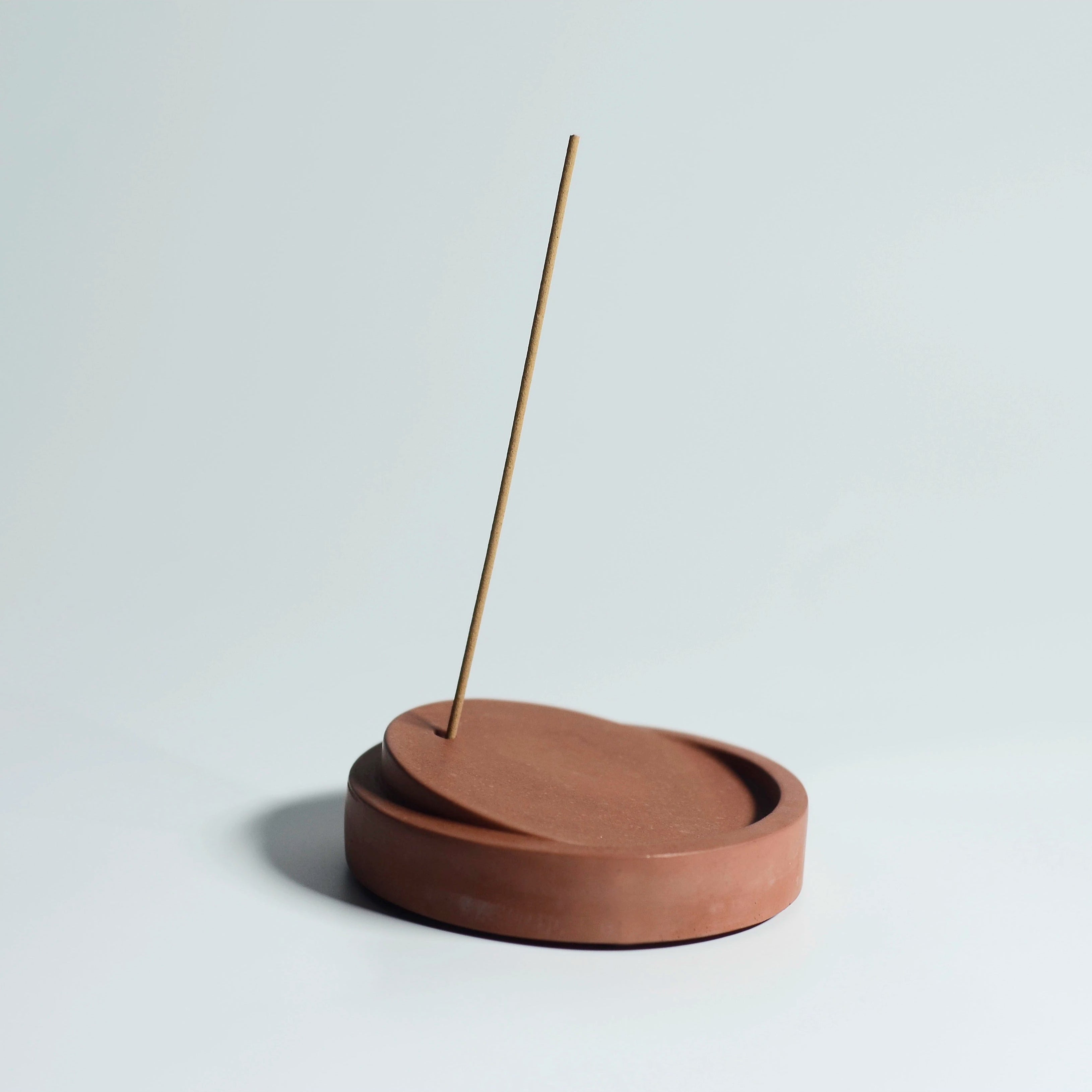
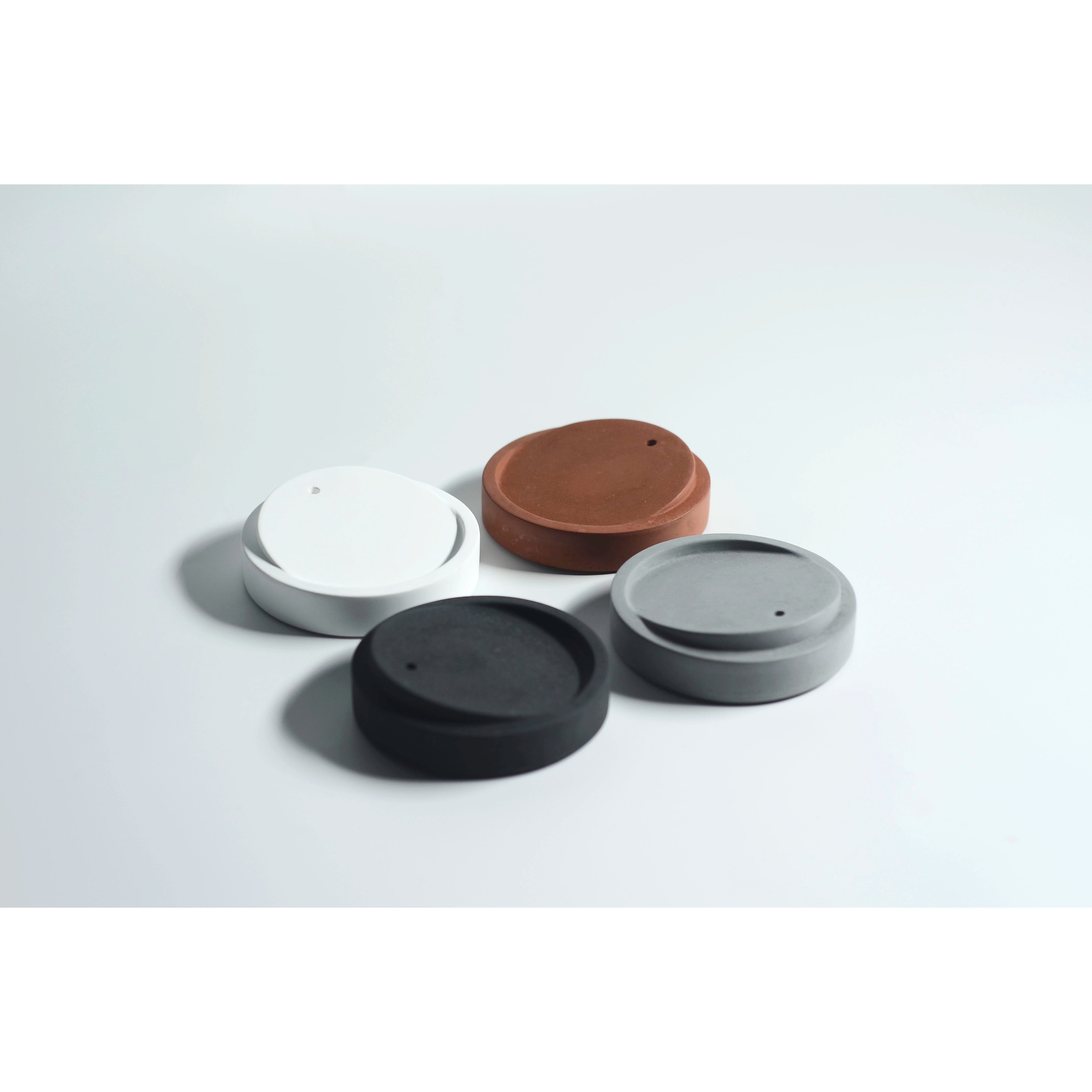
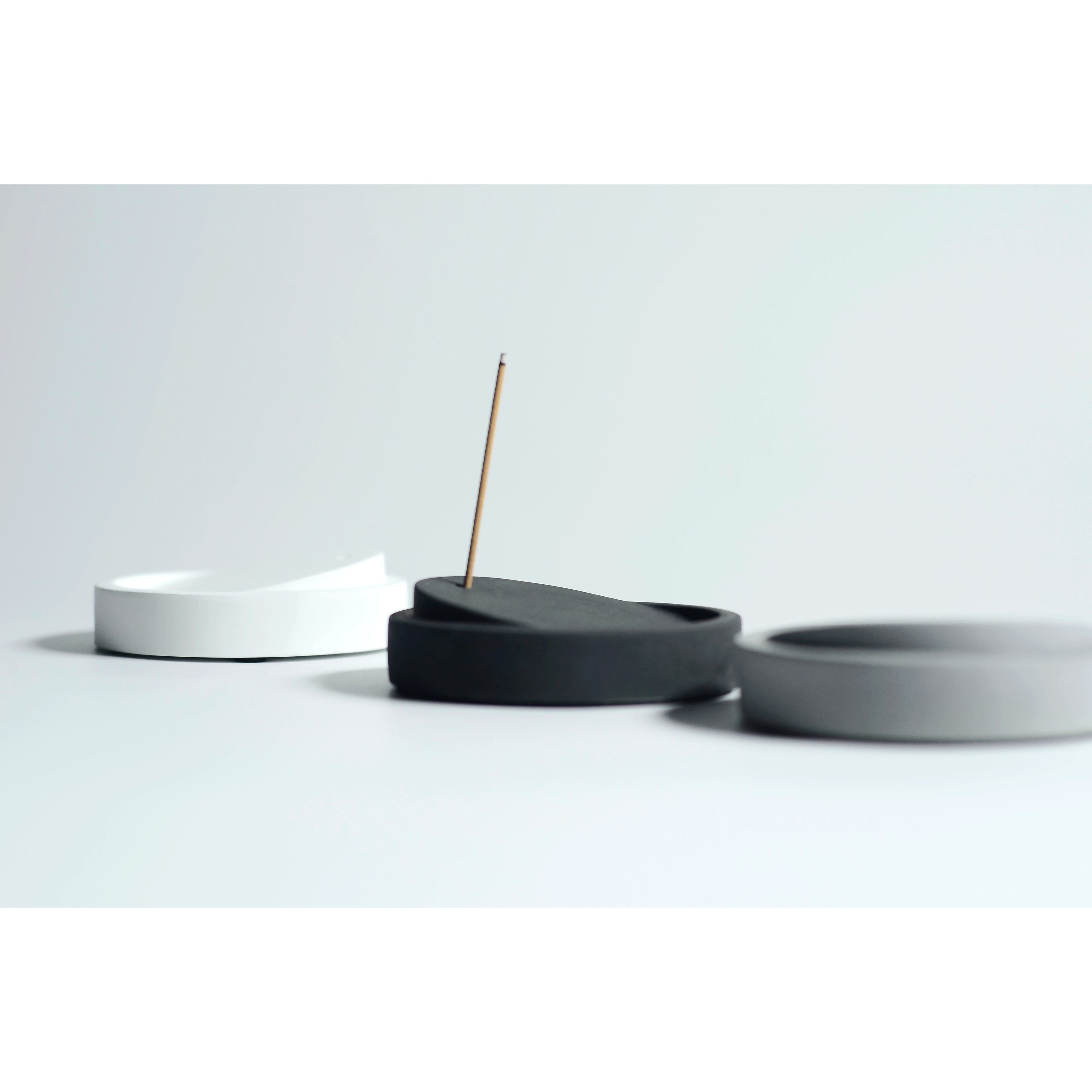
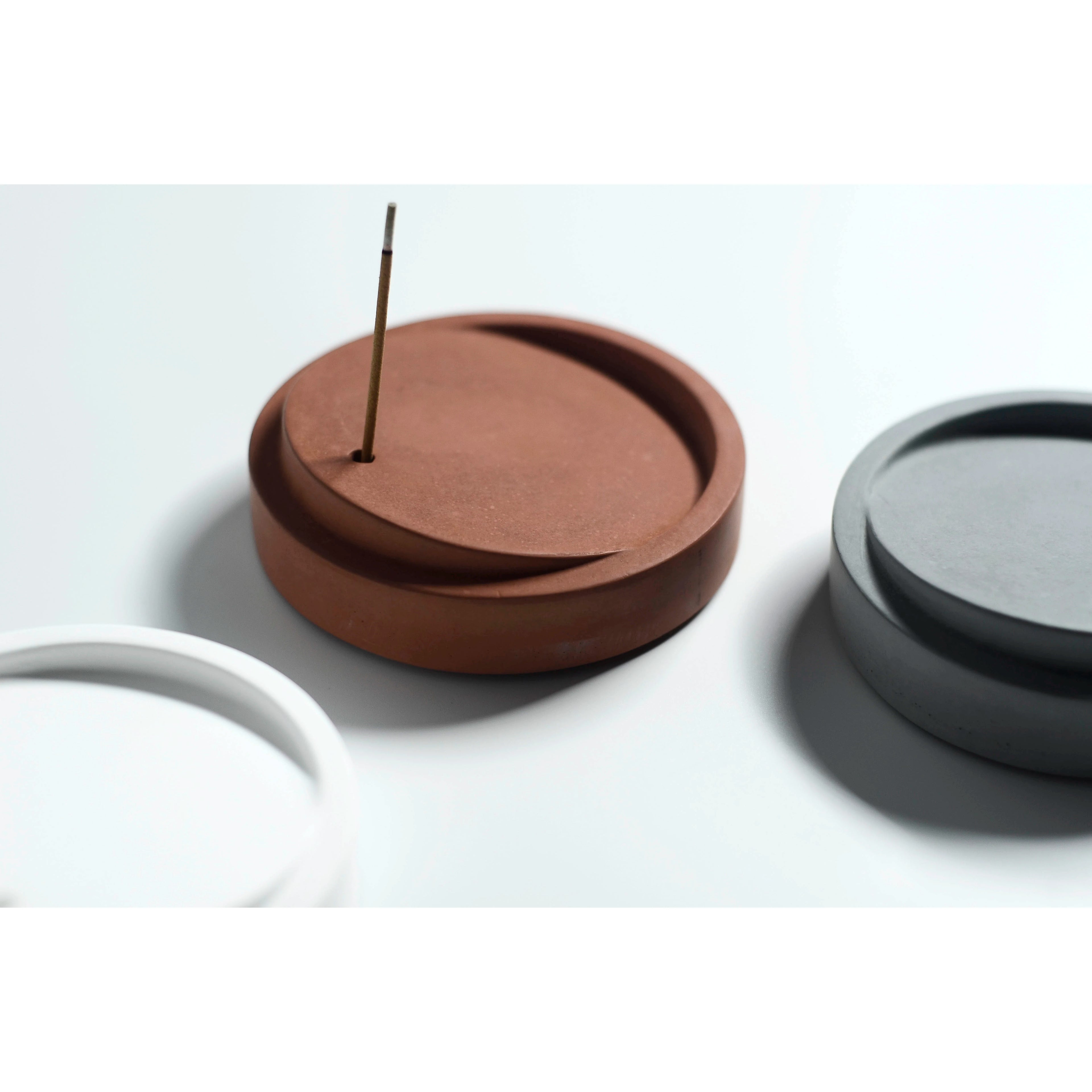
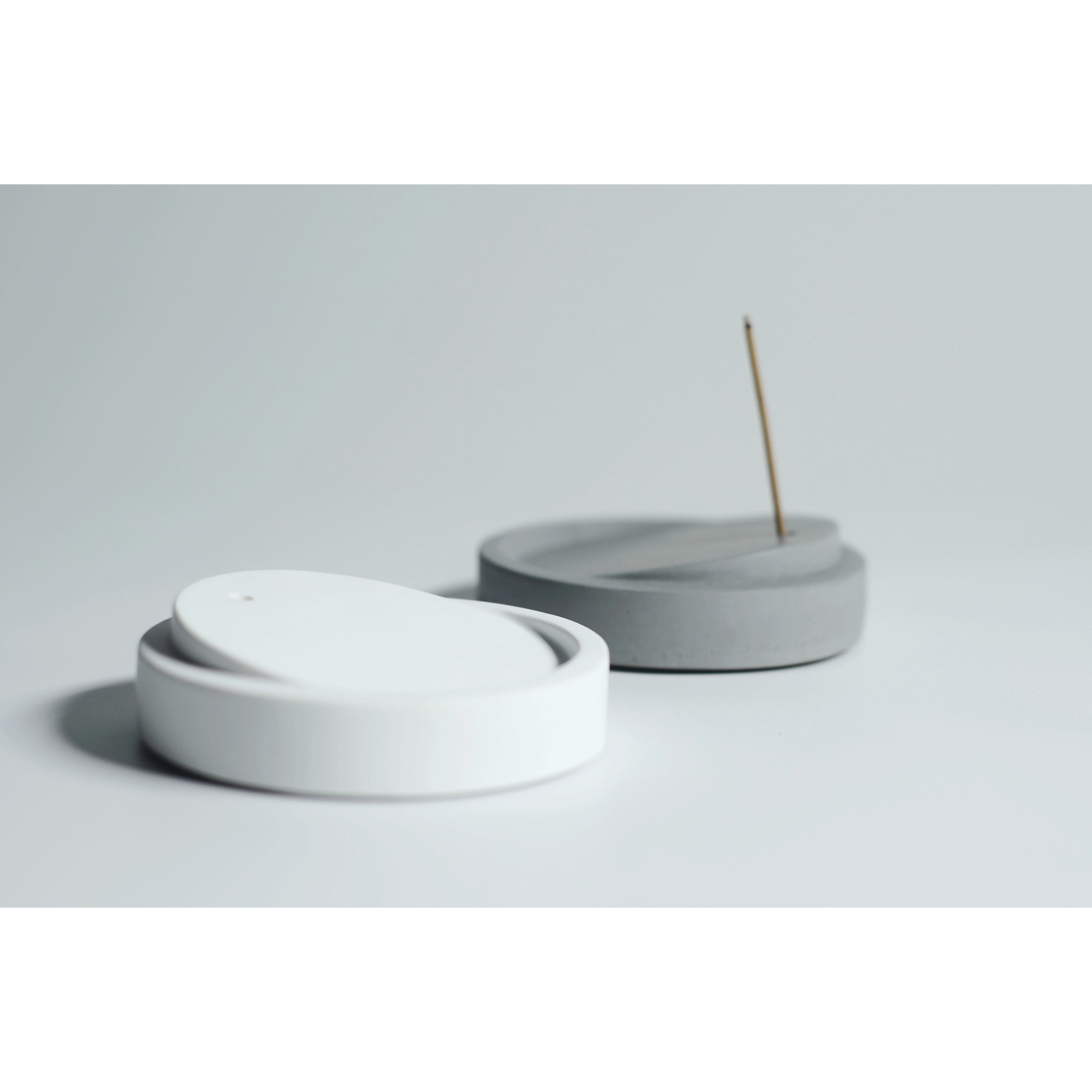
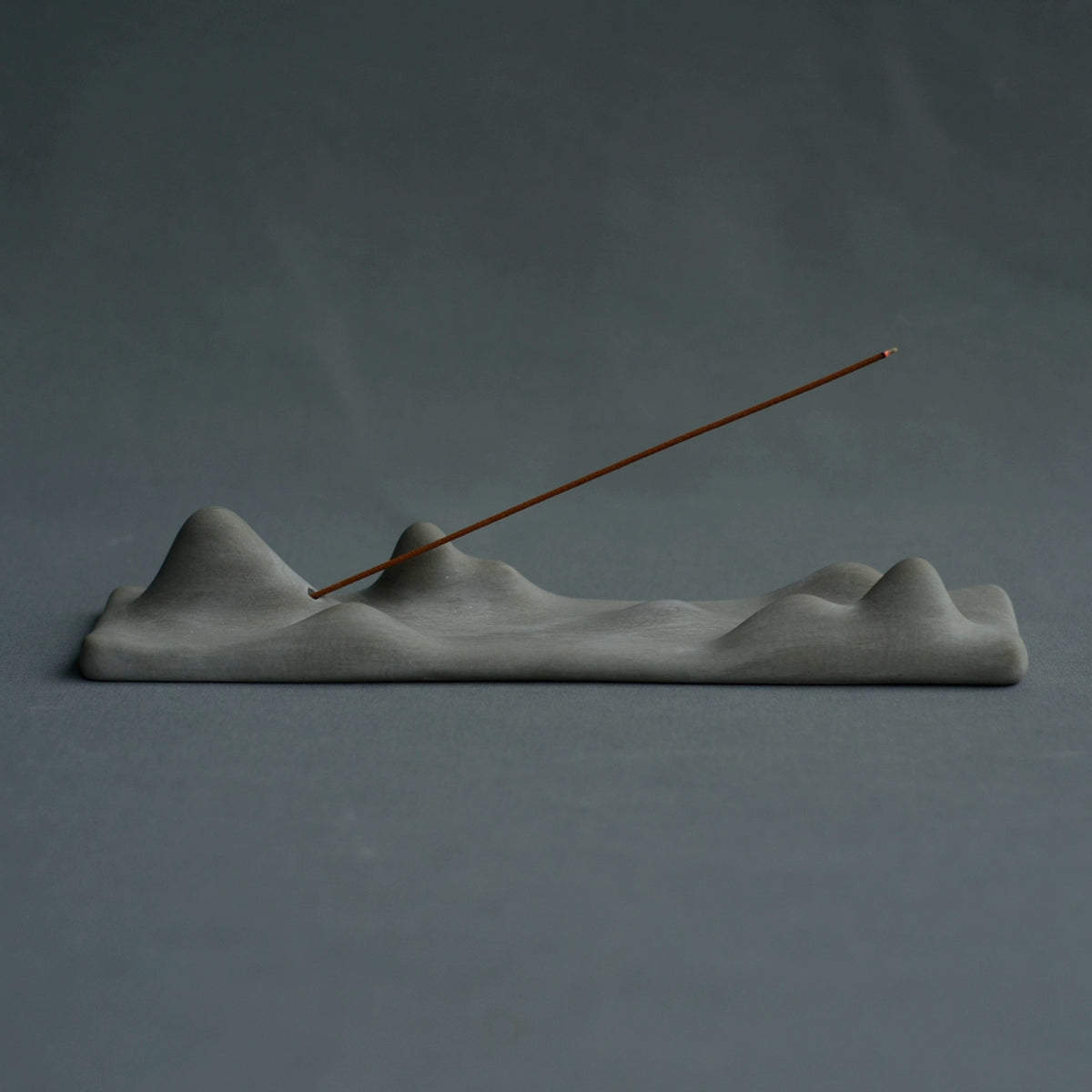
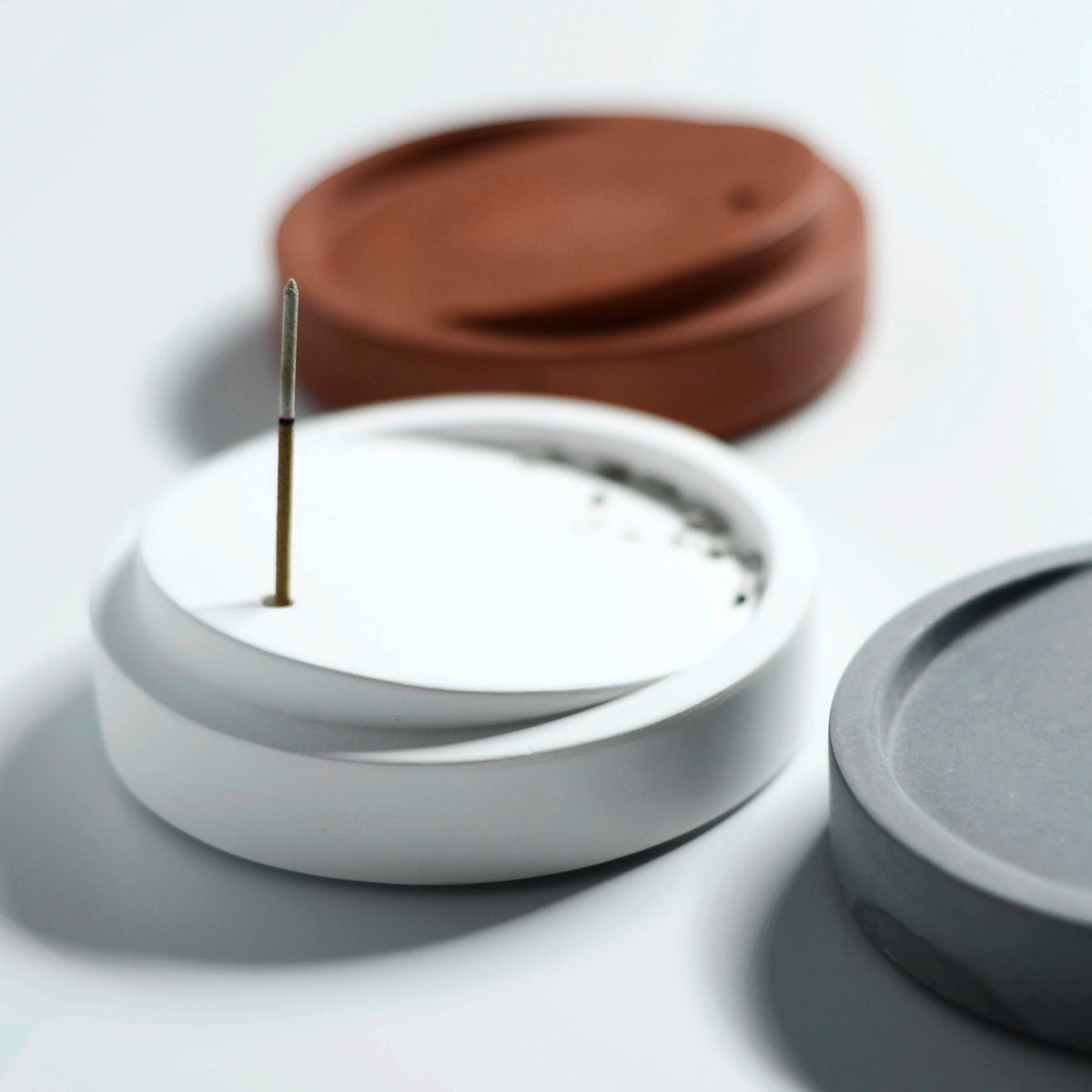
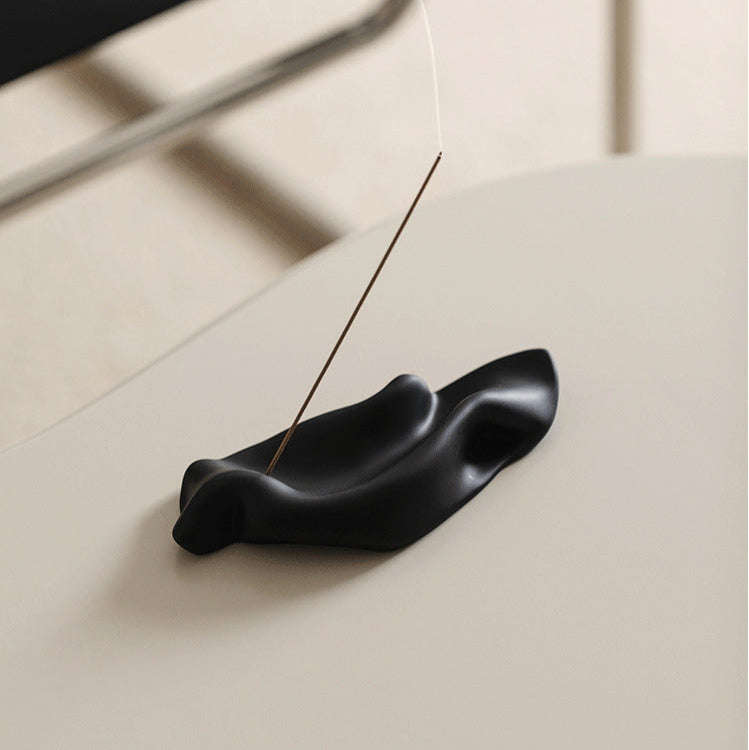
I sometimes light a stick of incense before I begin an indoor practice, not because the incense does anything, but because the ritual of lighting it marks a transition. I've been working through the Dongzhi Tranquil Harmony set lately, exploring different scents across different sessions, noticing how each one shifts the atmosphere of the room in its own quiet way. The scent hangs in the air as I walk, another anchor for awareness. It's a small thing, but I've come to appreciate how these small things, a familiar scent, the texture of the floor, the pause before the first step, build a container for practice over time.
However you approach it, whatever form it takes, the invitation is simple: walk. Pay attention. See what happens.
This article shares personal reflections on meditation practice. MUSO Collection makes no claims about the health effects of meditation or its products.
Further Reading
- The Complete Guide to Meditation Incense: Scents, Rituals, and How to Choose, a deeper look at how incense can support your meditation practice across different traditions and personal preferences.
- Incense for Meditation: How to Choose the Best Scents for Your Practice, practical guidance on selecting scents that suit different styles of meditation, including walking practice.
- The Ultimate Guide to Ceramic Incense Holders: Artistry, Function, and Mindful Design, if you light incense before practice, the right holder becomes part of the ritual. Explore handmade ceramic and sculptural holders that bring intention to the everyday.
- Wabi-Sabi Decor: How to Bring the Beauty of Imperfection into Your Home, the philosophy behind MUSO's aesthetic, and a natural companion to any meditation practice grounded in presence, not perfection.