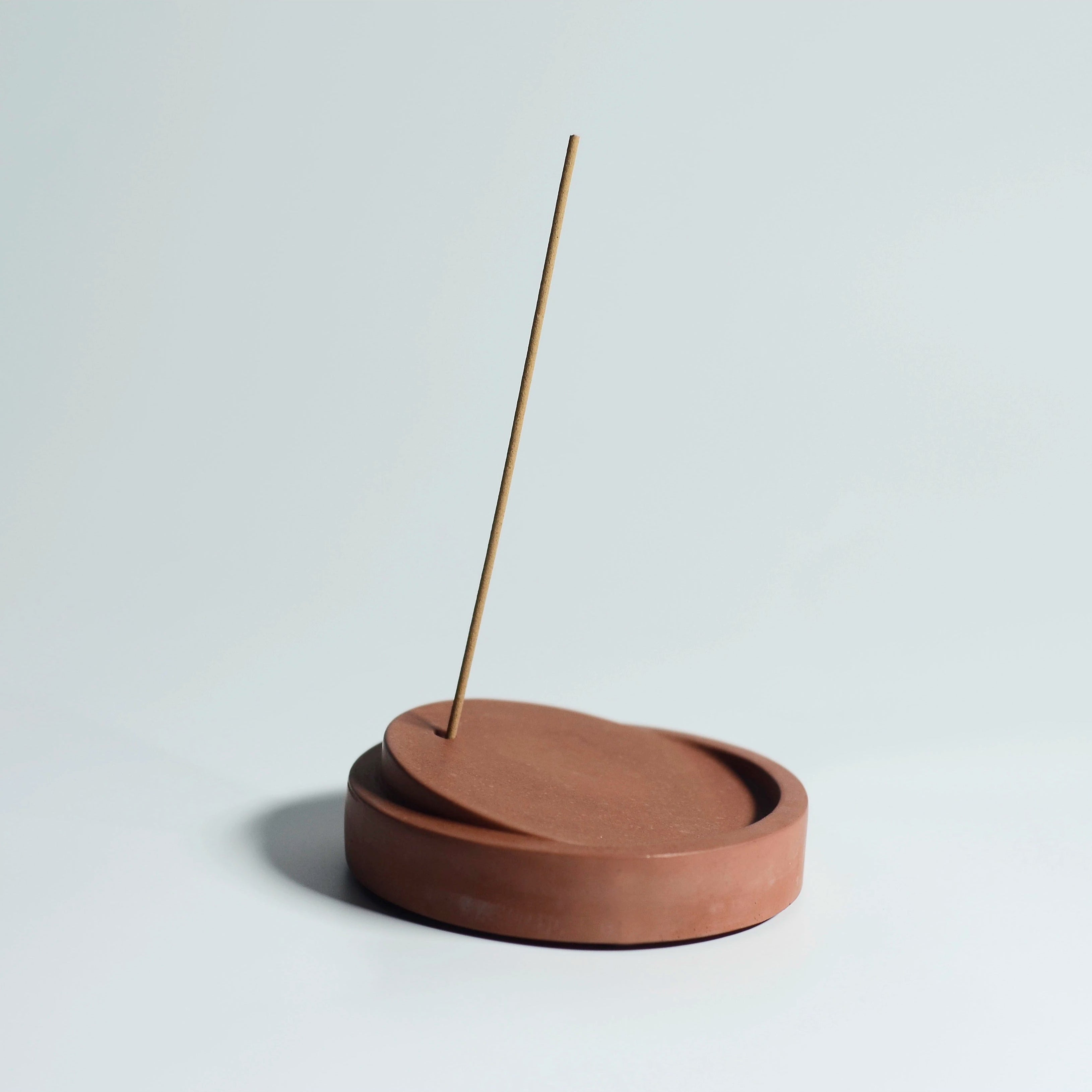

Your cat is curled on the windowsill. Your dog is napping by the door. You light a stick of sandalwood incense, settle into your chair, and for twenty minutes the house feels like a different place. Then you wonder — is this actually okay for them?
It's a fair question, and one that doesn't get the attention it deserves. Most incense safety guides address human health and leave pet owners to figure things out on their own. The reality is more nuanced: cats and dogs process airborne compounds differently than people do, and the gap between "safe for you" and "safe for your pets" can be wider than you'd expect.
This guide walks through what veterinary science tells us about incense and pet safety, where the evidence is still thin, and what you can do right now to protect your animals while still enjoying the ritual. If you're looking for a broader guide on incense safety for human health, we cover that separately.
Why Pets Process Smoke Differently Than You Do
The short version: cats and dogs are smaller, breathe faster, and have metabolic pathways that handle certain compounds less efficiently than humans. That combination means airborne particulates and volatile organic compounds (VOCs) from burning incense can affect them at exposure levels that wouldn't bother most people.
Cats: The Especially Sensitive Ones
Cats have a well-documented vulnerability to many airborne substances. Their livers lack certain glucuronyl transferase enzymes — the same enzymes that help human livers break down phenols, terpenes, and other organic compounds found in smoke and essential oils. This isn't a minor difference. According to the ASPCA Animal Poison Control Center, cats can experience toxic reactions to substances (including certain essential oils and phenolic compounds) that dogs and humans tolerate at much higher doses.
Cats also groom constantly. Any particulate matter that settles on their fur eventually ends up in their digestive system, adding a secondary ingestion pathway that humans don't have. When you burn incense, a small amount of the particulate output lands on surfaces throughout the room — including your cat's coat.
Cats have roughly 200 million olfactory receptors (compared to about 5 million in humans). This extraordinary sensitivity is what makes cats so reactive to environmental scents, and it also means that smoke concentrations you find pleasant may be overwhelming for them.
Dogs: More Tolerant, Still at Risk
Dogs are generally hardier than cats when it comes to airborne irritants, but they aren't immune. Brachycephalic breeds — pugs, bulldogs, boxers, shih tzus — have compressed airways that make any smoke exposure more taxing on their respiratory systems. Dogs with pre-existing conditions like kennel cough, allergies, or tracheal collapse are also more vulnerable.
A dog's sense of smell is estimated at 10,000 to 100,000 times more sensitive than a human's (the range reflects variation across breeds, according to research from the Cornell University College of Veterinary Medicine). What smells like a gentle background note to you may dominate your dog's entire sensory environment.
What the Research Actually Says (and Doesn't Say)
Here's where honesty matters: species-specific research on incense smoke exposure in companion animals is limited. Most of what veterinary professionals rely on comes from extrapolation — studies on human indoor air quality, studies on essential oil toxicity in cats, and general veterinary guidance on respiratory irritants.
A 2015 study published in Environmental Health Perspectives examined particulate matter (PM2.5) levels from incense burning in homes and found that concentrations could exceed WHO air quality guidelines during and immediately after burning. While this study focused on human environments, the implications for smaller animals sharing those spaces are relevant, though not directly measured.
Research from the ASPCA and veterinary toxicology literature has established that certain compounds commonly found in synthetic fragrances — including phenols, formaldehyde, and some terpenes — can cause respiratory irritation and systemic effects in cats at sufficient concentrations. Many of these compounds are present in low-quality, synthetic incense but are absent or minimal in naturally made incense crafted from plant materials.
What we don't have: controlled studies that measure health outcomes in cats and dogs specifically exposed to incense smoke at typical household levels. When your veterinarian says "be careful with incense around pets," they're drawing on established principles of respiratory physiology and toxicology — not a body of pet-specific clinical trials. That's an honest limitation worth acknowledging.
Is Incense Safe for Cats? A Closer Look
The question many cat owners search for — and the answer is: it depends on the incense, the environment, and how you burn it.
Veterinarians generally recommend minimizing your cat's exposure to any form of smoke, including incense. This doesn't necessarily mean you can never burn incense in a home with cats. It means you should take deliberate steps to reduce their exposure.
Factors that increase risk for cats:
- Burning incense in a closed, unventilated room where the cat is present
- Using synthetic incense with artificial fragrances, chemical binders, or charcoal bases
- Burning multiple sticks simultaneously or for extended periods (over 30 minutes)
- Cats with pre-existing asthma or respiratory conditions — feline asthma affects roughly 1–5% of cats, according to veterinary literature
- Allowing the cat to sit near the burning incense or on surfaces where ash settles
Lower-risk practices for cat owners:
- Burn incense in a room the cat can leave voluntarily — never in a confined space with no exit
- Choose natural, plant-based incense without synthetic additives
- Keep burn sessions short (15–20 minutes) and infrequent
- Maintain strong ventilation — an open window or running fan makes a substantial difference
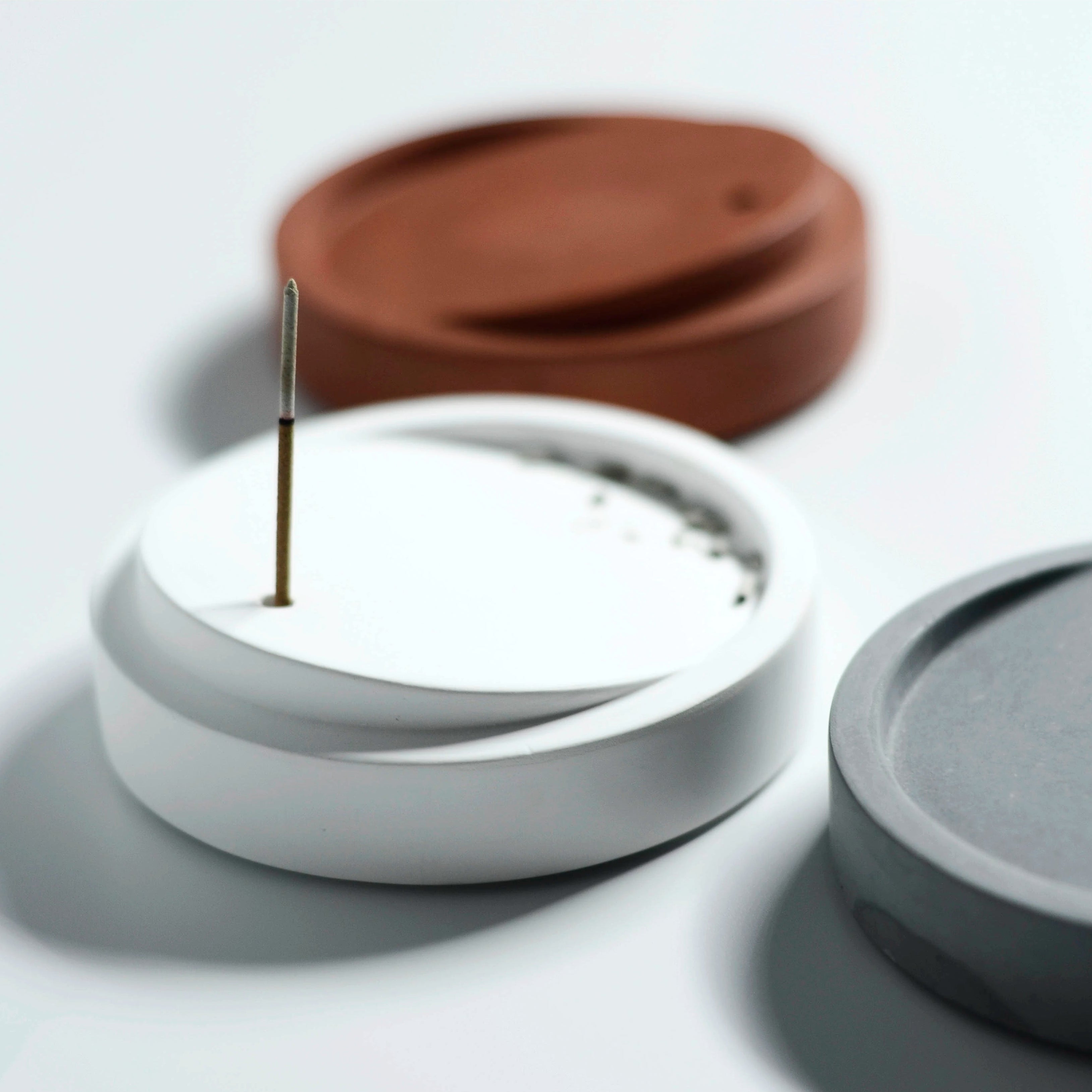
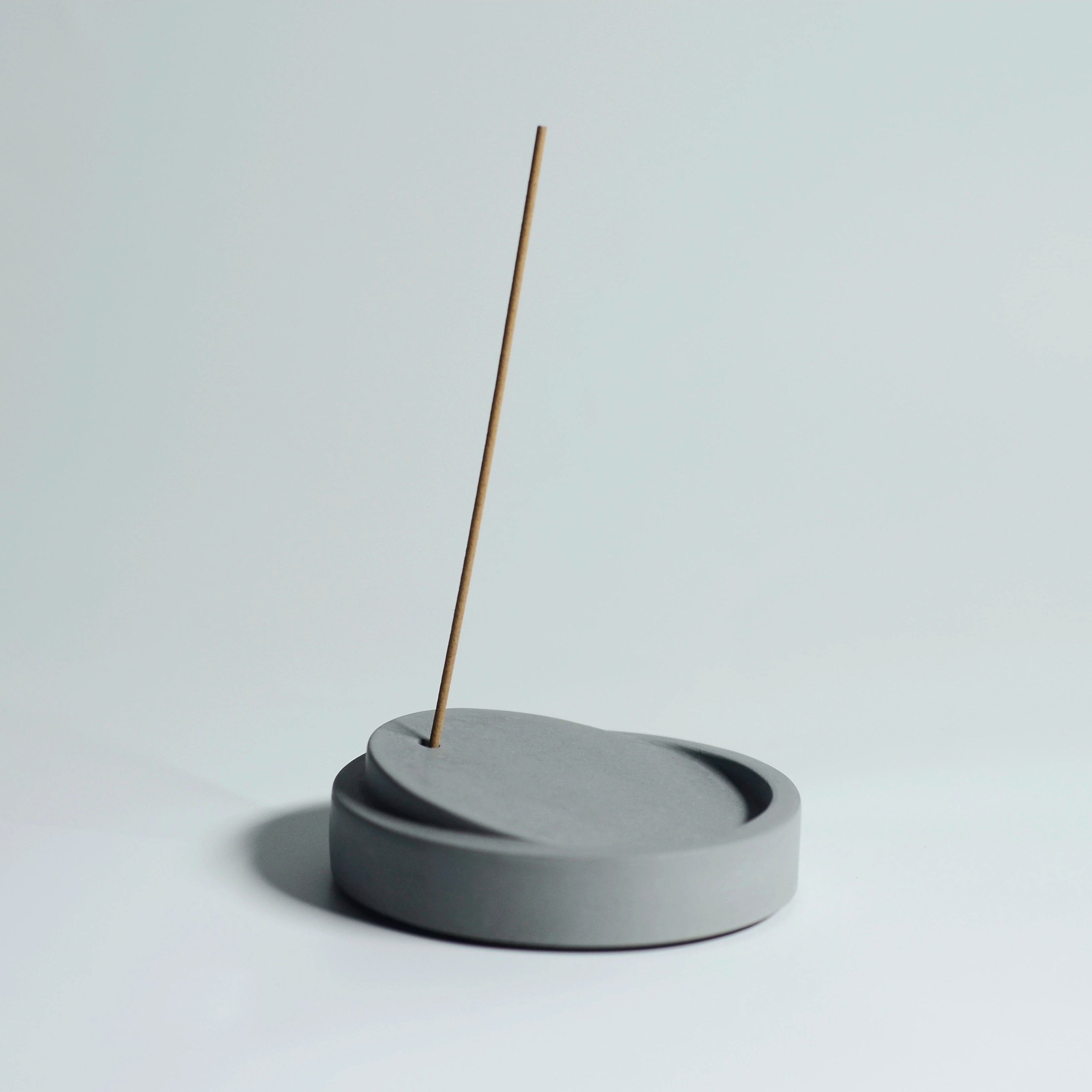
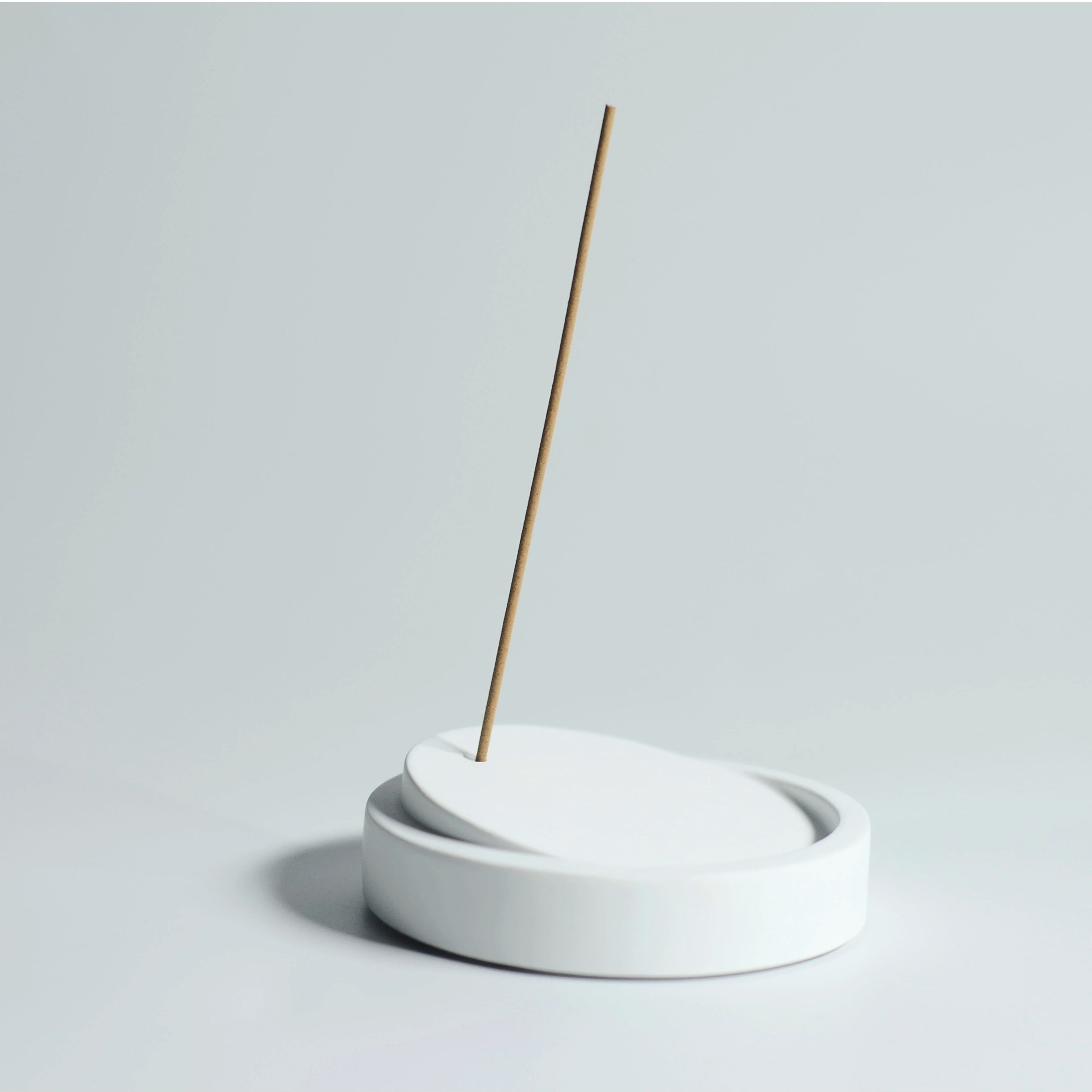
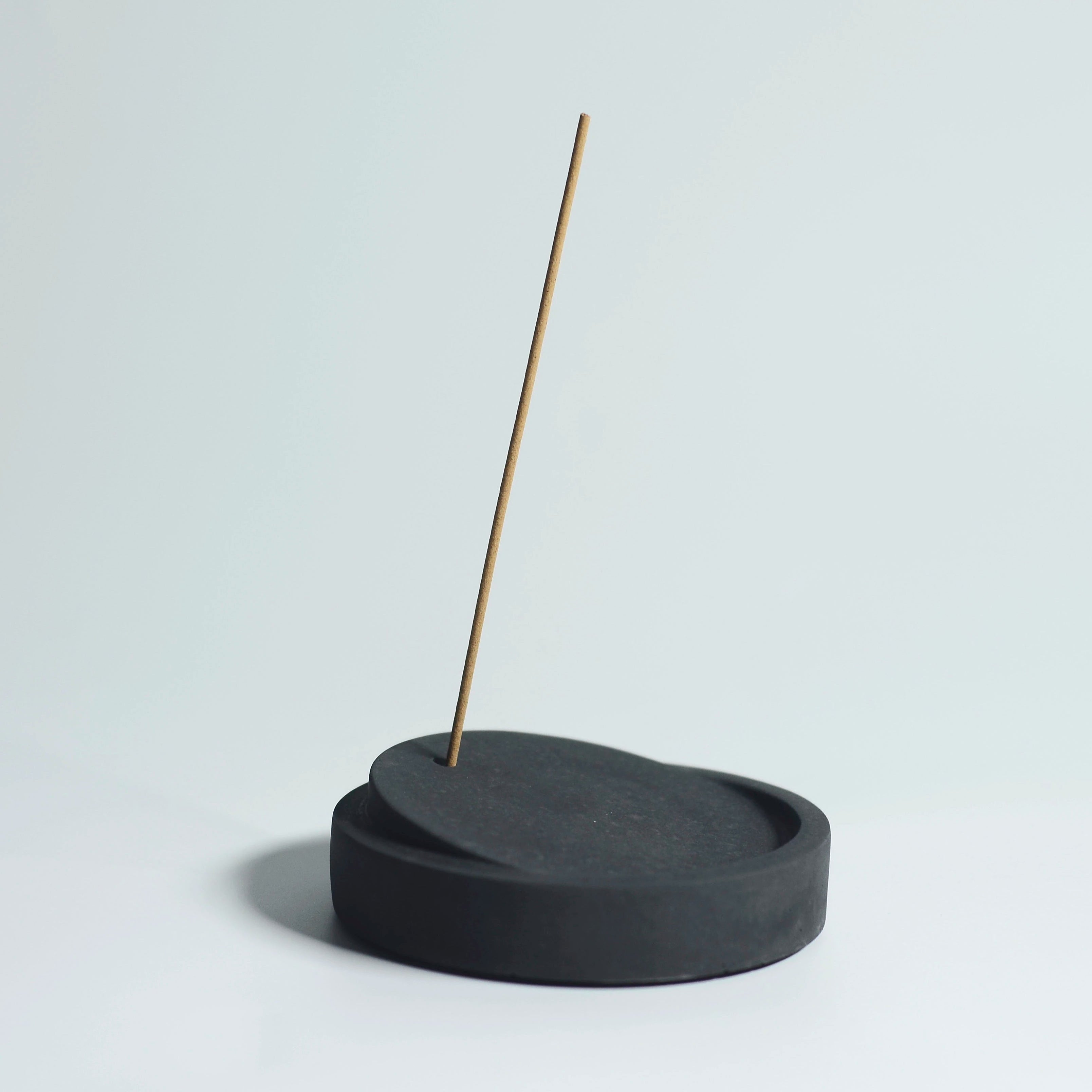
- Place your incense holder on a high shelf or surface the cat cannot reach
Some cat owners find that switching from mass-market incense to artisan, natural-ingredient incense reduces visible reactions like sneezing or watery eyes. While this is anecdotal, it aligns with what we know about synthetic fragrance compounds as respiratory irritants.
Is Incense Safe for Dogs? What Dog Owners Should Know
Dogs tolerate incense smoke better than cats in most cases, but "better" doesn't mean "without concern." The same ventilation and ingredient-quality principles apply — just with slightly more margin.
Breed-specific considerations:
- Brachycephalic breeds (pugs, French bulldogs, Boston terriers, bulldogs) face higher risk due to shortened airways. Many veterinarians recommend avoiding smoke exposure entirely for these breeds.
- Small breeds (Chihuahuas, Yorkshire terriers, toy poodles) have proportionally smaller lungs, so the same smoke concentration represents a higher relative dose.
- Large breeds generally handle moderate incense use well, provided the room is ventilated and the dog can move to another area.
Behavioral cues matter. Dogs are more likely than cats to clearly signal discomfort. Watch for:
- Sneezing or coughing during or after incense burning
- Leaving the room when incense is lit (your dog is telling you something)
- Excessive panting not related to heat or exercise
- Watery eyes or nasal discharge
- Restlessness or pacing — signs the sensory environment is overstimulating
If you notice any of these signs, stop burning and ventilate the space. If symptoms persist after the smoke clears, contact your veterinarian.
The Ingredients That Matter Most
Not all incense is the same. The safety gap between a stick made from ground sandalwood and plant-based binder versus one made from synthetic fragrance oils, charcoal powder, and chemical accelerants is significant — for you and your pets.
What to avoid:
- Synthetic fragrances: Lab-created scent compounds often contain phthalates and other chemical carriers that volatilize when burned. These are established respiratory irritants.
- Charcoal-based incense: Quick-lighting charcoal discs and charcoal-heavy sticks produce substantially more particulate matter than plant-based alternatives.
- "Fragrance" as an ingredient: On ingredient lists, the word "fragrance" or "parfum" typically indicates a proprietary blend of synthetic compounds — you can't verify what you're actually burning.
- Bamboo-core sticks with heavy paste: Many inexpensive incense sticks use a bamboo core coated in thick paste that may contain fillers, sawdust, and synthetic binders. The bamboo itself adds to particulate output.
What to look for:
- Transparent ingredient lists naming specific plant materials (sandalwood, agarwood, benzoin, makko powder)
- Handcrafted production methods — artisan incense tends to use fewer processed additives
- Products with independent testing certifications, such as SGS certification
- Low-smoke formulations — less visible smoke generally means lower particulate output
Our Dongzhi Tranquil Harmony Incense Set is a good reference point for what this looks like in practice. The Dongzhi line is SGS-certified, made from natural ingredients, and produces a low, clean smoke output — characteristics that matter when you're mindful of air quality around animals. If you're just starting to explore natural options, the set's range of scents gives you a way to find what works in your home without committing to a single profile.
For a more detailed comparison of natural versus synthetic incense ingredients, our complete guide to types of incense breaks down the manufacturing differences across formats. You can also browse the full incense collection to compare ingredient lists and find options that suit a pet-friendly household.
Your Pet-Safe Incense Checklist
A practical set of guidelines you can use every time you light a stick.
Before you burn:
- Open at least one window in the room where you'll burn incense, or run an exhaust fan
- Make sure your pet has access to another room — never burn in a closed space with a pet present
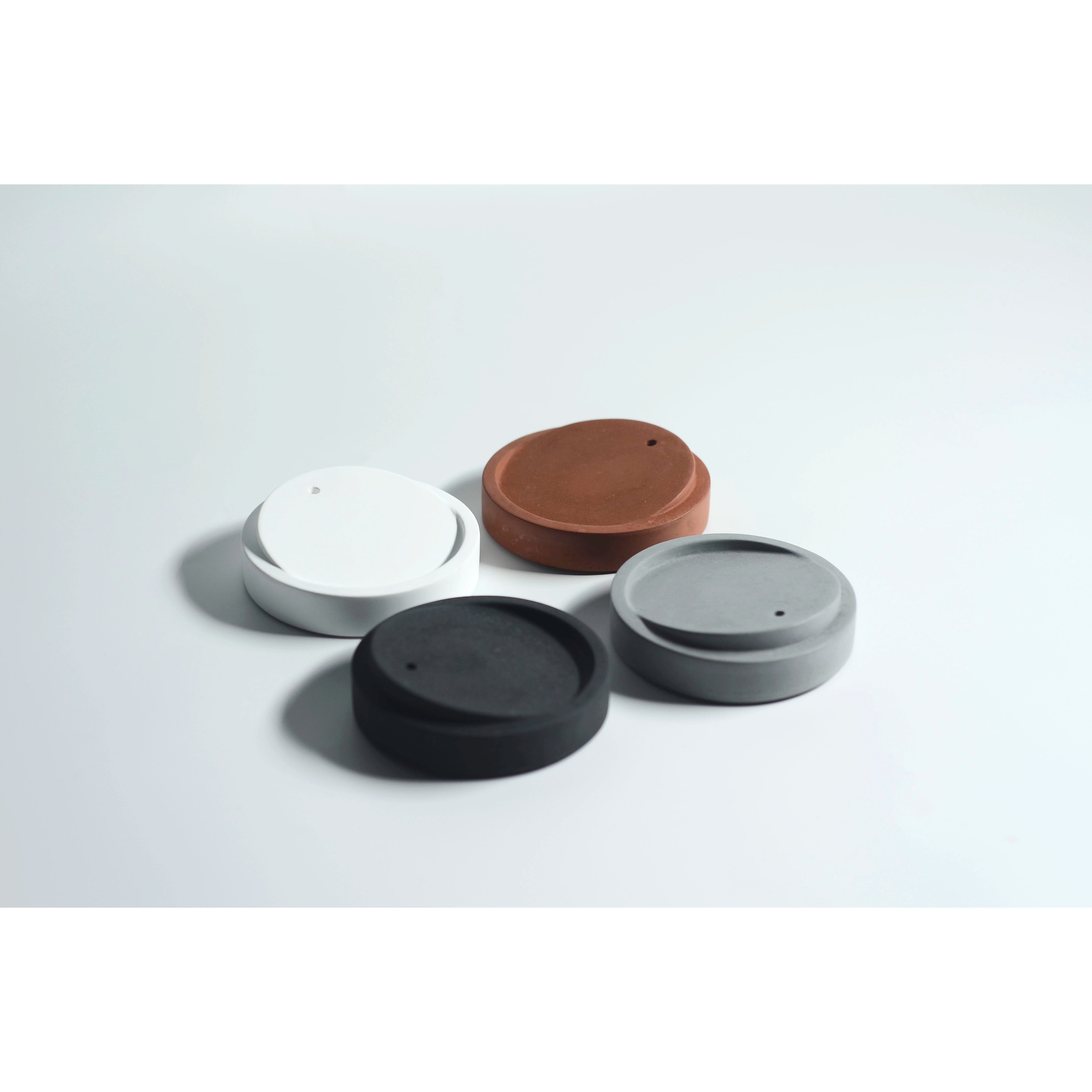
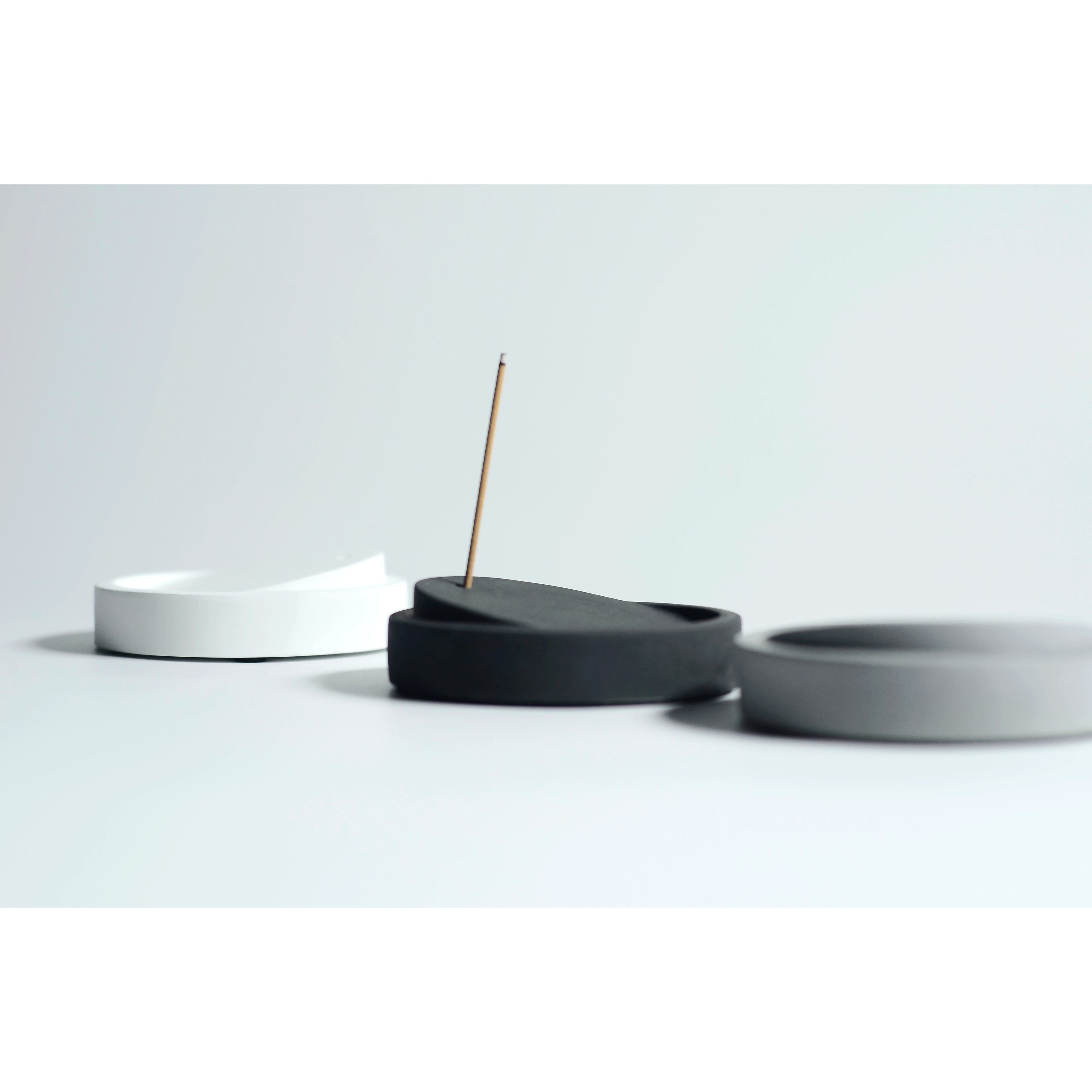
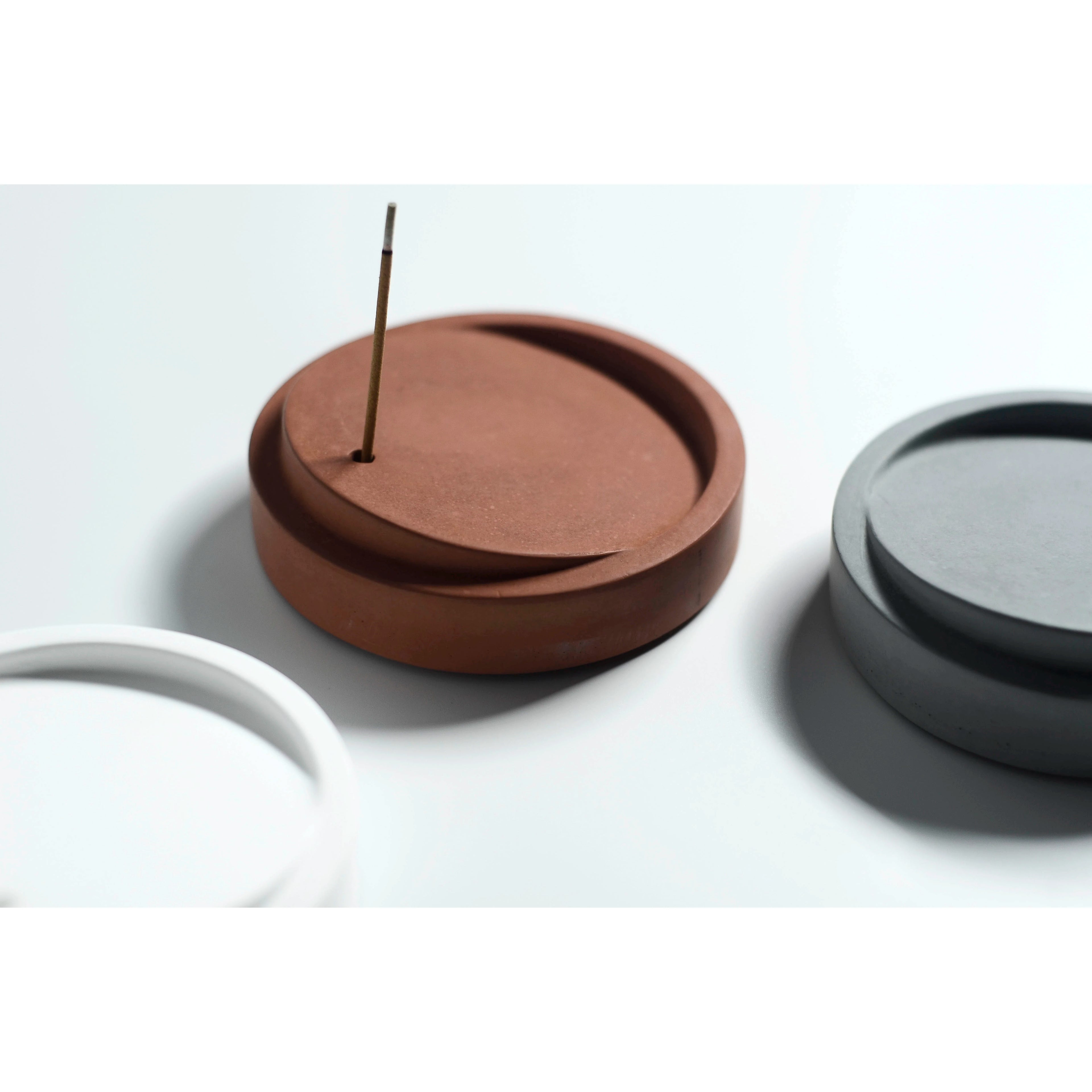
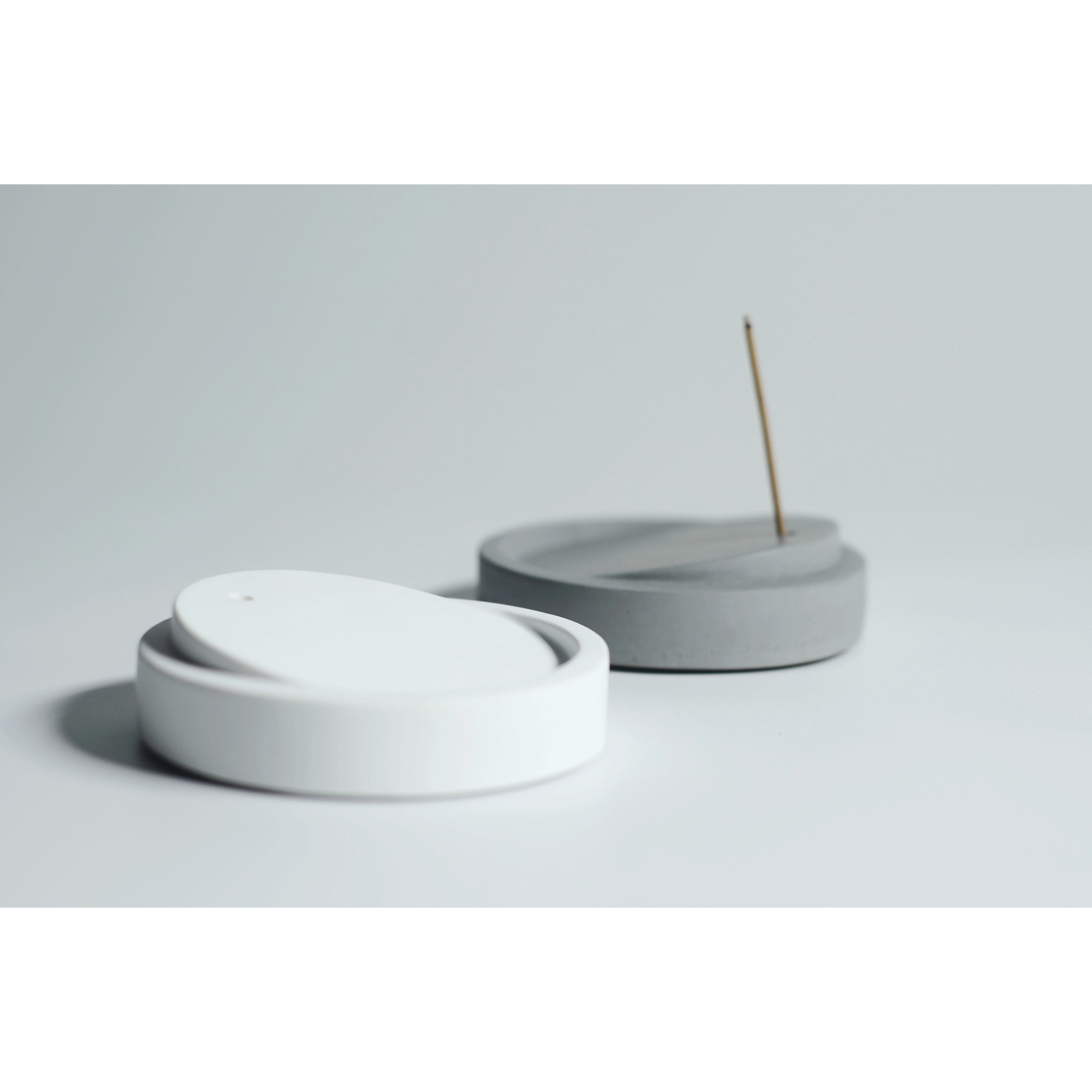
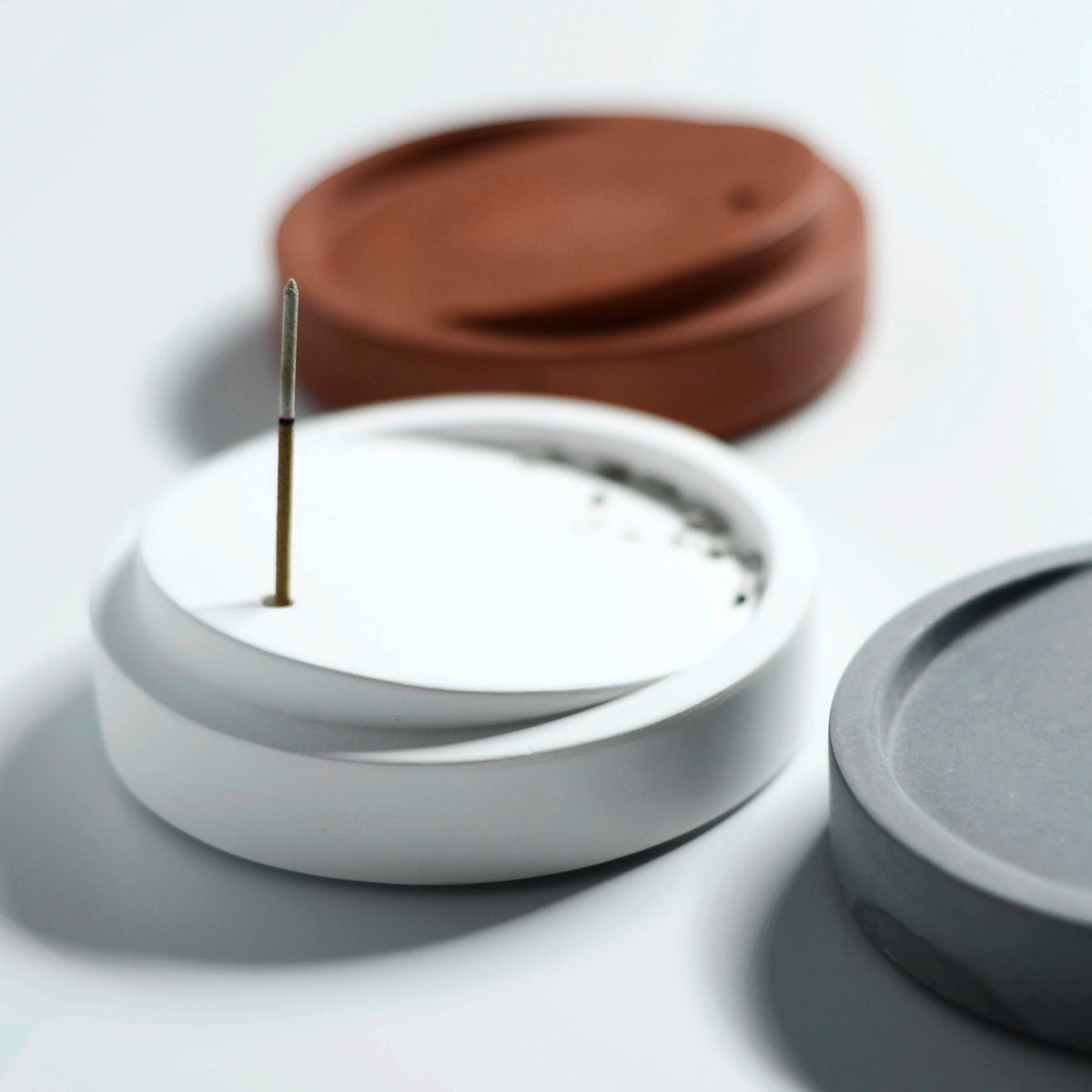
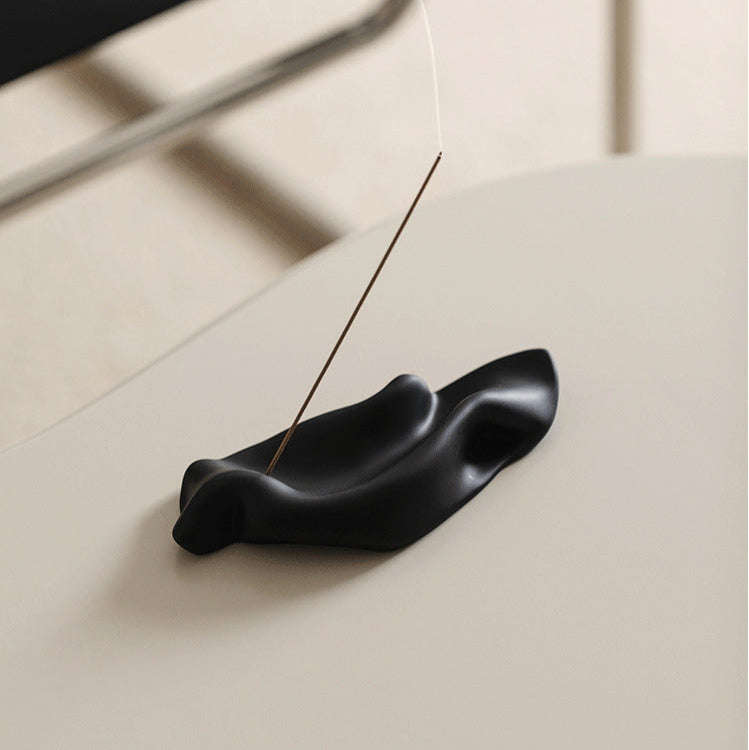
- Place the incense holder on a stable, elevated surface out of your pet's reach (this protects them from both smoke concentration and burn risk)
- Check that the incense is natural-ingredient — read the label rather than assuming
- If you have a brachycephalic dog, a cat with asthma, or any pet with known respiratory issues, consider burning incense only when the pet is in a separate, well-ventilated area of the home
While burning:
- Limit sessions to 15–20 minutes — one stick, not multiple simultaneously
- Observe your pet's behavior from a distance. If they leave the room, respect the signal
- Keep the burning incense at least 6–8 feet from where your pet typically rests or sleeps
- If you notice coughing, sneezing, or visible discomfort from your pet, extinguish the incense immediately and ventilate
After burning:
- Allow 10–15 minutes of continued ventilation before letting your pet back into the room
- Clean the holder and surrounding surface to remove settled ash — this prevents ingestion through grooming or licking
- Wash any fabric (blankets, cushions) near the burning area periodically, as particulates accumulate on textiles over time
Creating a Pet-Friendly Incense Practice
Enjoying incense and keeping your pets safe aren't mutually exclusive — they just require some intentional choices about what you burn, where you burn it, and how long you burn it for.
Several approaches work well for pet-owning households:
Designate an incense room. Choose one room with good ventilation where you burn incense. Keep the door open so pets can come and go freely, but burn in a corner or on a high shelf where smoke disperses before reaching pet-level air. Many pet owners find that a home office or a room that naturally has airflow (near a window, for example) works best.
Time your sessions. Burn incense during a time when your pet is in another part of the house or outdoors. Even a 20-minute window while your dog is in the yard or your cat is napping in a sunbeam elsewhere gives you the full experience without concurrent exposure.
Choose low-smoke, natural incense. The Fuji Artisan Soothing Incense is handcrafted from natural ingredients using traditional methods. Its smoke output is notably clean — thin and light rather than thick and billowing — which makes it a practical choice for households where you're managing air quality considerations. The Fuji Night Rain Incense follows the same production approach with a subtler, rain-evocative scent profile that many pet owners prefer precisely because it doesn't overwhelm a shared space.
Consider alternatives for high-risk pets. If you have a cat with asthma, a brachycephalic dog, or a very young or elderly pet, you may want to limit incense burning to times when the pet is not in the home, or explore non-combustion alternatives like passive reed diffusers or gently warmed essential oil blends (with the caveat that many essential oils are also toxic to cats — always check with your veterinarian first).
Many pet owners gravitate toward calming, understated scent profiles — sandalwood, light agarwood, or rain-inspired blends — that create a gentle atmosphere without dominating a pet-sensitive space. Our guide to the best incense for relaxation covers which scent profiles work well for unwinding without overwhelming a shared room.
For guidance on how to get the most from natural incense — including burn technique and holder placement — our beginner's guide to using incense sticks covers the fundamentals.
When to Call Your Veterinarian
Most mild reactions to incense smoke — an occasional sneeze, briefly watery eyes — resolve on their own once the pet is in fresh air. But some situations warrant a veterinary call:
- Persistent coughing or wheezing that continues more than an hour after the incense has been extinguished and the room ventilated
- Labored breathing, open-mouth breathing (especially in cats — this is always an emergency sign), or visible effort when breathing
- Lethargy, disorientation, or loss of appetite following smoke exposure
- Vomiting (particularly relevant for cats that may have groomed settled particulate from their coat)
- Any reaction in a pet with a known respiratory diagnosis like feline asthma, kennel cough, or tracheal collapse
This article is for informational purposes only and is not a substitute for professional veterinary advice. Consult your veterinarian for specific health concerns about your pets.
Frequently Asked Questions
Can incense smoke kill a cat or dog?
Under normal household use — one stick, ventilated room, reasonable duration — incense smoke is very unlikely to be fatal to a healthy cat or dog. The real risk is cumulative respiratory irritation from frequent, poorly ventilated exposure, or acute reactions in pets with pre-existing conditions. If your pet shows signs of respiratory distress after any smoke exposure, contact your veterinarian immediately.
Is natural incense safer for pets than synthetic incense?
Generally, yes. Natural incense made from plant materials (wood powders, resins, plant-based binders) produces fewer synthetic volatile compounds when burned. Synthetic incense often contains artificial fragrances, chemical binders, and sometimes charcoal or accelerant compounds that increase both particulate output and the range of combustion byproducts. However, "natural" doesn't mean "zero risk" — any burning organic material produces particulate matter and carbon monoxide, so ventilation and moderation remain important regardless of the incense type.
Can I burn incense in the same room as my cat if the window is open?
With good ventilation and a natural, low-smoke incense, some cat owners do this without observable issues. That said, veterinarians generally recommend giving your cat the option to leave the room entirely. Cats are small, their respiratory systems are sensitive, and their ability to choose a less-irritating environment is one of the easiest safeguards you can offer. Place the incense well away from your cat's regular resting spots, keep sessions short, and watch for any behavioral changes.
Are incense holders a safety risk around pets?
They can be. The burning ember on an incense stick reaches temperatures hot enough to singe fur and burn skin. If a cat jumps onto a shelf where an incense holder sits, or a dog's tail sweeps through the smoke plume at close range, there's a real burn and knock-over risk. Sturdy, well-designed holders placed on stable, elevated surfaces — well away from pet pathways, jumping routes, and tail-wagging height — reduce this risk substantially. Never leave burning incense unattended with pets in the room.
What scents should I avoid if I have pets?
Independent of incense quality, certain aromatic compounds are known to be problematic for pets, particularly cats. These include tea tree (melaleuca), eucalyptus, citrus-derived oils (d-limonene), peppermint, and wintergreen. While these appear more often in essential oil diffusers than in traditional incense, some scented products incorporate them. Stick to simple, recognizable plant-based scent profiles — sandalwood, agarwood, and benzoin-based incense are traditional choices with long histories of use. As a general guideline, if you can't identify every ingredient on the label, it's worth choosing something more transparent.
Burning incense and caring for pets don't have to be competing priorities. The same attentiveness that makes you a good pet owner — noticing when something in the environment isn't working, adjusting based on what you observe — is exactly what makes for a thoughtful incense practice. Choose natural materials, keep the air moving, give your animals the freedom to leave the room, and pay attention to what they tell you. The ritual should make the house feel better for everyone in it.
Disclaimer: This article is for informational purposes only and is not a substitute for professional veterinary advice. Always consult your veterinarian for specific health concerns about your pets, especially if your animal has a pre-existing respiratory condition or known sensitivities.