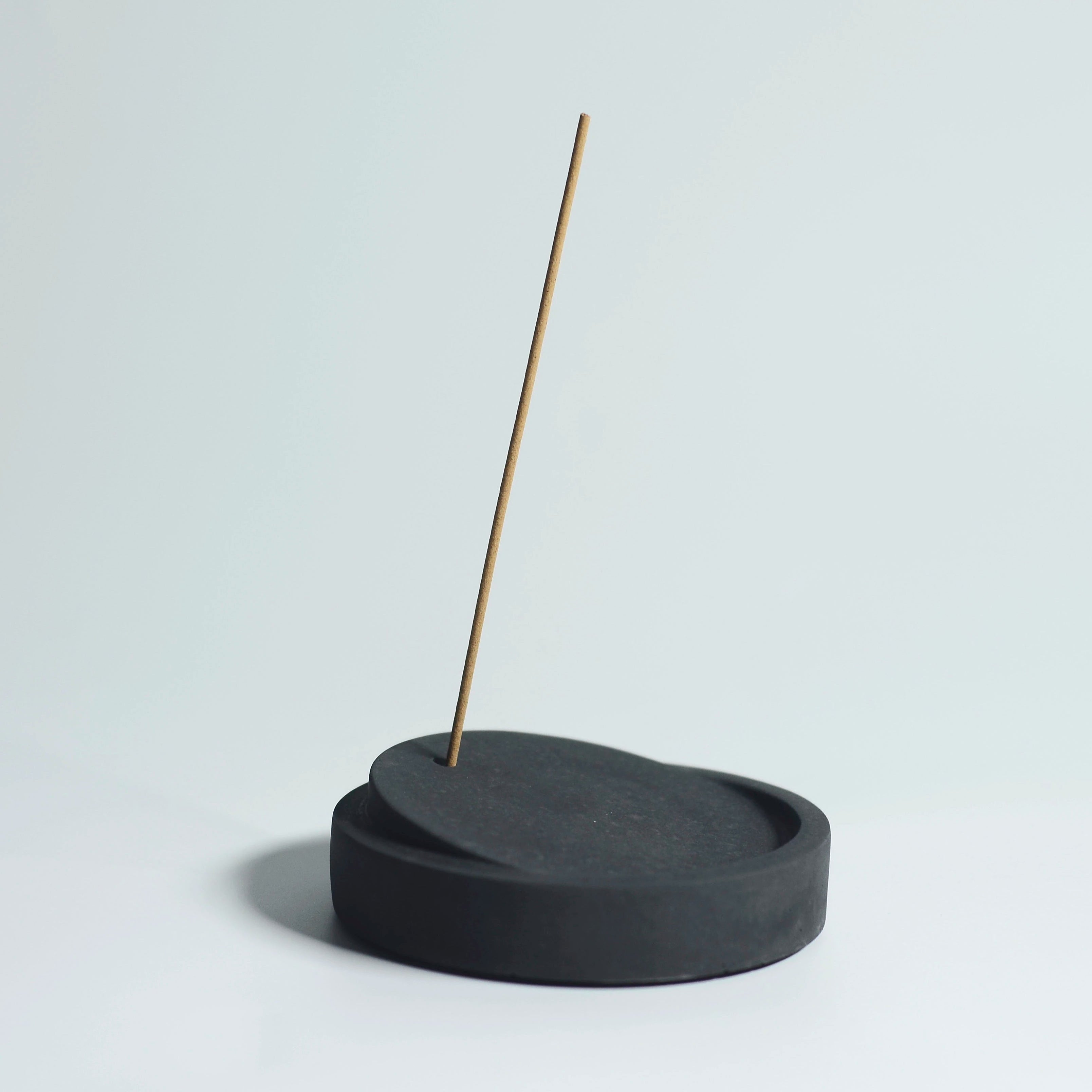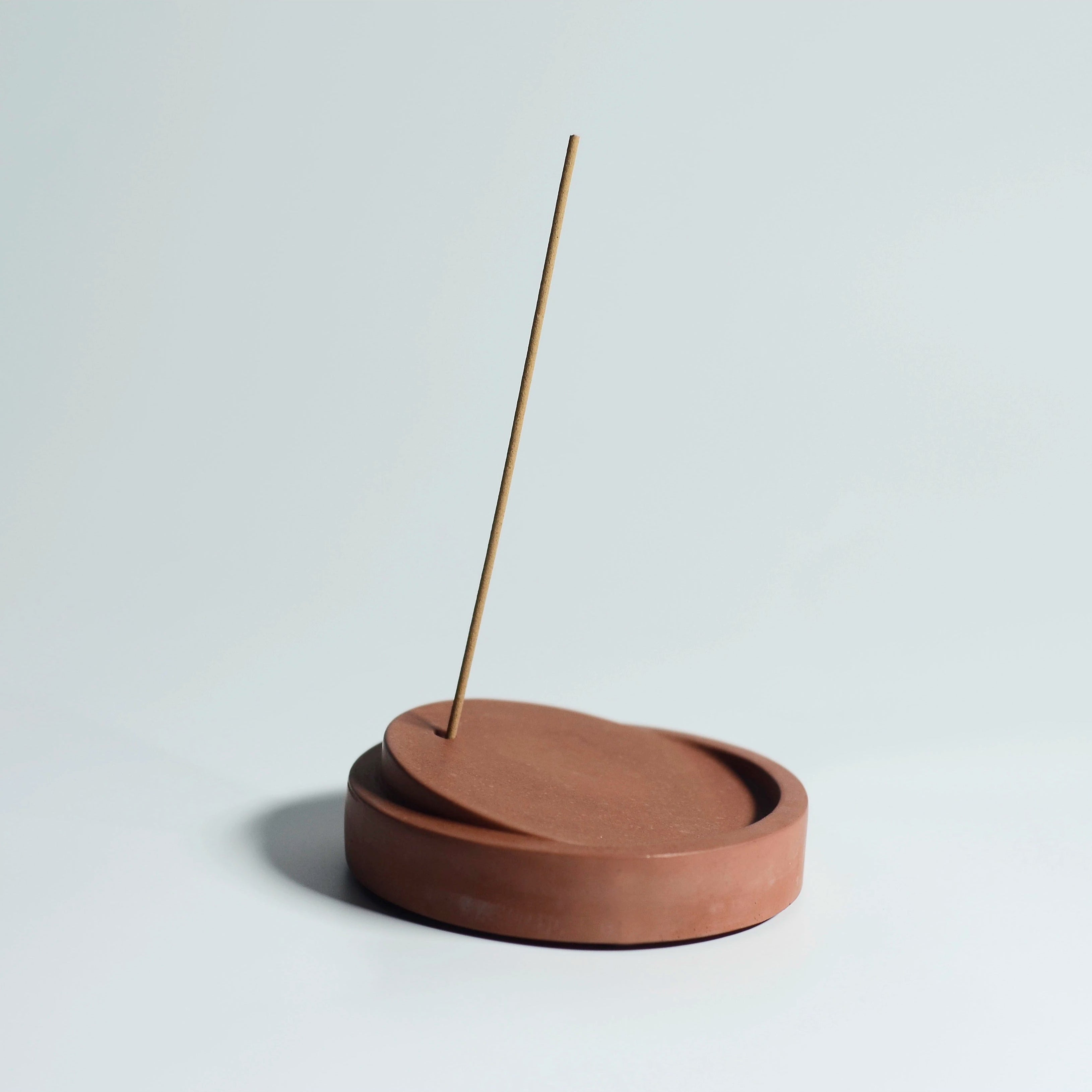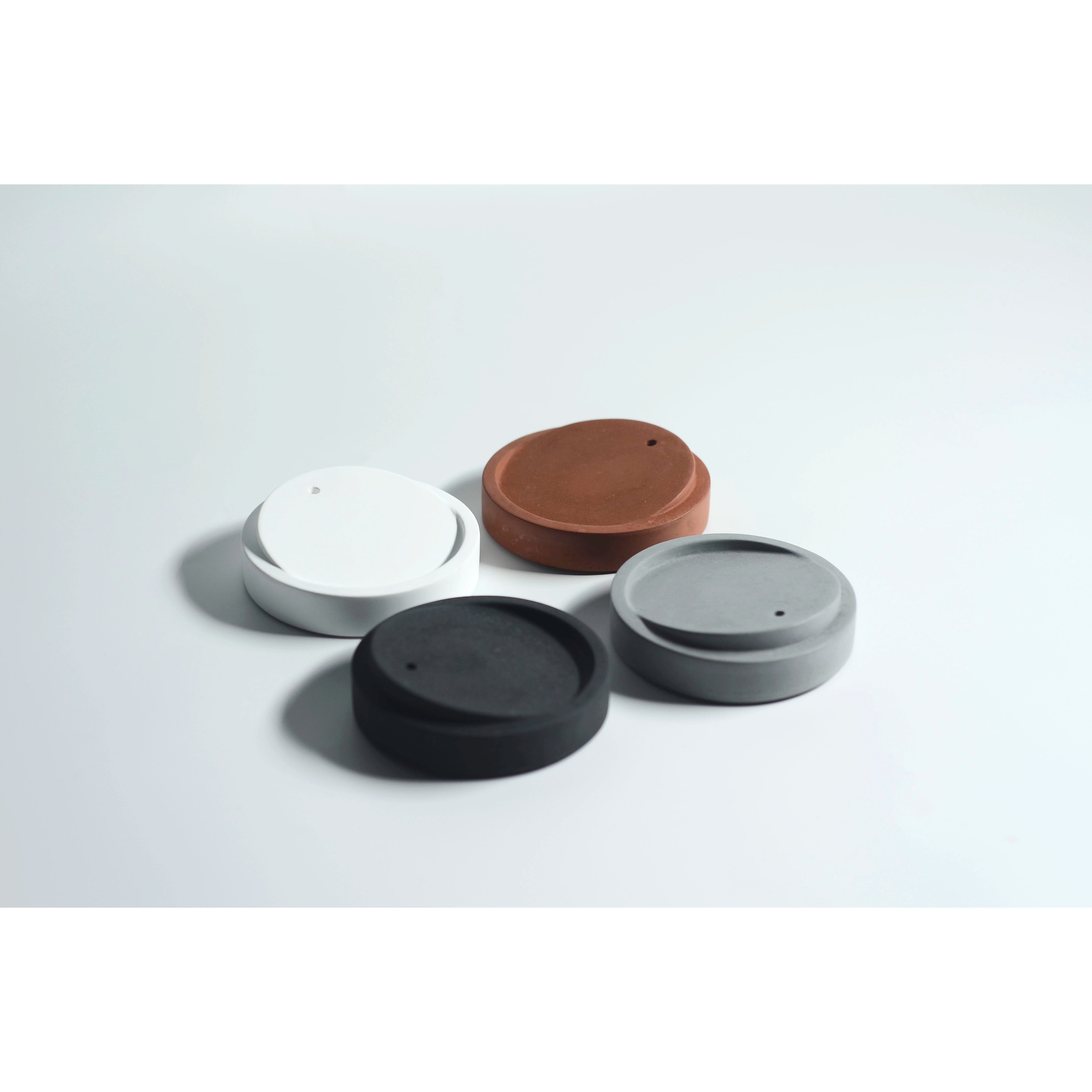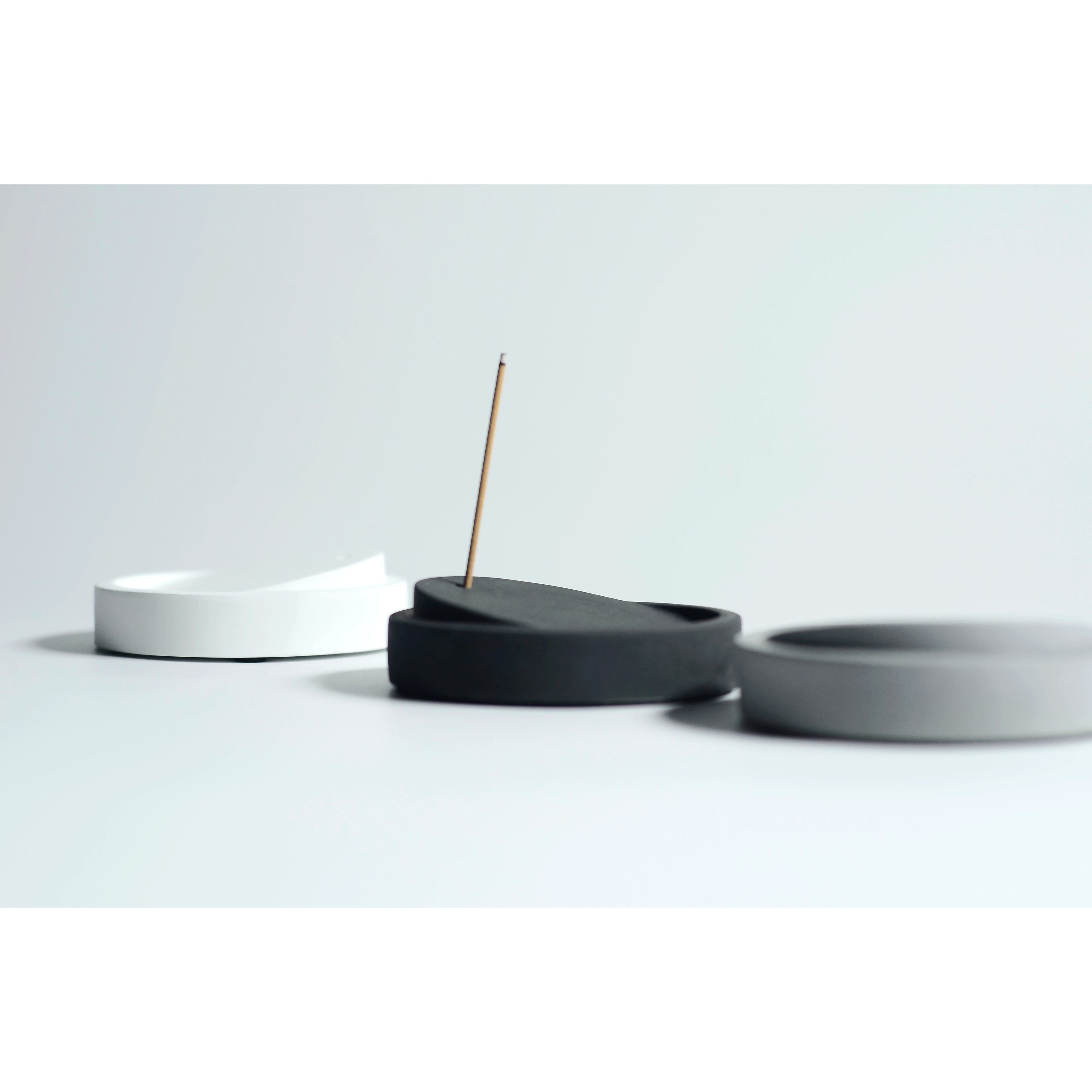
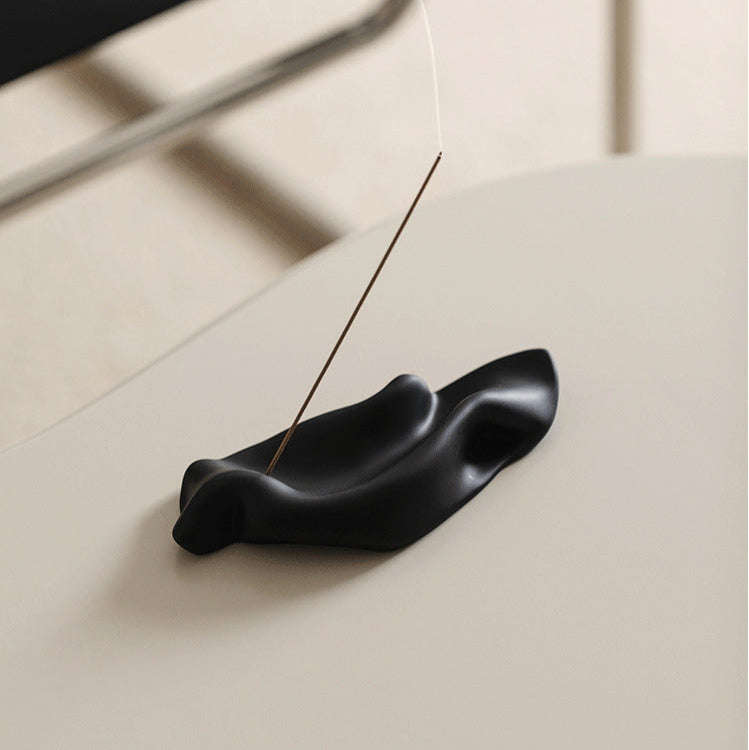

The first time I burned agarwood and sandalwood side by side, I expected nuance. What I got was contrast so sharp it felt like two completely different categories of experience. The sandalwood filled the room within minutes, warm, round, immediately familiar, the way a favourite sweater feels the first time you put it on each autumn. The agarwood took longer. It crept in. First something sweet I couldn't quite place, then a deeper woodiness, and then, twenty minutes in, a cool, almost medicinal note that hadn't been there before and wouldn't be there by the time the stick burned out.
That session taught me something I've come back to repeatedly: comparing agarwood and sandalwood isn't about ranking them. It's about understanding that they do fundamentally different things. One is a journey. The other is a companion. Which one you reach for depends on what you want the incense to do, not for your mood or your mind, but for the room, the air, the moment.
If you're new to either material, I'd suggest starting with our complete agarwood guide for a deeper dive into eaglewood specifically. For sandalwood, the sandalwood incense collection is the best place to browse what's available. This article focuses on the comparison, how they differ, what you'll notice when you burn them, and how to decide which belongs on your shelf.
What Is Agarwood? Infection, Resin, and Rarity
Agarwood, also called oud, eaglewood, agalloch, jinkō (沈香), or chenxiang (沉香), is not a tree species. It is a condition. When trees of the genus Aquilaria sustain injury, a lightning strike, boring insects, fungal invasion, they defend themselves by producing a dark, aromatic resin called oleoresin. Over years or decades, this resin saturates the heartwood, transforming pale, nearly scentless timber into one of the most valuable natural materials on Earth.
Only about 7-10% of wild Aquilaria trees ever produce resin. That scarcity is the foundation of agarwood's price.
Where Agarwood Comes From
The three most commercially significant species grow across Southeast Asia and southern China:
- Aquilaria crassna, Vietnam, Cambodia, Laos, Thailand. The source of the most prized grades, including Kyara, which commands prices in the thousands of dollars per gram among Japanese kōdō collectors. Vietnamese agarwood tends toward sweet, complex profiles with noticeable fruit notes.
- Aquilaria malaccensis, Malaysia, Indonesia, and the Assam region of northeastern India. Generally warmer and more honeyed than Vietnamese material. Assam agarwood has a particularly rich, almost tobacco-like depth prized in both Indian attar traditions and Middle Eastern oud oils.
- Aquilaria sinensis, Southern China, particularly Hainan Island. Chinese chenxiang is often drier, more medicinal, and sometimes camphorous. Plantation cultivation in Hainan and Guangdong has expanded significantly in the last two decades, making Chinese agarwood more accessible than wild-harvested Southeast Asian material.
Why Agarwood Costs What It Costs
Beyond the low natural occurrence rate, agarwood's price is driven by resin density. Low-grade wood may contain under 10% resin by weight. High-grade material can exceed 40%, and Kyara-grade pieces can approach 60%. Resin-dense wood is heavier, darker, and produces a more complex scent when heated or burned.
All Aquilaria species are listed under CITES Appendix II, meaning international trade requires permits verifying sustainable or legal sourcing. Plantation-cultivated agarwood, where trees are deliberately inoculated with fungal cultures and harvested on controlled timelines, now supplies the majority of legal-market material. Wild-harvested agarwood with proper documentation remains available but is increasingly restricted.
If you want to understand agarwood grading in detail, the agarwood guide covers the sink test, regional grading tiers, and how to spot synthetic imitations.
What Is Sandalwood? Patience, Oil, and Geography
If agarwood is born from trauma, sandalwood is a slow accumulation. Santalum trees produce aromatic heartwood naturally, no infection, no wounding, over decades of steady growth. The scent comes from essential oils concentrated in the heartwood and roots, primarily the sesquiterpene alcohols α-santalol and β-santalol, which create sandalwood's signature creamy, warm depth.
Sandalwood trees are hemiparasites: they photosynthesize through their own leaves but draw water and nutrients from the roots of neighbouring plants. This means successful cultivation requires mixed-species ecosystems, not monoculture plantations, which partly explains why quality sandalwood remains limited even with active farming.
Indian Sandalwood (Santalum album)
Mysore sandalwood, from the forests and plantations of Karnataka and Tamil Nadu in southern India, is the standard against which all other sandalwood is measured. Mature heartwood from trees aged 30 years or more carries 4-6% essential oil, rich, creamy, slightly spicy, and deeply consistent. The scent is warm without being sweet, woody without being dry.
Centuries of overharvesting pushed wild S. album populations to the brink; the species is now classified as Vulnerable on the IUCN Red List. The Indian government tightly regulates harvest and export, and most commercial Mysore sandalwood today comes from government-controlled plantations rather than wild stands.
Australian Sandalwood (Santalum spicatum)
Western Australia's sandalwood industry dates to the 1840s and operates under government quotas, mandatory replanting, and Indigenous co-management programs. S. spicatum heartwood carries less oil than Mysore (typically 2-3%) and produces a drier, more earthy aroma, still unmistakably sandalwood, but leaner, less creamy, with a slightly sharper edge.
Australian sandalwood is also significantly more affordable, which makes it a common base for everyday incense sticks. When a product is labelled simply "sandalwood" without a species or region, it's often S. spicatum.
What "Aged" Sandalwood Means
The term "aged sandalwood" or "lao shan tan" (老山檀) refers to mature heartwood from older trees, usually 50+ years, harvested and then further dried or seasoned. Aging deepens the oil concentration and rounds off any green or sharp notes, producing the richest sandalwood experience available. If you've only burned standard sandalwood sticks, aged material is a different tier entirely.
Scent Comparison: Side by Side, Detail by Detail
Here is how I experience the two materials in direct comparison, same room, same holder, similar stick dimensions, lit within an hour of each other.
Agarwood: An Unfolding
Agarwood does not give you everything at once. It reveals itself across a burn.
- First 5 minutes: Sweetness. Sometimes honeyed, sometimes almost fruity, Vietnamese agarwood has a berry-like lift that surprises people expecting pure wood. Cambodian material tends more toward dried fruit. Malaysian agarwood opens warmer, with caramel notes.
- 10-25 minutes in: The wood asserts itself. Rich, balsamic depth. This is the core of the experience, what people mean when they describe agarwood as "medicinal" or "ancient." It is not sharp like eucalyptus; it is deep and dark, like walking into a room panelled with old timber.
- 25 minutes to end: The base notes come forward, earthy, musky, sometimes almost animalic. This is where agarwood most clearly separates from every other incense material. The after-scent lingers for hours, subtle but unmistakable. It stains the air without filling it.
I find that different origins lean in different directions. Vietnamese (especially Kyara) is the most complex, it pivots through sweetness, coolness, and depth in ways that feel almost deliberate. Cambodian agarwood is drier and more austere. Malaysian and Indonesian agarwood is warmer, heavier, more immediately woody. Chinese plantation agarwood is the most accessible: recognizably agarwood but less layered, a good starting point.
Sandalwood: A Steady Presence
Sandalwood is the opposite of agarwood in almost every way. It does not evolve across a burn, it simply is, consistently, from the moment you light it to the moment the ash drops.
- Primary impression: Creamy, warm, milky sweetness with soft wood underneath. If you close your eyes, it feels round, there are no sharp edges in sandalwood smoke.
- Mysore vs. Australian: Mysore is noticeably richer. The creaminess is deeper, with a slight spiciness reminiscent of warm butter or sandalwood paste used in temple rituals. Australian is earthier, drier, and has a faint green note, pleasant, but less luxurious. Side by side, the difference is stark.
- Aged sandalwood (lao shan tan): This is where sandalwood shows its depth. Aged material loses any residual sharpness and develops a smooth, almost glossy quality to the scent, still consistent, but heavier, more present. It is the closest sandalwood gets to complexity without losing what makes it sandalwood.
If agarwood demands your attention, sandalwood supports whatever you're already doing. That's not a judgement, it's why sandalwood appears in so many different cultural contexts worldwide. It works with the room rather than transforming it.
Burn Characteristics: Smoke, Duration, and Ash
The difference in how these materials burn comes down to resin content and wood density.
Smoke quality: Agarwood produces a thinner, drier smoke. It's almost delicate, the scent diffuses but never feels heavy. Sandalwood smoke is creamier and more visible, filling a room more quickly and noticeably. If you're burning in a smaller space, sandalwood announces itself faster; agarwood takes longer to register but lingers longer after the stick is done.
Burn time: A standard handcrafted agarwood stick (~21 cm, typical Dongzhi dimensions) burns for roughly 45-60 minutes. A comparable sandalwood stick burns for about 35-50 minutes. The difference is resin density: more resin means slower combustion. Aged sandalwood, with higher oil concentration, burns closer to the agarwood range.
Ash: Agarwood ash tends to be darker, grey to charcoal, and holds its shape well, sometimes curling rather than crumbling. Sandalwood ash is paler, grey-white, and typically softer. Neither is "better"; the ash colour simply reflects the different wood compositions. A clean, even burn with intact ash that doesn't scatter is a sign of quality craftsmanship regardless of material.
After-scent: This is where agarwood most clearly distinguishes itself. A room where agarwood has burned retains a subtle, woody presence for hours, sometimes into the next day. Sandalwood's after-scent is softer and fades sooner, though Mysore sandalwood in particular can leave a faint creamy trace for several hours. If you care about the lingering atmosphere more than the active burn, agarwood is the stronger choice.
Cost Comparison: What You're Paying For
The price gap between agarwood and sandalwood is not small. Here is a grounded look at what drives it, using current market ranges for incense-grade material rather than collector-chip pricing.
| Material | Grade | Approx. Price per Gram (Raw Wood) | Approx. Price per Stick (Handcrafted) |
|---|---|---|---|
| Agarwood | Cultivated (standard) | $5-$20 | $1.50-$4.00 |
| Agarwood | Wild (mid-grade) | $30-$100 | $5.00-$15.00 |
| Agarwood | Kyara / Premium | $500-$5,000+ | $20.00-$100.00+ |
| Sandalwood | Australian (S. spicatum) | $1-$3 | $0.50-$1.50 |
| Sandalwood | Mysore (S. album) | $5-$15 | $2.00-$5.00 |
| Sandalwood | Aged / Lao Shan Tan | $15-$40 | $4.00-$8.00 |
These are approximate, stick pricing depends heavily on the binder-to-wood ratio, brand markup, and whether the stick uses pure wood powder, blended material, or essential oils. A stick labelled "agarwood" that sells for $0.50 is almost certainly synthetic fragrance oil on a generic wood-powder base.
The key takeaway: premium sandalwood (Mysore, aged) overlaps with entry-level to mid-grade agarwood in price. But high-grade agarwood operates in a completely different tier, and the scarcity of the raw material means that gap is unlikely to close.
MUSO Collection Products: What Uses Which Material
Here is where each material shows up in MUSO's current incense lineup, with my honest take on what each stick delivers.
Agarwood Products
Dongzhi Agalloch Eaglewood Incense Sticks, these are the most accessible way into genuine agarwood. Dongzhi uses cultivated agarwood, which keeps the price reasonable while still delivering the characteristic sweet-to-deep progression I described above. The scent is unmistakably agarwood: it opens sweet, deepens into woody richness, and leaves a subtle, lingering presence. If you've never burned agarwood before, start here, it is representative without being overwhelming.
Fuji Artisan Soothing Incense, This stick combines agarwood with other natural materials (including sandalwood and benzoin) for a blended experience. The agarwood is present but softened, less demanding, more approachable. If pure agarwood feels too intense, this blend offers a gentler introduction.
Sandalwood Products
Fuji Mysore Sandalwood Handcrafted Incense, Authentic Mysore sandalwood in stick form. This is what I'd recommend for anyone who wants to understand what makes Indian sandalwood the reference standard: creamy, consistent, warm. It burns cleanly and fills a room without overwhelming it. For daily use, this is hard to beat. Browse the full sandalwood incense collection for other sandalwood options.
Dongzhi Aged Sandalwood (Lao Shan Tan) Incense Set, If Fuji Mysore is your everyday sandalwood, this is your occasion sandalwood. The aging deepens everything: the creaminess is heavier, the woodiness more grounded, and there's a faint spiciness that standard sandalwood doesn't reach. I burn this when I want sandalwood to feel special.
Try Both
Dongzhi Tranquil Harmony 8-Scent Sampling Set, If you're reading this because you genuinely can't decide (or because you've never burned either material), this is the answer. The set includes agarwood and sandalwood sticks alongside other Dongzhi scents, ambergris, coconut, pear, coffee latte, so you can compare directly without buying full boxes. It's the most practical way to develop your own preferences.
For a broader look at everything available, the all incense collection includes both materials across the Fuji and Dongzhi lines.
How to Choose: A Guide by Scent Preference (Not by Outcome)
I do not believe one material is "better" than the other in any objective sense. The choice comes down to what kind of scent experience you want in your space. Here is how I think about it.
Choose agarwood if you want a scent that changes. The draw of agarwood is its evolution, the way it opens one way and finishes another. If you enjoy paying attention to how a scent develops, if the idea of burning a stick and noticing something new each time appeals to you, agarwood is the material that rewards that attention. It suits people who want incense to be an active sensory experience rather than a background atmosphere.
Choose sandalwood if you want a scent that stays. Not "stays" as in lingers, "stays" as in remains consistent. Sandalwood is the incense equivalent of a well-made room: warm, comfortable, and you don't need to think about it. It suits people who want a steady, pleasant presence in their space without having to track how it's changing.
If you are new to premium incense, start with sandalwood. It is immediately likeable. There is no learning curve. You light it, it smells good, and it smells good the whole way through. Agarwood's complexity can be off-putting if you're not expecting it, the medicinal notes in particular take some getting used to. Sandalwood gives you a safe entry point, and from there you can explore.
If you already know you enjoy woody, complex scents, go straight to agarwood. If you wear oud-based fragrances, if you prefer peated whisky to blended, if you seek out challenging flavours, you are probably going to appreciate agarwood immediately. Skip the preamble and try a few different origins to see which profile you gravitate toward.
If you burn incense frequently, keep both. I do. Sandalwood for ordinary afternoons and background atmosphere; agarwood for evenings, for times when I want the incense to be an event rather than a backdrop. They complement each other precisely because they do not compete.
For a deeper look at how artisan incense is crafted, from raw wood selection through grinding, binding, and drying, read our article on how artisan incense is made. Understanding the production process adds another layer to appreciating what's in each stick.
Sustainability: What to Ask Before You Buy
Both materials face conservation pressure, and the ethical landscape is worth understanding before you commit to a purchase.
For agarwood, the key question is: plantation-cultivated or wild-harvested? Plantation material is more sustainable, more affordable, and supplies most of the legal market. Wild-harvested agarwood requires CITES documentation and is increasingly rare. If a seller cannot tell you the origin or cannot provide CITES paperwork for wild material, assume it is either plantation or unverifiable.
For sandalwood, the key question is: Mysore or Australian? Both are legal, but they carry different sustainability profiles. Mysore sandalwood comes from a Vulnerable species managed through government plantations; Australian sandalwood operates under quota-and-replant systems that are among the most regulated wild-harvest frameworks in the world. Neither is inherently more ethical, but the transparency matters.
MUSO Collection sources from suppliers with documented, legal supply chains. The Dongzhi line uses cultivated agarwood; the Fuji line specifies Mysore sandalwood origin. If sustainability is important to you, these are the details to ask about wherever you buy.
This article is for informational purposes about incense products and craftsmanship. MUSO Collection makes no claims about the health effects of its products.