
I started lighting incense before yoga almost by accident. A stick of sandalwood was still smoldering in my living room from earlier in the day when I unrolled my mat for an evening practice. The room already felt different — quieter, somehow, though the only thing that had changed was the air. I've lit incense before every practice since.
That's not a prescription. It's just what happened, and it's led me to try a lot of incense over the years. Some scents I keep coming back to. Others I tried once and set aside. Here's what I've settled on — the ones that feel right before I step onto the mat, organized by the kind of energy they bring to a room.
My Top Picks for Yoga Incense
Sandalwood — The Quiet Anchor
Profile: Warm, creamy, woody with a sweetness that sits low in the air rather than floating at the top. It doesn't announce itself so much as settle in.
Sandalwood is the scent I reach for most often, and I suspect most people who burn incense during yoga would say the same. There's something about it that fills a room without filling it — the presence is felt more than noticed, which is exactly what I want when I'm trying to pay attention to my breath rather than my surroundings.
I use it for slow, held practices — yin, restorative, anything where I'm on the floor for a while. It suits the pace. When I'm in a pose for three or four minutes, the scent is steady, consistent, unchanging. One less variable.
Between the two sandalwoods I keep on hand, the Fuji Mysore Sandalwood ($39) is richer and more resinous — it has weight. The Dongzhi Aged Sandalwood ($29) is smoother and mellower, almost creamy. I burn the Fuji when the practice feels serious and the Dongzhi when it feels gentle. Both burn clean, with very little smoke.
Cedar — For Morning Movement
Profile: Crisp, dry, forest-like. Sharp clean wood with a brightness that hits the nose immediately.
Cedar is the opposite of sandalwood in almost every way. Where sandalwood is warm, cedar is cool. Where sandalwood sinks, cedar rises. I didn't expect to like it for yoga — I associated it more with saunas and closets — but it's become my default for morning practice, especially vinyasa or any flow where I'm moving quickly and want the room to feel alert.
The Fuji Divine Cedar ($29) is the only cedar I burn. It's clean, natural, no synthetic sharpness. One stick fills a medium-sized room in about five minutes and burns for roughly 40 minutes — long enough for a full practice and savasana.
Ambergris — When I Want Less
Profile: Subtle, oceanic sweetness with a warm musk undertone. It doesn't fill a room so much as color the edges of it.
Some days I don't want incense to be part of the experience at all — I just want the room to not smell like nothing. Ambergris is what I burn on those days. It's barely there. You might not notice it for the first ten minutes, and then suddenly you do, and it's been there the whole time.
I use the Dongzhi Ambergris ($29) for evening yin or any practice where I'm trying to minimize input rather than add it. It's also the scent I recommend to anyone who says they find incense distracting — if ambergris pulls your attention away from your breath, the problem probably isn't the incense.
The Sampling Set — For the Explorer
If you're not sure where to start, or if the idea of committing to a single scent feels premature, the Dongzhi Full Collection 8-Scent Sampling Set ($19) is how I'd begin. Eight different scents — agalloch eaglewood, ambergris, coconut, pear, coffee latte, aged sandalwood, and more — in a single box. Each stick burns for about 30 minutes, which is roughly one practice, so you can work through the whole set over a couple of weeks and see what you reach for most.
The coconut and coffee latte are unconventional for yoga, and I mean that as a compliment. Coconut brings something unexpectedly warm and tropical to a practice — it almost feels like a different room. Coffee latte is earthy and familiar in a way that surprised me. Neither is traditional, but both are worth trying.
How I Choose: Matching the Scent to the Practice
This isn't a system — it's just what I've noticed after enough mat-hours to spot a pattern:
| Practice Style | What I Burn | Why |
|---|---|---|
| Yin / Restorative | Sandalwood or ambergris | Warm, low presence — doesn't compete with long holds |
| Vinyasa / Flow | Cedar | Bright, crisp — matches the energy of movement |
| Morning practice | Cedar | Sharp and clarifying — wakes up the room |
| Evening wind-down | Ambergris or sandalwood | Understated, soft — doesn't overstay |
| Not sure yet | Sampling set | Try them all — your preference will surface |
These aren't rules. I've burned cedar during restorative practice and sandalwood during vinyasa, and both worked fine. The practice matters more than the scent. But if you're building a habit around the ritual — lighting the stick, waiting for the room to change, stepping onto the mat — the consistency of matching a scent to a practice style can make the whole sequence feel more deliberate.
Practical Notes
When to Light the Incense
I light mine about five minutes before I start. This gives the scent time to settle into the room and lets me do whatever I need to do — change, get water, roll out the mat — while the incense does its thing. By the time I'm ready to begin, the air has shifted and I'm not standing there watching a stick burn.
How Much to Burn
One stick. Always one stick. The rooms most of us practice in — living rooms, spare bedrooms, the corner of an apartment — are not large enough to need more. More than one and the scent becomes the practice rather than the backdrop to it.
Finding a Holder That Works
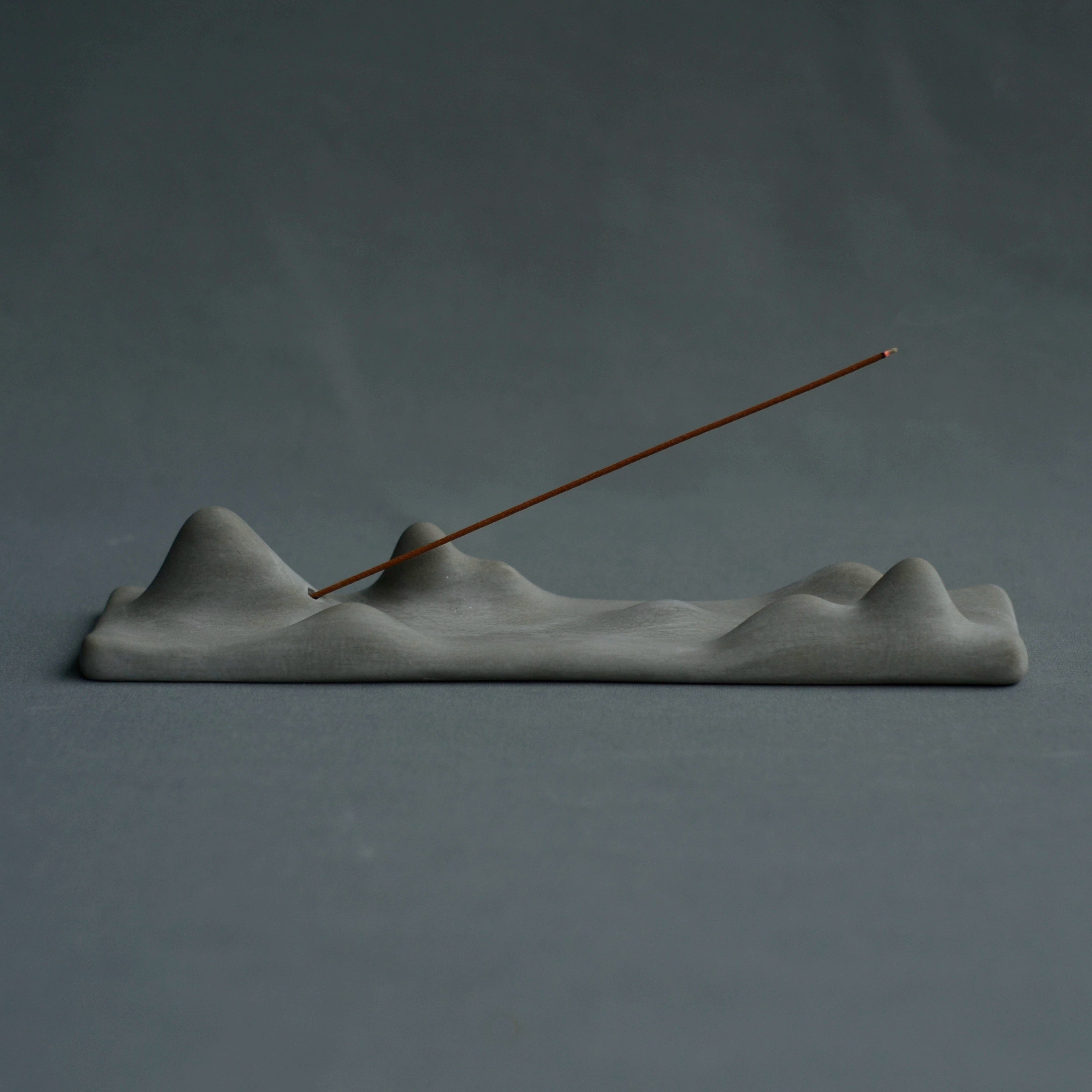
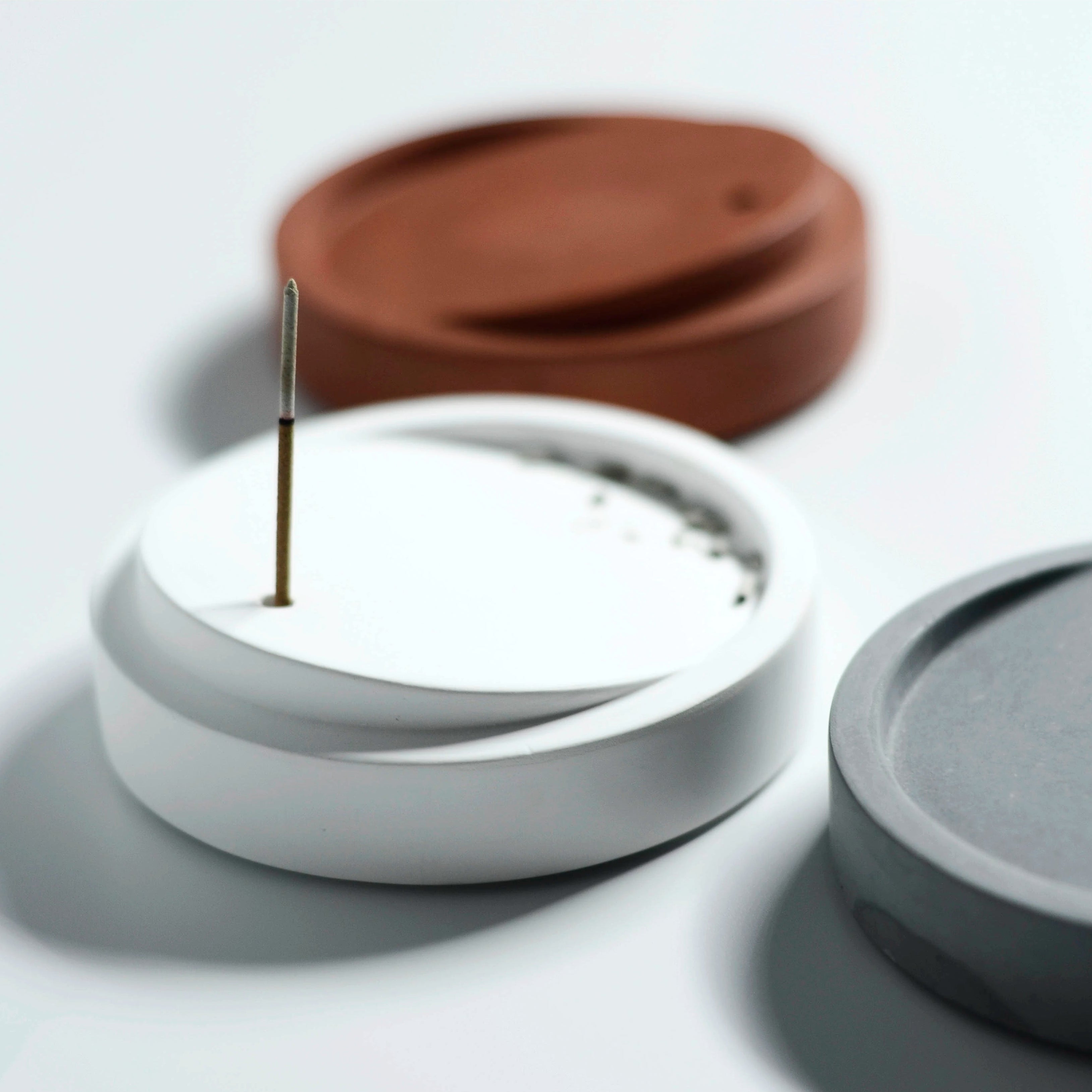
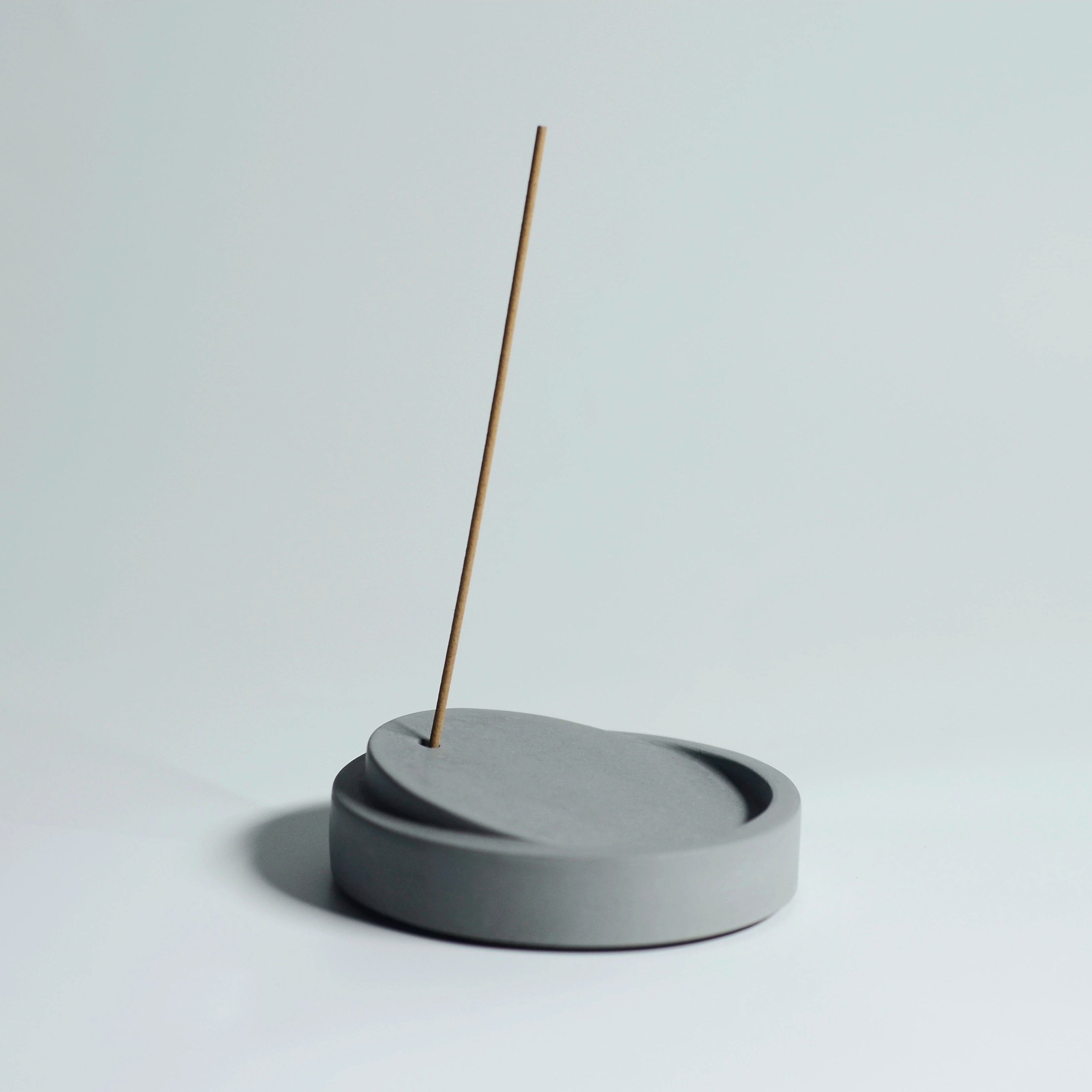
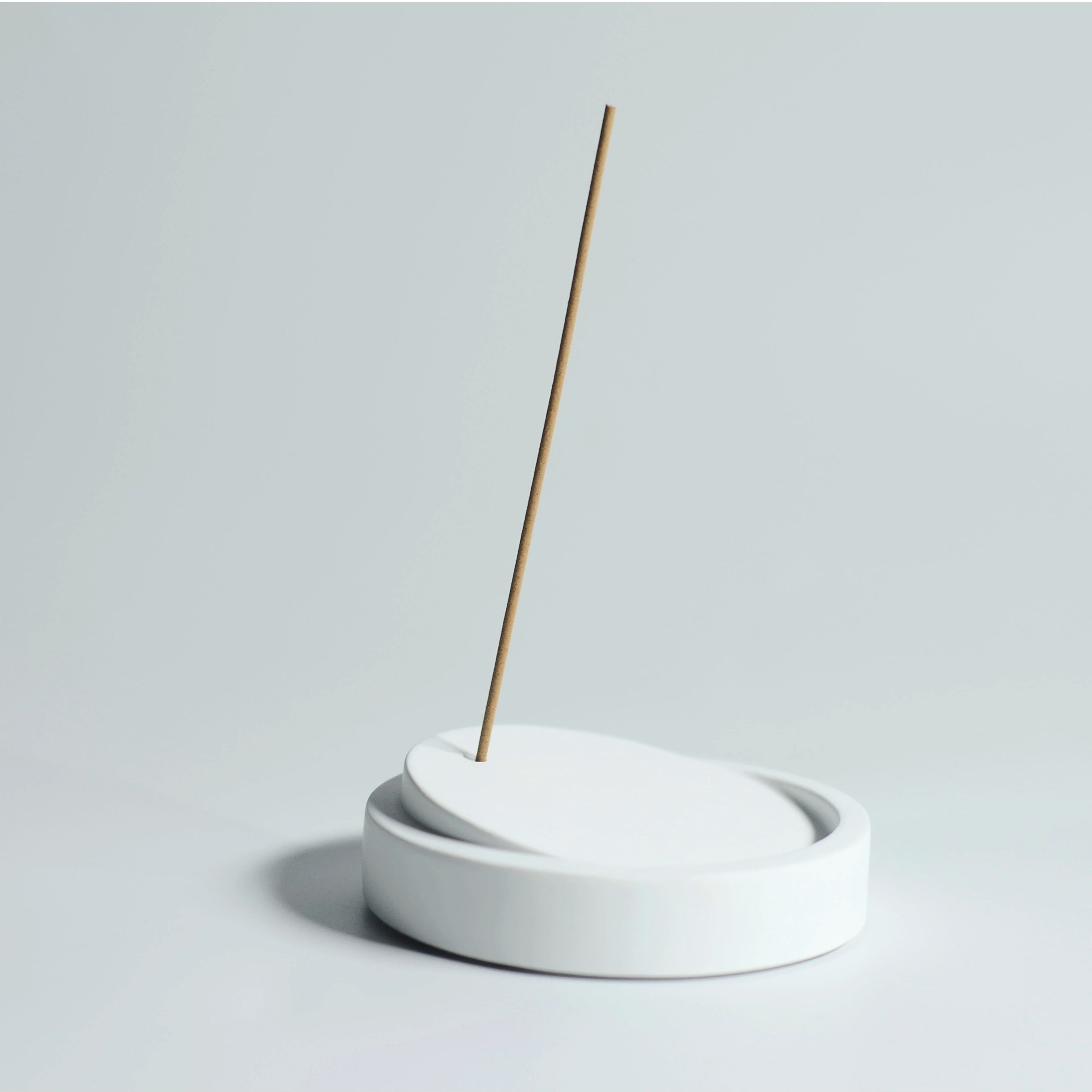
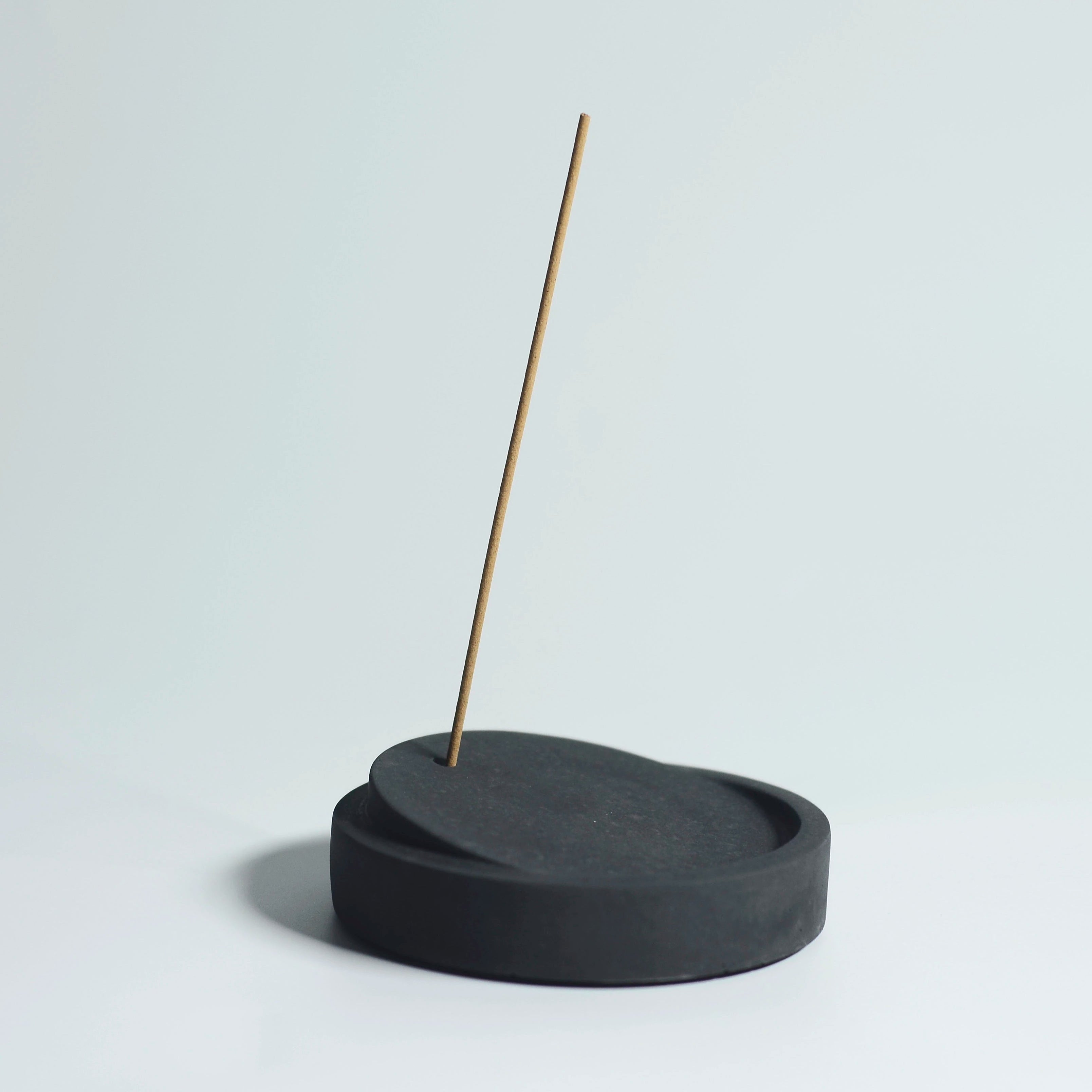
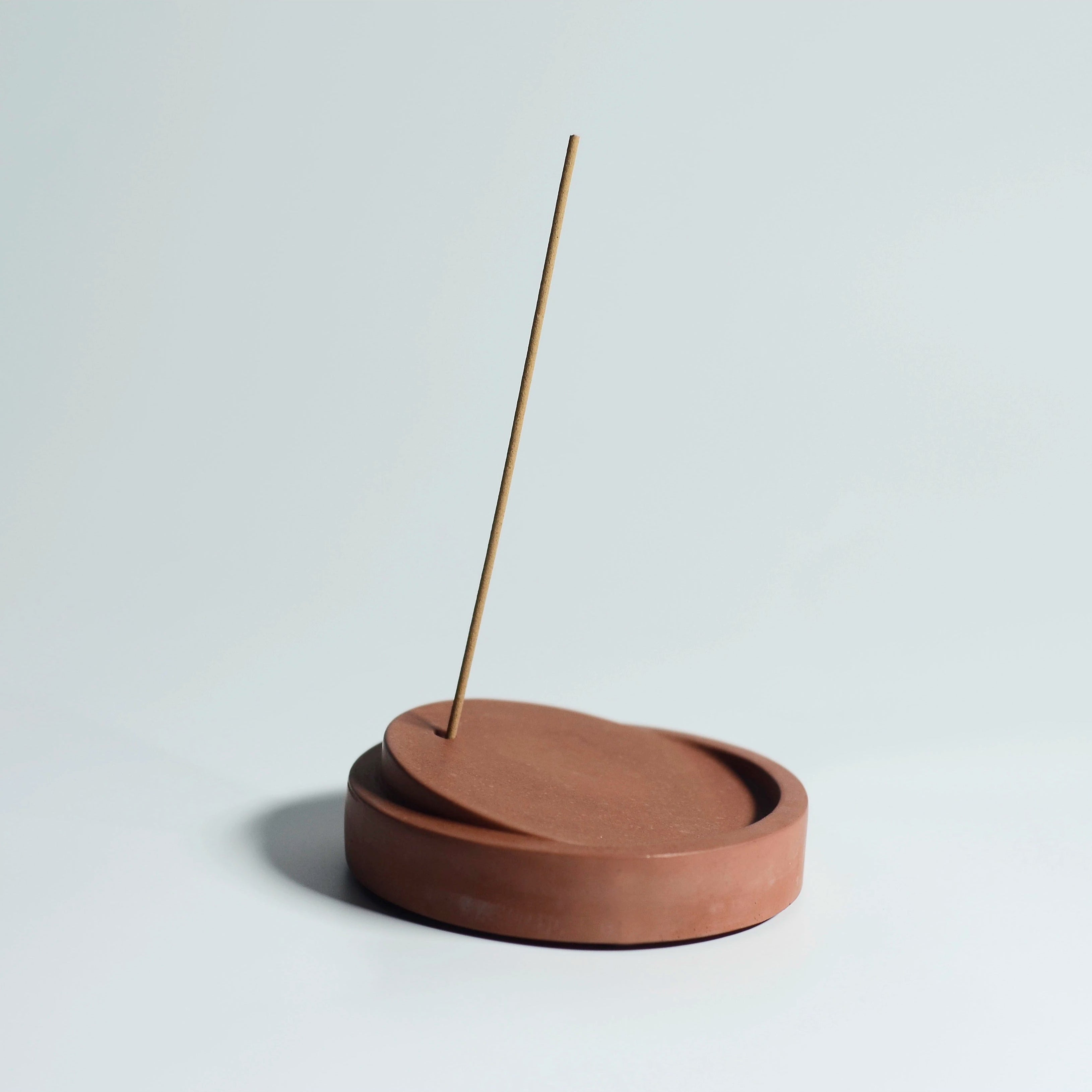
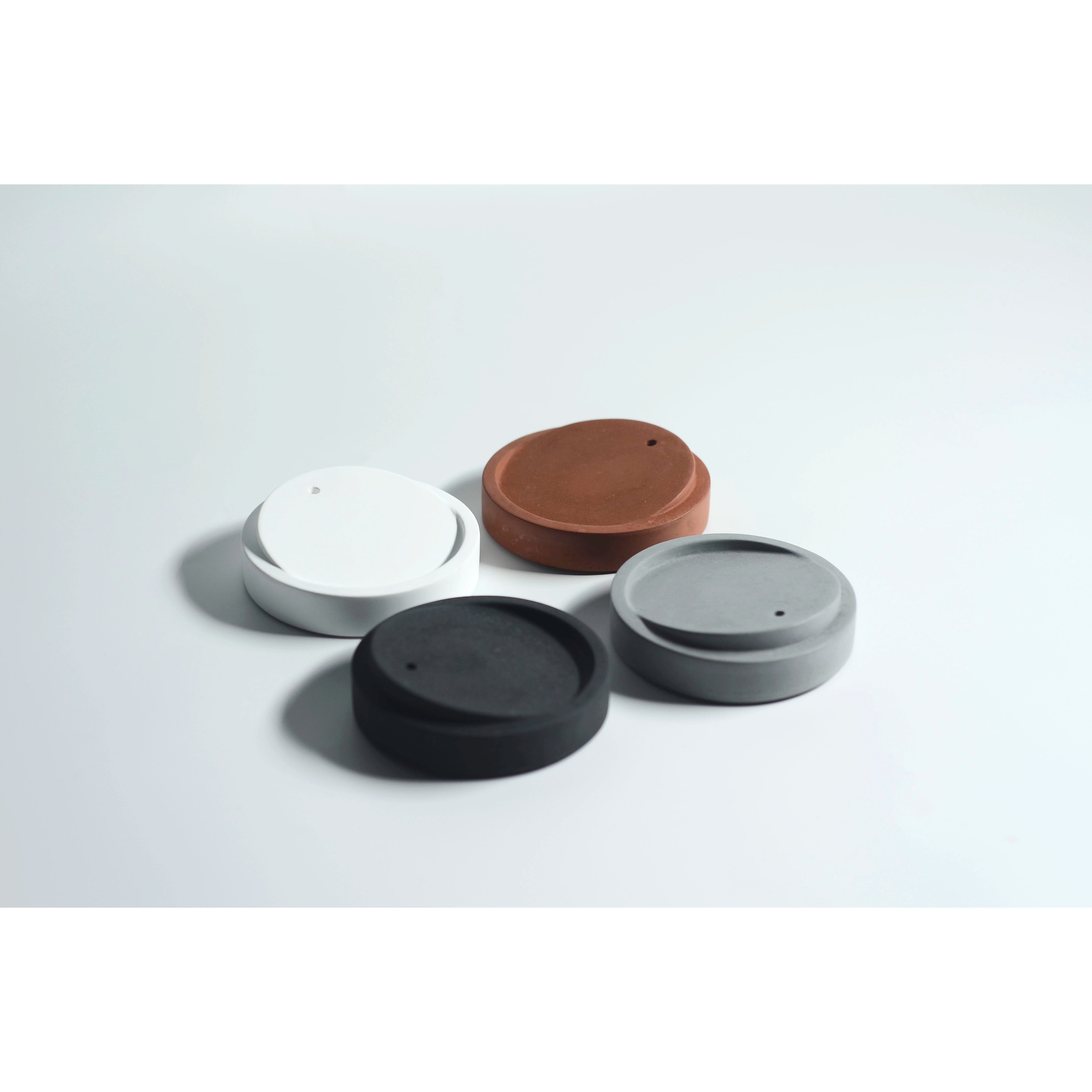
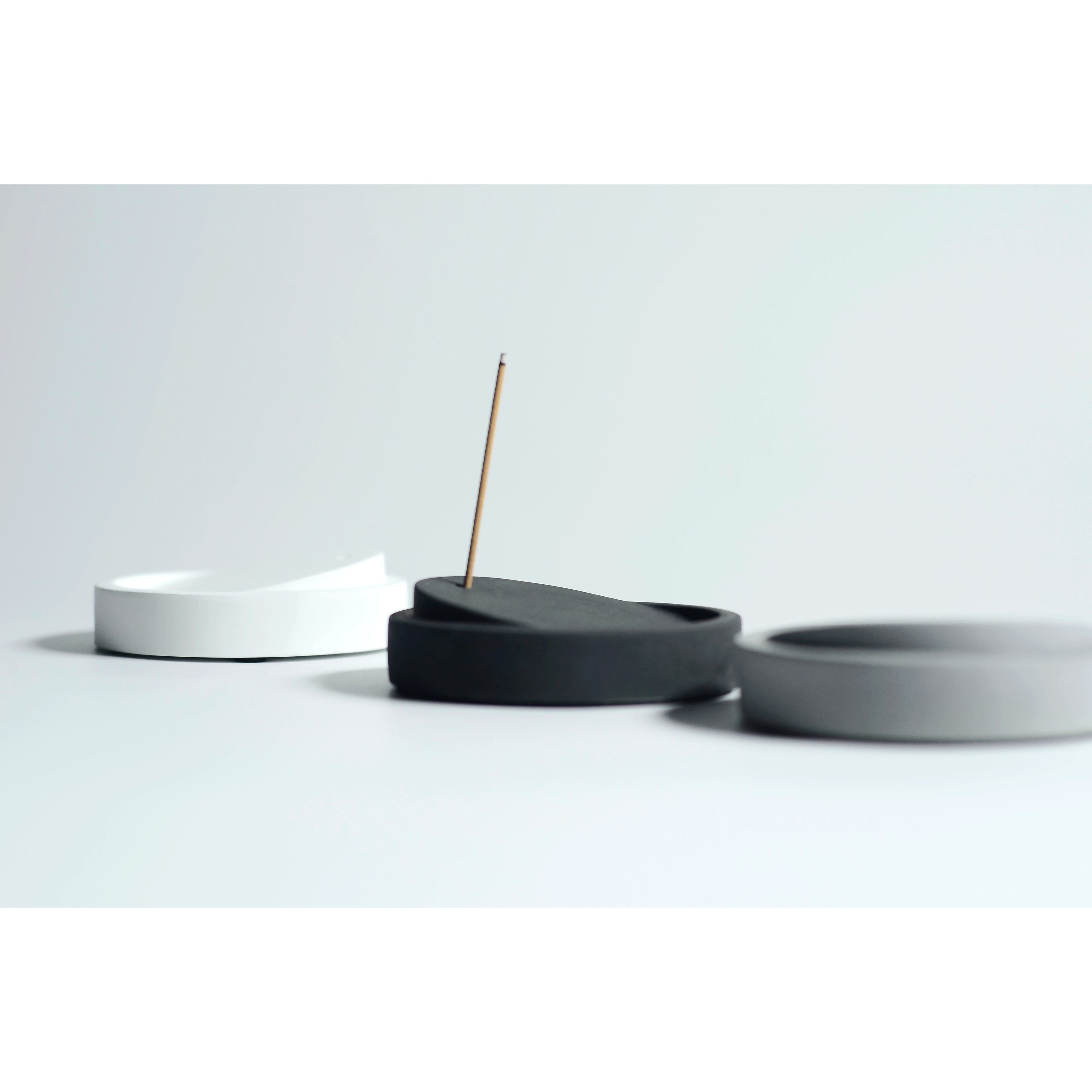
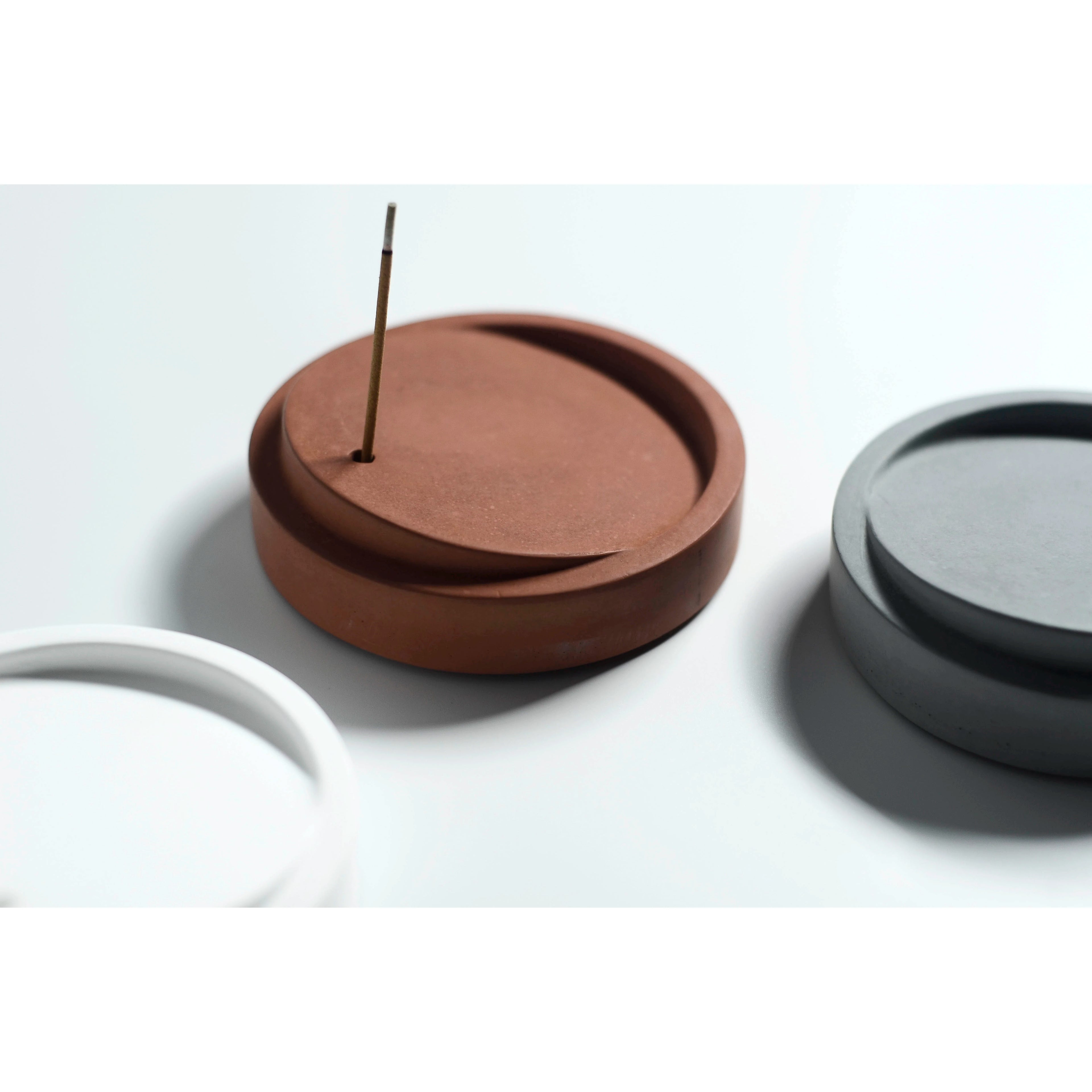
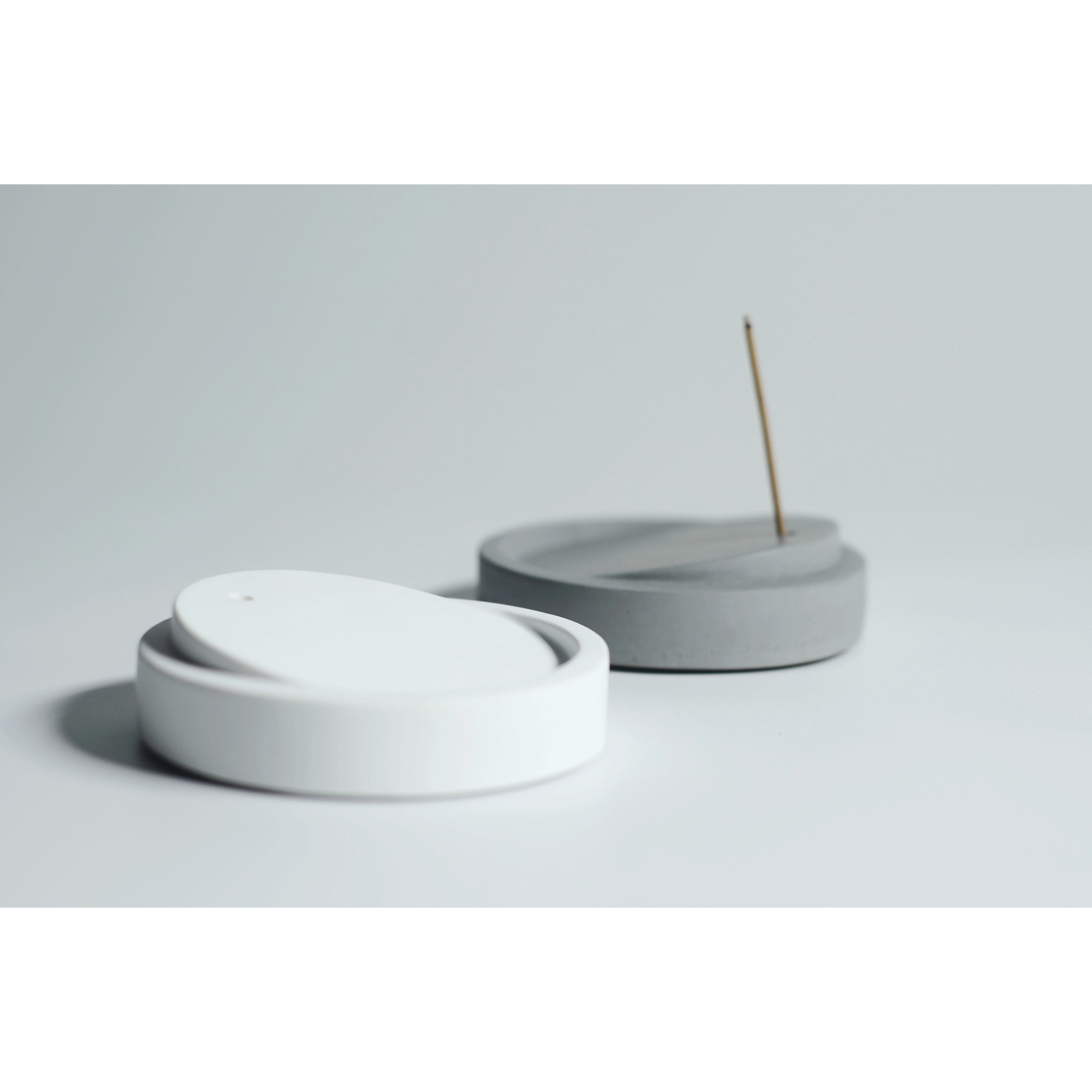
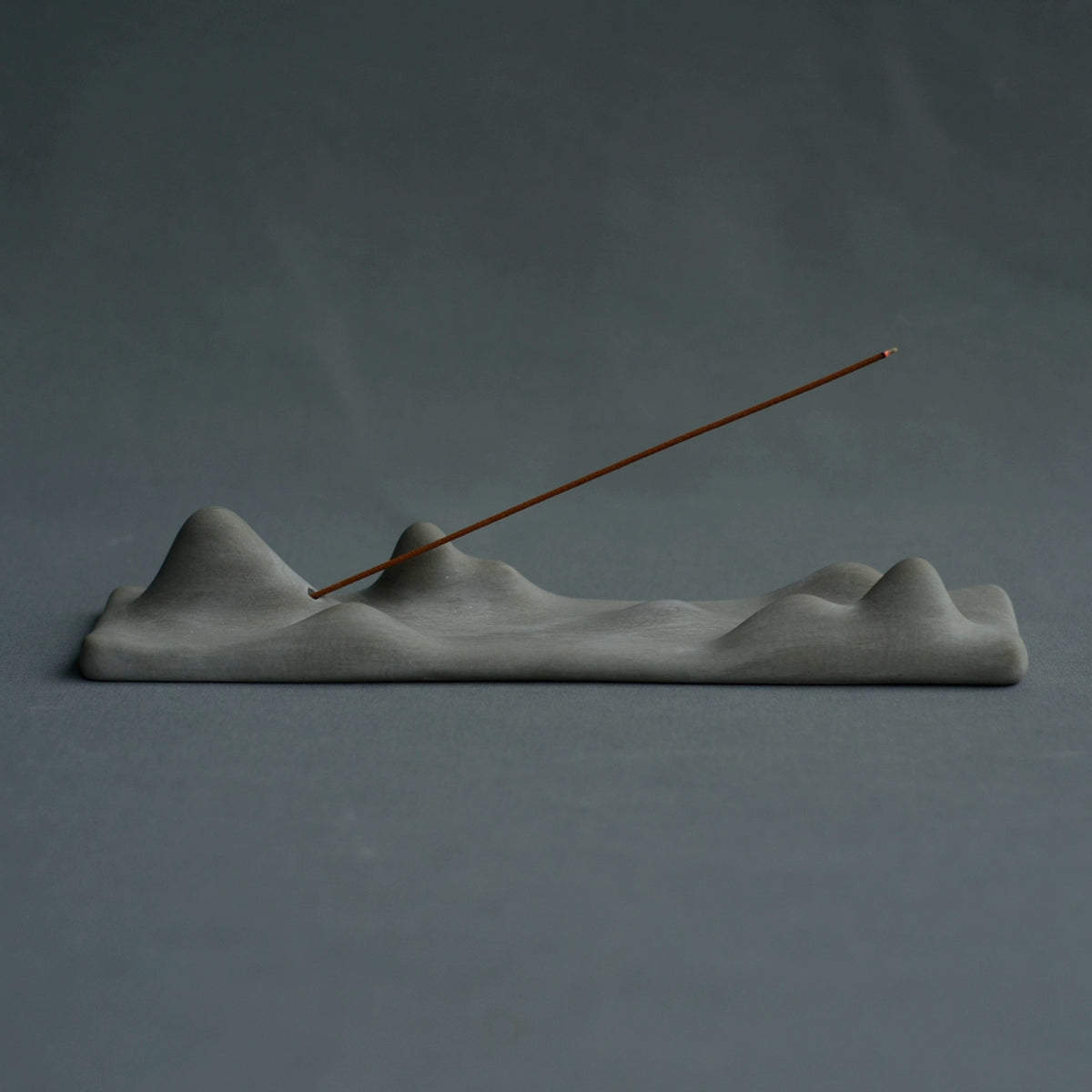
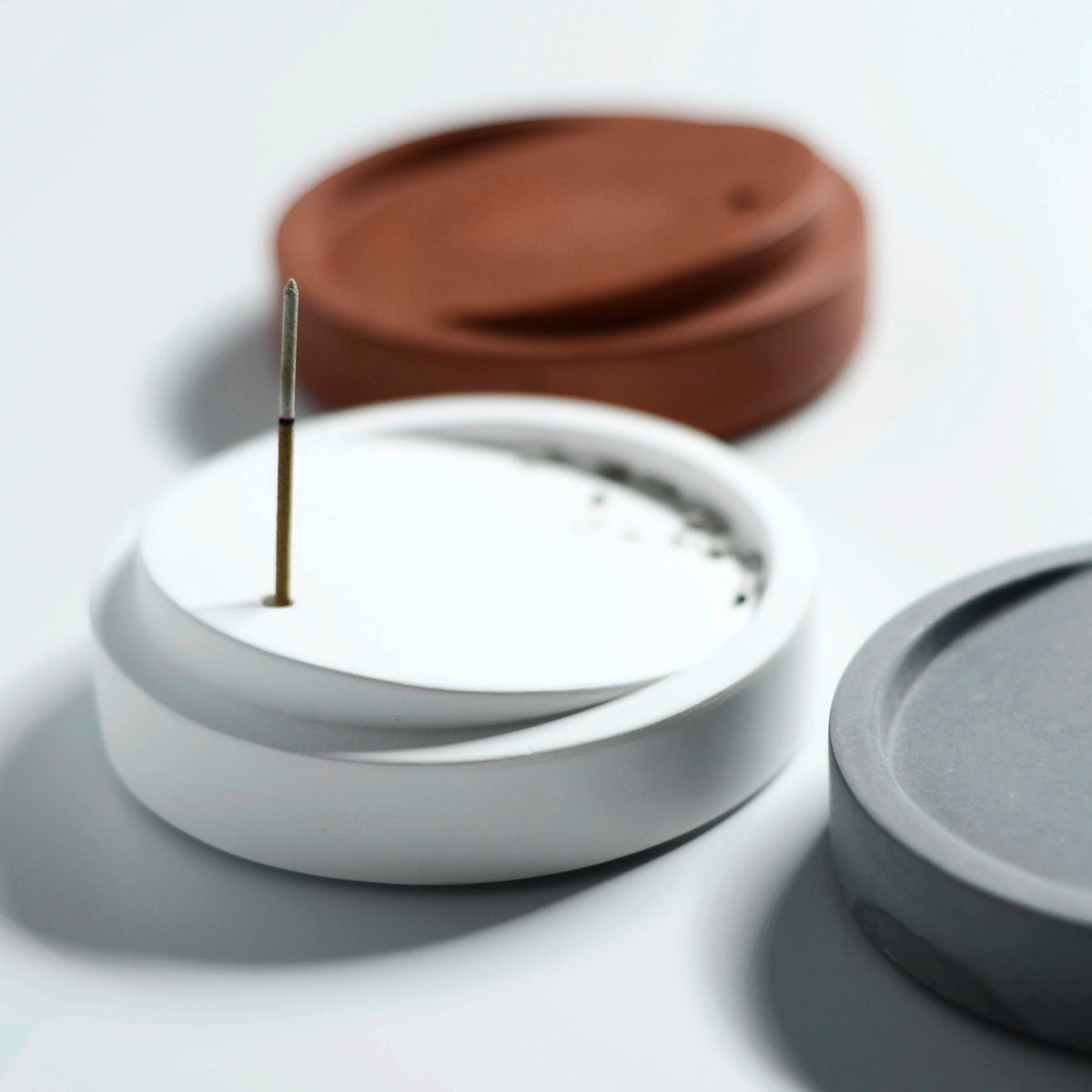
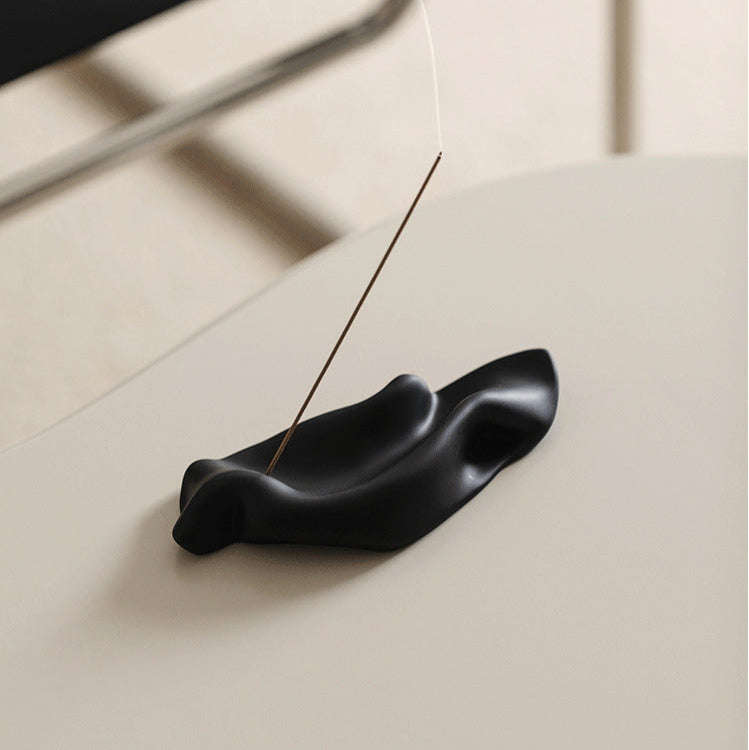
A good incense holder does two things: catches ash cleanly and stays put. The sculptural ones in our Ceramic Incense Holders collection do both and add a visual anchor to the space — something intentional to rest your eyes on. If you're practicing on a hardwood floor or near anything flammable, a stable holder isn't optional.
Ventilation
Crack a window. Even the cleanest-burning natural incense needs airflow. You're breathing deeply for an hour — make sure you're breathing fresh air with the scent, not just the scent.
Frequently Asked Questions
What is the best incense scent for yoga?
Should I use the same incense every time I practice yoga?
How long before yoga should I light incense?
Can I use incense during hot yoga or in a heated room?
What kind of incense holder should I use for yoga?
Our Yoga-Friendly Incense Collection
Every incense at MUSO Collection is handcrafted from natural ingredients — no synthetic fragrances, no chemical binders:
- All Incense — Browse the full catalog
- Sandalwood Incense — Fuji Mysore and Dongzhi Aged Sandalwood
- Natural Incense Sticks — Clean-burning, all-natural sticks from Fuji and Dongzhi
- Incense Sampling Sets — The Dongzhi 8-scent set to find your favorite
- Ceramic Incense Holders — Stable, sculptural holders for your practice space
- Meditation Incense Collection — Scents suited to seated and contemplative practice
This article is for informational purposes about incense products and craftsmanship. MUSO Collection makes no claims about the health effects of its products.