
Best Incense for Focus and Concentration: A Complete Guide
Anyone who has lit a stick of incense before settling into deep work knows the feeling: a single deliberate gesture that closes the door on distraction and signals to the mind that it is time to concentrate. It is part ritual, part environment, and, as a growing body of aromatherapy research suggests, partly something more measurable. Certain scents appear to influence alertness, memory, and sustained attention in ways that go beyond personal preference.
This guide brings together what the research actually shows, what aromatherapy tradition has long suggested, and what a decade of daily practice has taught me about pairing the right incense with the right kind of work. Whether you are studying for an exam, building a deep-work habit, or simply trying to stay present through an afternoon of demanding tasks, the goal here is practical: a clear, honest framework for choosing and using incense for focus, without overstating the science or underestimating the ritual.
How Scent Affects Focus: What the Research Suggests
The link between smell and cognition is not metaphorical. Olfactory signals travel directly to the limbic system and the hippocampus, brain regions involved in memory, emotion, and arousal, without first passing through the thalamic relay that processes other senses. This anatomical shortcut is part of why a single scent can feel instant in its effect on mood and alertness.
What follows is what the peer-reviewed literature suggests, with the important caveat that much of this research uses essential oils delivered in controlled settings, not incense smoke, and most studies are small. We draw on it to understand which aromatic compounds are associated with attention, not to claim that lighting a stick of incense will reproduce a laboratory result.
- Rosemary and memory. A series of studies led by Mark Moss at Northumbria University, including work published in the International Journal of Neuroscience and indexed on PubMed, found that exposure to rosemary aroma was associated with improved performance on memory and arithmetic tasks. A 2018 study (Moss and Earle) reported enhanced prospective memory, the "remembering to remember" that governs deadlines and intentions, in adults exposed to rosemary essential oil in a testing room.
- Peppermint and alertness. A 2008 study by Moss and colleagues, published in the International Journal of Neuroscience, found that peppermint aroma was associated with improved alertness and faster response times, though the effect on long-term memory was less pronounced. The authors noted peppermint's stimulating, "sharpening" character as distinct from the relaxing effects of lavender tested in the same study.
- 1,8-cineole and cognitive performance. 1,8-cineole (also called eucalyptol) is a compound found in rosemary and eucalyptus. A 2016 study by Moss and colleagues, published in Therapeutic Advances in Psychopharmacology, found that higher blood levels of 1,8-cineole, absorbed through inhalation, were associated with improved cognitive performance. This offers a plausible mechanism for why rosemary and eucalyptus aromas are traditionally linked with mental clarity.
- Sandalwood and attention. A 2006 study by Heuberger and colleagues, published in Planta Medica, examined the effects of alpha-santalol, the primary aromatic compound in sandalwood, and found associations with measurable changes in alertness and attention, alongside self-reported calm. Sandalwood's traditional role in meditative practice sits comfortably with this dual quality of settled alertness.
The honest summary: there is a consistent and growing signal that certain aromas, particularly rosemary, peppermint, and compounds found in eucalyptus, are associated with sharper cognition, and that sandalwood is associated with a calm, attentive state. The evidence is preliminary in the sense that it is built on small-sample, controlled-room studies. It is suggestive rather than conclusive, and it should not be read as medical advice. What it does give us is a reasonable basis for choosing scents to support, not replace, good work habits.
The Best Incense Scents for Focus
Six scents consistently surface at the intersection of aromatherapy tradition and the research above. Each is presented with what the tradition and the science suggest, how to use it for a focus session, and what to pair it with, both in terms of complementary scents and the holders that suit the moment.
1. Rosemary: The Memory and Recall Scent
Why it works. Rosemary's association with memory is ancient, "rosemary for remembrance" appears in Shakespeare, and it is the most thoroughly studied of the focus scents. The Northumbria research links rosemary aroma to improved prospective and working memory, and its 1,8-cineole content offers a plausible mechanism. Rosemary reads as camphoraceous, green, and slightly medicinal, alert without being aggressive.
How to use it. Light a rosemary-forward stick at the start of a study block or a session that depends on recall, exam revision, language learning, preparing a presentation. Burn it for the first 15-20 minutes of the session, the goal is to establish the aromatic cue, not to fill the room for the whole working period.
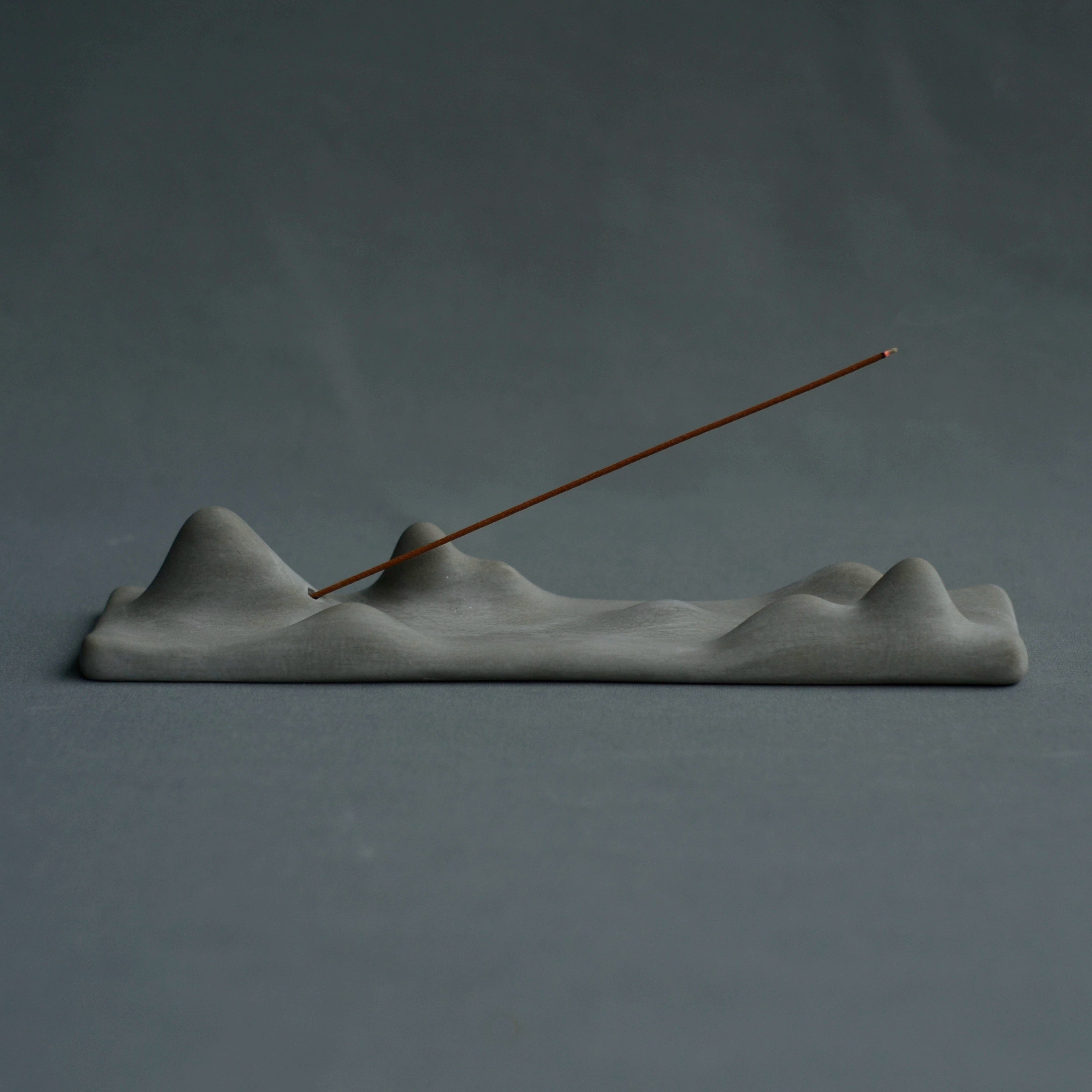
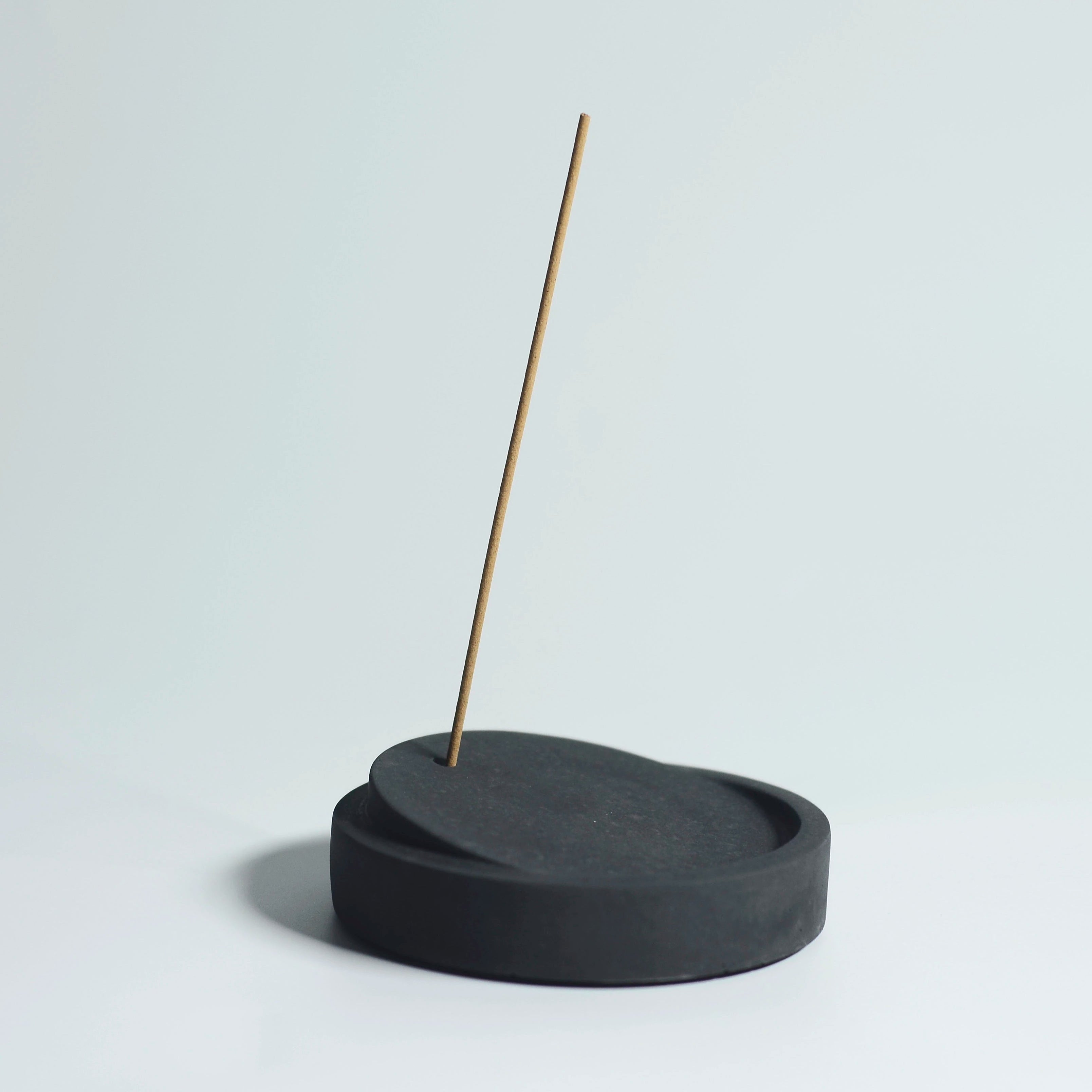
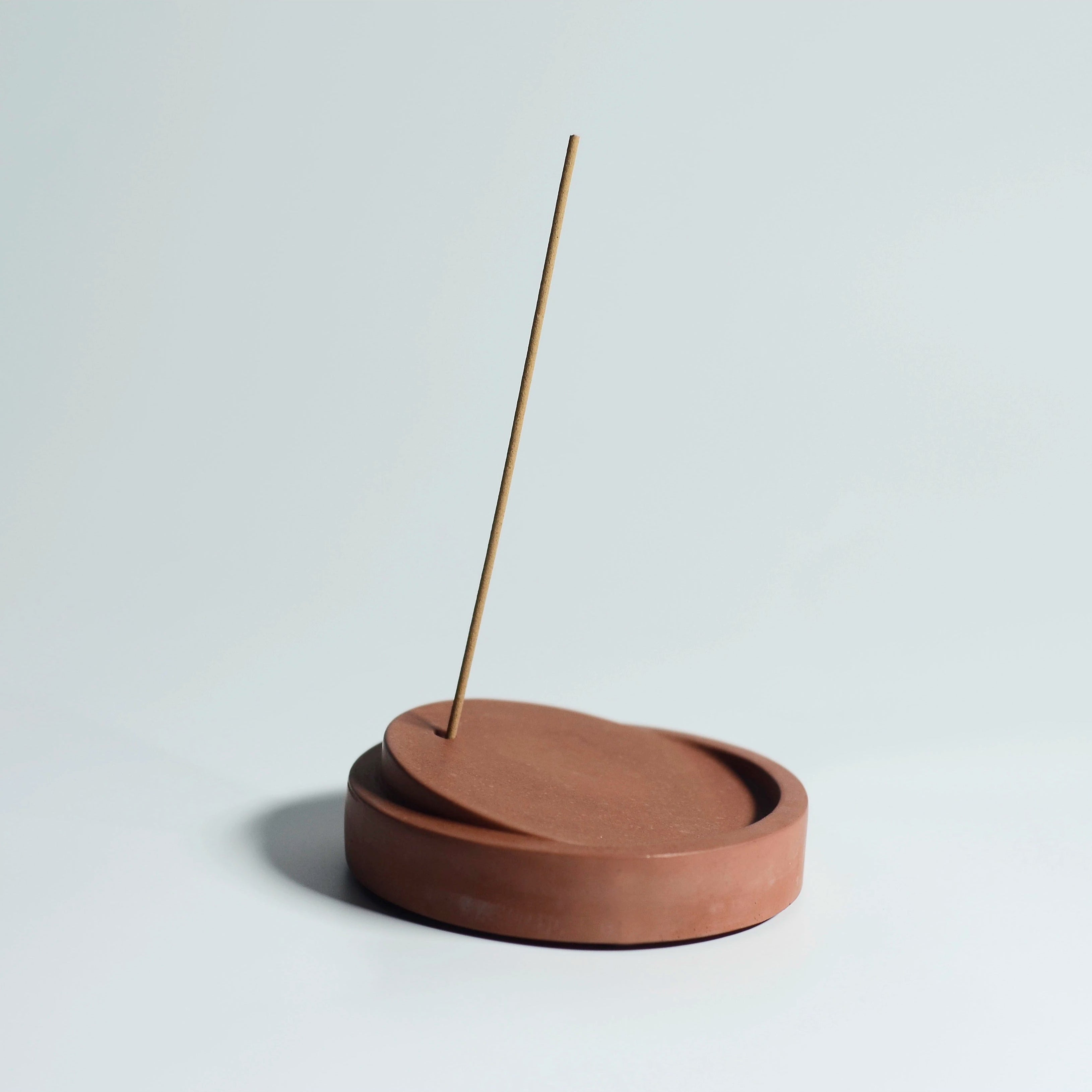
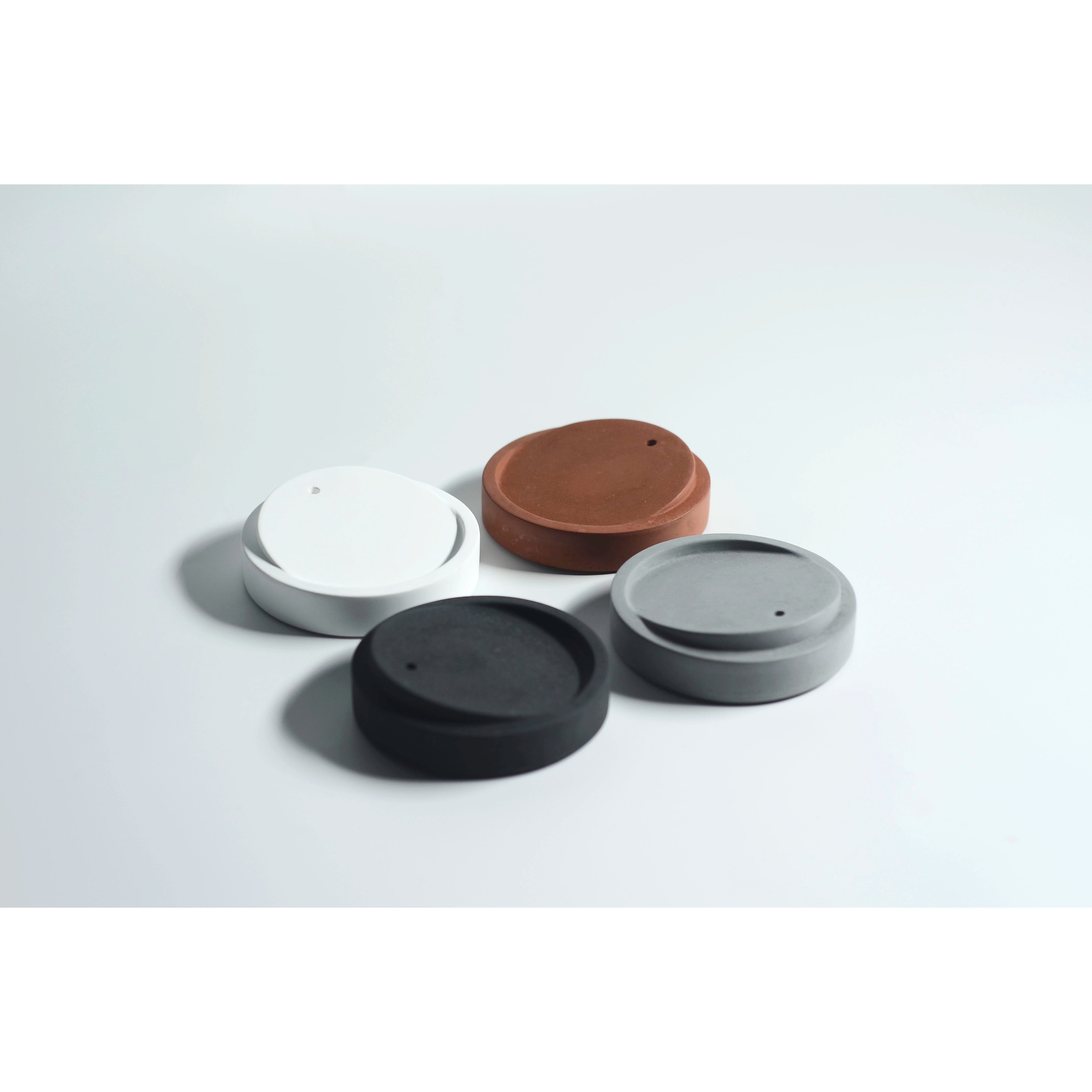
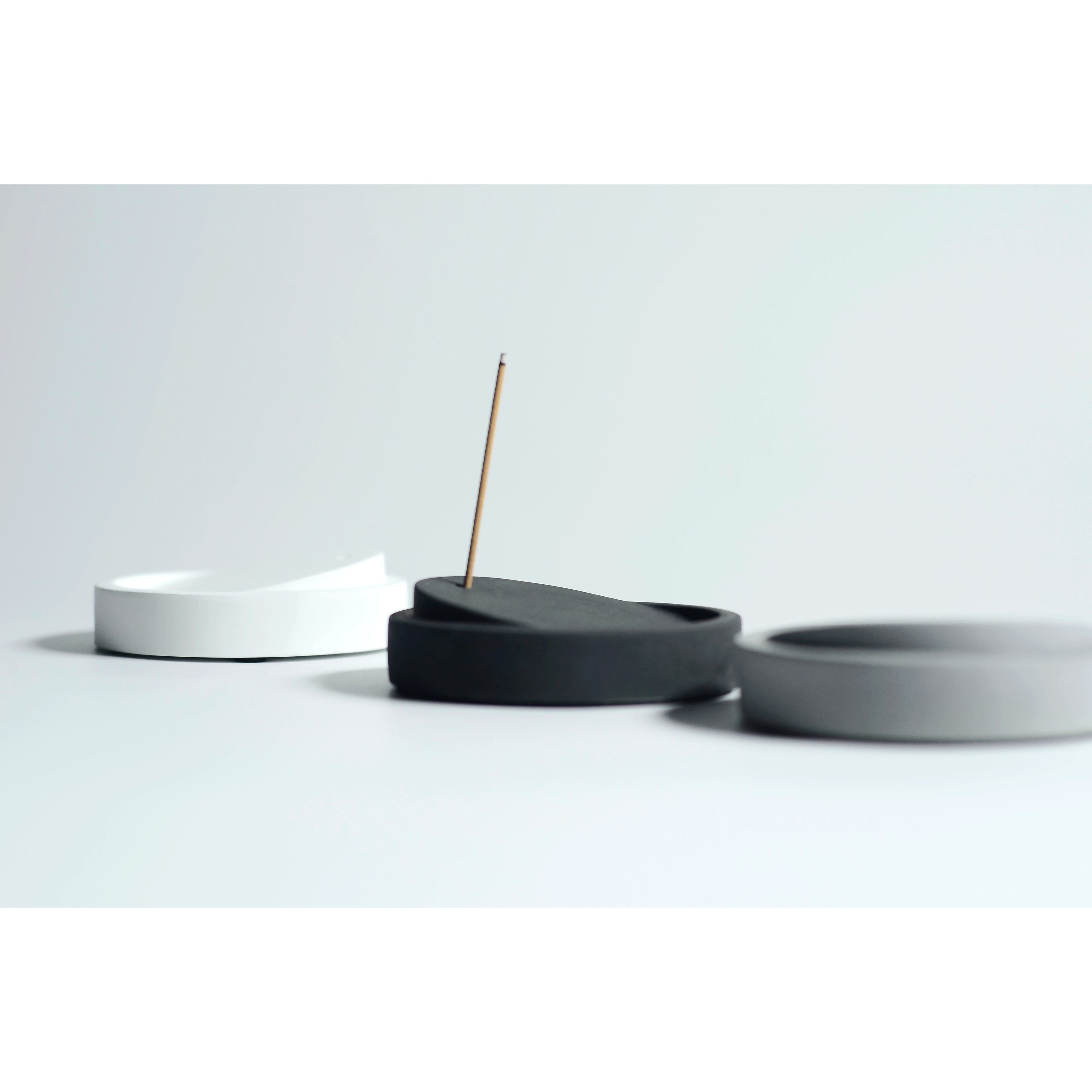
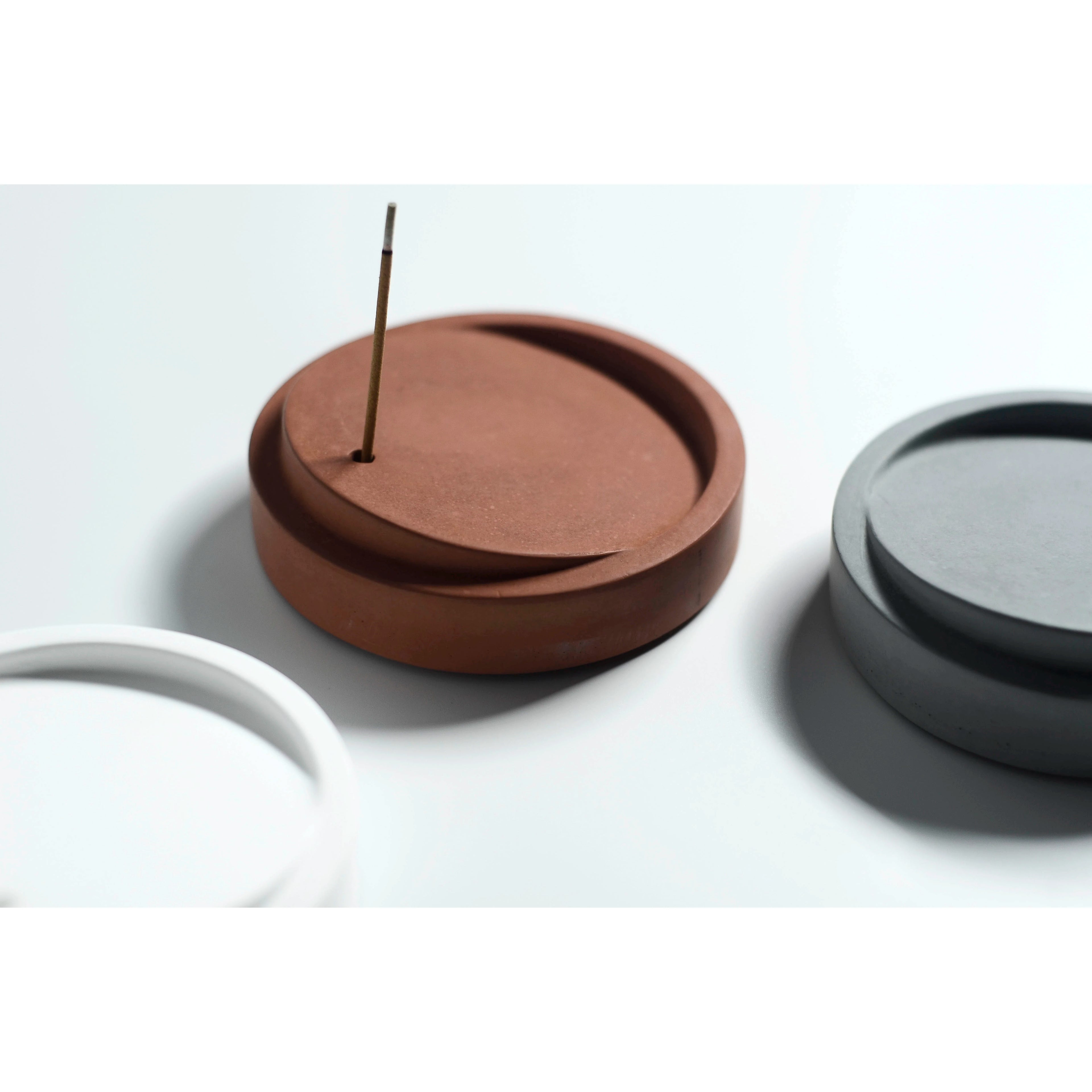
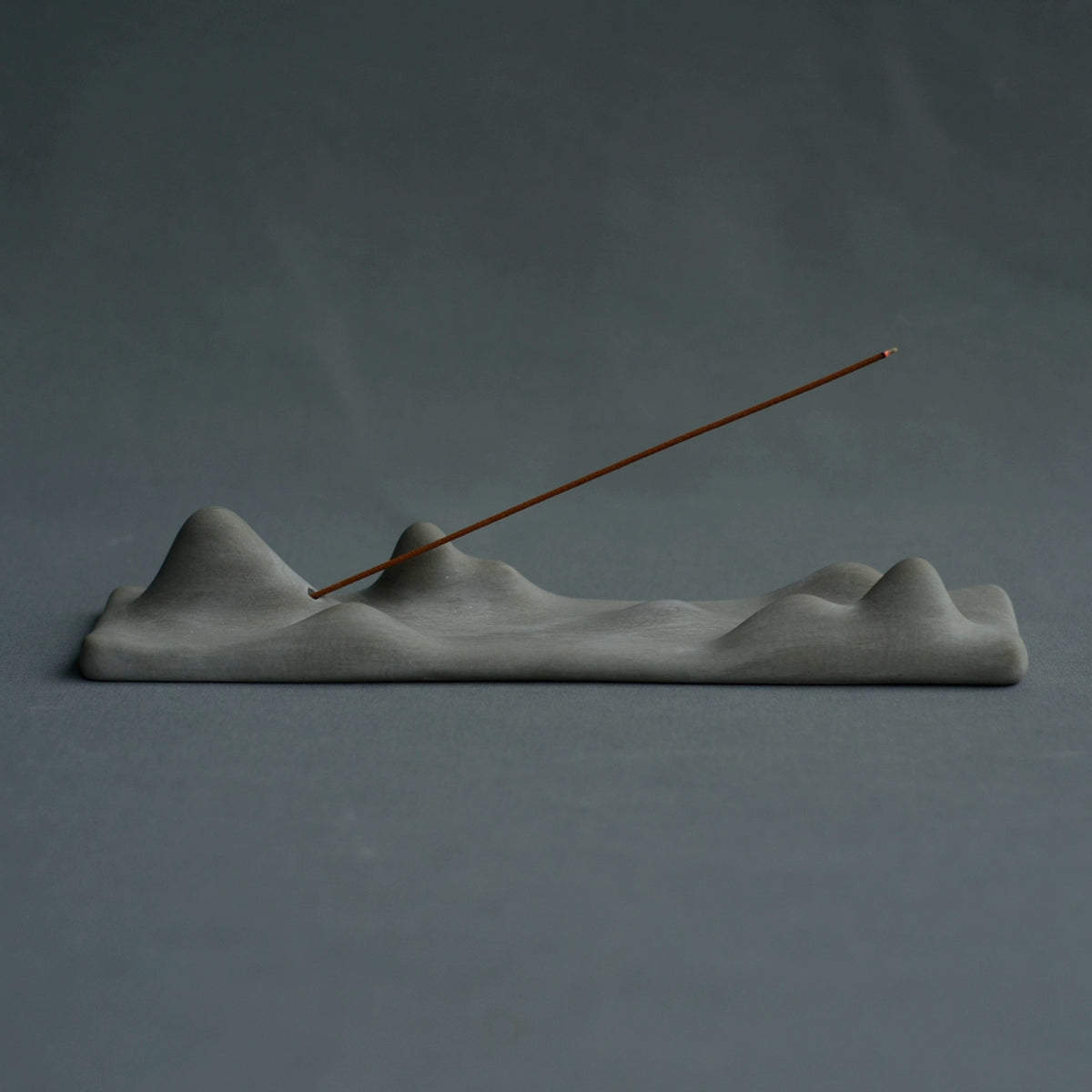
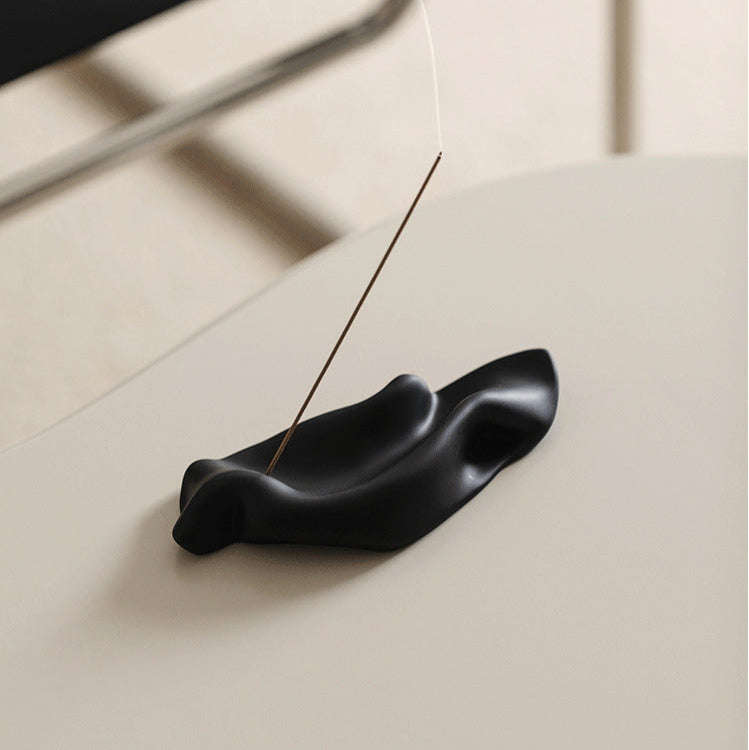
What to pair it with. Rosemary holds its own against woody bases, a sandalwood or cedar underlay softens its medicinal edge. A stable, low-profile holder like the ASPDIN Zen Mountain Range keeps the focus on the work, not the object on your desk. Rosemary incense is not always easy to find in artisan ranges; if you cannot source a dedicated rosemary stick, a herbaceous, green-leaning blend from our full incense collection can serve a similar function as an aromatic cue.
2. Peppermint: The Alertness and Wakefulness Scent
Why it works. Peppermint's menthol profile is associated with increased alertness and faster reaction times in the Moss research. Aromatherapy tradition classifies peppermint as stimulating and clearing, the scent most practitioners reach for during the mid-afternoon dip, when concentration flags and the temptation to switch tasks is strongest.
How to use it. Peppermint is best deployed at the moment attention begins to slip, rather than at the start of a session. It is a "rescue" scent, light it when you catch yourself reaching for your phone, let the sharp, cool aroma fill the room, and use the two minutes of rising fragrance to reset before returning to the task. Avoid burning peppermint in the evening; its stimulating character works against winding down.
What to pair it with. Peppermint pairs well with citrus (bergamot or lemon) to brighten it, and with a grounding woody note to keep it from feeling thin. A natural incense that blends mint with a soft wood base will read as energizing rather than sharp.
3. Citrus and Bergamot: The Bright, Uplifting Scent
Why it works. Citrus aromas, particularly bergamot, the bitter-orange relative that flavours Earl Grey tea, are associated in aromatherapy research with improved mood and reduced tension. A calmer, more positive frame of mind is not the same as raw alertness, but for sustained work it matters: the tasks that defeat us are often the ones where low mood, not low energy, is the obstacle. A 2012 study published in Women's Health associated bergamot essential oil with reduced anxiety and improved mood, indexed on PubMed.
How to use it. Reach for citrus when the work is long, repetitive, or emotionally draining, data entry, editing, long reading lists. Bergamot and lemon lift without overstimulating, making them suitable for morning or early-afternoon sessions. The Dongzhi Oriental Essence carries a bright coffee-latte note that, while not citrus, serves a similar energizing function for warm, daylight hours.
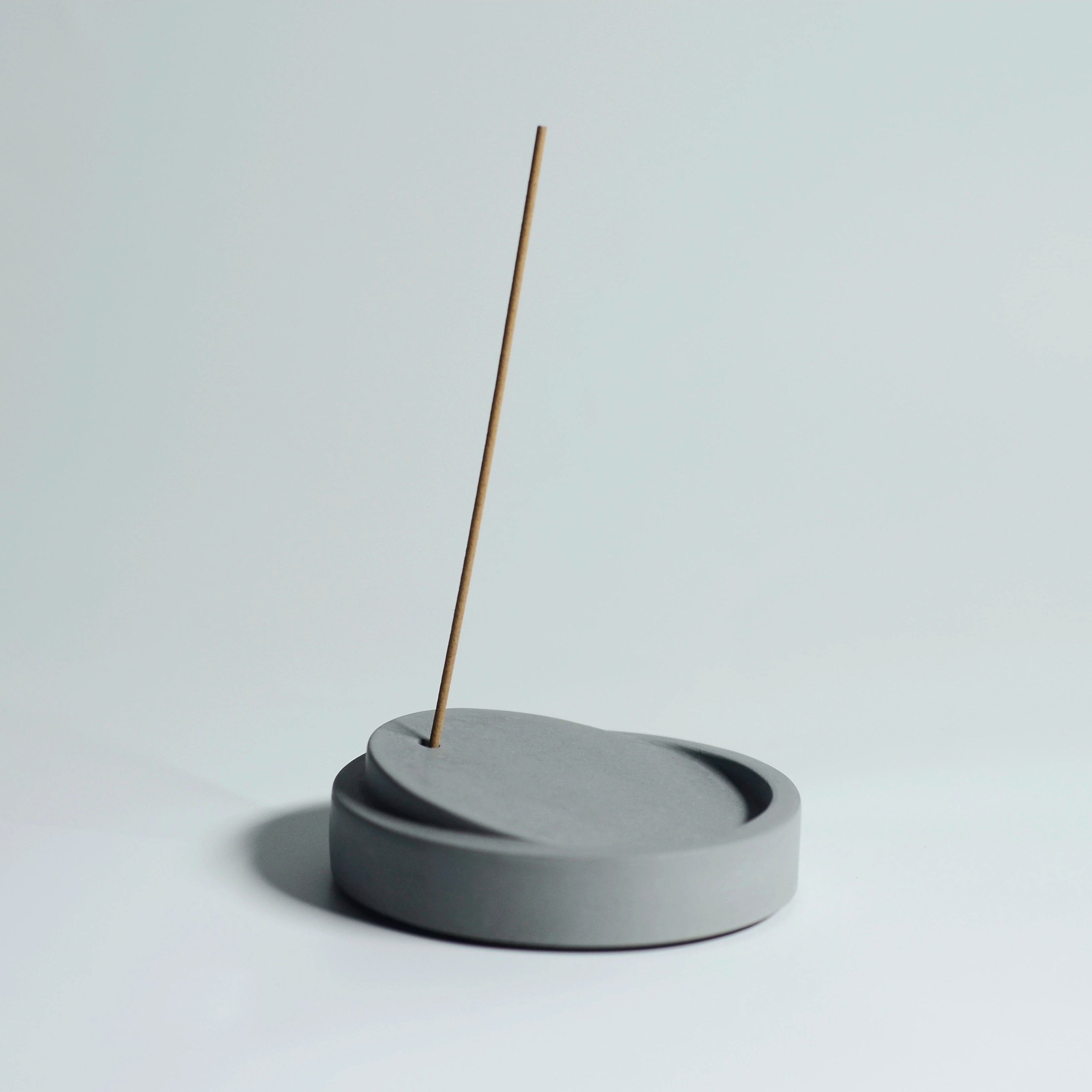
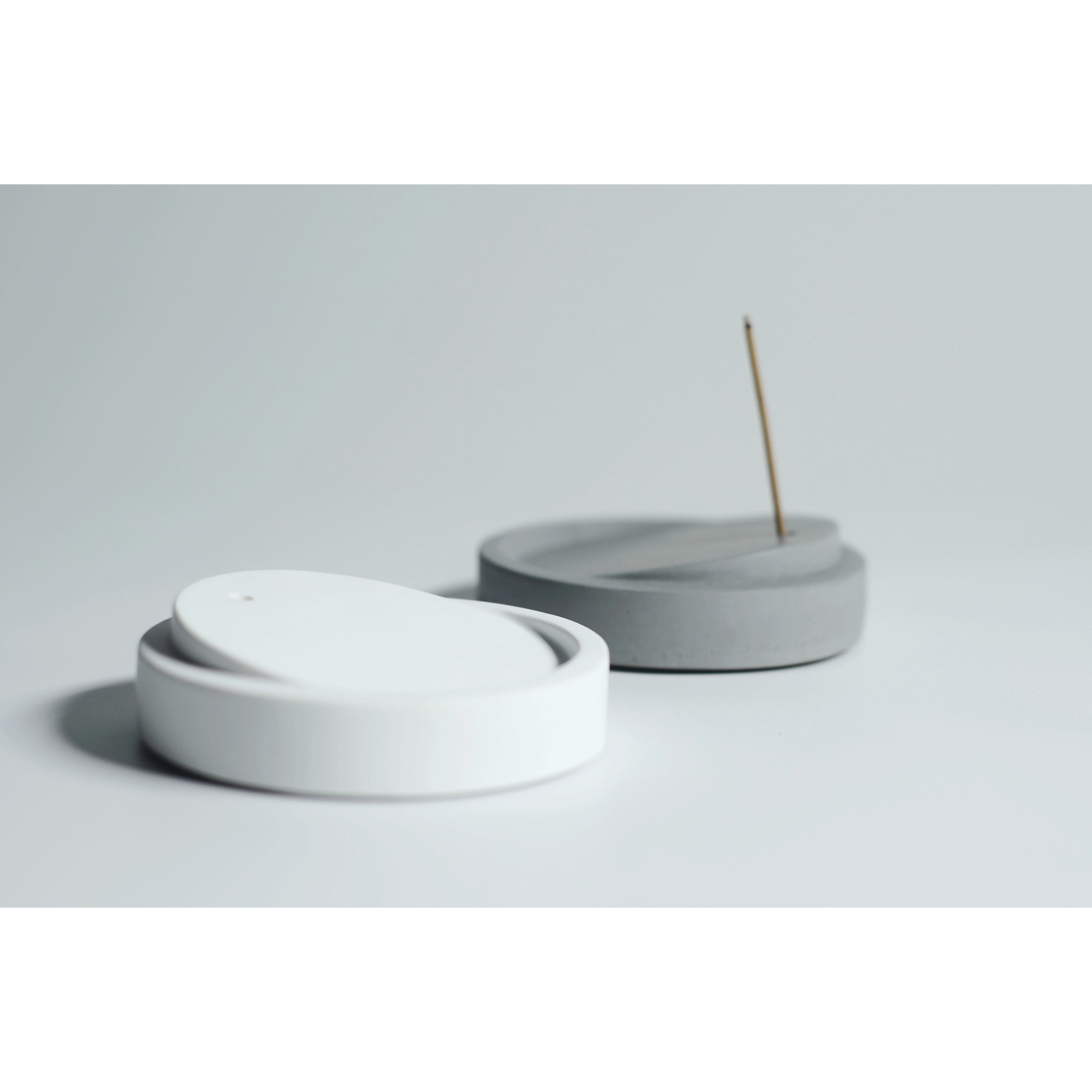
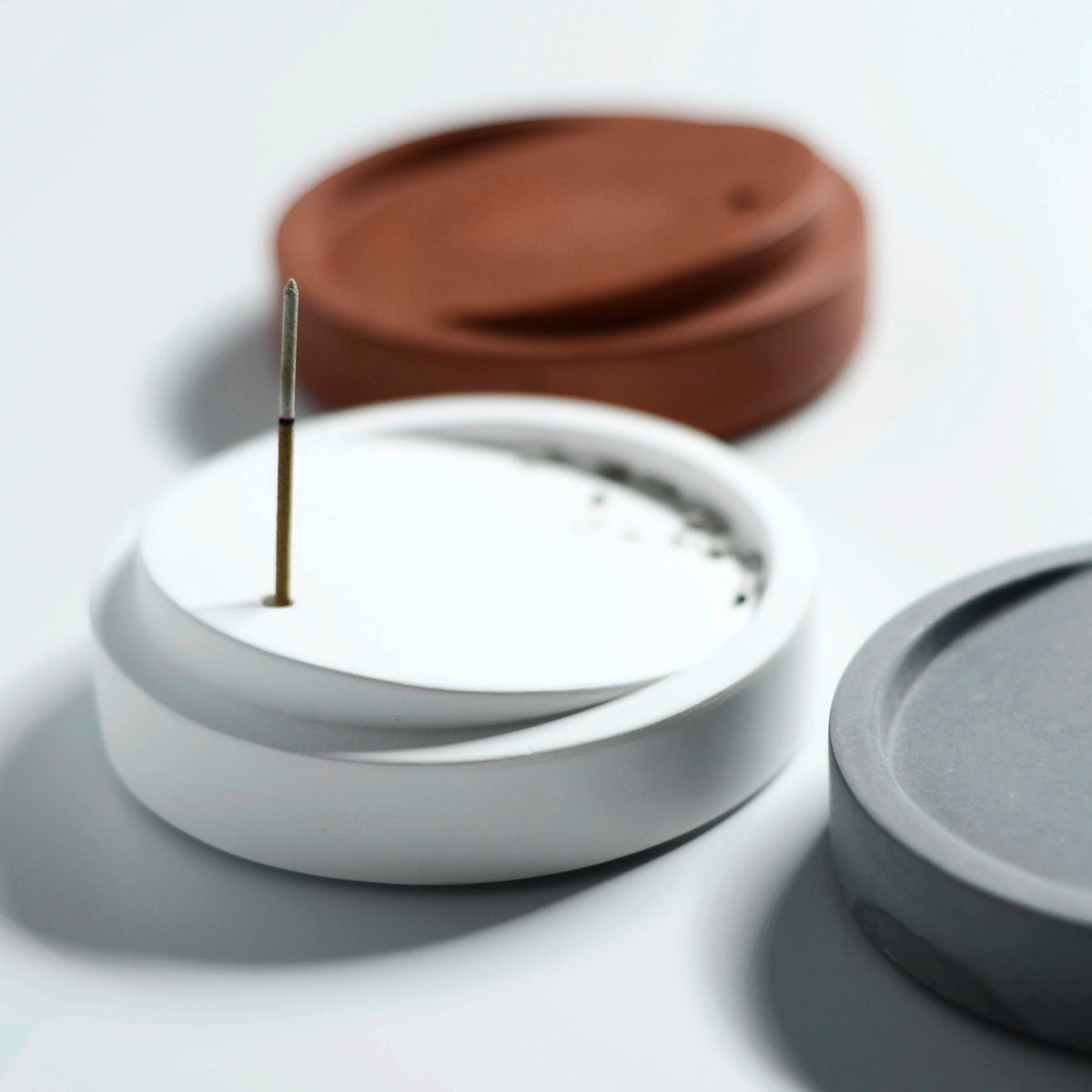
What to pair it with. Citrus brightens heavy woods beautifully, try bergamot alongside sandalwood for a session that needs both lift and depth. A clean, contemporary holder such as the Muso Modern Artistry suits citrus's crisp character.
4. Sandalwood: The Calm, Settled Attention Scent
Why it works. Sandalwood is the focus scent for people who find peppermint and rosemary too aggressive. The Heuberger research links alpha-santalol to a state of relaxed attention, alert, but without the wired, caffeinated quality of the sharper scents. Sandalwood has anchored meditative and scholarly practice across Asia for centuries precisely because it holds attention steady rather than spiking it.
How to use it. Sandalwood is the best choice for long, contemplative work blocks, writing, research, design, anything requiring sustained depth. The Fuji Mysore Sandalwood is a genuine, handcrafted sandalwood that develops over a full burn; its alpha-santalol content is what gives authentic sandalwood its characteristic soft-woody depth. Light it at the start of a two-hour block and let the scent become the texture of the session.
What to pair it with. Sandalwood is a base note, it grounds everything above it. Pair it with a single bright top note (bergamot, lemon) for balance, or let it carry a session alone. A ceramic holder with a quiet glaze, like those in our ceramic incense holders collection, matches sandalwood's contemplative register.
5. Eucalyptus: The Clearing and "Declogging" Scent
Why it works. Eucalyptus shares 1,8-cineole with rosemary, and the same compound implicated in the Northumbria cognitive research is eucalyptus's signature constituent. Aromatherapy tradition classifies eucalyptus as clearing, the scent practitioners use to cut through mental fog, congestion, and the sluggishness that follows a heavy meal or a poor night's sleep.
How to use it. Eucalyptus is a morning scent. Light it first thing when you need to shake off residual grogginess and establish a clean, clear mental space for the day's first task. Keep sessions short, 10-15 minutes is enough to register its effect; eucalyptus is potent and a long burn can become overwhelming in a small room.
What to pair it with. Eucalyptus blends well with citrus for brightness and with a woody base for depth, but its camphoraceous strength means it can dominate a blend. If your focus session calls for a gentler version of the same clearing quality, a cedar-forward incense like the Fuji Divine Cedar offers brisk alertness with less intensity. For exploring several profiles before committing, the Dongzhi Tranquil Harmony sampling set lets you compare eight scents and observe which anchors your attention most reliably.
6. Lemongrass: The Light, Uplifting Clarity Scent
Why it works. Lemongrass occupies the space between citrus's brightness and rosemary's sharpness, a clean, grassy-citral aroma that many practitioners describe as clarifying without being harsh. Some aromatherapy research (including work published in Complementary Therapies in Clinical Practice) associates lemongrass aroma with reduced anxiety and a more settled, attentive state, making it a useful choice for work that requires both calm and focus.
How to use it. Lemongrass suits creative and problem-solving work, situations where you need to think broadly without the tunnel vision that sharper scents can produce. It is gentle enough for longer burns and carries well in a moderately ventilated room.
What to pair it with. Lemongrass sits comfortably over a sandalwood or light cedar base. A resin holder like the Aura Resin Elegance handles the cleaner, fresher scents well and is forgiving in a workspace that may be warmer or more humid than a bedroom.
How to Use Incense for a Focus Session: A Step-by-Step Ritual
The scent is only half of the practice. The other half is the deliberate sequence of actions that turns burning incense from a pleasant habit into a reliable focus cue. Over time, the smell alone, even before the stick is lit, becomes the trigger that lowers the activation energy of starting hard work.
- Prepare the space. Clear your desk of everything unrelated to the task at hand. Open a window for a minute to reset the air. Place a stable, heat-resistant incense holder on a flat surface at least eight inches from paper, books, and electronics.
- Choose your scent for the task. Match the scent to the work, not the mood. Recall-heavy work calls for rosemary; a mid-session dip for peppermint; long deep work for sandalwood; foggy mornings for eucalyptus; creative work for lemongrass or citrus.
- Light the stick with intention. Light the coated end, let the flame catch for a few seconds, then gently fan out the flame so the tip glows and releases a thin stream of smoke. This moment is the formal beginning of your focus session, treat it as such.
- Take two minutes to settle. Before touching the keyboard, sit with the rising fragrance for two slow breaths. This short transition is where the aromatic cue takes hold; it separates the scattered pre-work state from the concentrated one.
- Work for the length of the burn. A standard artisan stick burns for roughly 30-40 minutes, a natural focus block. When the stick is spent, your session has a clean endpoint. If the work isn't finished, take a five-minute break, ventilate, and decide whether to relight or continue without scent.
- Close the session. Ensure the tip is fully extinguished, no glowing ember. Ash should be cool before you dispose of it. This closing gesture is as important as the lighting one; it marks the end of focus and releases you from the working state.
Safety Tips for Burning Incense While You Work
Focus work often means a lit stick burning unattended while your attention is on the screen. A few habits keep that safe:
- Never leave a lit stick unattended for long. If you leave the room, extinguish it first. A still-glowing tip can reignite in a draft.
- Ventilate between burns. Even natural incense produces fine particulate matter. Crack a window or run a HEPA filter, especially in a small closed office over a full workday. Our complete incense safety guide covers the air-quality science in detail.
- Keep the holder stable and away from paper and electronics. A wide, flat base prevents tipping from a bumped desk. Keep stacks of paper, open books, and laptop vents clear of the smoke path.
- Avoid burning if you have asthma or respiratory sensitivity. Smoke of any kind can irritate sensitive airways. If you experience any discomfort, extinguish the stick and ventilate the room. Consider a diffuser or a non-combustion alternative if smoke is a consistent issue.
- Keep incense and holders out of reach of children and pets. Cats in particular are drawn to trailing smoke and can knock holders off surfaces.
- Prefer natural, non-synthetic incense. Cheaper sticks may use synthetic fragrances and chemical binders that produce harsher smoke. Our natural incense collection prioritises material honesty.
Frequently Asked Questions
What is the best incense for studying?
Rosemary and sandalwood are the two most commonly recommended scents for studying. Rosemary is associated with improved memory and recall in several peer-reviewed studies; sandalwood supports a calm, sustained attention suited to long revision sessions. Choose rosemary for fact-heavy recall work and sandalwood for deep, extended reading.
Can incense actually improve concentration?
Certain aromas are associated with measurable changes in alertness, memory, and attention in controlled studies, rosemary, peppermint, and eucalyptus in particular. The research is promising but preliminary, mostly based on small samples and essential-oil aromas rather than incense smoke. Incense is best understood as a support for good concentration habits, not a substitute for them, and these findings should not be read as medical claims.
How long should I burn incense for a focus session?
A standard artisan incense stick burns for roughly 30-40 minutes, which aligns naturally with a single focus block. For shorter tasks, break the stick in half. Light it at the start of the session and let the burn define the work period, when the stick is spent, the block is over.
Is it safe to burn incense in a small office or study room?
Yes, with care. Keep the holder stable and away from flammables, never leave a lit stick unattended, and ventilate between burns. Even natural incense produces fine particulate matter that accumulates in closed rooms, so a cracked window or a HEPA filter is advisable during longer workdays. If you have asthma or respiratory sensitivity, consider a non-combustion alternative.
Which incense scent is best for the afternoon concentration dip?
Peppermint and citrus (particularly bergamot and lemon) are the scents most associated with a quick lift in alertness and mood. Aromatherapy tradition classifies both as stimulating and brightening, which suits the post-lunch energy slump. Avoid heavier, sedative scents like lavender during hours when you need to stay sharp.
Should I use incense for focus every day?
Regular use can build a strong aromatic cue, the scent becomes a conditioned trigger for concentration. However, daily burning in a poorly ventilated room raises air-quality concerns over time. If you burn daily, prioritise ventilation, natural incense, and shorter burns; consider alternating with a diffuser on some days to reduce cumulative smoke exposure.
Conclusion
The best incense for focus is the one you reach for consistently, the scent that, through repetition, becomes your mind's signal that the next forty minutes belong to one thing. Rosemary for memory, peppermint for the midday dip, citrus for endurance, sandalwood for depth, eucalyptus for clarity, lemongrass for creative calm: each has a tradition behind it and a thread of research beneath it, and each earns its place in a focus practice through honest, repeated use.
What the science gives us is a reasonable basis for choosing. What the ritual gives us is something the science does not measure, the quiet, deliberate act of lighting a stick, settling the breath, and beginning. The two work best together, and neither asks you to pretend they are more than they are. Burn natural incense, ventilate well, and let the scent do what scents do: support, not perform, the work.
If you are building a focus practice from scratch, our full incense collection and incense holders offer a considered starting point, artisan sticks and sculptural holders chosen to make the ritual worth repeating.
About the Author
MUSO Collection is a curated retailer of artisan incense and sculptural incense holders, drawing on Eastern contemplative traditions, zen, wabi-sabi, and meditation, to frame everyday incense burning as a mindful ritual. This guide reflects the brand's editorial standard: honest about the limits of evidence, grounded in tradition, and focused on practical, safe guidance for readers who want to bring more intention to their daily practice.
Disclaimer
This article is for informational purposes only and does not constitute medical advice. The aromatherapy research referenced describes associations observed in controlled studies, many of which are small-sample and preliminary; it does not establish that burning incense treats, cures, or prevents any condition. Incense, including natural incense, produces smoke and fine particulate matter. If you have asthma, allergies, are pregnant, or have any respiratory condition, consult a qualified healthcare professional before using incense. Keep all incense, holders, and lit materials out of reach of children and pets.