
Protective Incense: Which Scents Have Real Tradition Behind Them
By the MUSO Collection team · Updated September 2026
Search for protective incense and almost every shop hands you the same five names: dragon's blood, frankincense, myrrh, white sage, palo santo. What the lists rarely explain is where those associations come from. Some sit inside religious ritual that is thousands of years old. Others are modern correspondence that picked up the word "protection" fairly recently.
That distinction matters when you are the one paying for it. A resin burned in temple rites for centuries carries a different weight than a stick that was labelled for protection in a warehouse last year.
What protective incense has meant across traditions
In the ancient world, burning aromatic resin was usually about cleansing a space before something important happened. Britannica's entry on incense records that the Greeks from the eighth century BC burned woods and resins as an offering and for protection against demons, and that incense more broadly was used to drive away demons and to counter foul air.
In Egyptian temple practice the emphasis was purification. The Metropolitan Museum's essay on the Temple of Dendur notes that the burning of incense there "was thought to have a purifying effect," and that censing opened the daily ritual before the shrine was approached.
So the phrase covers three different things today. The first is documented ritual: incense as a purifying act inside a specific religious setting. The second is a living belief among people who practise resin-and-flame work, where scent is paired with intention. The third is plain preference, because most people who keep incense on a shelf do it to slow a room down, not to repel anything.
All three are legitimate reasons to burn. Only the first comes with a paper trail, which is why we separate them below.
Frankincense and myrrh: the oldest documented pair
Frankincense is the resin of Boswellia trees, and it is the closest thing this category has to a documented lineage. Britannica records its use in ancient Egyptian religious rites and in the Jewish sanctuary incense, and it remains the principal resin of Roman Catholic and Eastern Orthodox worship. Myrrh, from Commiphora, travels the same route, and church blends historically added benzoin and storax in smaller proportions.
On the burner the two read differently. Frankincense opens bright and resinous with a citrus-pine edge; myrrh is darker, faintly bitter, and lingers longer in a still room. Neither is sweet the way a mass-market stick is, and for most people that is the point.
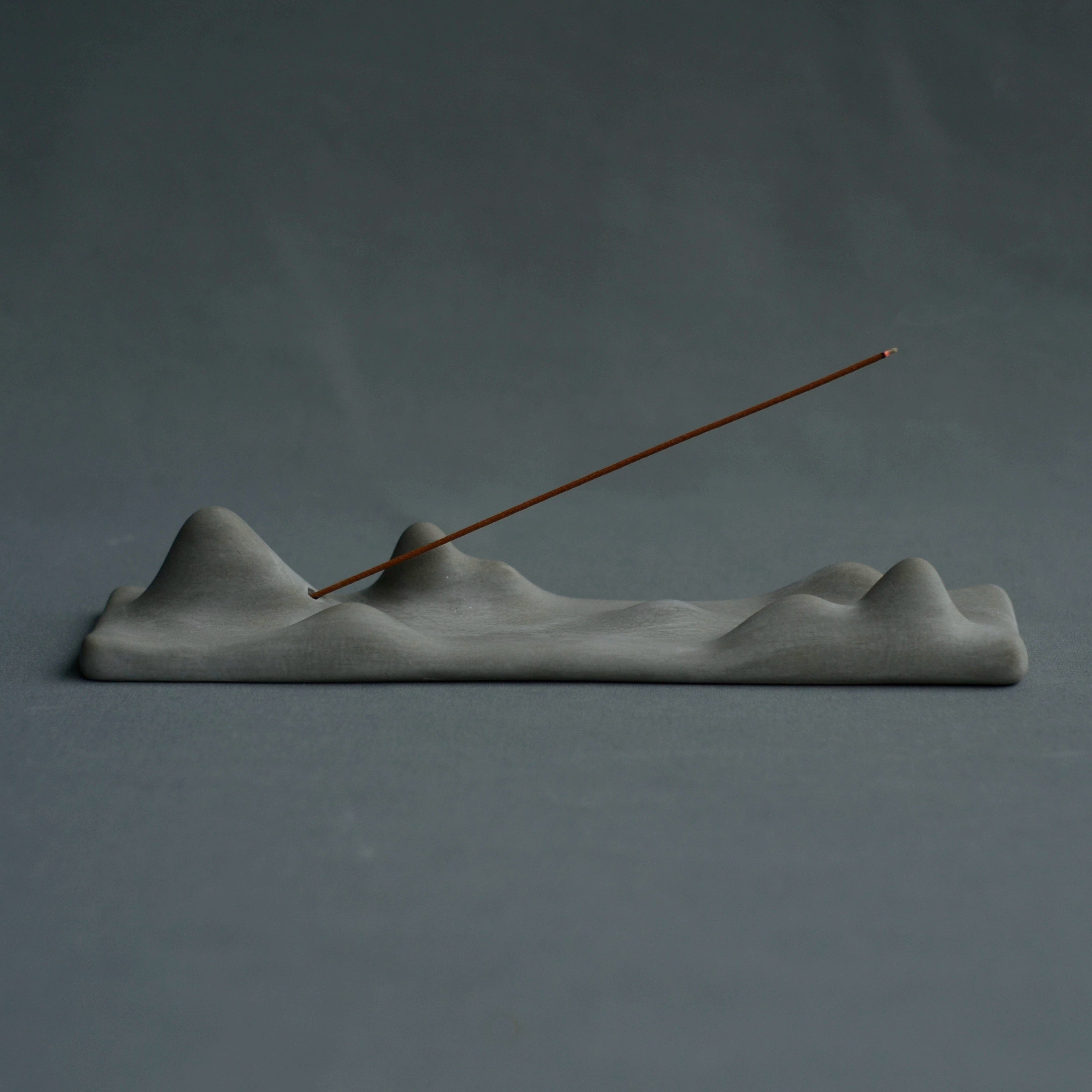
If you want the smell of a stone chapel rather than a candle, start here. Loose resin on charcoal gives the fullest version of it; pressed sticks are the easier daily format.
Sandalwood, agarwood, and benzoin in South and East Asian practice
Sandalwood has carried a purity association for a very long time. Santalum album appears in Hindu ritual as a symbol of holiness, and in Buddhist and Jain practice as a standard offering incense. Agarwood, also called eaglewood or aloeswood, plays the equivalent role in East Asian temple use, where its dense honeyed smoke has filled Zen halls for centuries. Benzoin, a balsamic resin, turns up in both Japanese and church blends as a fixative and a sweetening note.
These are the materials to look at if your instinct runs toward quiet rather than ceremonial drama. A good sandalwood stick is creamy and steady, closer to warm wood than to perfume, while agarwood is deeper, opening cool and finishing honeyed. Our Fuji Mysore sandalwood is pressed from aged Santalum album and is the most grounded of the woods we carry; the Dongzhi agalloch eaglewood sticks sit at the darker, more resinous end.
Dragon's blood, sage, and palo santo: where tradition ends
Dragon's blood is real history, the crimson resin of Dracaena cinnabari, the dragon tree of Socotra, prized in the ancient world as a pigment and a medicine. Its reputation as a protective incense, though, belongs to modern magical practice rather than classical rite. The same is true of cedar, juniper, patchouli, and Nag Champa, which appear on nearly every protective list because contemporary practitioners assign them that meaning.
White sage is a different case. Smudging with Salvia apiana is a living practice in some Indigenous North American communities, and it is also under real harvesting pressure from commercial demand. We do not carry it, and we would rather point you toward resins we can source without that tension. Palo santo is the one to treat with the most scepticism: the "thousands of years" line that follows it around is repeated by retailers without evidence, and it is better understood as a recent favourite than an ancient guardian.
None of this makes these materials bad incense. It makes them recent. Buy them for a scent you like and a ritual that means something to you, not for pedigree.
How to choose protective incense you will actually burn
Format matters more than most guides admit. Loose resin on a charcoal disc gives the deepest and slowest burn and the closest thing to a temple smell, but it needs a heat-proof dish and a little attention. Cones are stronger and shorter, useful for a quick reset. Sticks are the easiest and the most consistent, which is why they sell best.
The other question is what the aromatic actually is. A pressed stick lists ground wood or resin as its first ingredient. A dipped stick lists fragrance oil over a charcoal or bamboo core. Both burn, but only one smells like the material it names.
In our experience stocking roughly forty SKUs across the Fuji and Dongzhi lines, customers reorder the pressed woods and resins and rarely come back for a second box of dipped sticks. If you are unsure which camp you fall into, an eight-scent sampling set settles it in a week for the price of one full box, and our natural incense range is where we keep the pressed, clearly labelled ones.
Burning it well, and being honest about smoke
Any incense produces smoke, and smoke is the part worth taking seriously. Set the stick or the charcoal on a stable, heat-proof surface, keep a window cracked or burn in a room with air movement, and never leave a lit stick or a live coal unattended. Keep it out of reach of children and pets, and if you live with asthma or another respiratory condition, it is sensible to burn less often and only in a ventilated room.
What incense will not do is shield a room. If you want a space that feels reset, the reliable mechanism is the ritual itself: the few minutes of attention, the scent, the deliberate pause before you go back to your day. That is a smaller claim than the listicles make, and it is the one we can stand behind.
FAQ
What is the best incense for protection?
If you want the ones with documented ritual history, frankincense and myrrh are the strongest choices, with sandalwood and agarwood close behind in South and East Asian practice. Dragon's blood, cedar, patchouli, and palo santo are contemporary correspondences rather than classical ones. Any of them is fine to burn; only the first group comes with centuries of written context.
What does protective incense mean?
It means three different things depending on who is using the phrase: incense burned to purify a sacred space in a religious rite, incense paired with intention in modern spiritual practice, or simply incense someone finds calming. The traditions are real. The protective effect is a matter of belief, not something we claim.
What incense should I use to cleanse a home of negative energy?
Frankincense, myrrh, sandalwood, and agarwood are the materials most often chosen for this, and they are also the best-smelling of the group in a plain room. Walk the smoke through the space with a window open, keep the burn short, and ventilate afterwards. Treat it as a ritual that marks the change rather than a treatment that causes it.
Can incense actually protect you?
No incense has been shown to ward off harm or negative energy. What the historical record does show is that people have burned aromatic resin before important moments for thousands of years, and that the practice reliably changes how a room feels to the person doing it. That is the honest version of the claim.
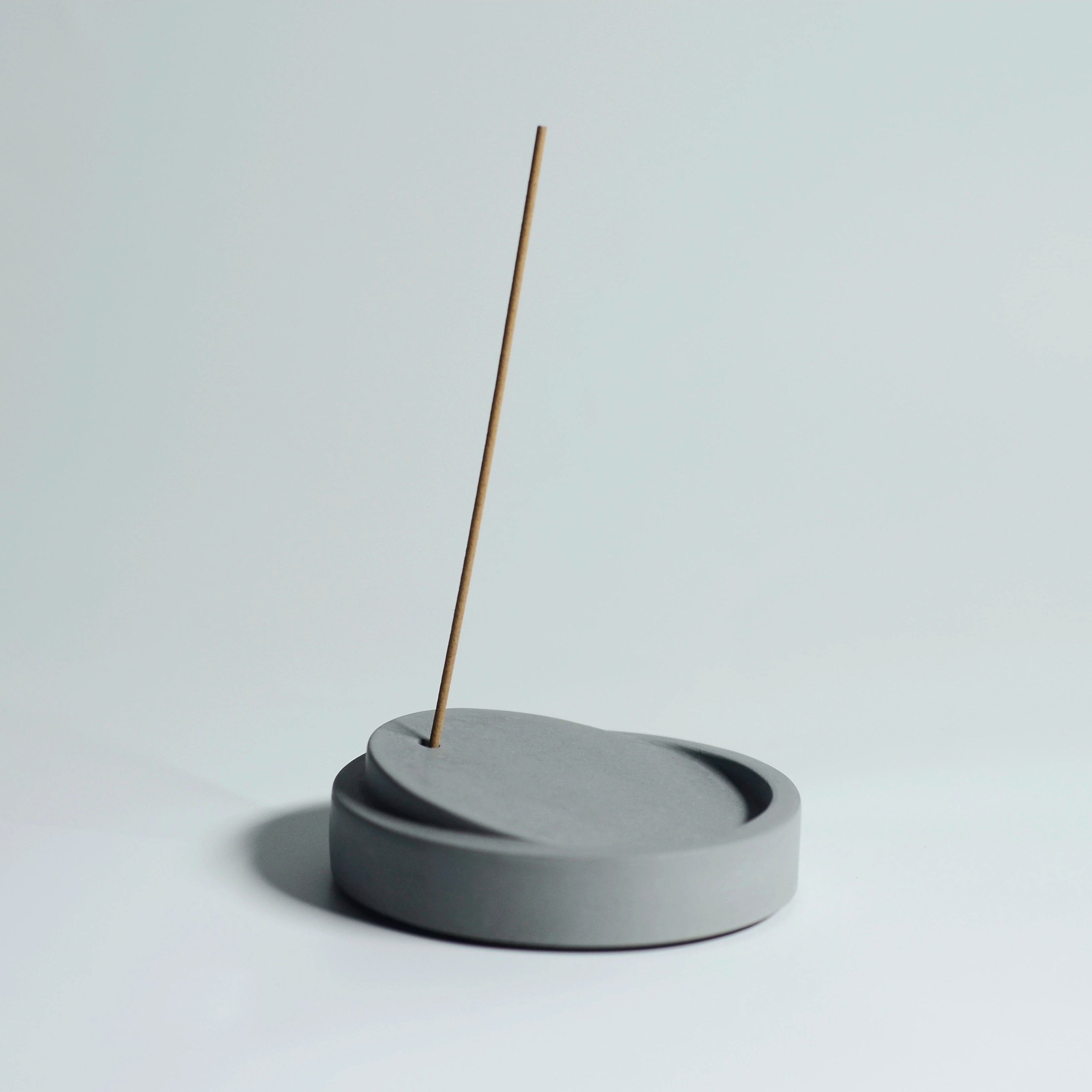
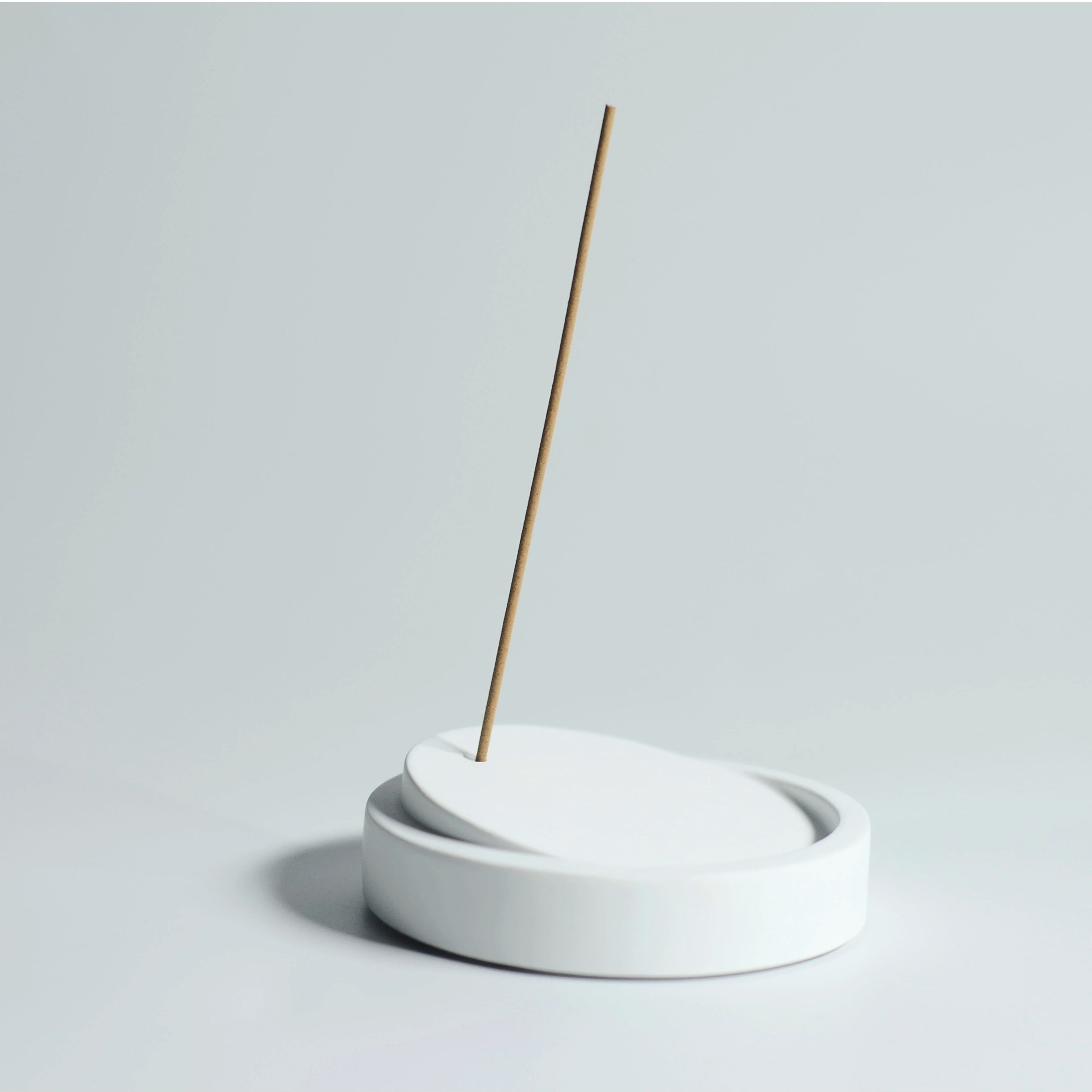
Start with one resin and one wood rather than a five-item kit: frankincense for the ceremonial end, a sandalwood or agarwood stick for the quiet one, a holder with a dish under it, and a window you are willing to open. If neither scent earns a second box, you have learned something useful about your own taste for the price of two.