
Incense Holders: Materials, Methods, and Mindful Practice
By the MUSO Collection team · Updated July 2026
The curl of smoke from a lit incense stick follows no straight line. It drifts, thins, and gathers, and the small object that catches its ash decides whether the experience feels considered or careless. An incense holder is that object: a quiet, functional piece that grounds a fleeting ritual in something solid.
What Is an Incense Holder?
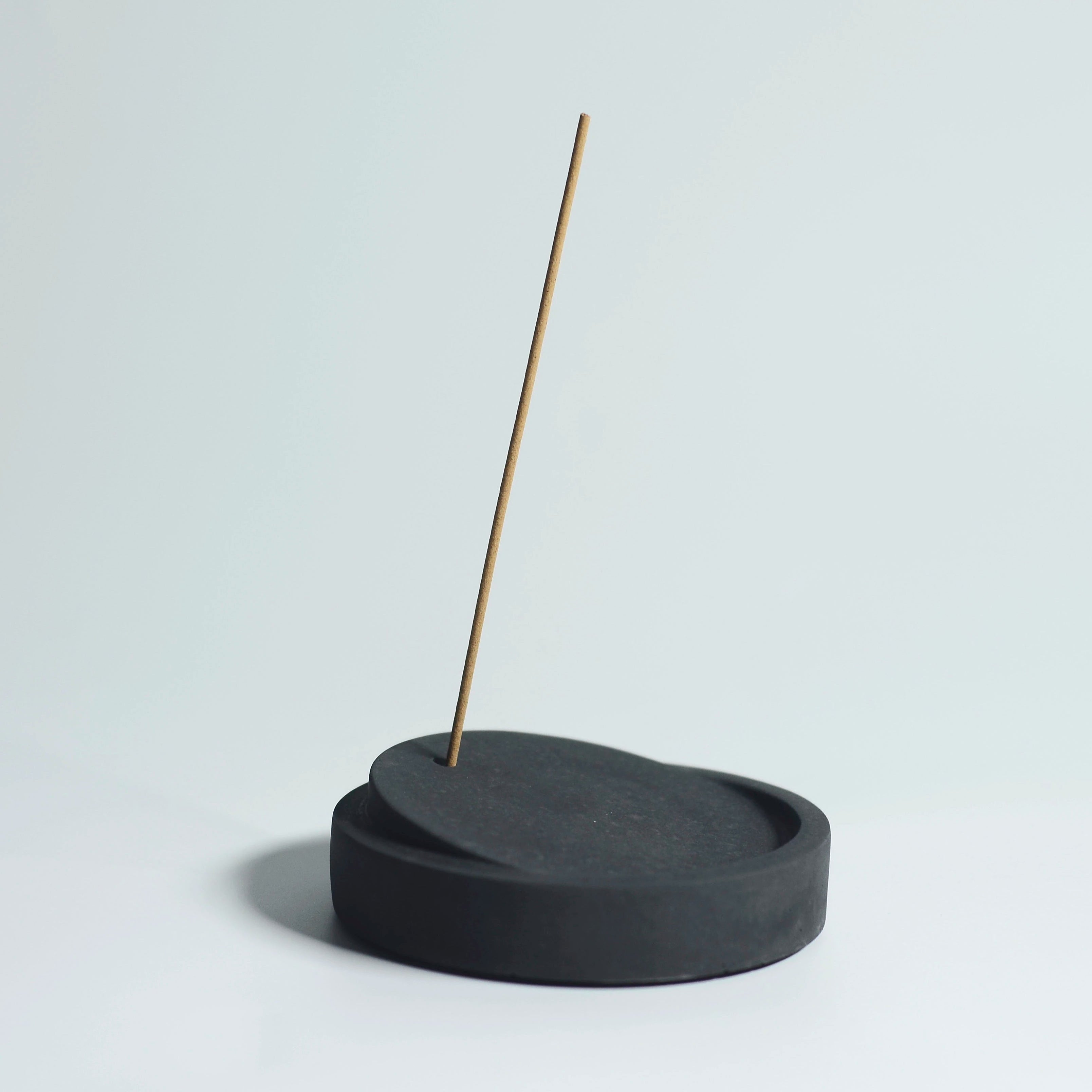
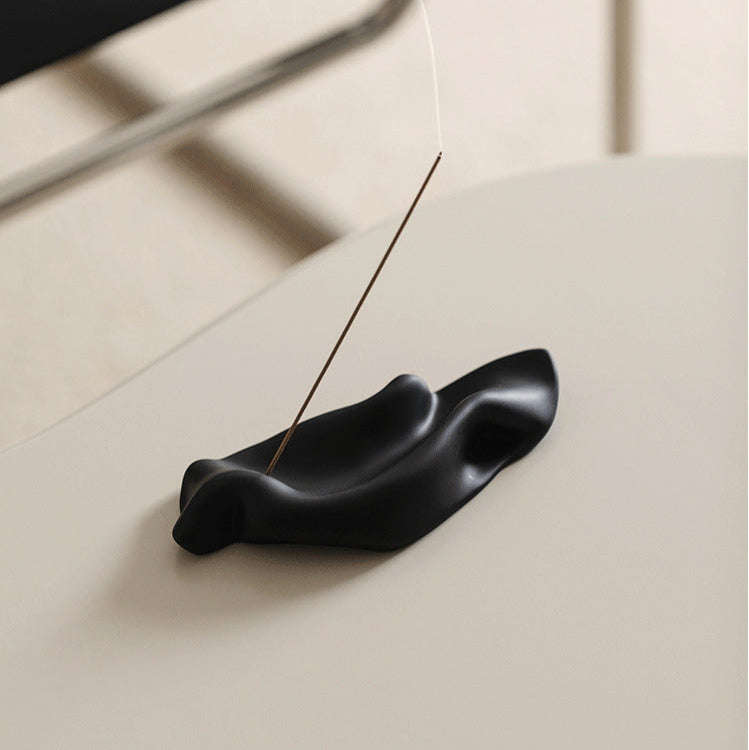
An incense holder is a receptacle designed to support burning incense, including sticks, cones, or coils, while catching the ash that falls as it burns. The form ranges from a simple ceramic disc with a drilled hole to elaborate sculptural pieces that double as objects of contemplation when not in use. In our experience stocking holders from independent makers across several traditions, the difference between a generic burner and a well-made one is felt immediately: weight in the hand, the precision of the stick hole, and how cleanly the ash collects rather than scattering across a surface.
The practice of burning incense for ritual and aromatic purposes stretches back thousands of years, with documented use across cultures from ancient Egypt to East Asia (Encyclopædia Britannica). The holder evolved alongside this practice, taking forms specific to each tradition and the materials available locally.
Materials and Styles
The material of a holder shapes both its appearance and how it interacts with heat, ash, and time. Most holders fall into a few material families, each with its own character.
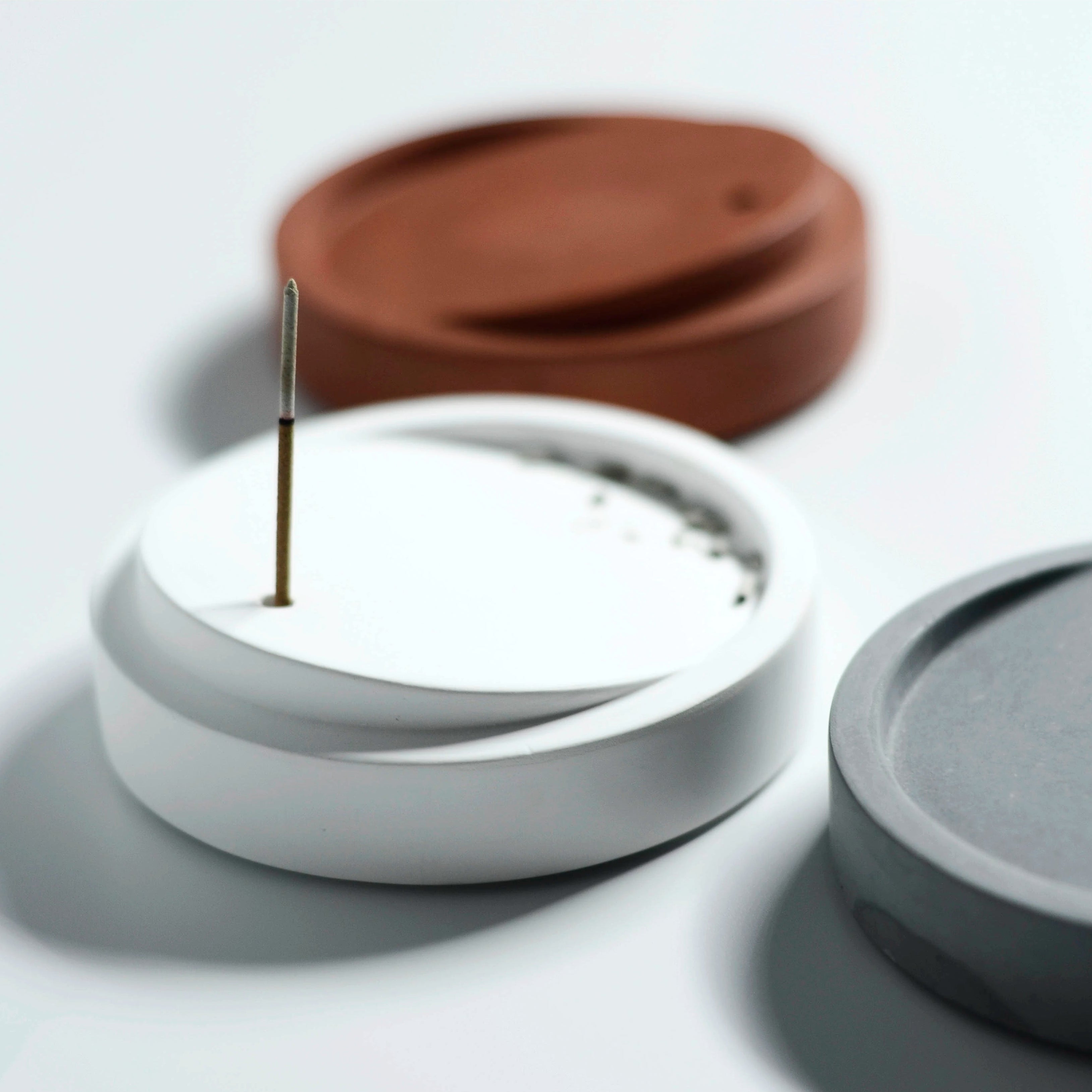
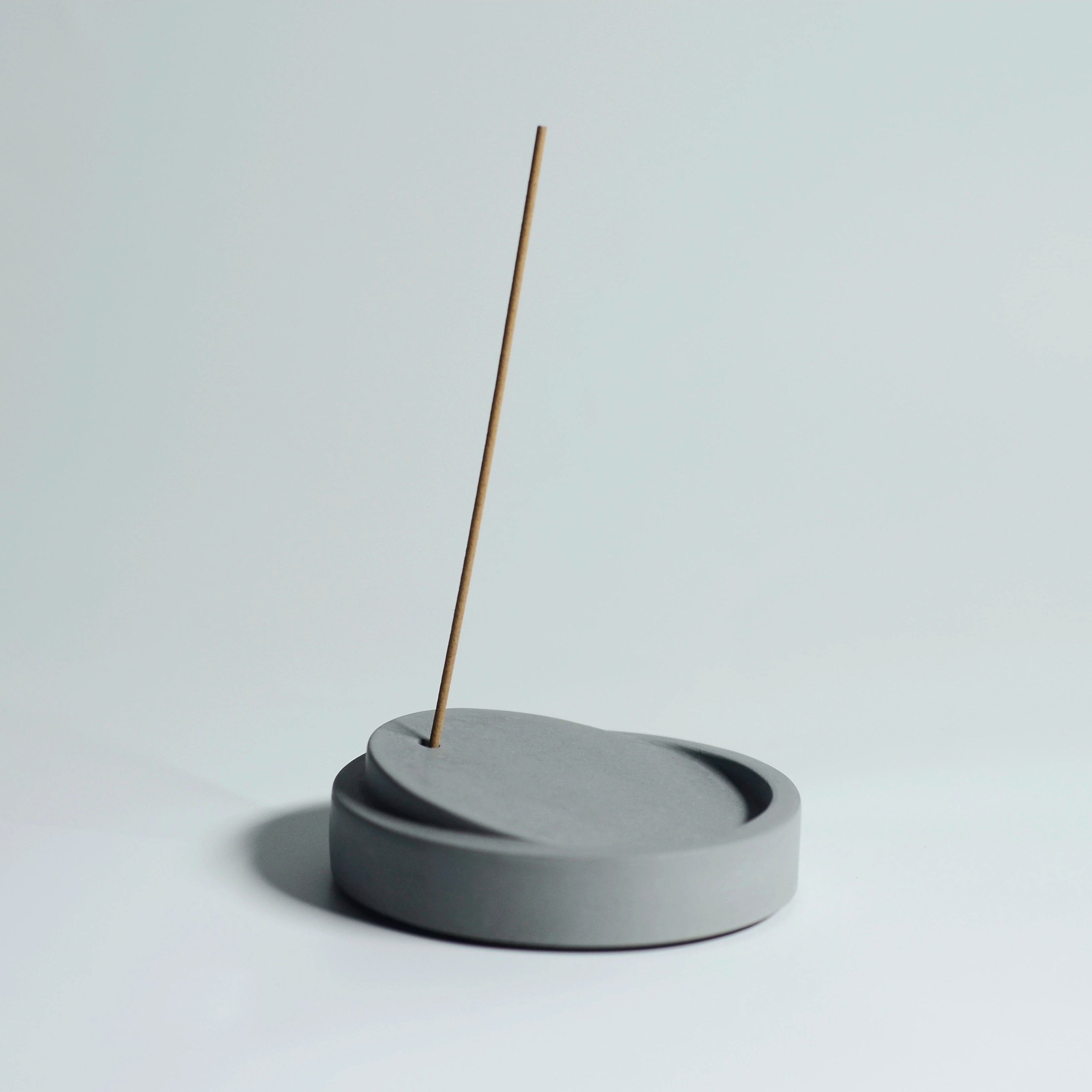
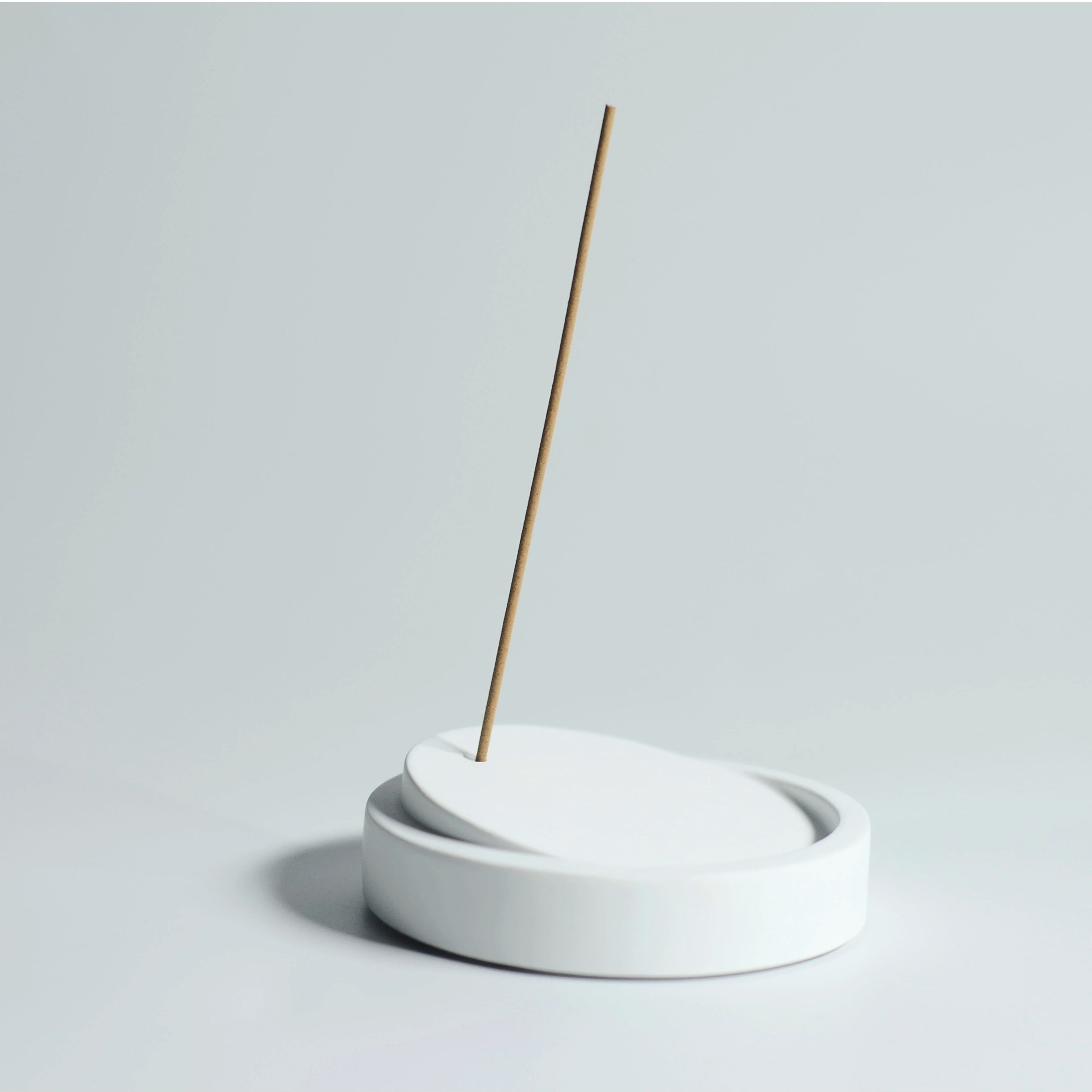
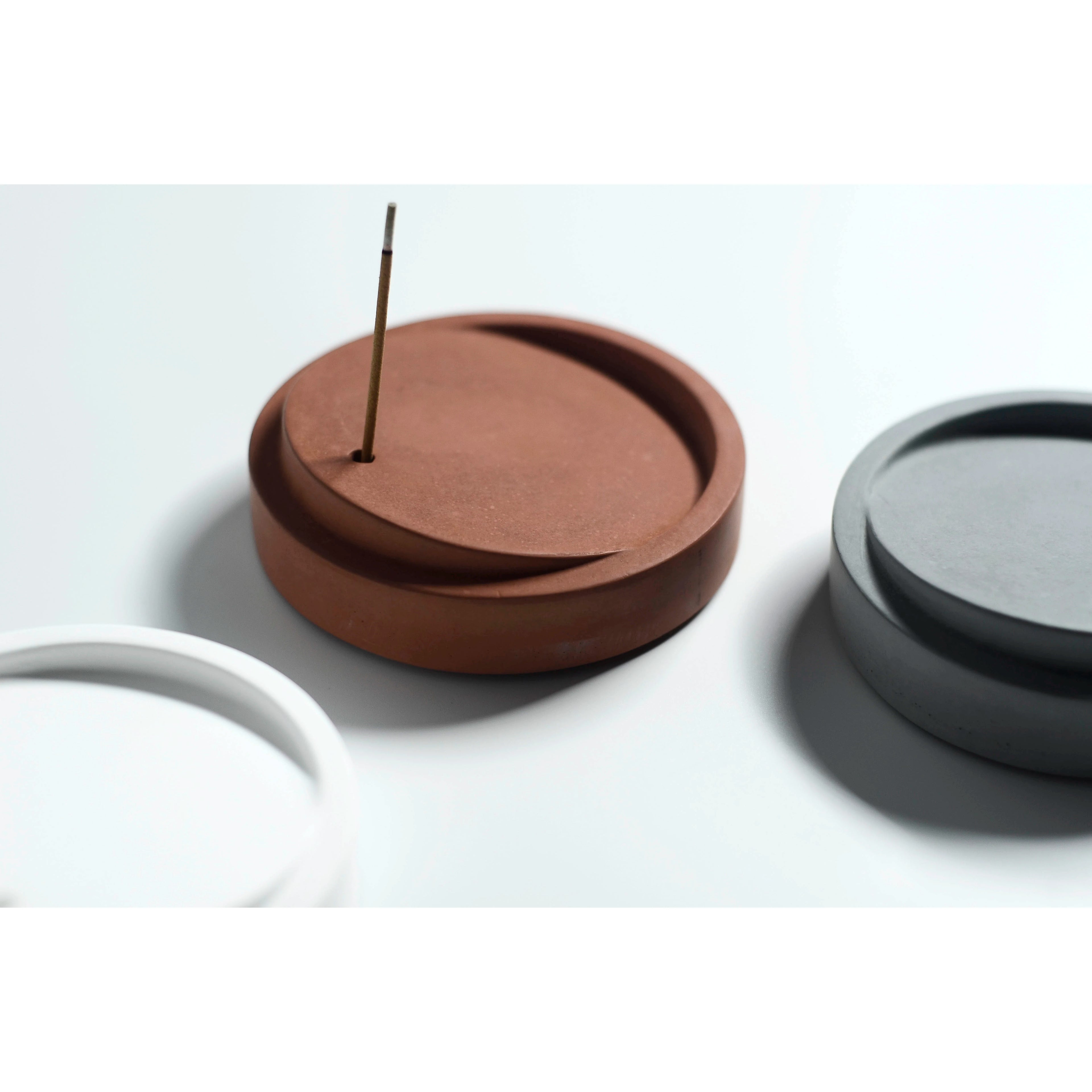
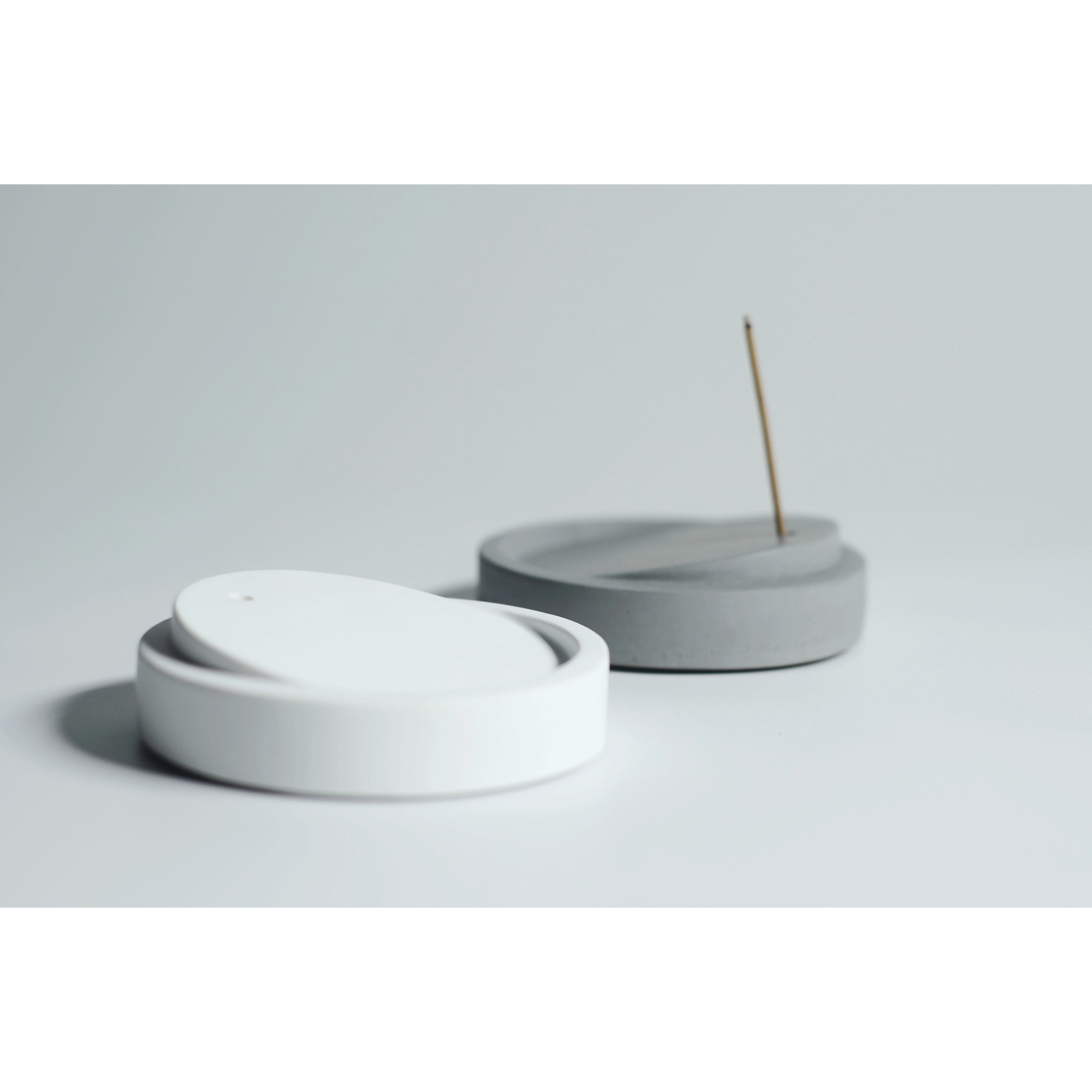
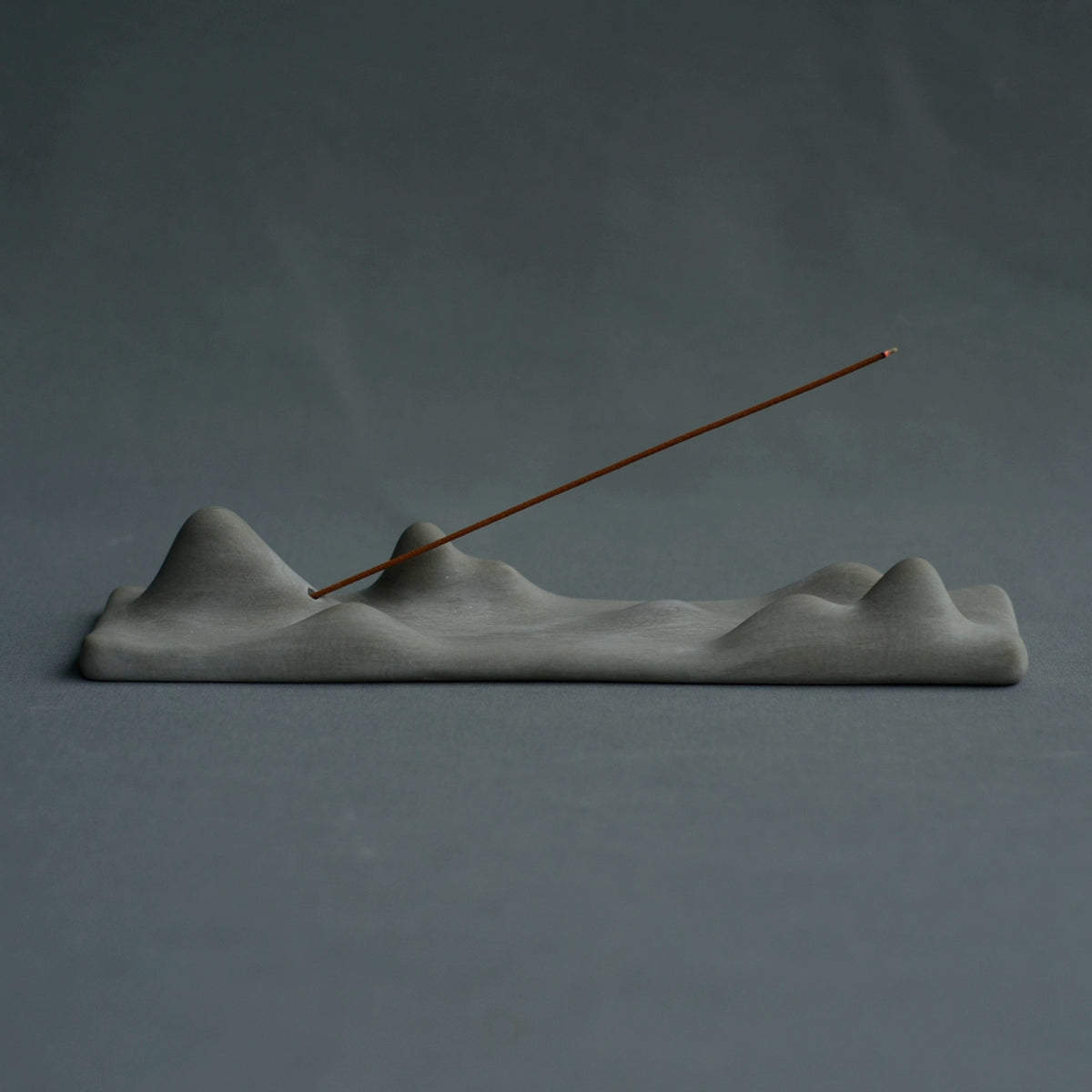
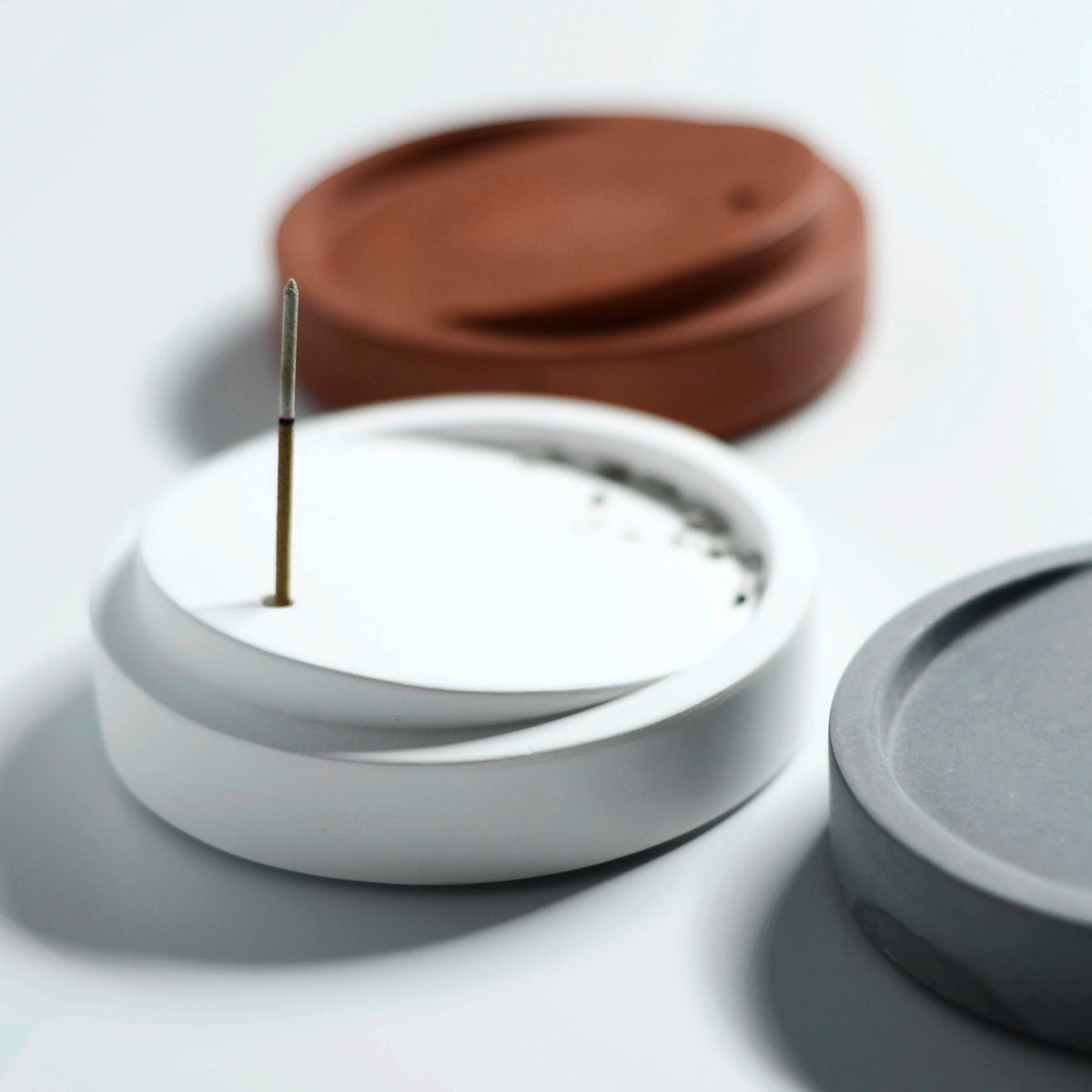
Ceramic remains the most common and versatile material. Unglazed stoneware and porcelain absorb heat well, resist scorching, and develop a patina of ash residue that many practitioners consider part of the object's life. Ceramic holders range from minimal discs to deeply carved vessels. Our ceramic incense holders reflect this breadth, from understated studio pieces to sculptural forms inspired by zen garden elements.
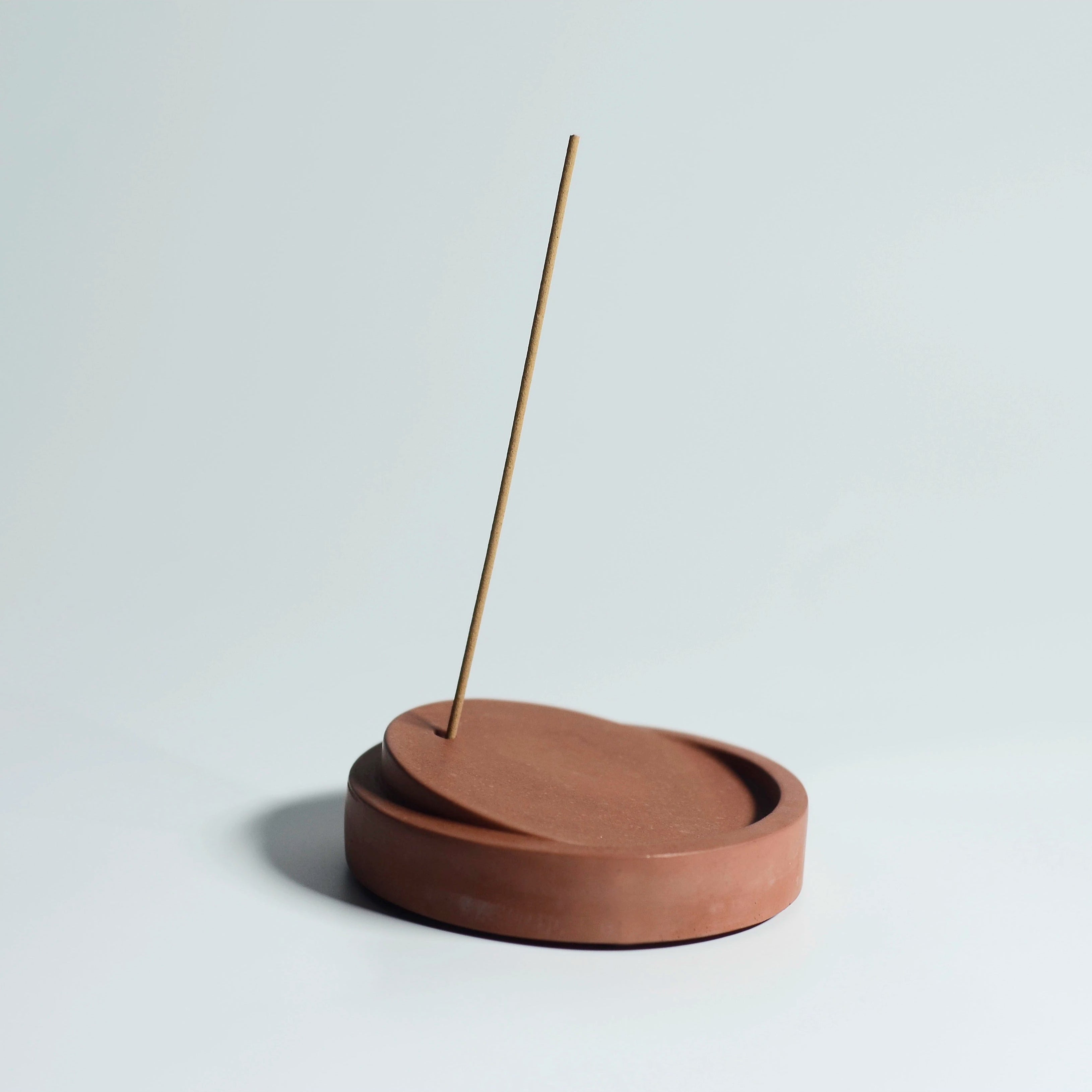
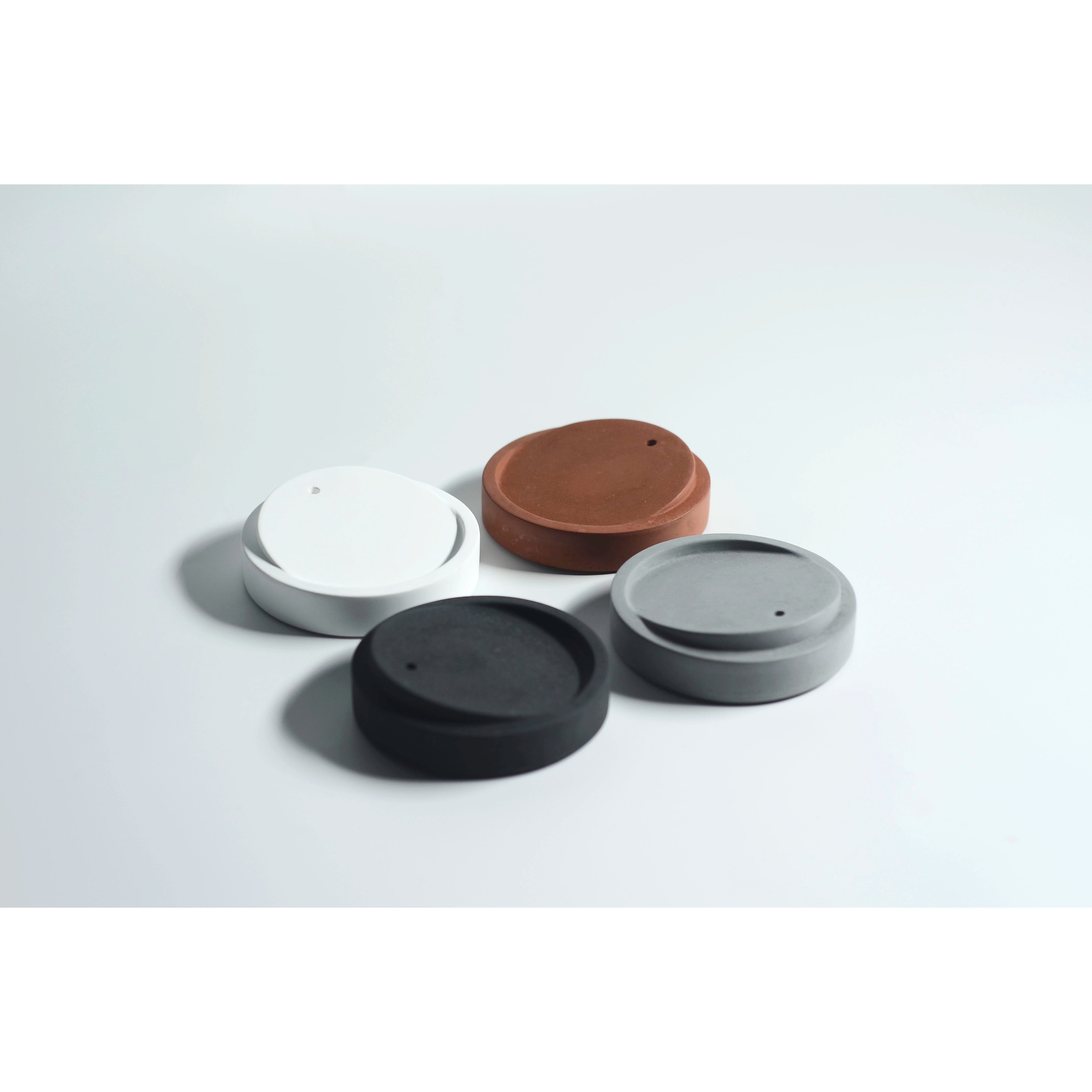
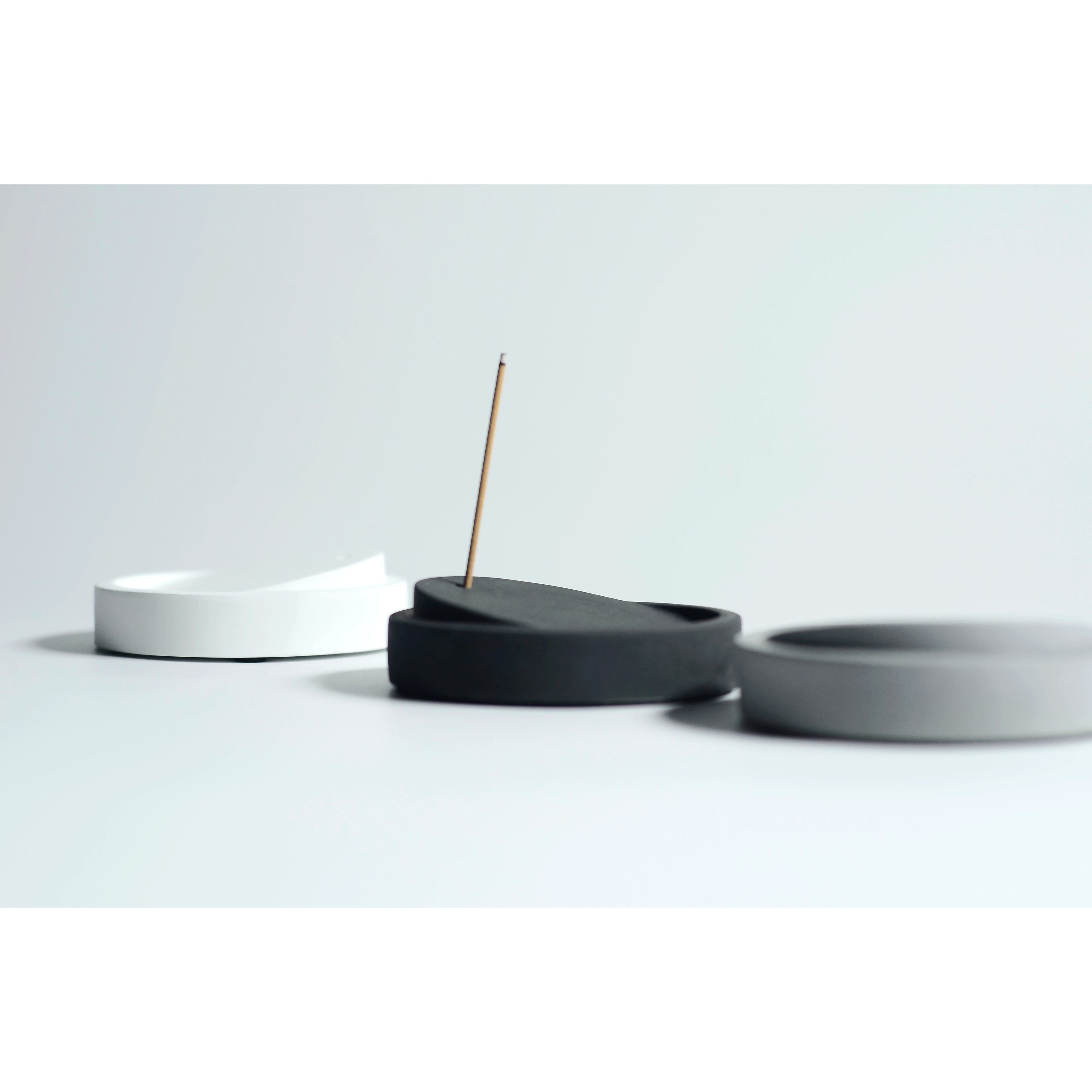
Resin holders offer a different tactile experience. Dense and often irregular in shape, resin can be cast into organic, asymmetrical forms that echo natural stone or water-worn wood. The weight of a solid resin holder keeps it planted, and the material's slight give makes it forgiving to the touch. You can explore resin incense holders in several finishes, from deep charcoal to translucent amber.
Wood and bamboo holders tend toward the rustic. They suit shorter burning sessions and pair naturally with koh, the Japanese stick incense, that produces minimal ash. Over time, wood darkens where incense has burned, recording use like a wabi-sabi timestamp.
Brass, copper, and iron are the metals most commonly used for incense holders. Metal conducts heat efficiently and brings a cool, reflective surface to the ritual. Metal holders often take the form of low trays or boats, with a brass pin or clamp holding the stick at an angle.
How to Use an Incense Holder
Using an incense holder is straightforward, but a few details make the difference between a clean burn and scattered ash.
- Choose a stable, non-flammable surface. Stone, ceramic, or metal surfaces are ideal. Keep the holder away from curtains, paper, and drafts that could redirect the ember or tip the stick. The National Fire Protection Association recommends keeping any burning material at least 12 inches from anything that can catch fire (NFPA fire safety guidelines).
- Insert the stick firmly. For holders with a drilled hole, push the bare end of the incense stick in until it seats, usually about a centimetre. The stick should stand upright or at the angle the holder's design intends, without wobbling. If the hole is too wide, a small ball of foil or a pinch of sand at the base can steady it.
- Light the tip, then let it catch. Hold a flame to the coated tip for a few seconds until a glowing ember forms. Give it a gentle wave to confirm it is lit, and a thin thread of smoke should rise.
- Let it burn through. A standard stick burns for 20 to 30 minutes; a cone, 10 to 15. The holder catches the ash as it curls and falls. Resist moving the holder mid-burn, as the ash is fragile and will scatter.
- Clean when cool. Once the ember is out and the holder is cool to the touch, tip the ash into a small dish or compost. Ceramic and metal holders can be wiped with a damp cloth; resin and wood benefit from a dry brush to avoid water marks.
Choosing the Right Holder for Your Practice
The right holder depends less on aesthetics alone and more on how you actually burn incense. If you light a stick daily and let it burn completely, a ceramic holder with a deep ash-catching well will serve better than a slim pin-style holder that leaves ash on the table. If you prefer shorter sessions with cone incense, a flat dish or tray-style holder works well.
Consider the incense itself. Japanese koh sticks are thin and almost coreless, fitting fine holes in ceramic discs. Chinese and Indian sticks often have a bamboo core that is thicker, requiring a holder with a wider hole or a clamping mechanism. Our full range of incense spans both traditions, and the holder should match what you burn most often.
A holder also lives in a particular place. A low ceramic dish on a desk reads differently than a tall sculptural piece on a mantle. Consider the surface, whether wood, stone, or fabric, and whether the holder's base will sit cleanly without scratching. Felt pads on the underside of ceramic and metal holders prevent this; resin and wood tend to be gentler on surfaces by nature.
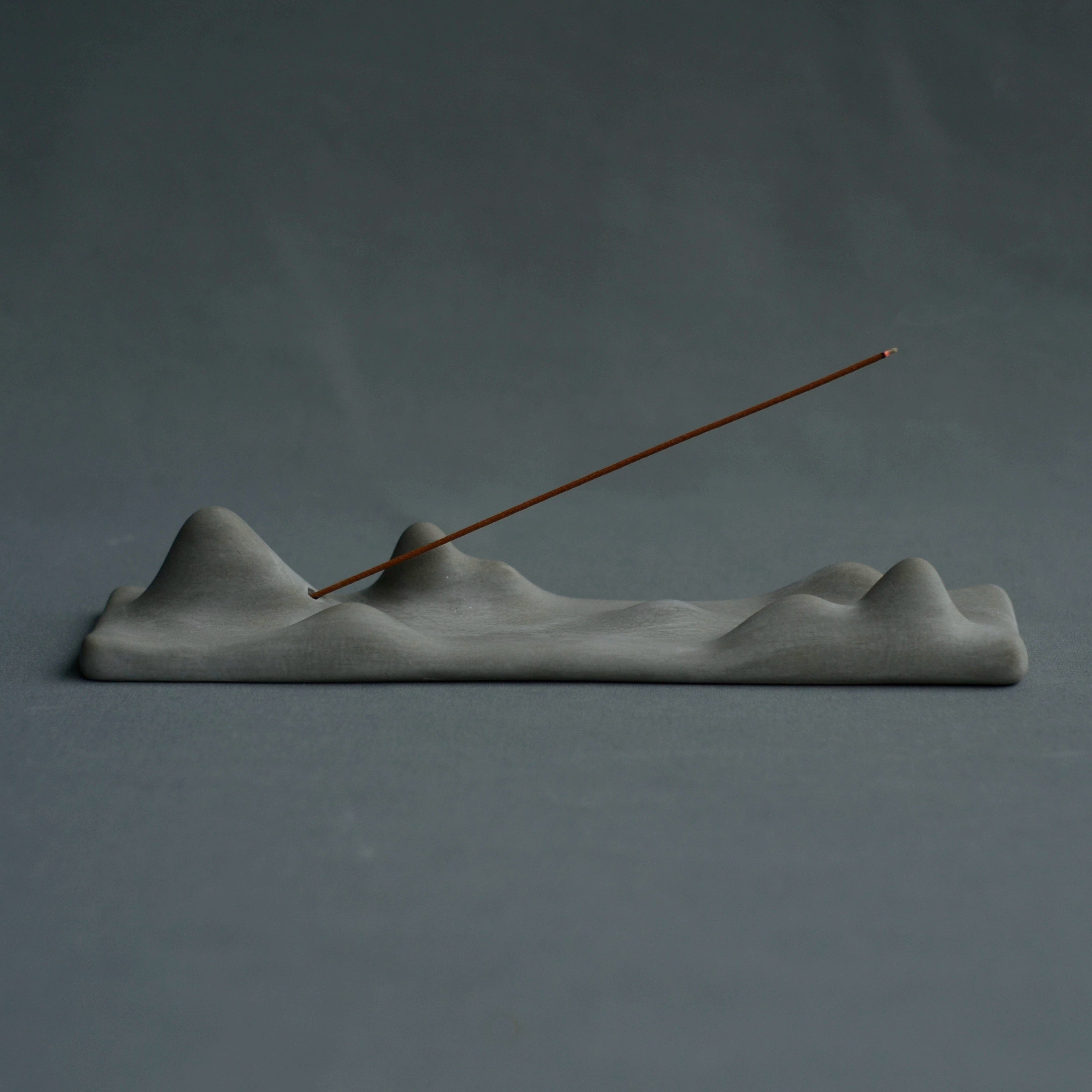
For those who treat incense as part of a meditation or tea practice, the holder becomes part of a larger arrangement. A sculptural piece, like the irregular resin forms or mountain-range ceramic holders we carry, can hold its own as a visual anchor on a shelf or altar, even when no incense is lit.
Caring for Your Incense Holder
A well-made holder lasts for years with minimal attention. The main concern is ash buildup, which can eventually clog the stick hole or dull a resin surface. Brush the hole clear with a toothpick or pipe cleaner every few uses. For glazed ceramic, an occasional rinse in warm water restores the surface. Unglazed ceramic and wood develop a natural darkening where ash settles, a sign of use rather than damage, and many people welcome it as part of the object's character.
Store holders away from direct sunlight if they are resin or wood, as prolonged UV exposure can fade pigments over time. Ceramic and metal are indifferent to light.
FAQ
What is an incense holder?
An incense holder is a small receptacle, typically ceramic, resin, wood, or metal, designed to hold burning incense sticks, cones, or coils upright while catching falling ash. Beyond its functional role, a holder can serve as a decorative or contemplative object, especially when made from natural materials with intentional design. Browse the full incense holder collection for pieces across all these material families.
How to use an incense holder?
Place the holder on a stable, non-flammable surface. Insert the bare end of an incense stick into the holder's hole, or set a cone in the designated indentation. Light the tip, let it catch, and allow the incense to burn down. The holder catches the ash as it falls. Once cool, empty the ash and wipe the holder clean.
What materials are best for incense holders?
Ceramic is the most versatile, resisting heat, catching ash cleanly, and developing character with use. Resin offers weight and organic forms. Wood pairs well with low-ash Japanese incense. Metal conducts heat efficiently and suits stick and cone styles. The best material depends on the type of incense you burn and the visual character you want in your space.
What to Consider Next
If you are starting with incense or refining an existing practice, the holder is the one piece you will handle every time you burn a stick. Choose one that feels right in the hand and suits the incense you use most often. A ceramic disc is the most forgiving starting point; a sculptural resin or ceramic piece adds a visual element that lasts beyond the burn.
From there, the incense itself becomes the next consideration. Sandalwood and agarwood are traditional starting points, each with distinct character: sandalwood warm and creamy, agarwood deep and resinous. Exploring a range of materials and scents will tell you more about your own preferences than any single guide can.